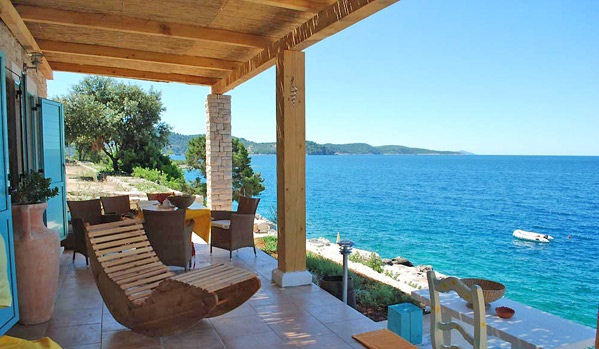

Croatia counts roughly 1,200 islands and islets along its 1,800-kilometre Adriatic coast, an island count second in the Mediterranean only to Greece. The country has been a popular European package destination since the 1960s, when Yugoslav state tourism built large coastal hotels along Istria, Dalmatia, and the Kvarner Gulf, although the Croatian all-inclusive segment has changed since the war of the 1990s and the country’s accession to the European Union in 2013, the Eurozone and the Schengen Area on 1 January 2023. This article walks through the questions that come up when planning an all-inclusive holiday in Croatia: the geography of the resort regions, the named flagship properties, the seasonal price patterns, the airport choice, the tourist tax and the ETIAS travel authorisation coming in late 2026, the Croatian food and wine that the package puts on your plate, and the mistakes that first-time visitors are most likely to make.
What Does an All-Inclusive Package Cover
All-inclusive in Croatia tends to cover the same core elements found in other Mediterranean destinations, with some local variation by hotel chain and price tier. The standard package includes the room, three meals a day in the hotel buffet restaurant, snacks at scheduled times, soft drinks at hotel bars and restaurants, locally branded beer and wine with meals, and use of pools and beaches owned or leased by the hotel. Higher tiers add a la carte restaurant credits, named-brand spirits, premium wines, room service, and access to spa or beach club facilities.
The Croatian market has run lighter on the all-inclusive concept than mainland Mediterranean destinations such as Turkey or Egypt, in part because the country’s historic dining culture is built around small local restaurants called konobas that hotels often integrate into the package as a single dinner credit. Travellers who book all-inclusive in Croatia should read the small print on which restaurants and bars count toward the package, since some hotels operate multiple food outlets that fall under different rate categories. Daytime activities in the package may cover non-motorised water sports, fitness classes, kids’ clubs, and entertainment programmes in the evenings, while motorised water sports, scuba diving, and excursions are charged on top from the resort dive shop or activity desk.
Main All-Inclusive Regions and Named Resort Operators
- Istrian coast: Porec, Rovinj, Umag, Rabac – largest concentration of all-inclusive hotels, closest to Italy and Central Europe
- Kvarner Bay: Opatija, Crikvenica, Krk island, Losinj – mix of heritage resorts and modern all-inclusive
- Dalmatian coast: Dubrovnik, Split, Makarska, Hvar – premium prices, historic cities, island-hopping
- Southern islands: Korcula, Brac, Vis – smaller boutique-style resorts, fewer true all-inclusive
Three Croatian hotel groups operate the bulk of the all-inclusive inventory in the country. Valamar Hotels and Resorts is the largest, with properties in Porec, Rabac, the islands of Krk and Rab, Hvar, the Makarska Riviera, and Dubrovnik, including the family-oriented Valamar Bellevue Resort in Rabac and the sustainability-focused Valamar Amicor Resort on Hvar, the first family resort in Croatia built to certified sustainable-development standards. Valamar’s new Sunny All-inclusive Resort in Dubrovnik opens for the 2026 season with rates starting around 148 euro per room per night. Aminess Hotels and Campsites operates the Aminess Senses Resort on Hvar, properties on Korcula, and a Novigrad cluster in Istria. Bluesun Hotels and Resorts concentrates on the Makarska Riviera with properties in Brela, Tucepi, and Bol on Brac. Two international operators run flagship Croatian properties as well: Falkensteiner Club Funimation Borik in Zadar is the largest dedicated family water-park resort in the country, and the Girandella Maro Suites in Rabac is a Kinderhotels-member property with among the most developed indoor kids’ entertainment programmes on the coast.
Where Do Most Resorts Cluster
The Croatian all-inclusive offer is concentrated in three main regions along the Adriatic coast. Istria, the heart-shaped peninsula in the north-west of the country closest to Italy and Slovenia, holds the largest concentration of mid-range and family-oriented resorts, with major clusters around Porec, Rovinj, Pula, and Umag. The Istrian coast is rocky and pebbled rather than sandy, although several hotel beaches have been groomed and topped up with imported sand.
The Kvarner region, centred on the city of Rijeka and including the islands of Krk, Cres, and Losinj, offers a mix of hotel resorts and traditional fishing-village accommodation, with shorter transfer times from the Rijeka and Pula airports than from anywhere on the Dalmatian coast. Dalmatia, the long southern stretch from Zadar through Split to Dubrovnik, holds a smaller share of all-inclusive properties but a larger share of the country’s premium and luxury hotel inventory. Split and Dubrovnik themselves are city break destinations rather than resort towns, so the all-inclusive offer in Dalmatia sits in nearby coastal villages and on small offshore islands a short ferry ride from the mainland.
Inland Croatia, including the capital Zagreb and the spa towns and lake regions of the interior, runs almost no all-inclusive accommodation in the resort sense. Inland hotels offer half-board or bed-and-breakfast packages instead, with full-board options at some of the lake-district properties.
Why Krk Has the Most All-Inclusive Resorts on a Croatian Island
Krk in the northern Kvarner Bay holds the largest concentration of all-inclusive resorts on any Croatian island, and the reason is structural. Krk is the only Croatian island connected to the mainland by a road bridge. The Krk Bridge, built between 1976 and 1980, crosses from the Adriatic coast near Rijeka to the northern tip of the island in two spans across the small islet of Sveti Marko. The bridge means that all-inclusive packages on Krk do not require a car-and-ferry transfer like packages on Hvar, Brac, or Korcula, which removes both cost and uncertainty from the airport-to-resort leg.
The Krk operating advantage works for hotel operators too. Stocking a hotel buffet across the high season on a bridge-connected island runs through trucks, which is cheaper and more reliable than ferry logistics. Krk hosts large Valamar properties at Punat and Krk town, plus smaller mid-range chains. The next two largest island clusters of all-inclusive sit on Hvar, which carries a premium for the ferry and the longer journey, and on Losinj, accessible via the chain of bridges and short ferry from Mali Losinj. The mainland-island geography of Croatia explains a large part of the price difference between equivalent properties on different islands.
When Is the Best Time to Visit
Croatian coastal weather follows a clear Mediterranean pattern. The high season runs from late June through early September, when sea temperatures reach their warmest level of around 24 to 26 degrees Celsius and daytime air temperatures sit between 28 and 32 degrees. The shoulder seasons of May to mid-June and mid-September to mid-October are warmer than the same months in northern Europe but cooler and less crowded than the peak.
Sea temperatures in May start around 17 to 18 degrees and rise toward late June, while October sea temperatures fall from around 22 degrees at the start of the month to around 19 by the end. The cheapest all-inclusive packages run in May, early June, and late September into October, when most hotels still operate although the package price tends to drop by 30 to 50 percent against the August peak. The country gets very busy in the second half of July and through August, both with European package travellers and with overland and ferry visitors, and prices reach their highest level in this window.
Winter is the off-season for the coastal resort market, with many hotels closing between November and April. The exception is the city of Dubrovnik, which has built a year-round market through its old-town tourism, and the spa towns of inland Croatia, which run through the colder months on a different audience.
Hidden Costs: Tourist Tax, ETIAS, and the 2023 Currency Switch
Three cost lines surprise first-time travellers to Croatian all-inclusive resorts, and none of them are usually included in the package price quoted online.
Boravisna pristojba, the Croatian tourist tax, is charged per adult per night at check-in by every registered accommodation in the country. Rates are set by municipality and run higher in high-demand areas. Dubrovnik charges around 2.65 euro per adult per night from April through September and around 1.86 euro outside that window. Smaller coastal municipalities run between 1.00 and 2.00 euro per adult per night in season. Children under 12 are exempt, and ages 12 to 18 pay half the adult rate. A two-adult, two-child family on a seven-night package in Dubrovnik in August faces an extra 37 euro for the tourist tax on top of the all-inclusive booking, which goes to municipal beach maintenance, cultural funding, and infrastructure.
ETIAS, the European Travel Information and Authorisation System, launches in the fourth quarter of 2026 for visa-exempt travellers from the United States, United Kingdom, Canada, Australia, Japan, and around 60 other countries. ETIAS will be required to enter Croatia and any of the other 29 Schengen-area countries, costs around 20 euro per applicant, runs three years per authorisation, and is processed online before travel. The 90-day-in-any-180-day rule for Schengen continues to apply on top of ETIAS. Children under 18 and adults over 70 are exempt from the fee but still need to apply.
The euro replaced the kuna as Croatia’s currency on 1 January 2023 at the fixed rate of 7.53450 kuna per euro. For travellers from other Eurozone countries the change removed the need for currency exchange, and for travellers from outside the Eurozone the change made comparing Croatian prices against other European destinations straightforward. The conversion year coincided with the country’s entry into the Schengen Area, which removed land border controls between Croatia and Slovenia, Hungary, and other Schengen neighbours. Food prices rose by around 18 percent in the months after the currency switch, partly from broader European inflation and partly from rounding effects, and Croatia in 2026 is no longer the budget Mediterranean destination it was during the kuna years.
How Does It Compare with Self-Catering
All-inclusive packages and self-catering holidays in Croatia answer different needs. The all-inclusive option suits travellers who want fixed costs, fewer decisions during the holiday, and a single point of contact for accommodation and food. The trade-off is that the meal quality and the dining variety are limited to whatever the hotel kitchens produce, and the experience of Croatian food and wine outside the hotel is often skipped or treated as a paid extra.
Self-catering apartments are available across the Croatian coast, in private flats, in family-run guesthouses called sobe, and in small apartment complexes called pansion. Croatian self-catering tends to run cheaper than the equivalent all-inclusive package on a like-for-like basis, although the saving narrows or disappears once restaurant meals, market shopping, drinks, and excursions are added in. Self-catering travellers usually rent a car, which adds a further cost line that is bundled into airport transfers under most all-inclusive deals.
Croatian Food and Wine in All-Inclusive Resorts
The all-inclusive food argument is the single biggest editorial difference between Croatia and the mainland-Mediterranean budget destinations. Croatia has serious regional cuisines, and the better hotel buffets put recognisable Croatian dishes alongside the international standards. The dishes worth looking for on an Istrian buffet include fuzi hand-rolled pasta with truffle sauce, boskarin beef from the local Istrian ox breed, and maneštra bean-and-vegetable soup. The Dalmatian coast adds peka meat or octopus slow-cooked under a bell-shaped iron lid covered with hot coals, brodet Dalmatian fish stew, gregada fish-and-potato casserole from Hvar, pasticada braised beef in red wine, and fritule miniature carnival doughnuts. The Pag and Brac cheese platters often include paski sir, the sharp sheep cheese aged on wind-swept Pag, and prsut air-cured ham from Drnis in Dalmatia or from Istria.
Croatian wine in the all-inclusive package usually means local-region varieties poured by the carafe. Istrian buffets pour Malvazija Istarska, the floral white that dominates the peninsula, and Teran, the dark red. Dalmatian resorts pour Plavac Mali, the Dalmatian red grown most famously on the south-facing slopes of Hvar and the Peljesac peninsula, plus white Posip from Korcula. Inland and Slavonian wines including Grasevina, Croatia’s most-planted grape, appear less often on coastal buffets. The dessert wine Prosek from Dalmatia rounds out the standard wine list at premium properties. Asking for a Croatian wine rather than the default house pour usually gets a more interesting glass.
Choosing Your Airport
Croatia has five main international airports along the coast, and the choice of arrival airport shapes the resort options. The main hubs and their typical transfer windows to nearby resorts:
- Pula (PUY), Istrian hub. Direct to Porec (45 minutes), Rovinj (30 minutes), Umag (1 hour), Rabac (45 minutes). Heavy summer charter traffic from Central Europe and the UK.
- Rijeka (RJK), Kvarner hub located on Krk itself. Direct to Krk town (15 minutes), Punat (20 minutes), Opatija (45 minutes), Crikvenica (30 minutes). Lower international flight volume; better for charter from Central Europe than for scheduled long-haul.
- Zadar (ZAD), North Dalmatian hub. Direct to Zadar resorts (15 minutes), Sibenik area (1 hour), Falkensteiner Club Funimation Borik (10 minutes). Heavy Ryanair traffic from the UK and Ireland.
- Split (SPU), Central Dalmatian hub and Croatia’s busiest summer airport. Direct to Split city, Makarska Riviera resorts (1 to 1.5 hours), Trogir (20 minutes), with ferry connections from Split harbour to Hvar (1 hour), Brac (50 minutes), and Korcula (3 hours).
- Dubrovnik (DBV), South Dalmatian hub. Direct to Dubrovnik old town (25 minutes), Cavtat (15 minutes), Mlini, and the Konavle resorts. Highest average package price among the Croatian airports, with a premium that runs across both flights and ground costs.
Zagreb (ZAG), the main inland hub, sits a two to three-hour drive from any coastal resort and is rarely chosen for all-inclusive package travel. Pula and Rijeka serve Istria and Kvarner; Zadar and Split serve North and Central Dalmatia; Dubrovnik serves the south. Booking a return through one airport and out through another can open extra island-hopping or city-stay options at the cost of a one-way car rental fee.
Which Mistakes Should First-Time Visitors Avoid
Several common mistakes can take the shine off a Croatian all-inclusive holiday. The first is misjudging beach types: most Croatian beaches are pebble or rock rather than fine sand, which surprises visitors who came expecting a Caribbean or Egyptian-style sand beach. The second is underestimating distances along the Croatian coast.
The country looks compact on a map, although the coastline is long and the road network often follows winding mountain edges, so a two-hour transfer from the airport is common in Dalmatia. The third is booking the wrong region for the desired pace: Istria suits travellers who want short transfers, mid-range comfort, and easy day trips into the interior, while southern Dalmatia suits travellers who want a longer flight, higher prices, and a stronger old-town and island culture. The fourth is over-relying on the all-inclusive food offer in a country where local restaurants are part of the experience.
The fifth is buying excursions through the resort desk without comparing prices against local operators, since hotel mark-ups on day trips, boat tours, and rental cars can run several times the standalone rate. The sixth is assuming summer water temperatures stay warm into the evening: on Croatian beaches the daytime sea is comfortable from late June onwards, although the air cools after sunset, and an evening swim in May or late September is colder than the daytime weather suggests.
Are Tips Included in the Package
Tipping in Croatia operates on different rules from the all-inclusive package itself. The Croatian custom in restaurants is to round up or to leave around 5 to 10 percent for good service, although the practice has shifted in recent years toward closer alignment with western European norms. Inside an all-inclusive resort, the package does not cover tips, and the question of whether to tip the buffet staff, the bartenders, the housekeepers, or the entertainment team is left to the traveller.
Most package travellers leave a small daily amount in cash for housekeeping at the end of the stay and round up bar bills if they order anything outside the included drink list. Larger tips for waiters at hotel a la carte restaurants follow the standard restaurant rules. Resort staff in Croatia receive lower base wages than the equivalent grades in northern Europe, so tips can make a meaningful difference to take-home pay. Service charges are not added to restaurant bills as a default, although a small number of touristy establishments along the Dalmatian coast have started to add an optional cover charge during the high season. Asking for the bill in Croatian uses the word racun, although waiters in tourist areas understand the request in English without trouble.
Frequently Asked Questions
Are there many all-inclusive resorts in Croatia?
Croatia has fewer all-inclusive resorts than mainland Mediterranean destinations such as Turkey, Spain, or Egypt, in part because the country’s tourism culture is built around small local restaurants and self-catering apartments. The largest cluster of all-inclusive properties sits in Istria around Porec, Rovinj, and Umag, with smaller clusters in the Kvarner Gulf and along the Dalmatian coast. Valamar Hotels and Resorts is the largest Croatian operator, followed by Aminess and Bluesun.
Is Croatia expensive for all-inclusive holidays?
Croatia tends to run more expensive than the mainland Mediterranean budget destinations and cheaper than the high-end Greek islands, with prices that vary by season. Peak August rates can run three or four times the May or October rates at the same hotel. The 2023 currency switch to the euro and the broader European inflation push raised Croatian prices by around 18 percent in 2023 and 2024, and Croatia is no longer the budget destination it was during the kuna years.
Do I need a visa or ETIAS for Croatia?
Citizens of EU and Schengen-area countries do not need either a visa or an ETIAS to enter Croatia. Visa-exempt visitors from the United States, United Kingdom, Canada, Australia, Japan, and around 60 other countries will need to apply for an ETIAS travel authorisation once the system launches in the fourth quarter of 2026, with the authorisation costing around 20 euro and running three years per applicant. Visa-required nationalities follow the standard Schengen visa procedure through Croatian or other Schengen consulates.
What is the tourist tax in Croatia?
Croatia charges a tourist tax called boravisna pristojba, paid per adult per night at check-in by every registered accommodation. Rates vary by municipality and season. Dubrovnik charges around 2.65 euro per adult per night from April through September, smaller coastal municipalities run 1.00 to 2.00 euro in season, and the rate drops by around 30 percent in the off-season. Children under 12 are exempt and ages 12 to 18 pay half the adult rate.
Which Croatian airport is best for an all-inclusive holiday?
The best airport depends on the region. Pula or Rijeka work best for Istria and Kvarner. Zadar or Split work best for Central Dalmatia. Dubrovnik works best for the southern Dalmatian coast and the Konavle valley. Zagreb (the main inland airport) sits a long drive from the coast and is rarely chosen for all-inclusive packages. Booking in and out of different Croatian airports can open extra island-hopping options at the cost of a one-way car rental fee.
Do I need a car if I book an all-inclusive package in Croatia?
Not for a beach-and-pool holiday inside the resort, although a rental car opens up the surrounding region for day trips to Plitvice Lakes, the Istrian hill towns, the Dalmatian islands by ferry, and the historic city centres of Pula, Split, and Dubrovnik. The exception is Krk, where the bridge to the mainland makes a day trip to Rijeka or the Plitvice area a half-day drive without ferry timetables.
What is the best month for an all-inclusive trip to Croatia?
September is often picked as the strongest single month, with sea temperatures still in the low twenties, lower prices than August, and lighter crowds at the major sites. May and early June run cheaper still, although the sea has not warmed up to its full summer level yet.
Sources and Further Reading
- Croatian National Tourist Board (Hrvatska turistička zajednica HTZ), official destination data and 2024-2025 arrival statistics. HTZ official site
- Croatian Bureau of Statistics (Državni zavod za statistiku), tourism arrivals and overnight stays. DZS official site
- European Union ETIAS portal, official information for visa-exempt travellers entering Schengen after Q4 2026. EU ETIAS portal
- Istria Tourism Board, regional resort statistics. Istra Tourism Board
- Dubrovnik-Neretva County Tourist Board, southern Dalmatia visitor data. Visit Dubrovnik official site
- Croatian Meteorological and Hydrological Service (DHMZ), sea and air temperature records. DHMZ official site