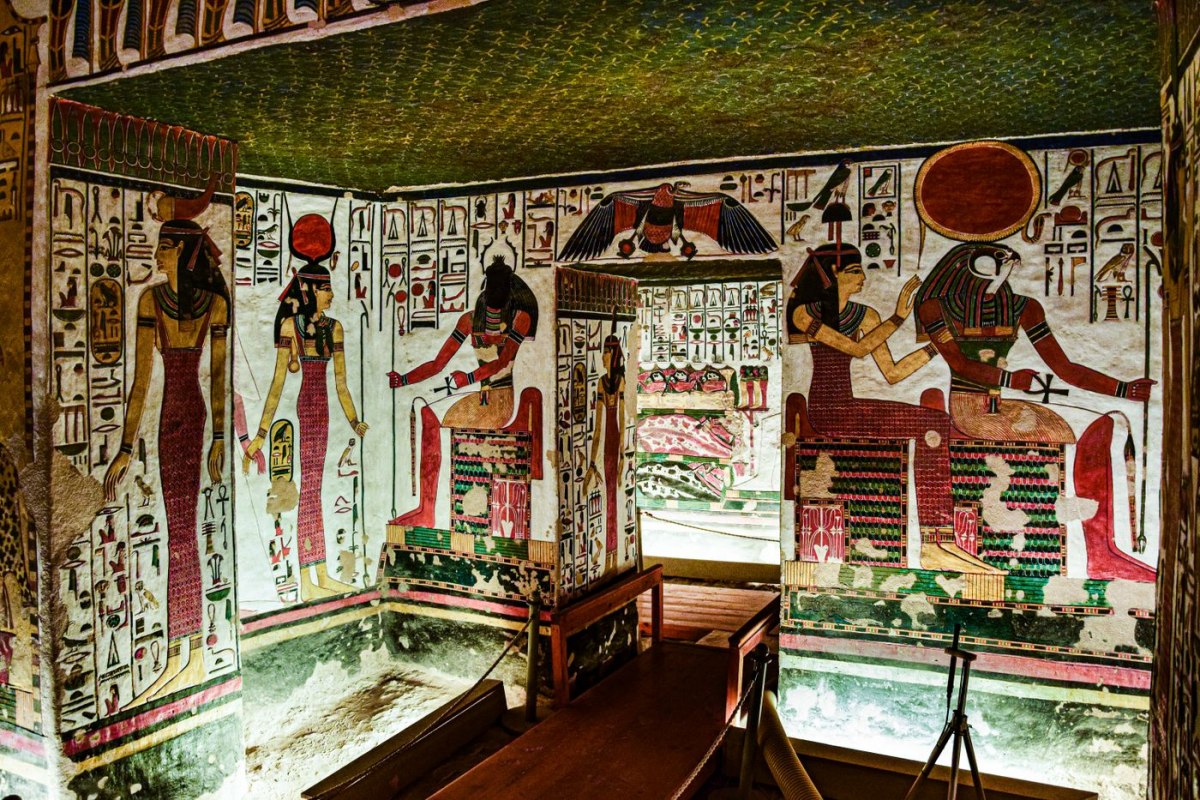
The ancient Egyptians did not believe in reincarnation in the standard sense. Egyptian funerary religion taught that the deceased continued a personal existence after death in the Field of Reeds, with the body preserved through mummification and the components of the self kept whole through ritual, rather than reborn into a new body. Egyptian theology recognised nine distinct parts of the human person, eight of them immortal, and the goal of every funerary rite was to keep those parts intact and to allow the deceased to transform into an Akh, a glorified eternal spirit. The popular English confusion between Egyptian afterlife belief and reincarnation traces back to a single passage in the Greek writer Herodotus that modern Egyptologists treat as a misreading.
This article walks through why Egyptian afterlife belief is not reincarnation, presents the full nine-part Egyptian soul with original hieroglyphic spellings, explains the Osiris myth that functioned as the divine resurrection template for every Egyptian funeral, traces the Herodotus and Pythagorean source of the modern confusion, distinguishes personal afterlife from the cyclical solar rebirth of Ra, walks through the three great funerary text traditions across three thousand years, covers the Akhenaten religious break, examines mummification and surviving papyri including the British Museum Papyrus of Ani, and acknowledges the modern Egyptian scholars who continue to shape the field.
Why Egyptian Belief Is Not Reincarnation
Reincarnation in the standard sense refers to the rebirth of a soul into a new biological body after death, often as a different person, animal, or other form. Hindu, Jain, Buddhist, and several smaller Asian religious traditions share this framework with their own variations. Egyptian funerary religion did not work this way.
Modern Egyptian scholarship makes the same distinction in its own language. Historians in Egypt name the belief aqidat al-baath wa al-khulud (عقيدة البعث والخلود), “the doctrine of resurrection and eternity,” and set it explicitly against tanasukh (التناسخ), the transmigration of souls. The Arabic term the descendants of the ancient Egyptians use for their ancestors’ faith rejects the reincarnation reading on its own terms: the dead are raised and made eternal, not reborn into new bodies.
The Egyptian understanding of the person held that several distinct components made up a human being. After death these components separated and each required its own ritual care. The body had to be preserved through mummification so that the Ka could continue to recognise it as a home, the Ba travelled out from the tomb each day and returned each night, and the goal of the funerary rituals was to allow the deceased to become an Akh, a transfigured spirit that joined the gods. The destination was the Field of Reeds in continued personal existence, not a series of new bodily lives.
The Nine-Part Egyptian Soul
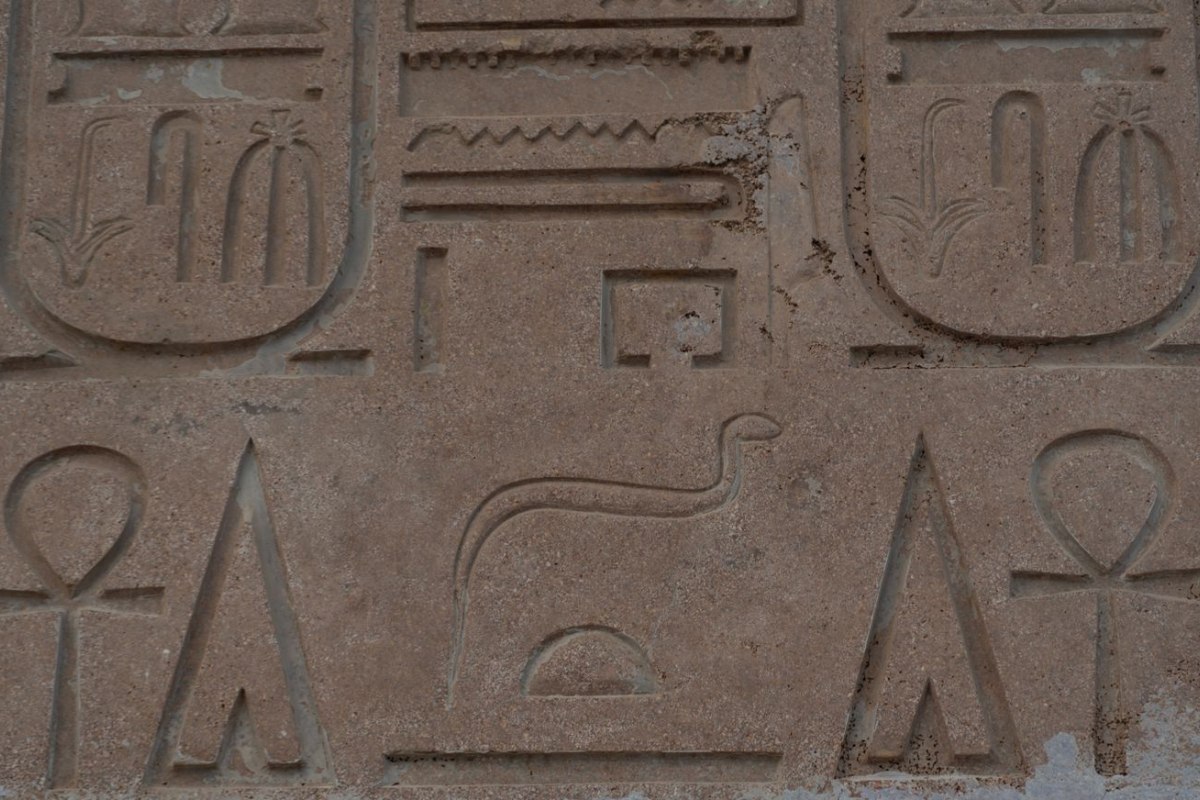
Egyptian theology divided the human being into nine functional parts. Eight of these were considered immortal and passed in some form into the afterlife. The ninth, the physical body, was preserved as a permanent home for the others. Each part had its own role, its own hieroglyphic name, and its own ritual requirements.
- Khat 𓊃𓈍𓏏𓋘, the physical body. Preserved through mummification and stored in the tomb. The only mortal component of the nine.
- Ka 𓂓, the life force or vital essence. Born together with each person and depicted in hieroglyphs as a pair of upraised arms. The Ka required food offerings and a recognisable body to return to, which is why tombs included so much food and why family members continued to bring offerings long after burial.
- Ba 𓅽, the personality. Depicted as a human-headed bird because the Ba could leave the tomb each day and return at night. The Ba carried the deceased’s individual character, what English would call their personality and reputation.
- Akh 𓅜, the transfigured spirit. Created at the successful end of the funerary process by the union of Ka and Ba. The Akh was the eternal, transformed self, the form in which the deceased joined the gods. The entire funeral existed to produce an Akh. Without this transformation, the other components would gradually fade.
- Sahu 𓋴𓅓𓄿𓏛, the judged spiritual body. The form the deceased took after passing through the Hall of Two Truths and being declared righteous. The Sahu walked the Field of Reeds.
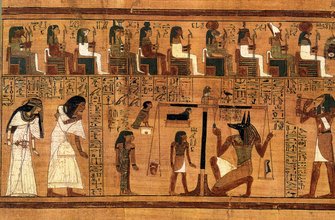
- Ib 𓄣, the heart. The seat of intelligence, conscience, and memory in Egyptian anatomy. The Ib was the only internal organ left inside the mummified body, because it had to remain in place for the Weighing of the Heart against the feather of Maat.
- Sekhem 𓌂, the life energy or vital power. The animating force that allowed the deceased to act in the afterlife. Distinct from the Ka, which was the substance, where Sekhem was the operative capacity.
- Ren 𓂋𓈖, the name. The Egyptians held that a person continued to exist as long as their name was spoken or written. Erasing a name from inscriptions, as was done to Akhenaten and to several queens by later dynasties, was understood as a deliberate attempt to end the dead person’s existence.
- Shuyet 𓆄, the shadow. An inseparable companion of every person. The shadow had its own continued existence after death and could move independently in some contexts.
Each of the eight immortal parts required ritual care. Mummification protected Khat for the Ka and Ba; food offerings sustained the Ka; tomb paintings and shabti figures equipped the Akh for the Field of Reeds; inscribed names protected the Ren; the heart was left in the body for the judgement. Egyptian funerary religion is the system that holds all nine in their proper places. The five-part summary common in English popular writing collapses Akh, Sahu, Ib, and Sekhem into the background, which is the main reason the Egyptian system can sound thinner than it actually is.
Osiris as the Divine Template for Human Afterlife
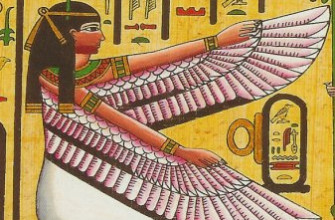
Every Egyptian funeral re-enacted the story of the god Osiris. The myth runs as follows. Osiris, the just king of Egypt, was murdered by his brother Set, who dismembered the body and scattered the pieces. The widow Isis searched for the parts, gathered them, and with the help of Anubis performed the first embalming and the first ritual that turned a dead body into a wrapped mummy. The reassembled Osiris was revived long enough to conceive a son, Horus, with Isis, and then descended into the Duat to rule the dead as the eternal king of the afterlife. Horus grew up, fought Set, and recovered the earthly kingship for his lineage.
This myth functioned as the divine template for every Egyptian funeral after the Pyramid Texts era. The deceased was identified with Osiris by name in the funerary formulas. The mummification process re-enacted the work of Isis and Anubis. The tomb scenes showed the deceased being received by Osiris in the Field of Reeds. The Egyptian term for the dead person became literally “the Osiris [name of the deceased]”, and the formula appears across thousands of inscriptions from the Middle Kingdom onward.
The Osiris template is the closest concept in Egyptian religion to what Western readers call rebirth. Osiris dies, is reassembled, and returns to a new form of life in a new realm. Each deceased Egyptian followed this same arc. The system was a transformation rather than a transmigration: the same person, restored and changed, in a different mode of existence. Understanding this distinction is the key to reading every Egyptian funerary text correctly.
The Pythagoras and Herodotus Confusion
The link between Egypt and reincarnation in popular Western writing comes from a single passage in the Histories of the Greek writer Herodotus, written around 440 BCE. Herodotus claimed that the Egyptians were the first people to teach that the soul is immortal and passes after the death of the body into another animal at the moment of birth, and that after passing through every kind of land, water, and air creature it returns to a human body. He added that some Greek philosophers had borrowed this teaching as their own.
Modern Egyptologists treat this passage as a Greek misreading of Egyptian funerary belief through the lens of Pythagorean and Orphic doctrines that were already familiar to Herodotus and his audience. The Pythagorean school taught a doctrine of metempsychosis, the transmigration of souls, and Herodotus had reasons of his own to credit Egypt with cultural primacy on questions of religious philosophy. The Greek narrative needed an authoritative ancient source, and Egypt served the role.
The actual Egyptian source material, including the Pyramid Texts, the Coffin Texts, and the Book of Going Forth by Day commonly known as the Book of the Dead, contains no doctrine of bodily transmigration in the Greek sense. The Egyptian afterlife is a continued personal existence in the Duat and the Field of Reeds, achieved through the Osiris-template transformation described above, not a series of new births into new bodies. Where Greek metempsychosis moves the soul through many lives in succession, Egyptian funerary religion moves one person through one transformation into one continued eternal state.
Cyclical Solar Rebirth: Ra’s Daily Journey
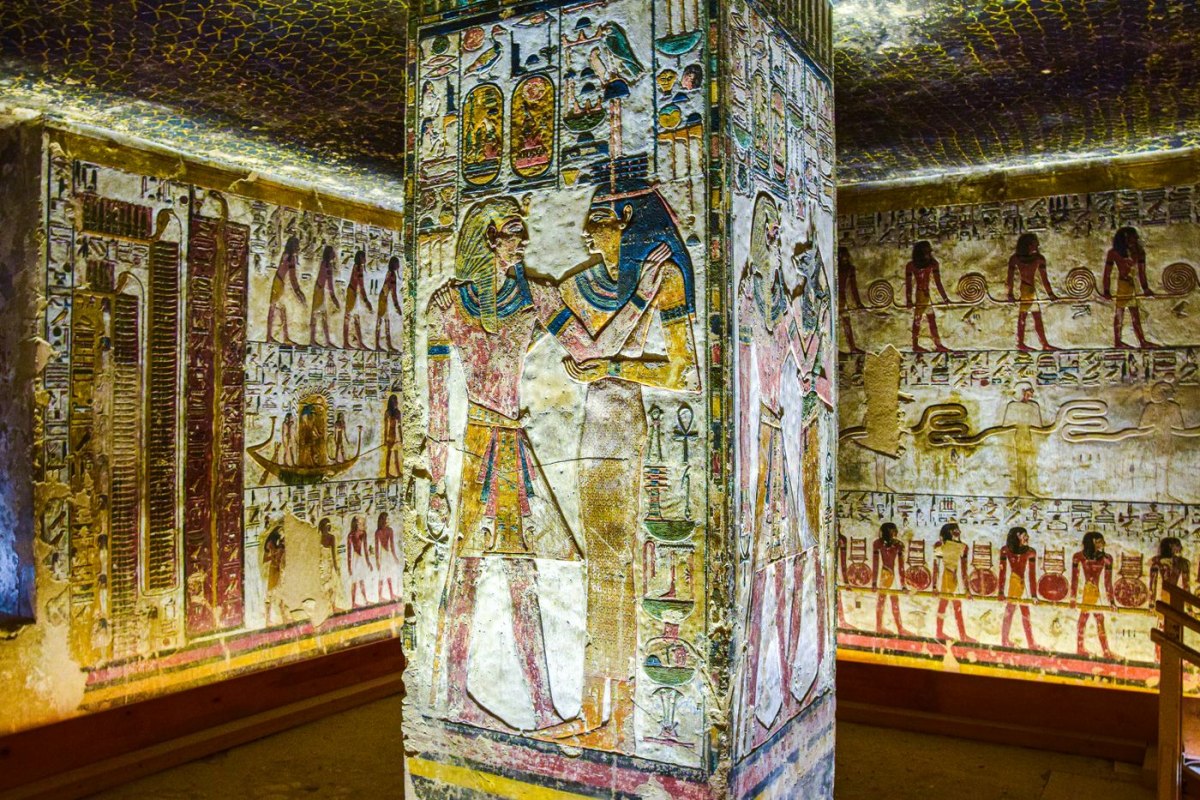
Egyptian religion did contain a powerful rebirth concept, just not at the individual human level. The sun god Ra was reborn every morning at dawn, sailed across the sky in the day-barque called the Mandjet, descended into the Duat at sunset, fought the chaos serpent Apophis through the twelve hours of night in the night-barque called the Mesektet, and was reborn at the eastern horizon at the next dawn. This cycle ran without end, day after day, and structured the entire Egyptian conception of time.
The deceased pharaoh, and by later democratisation any deceased Egyptian, hoped to join Ra’s barque during the night journey and to share in the daily rebirth at dawn. The funerary text known as the Amduat, the “Book of What is in the Duat”, maps Ra’s twelve-hour night journey hour by hour and gives the deceased the knowledge needed to participate. Tombs of the New Kingdom pharaohs in the Valley of the Kings, including the burial chamber of Seti I (tomb KV17), carry the Amduat scenes across the walls of the burial chamber so the deceased could read along with Ra each night.
This solar rebirth is divine and cosmic, not personal in the human sense. A deceased Egyptian could join Ra’s daily cycle, but they were not reborn into a new human body. The cycle belonged to the god. The confusion between this cosmic rebirth and Greek metempsychosis is one of the reasons Herodotus could mistake Egyptian religion for a transmigration system, even though the structure is fundamentally different.
The Working Egyptian Afterlife System
Egyptian funerary belief evolved across more than three thousand years of recorded religious practice from the Early Dynastic Period of around 3100 BCE through the Roman period. The basic shape of the system stayed recognisable across that span.
After death the deceased travelled through the Duat, the underworld, where they faced a series of guardians and trials before reaching the Hall of Two Truths. There the heart of the deceased was weighed against the feather of Maat, the goddess of truth and order, by the jackal-headed Anubis under the supervision of Thoth.
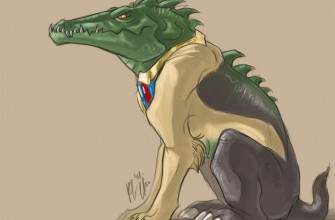
A heart equal to or lighter than the feather meant the deceased had lived in accordance with maat and would pass into the Field of Reeds. A heavier heart was eaten by the demon Ammit, part crocodile, part lion, part hippopotamus, ending the existence of the deceased permanently. The Egyptians took elaborate steps to prepare for this judgement, including the Negative Confession, a list of 42 declarations of innocence read by the deceased before 42 assessor gods, each assessor associated with a specific Egyptian nome or province and with a specific category of misconduct. The Negative Confession is the most procedurally detailed judgement text in any ancient religion and survives in dozens of variant copies across Book of the Dead manuscripts.
The funerary equipment of a tomb served the practical needs of this continued existence, with food offerings, model houses, model boats, model fields, and small servant figures called shabti placed in the burial chamber. The body itself was preserved through mummification so that the ka would have a recognisable home to return to.
The Three Funerary Text Traditions
The Egyptian funerary literature evolved through three great traditions across two thousand years, with each tradition broadening access from the king alone to the wider population.
Pyramid Texts, around 2350 to 2100 BCE
The oldest religious texts in human history. Carved on the interior walls of Old Kingdom pyramids at Saqqara, starting with the pyramid of King Unas of the 5th Dynasty around the 24th century BCE. The collected corpus across the surviving pyramids contains 759 numbered utterances, spells and ritual instructions intended to protect the king’s body, reanimate it after death, and guide it to a place among the imperishable circumpolar stars. The Pyramid Texts predate the Hebrew Bible by more than a thousand years, the Hindu Vedas by several centuries, and all surviving Greek and Latin literature by an even longer margin. James P. Allen’s modern English translation, published in 2005, is the standard reference work for the corpus.
Coffin Texts, around 2100 to 1700 BCE
During the First Intermediate Period and the Middle Kingdom, the funerary corpus expanded and migrated from royal pyramid walls to private wooden coffins. About 1,185 distinct spells appear across the surviving coffins, with significant overlap with the Pyramid Texts plus a large body of new material. The Coffin Texts represent a democratisation of the afterlife: any wealthy noble or official could now commission a coffin inscribed with the protective spells previously reserved for the pharaoh. The shift marks a fundamental change in who could become an Akh.
Book of the Dead, around 1550 BCE onward
Properly called Rew nu Peret em Heru, “Spells of Coming Forth by Day”. A papyrus collection of around 192 numbered spells in the standardised New Kingdom recension, developed from the Coffin Text material and further democratised by being commissioned on papyrus rather than on stone or wood. Any literate or moderately wealthy Egyptian could now order a Book of the Dead from a temple scriptorium, with their name inserted into the formulas. The Ptolemaic period later produced the shorter Books of Breathing, a condensed funerary papyrus for ordinary burials. The chain from Unas to the Ptolemaic Books of Breathing covers more than two thousand years of continuous funerary literature, the longest such tradition in any culture.
The Akhenaten Break
Egyptian funerary religion ran almost without interruption for three thousand years. The single notable exception was the religious revolution of Akhenaten in the middle of the 18th Dynasty.
In his fifth regnal year, around 1346 BCE, Pharaoh Amenhotep IV changed his name to Akhenaten and shifted state worship from the traditional pantheon to the solar disc Aten. He moved the capital from Thebes to a newly built city called Akhetaten, today known as Amarna. He persecuted the cult of Amun, defaced inscriptions of Amun’s name across the kingdom, and reshaped the religious sphere to centre on the king and the king’s family as the unique intermediaries between Aten and the people.
For the afterlife this was a fundamental break. The Osiris cult and the standard funerary literature were set aside in favour of a new theology in which the deceased’s continued existence depended on royal favour and on proximity to the king’s tomb at Akhetaten. Tombs at Amarna replaced the standard Book of the Dead scenes with images of the royal family worshipping Aten, and the entire Osiris-template logic vanished from the elite funerary record for roughly seventeen years.
After Akhenaten’s death his successors moved the capital back to Thebes, restored the Amun priesthood, and demolished the Aten temples. Later king lists omitted Akhenaten’s reign entirely, and his name was hacked off monuments across Egypt. This treatment was itself an Egyptian theological act: by erasing the Ren, later pharaohs attempted to end Akhenaten’s continued existence in the afterlife, the same logic that ordinary Egyptians invoked when they protected their own names in tomb inscriptions. The Osiris-template afterlife resumed under Tutankhamun and his successors and continued without further interruption through the Roman period.
Mummification, Tombs, and Surviving Papyri
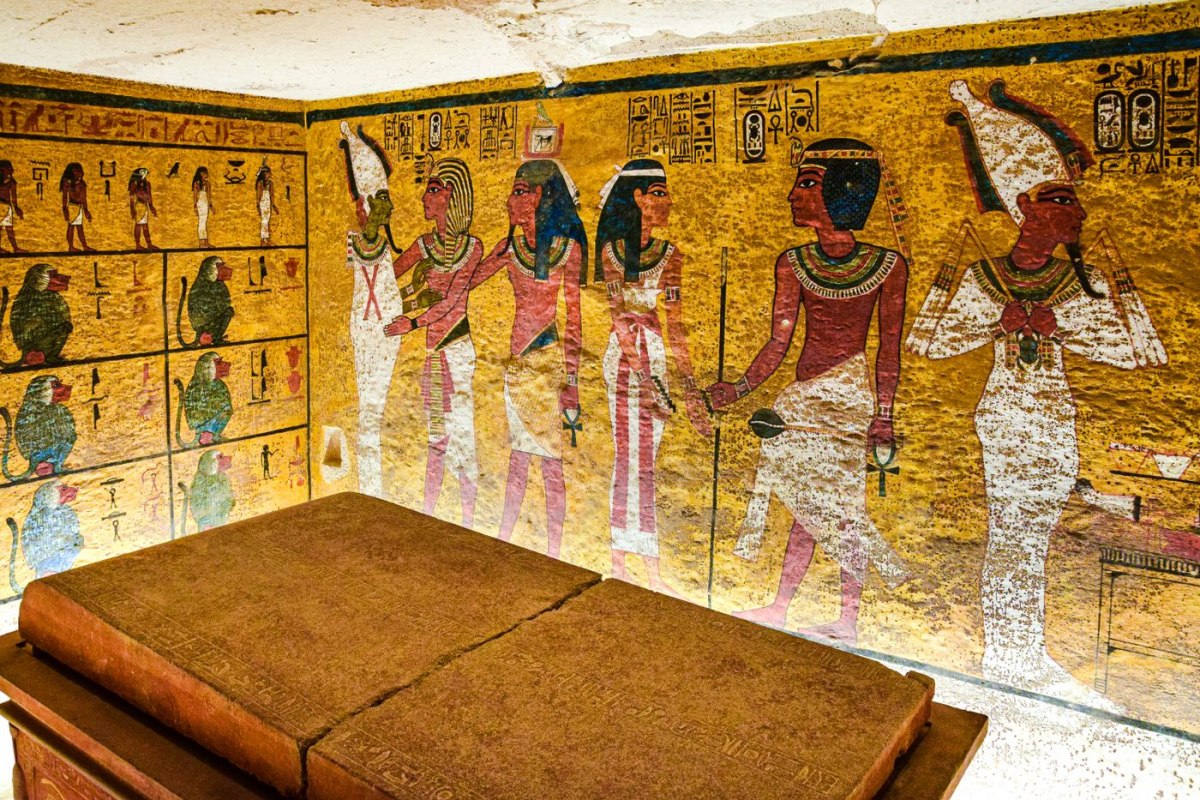
The logic behind Egyptian funerary practice becomes clear once the afterlife system is understood as a continuation rather than a rebirth. Every step of the process aimed to keep the deceased’s identity intact for an indefinite period in the Field of Reeds.
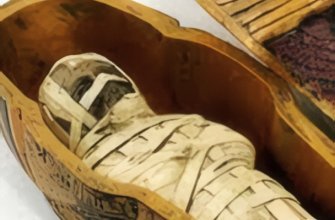
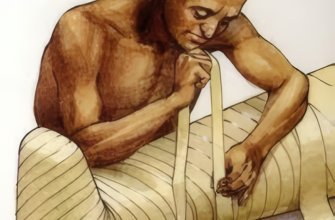
Mummification preserved the Khat so that the Ka and Ba would recognise their host. The full process took roughly seventy days. Embalmers removed the internal organs and stored them in four canopic jars, each protected by one of the four sons of Horus. They dried the body with natron salt, packed it with linen and resins, and wrapped it in layers of linen bandages interspersed with protective amulets. The heart was left inside the body because the Egyptians understood it as the Ib, the seat of intelligence and memory, the organ that would be weighed against the feather of Maat in the Hall of Two Truths.
Tomb design served the Ka’s needs after burial. Offering chapels built above or beside the burial chamber allowed living relatives and temple priests to leave food, drink, and incense for the deceased. Wall paintings inside the tomb showed scenes of daily life, religious symbols, agricultural work, and feasting, all intended to sustain the Ka through ritual power if physical offerings stopped. The false door, a carved stone panel set into the chapel wall, served as the boundary between the living and the dead, the point where the Ka could cross over to receive offerings.
Shabti figures, small carved servants usually made from faience or wood, were placed in the tomb to perform manual labour on behalf of the deceased in the afterlife. Wealthy burials from the New Kingdom onward could contain hundreds of shabtis, one for each day of the year plus overseers. The goddess Hathor, associated with the western mountains where the dead entered the underworld, was depicted on many tomb walls welcoming the deceased into the afterlife.
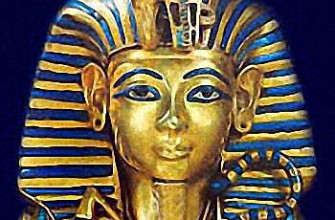
Three named monuments and one named papyrus stand out as the best-preserved windows into this system. The tomb of Tutankhamun, KV62 in the Valley of the Kings, discovered by Howard Carter in 1922, is the only royal burial recovered substantially intact, with its full funerary equipment in place including the famous gold mask now displayed at the Grand Egyptian Museum near the Giza pyramids. The tomb of Seti I, KV17, carries the most complete set of New Kingdom funerary text scenes including the Amduat and the Book of Gates. The tomb of Queen Nefertari, QV66 in the Valley of the Queens, holds the finest surviving New Kingdom funerary paintings. The Papyrus of Ani, prepared around 1250 BCE for the Theban scribe Ani and now held by the British Museum as inventory EA10470, is the most complete and finest preserved Book of the Dead manuscript. The British Egyptologist E. A. Wallis Budge acquired it in the 1880s and cut the original 78-foot scroll into 37 sheets to ease transport to London, an editorial decision that drew sharp criticism from later conservators.
Modern Egyptology and Egyptian Academic Voices
The serious modern study of Egyptian funerary religion runs through Egyptologists who read the original hieroglyphic and hieratic sources rather than through summaries that translate Egyptian categories into the vocabulary of other religious traditions. The international field rests on a small number of standard reference works.
Jan Assmann, the German Egyptologist whose work on death and salvation in ancient Egypt has shaped the field for several decades, treats Egyptian funerary religion as a distinctive system that requires its own analytical vocabulary. James P. Allen, author of the standard English-language editions of the Pyramid Texts and the Coffin Texts, takes a similar position. Erik Hornung and Raymond Faulkner produced authoritative editions of the Books of the Afterlife and of the Book of the Dead that stand as the English-language reference set for the subject.
The modern Egyptian academic establishment has produced a generation of scholars who pair native-language access to the Arabic-language scholarship with full engagement in international Egyptology. Salima Ikram, professor of Egyptology at the American University in Cairo, is the leading specialist on Egyptian mummification practices and on animal mummies, with extensive fieldwork across Egyptian sites and a long publication record including the standard reference Divine Creatures on animal mummification. Zahi Hawass, former Minister of Antiquities, has led major excavations at Saqqara, Giza, and the Valley of the Kings, including the 2010 CT-scan studies that revised the medical history of Tutankhamun and the 2021 announcement of the New Kingdom city near Luxor. Ola El Aguizy, professor at Cairo University, directed the Saqqara excavations that found the tomb of Ptahemwia, scribe to Tutankhamun, and co-edited the proceedings of the Twelfth International Congress of Egyptologists held in Cairo in 2019. Mostafa El-Damaty, also a former Minister of Antiquities, has written extensively in Arabic on burial practices and on the conservation of Egyptian monuments.
Visitors to Egypt today can see the original sources at the Egyptian Museum in Tahrir Square in Cairo, the Grand Egyptian Museum near the Giza pyramids that opened to the public in stages from 2024 onwards, and at the major foreign collections in the British Museum, the Louvre, the Metropolitan Museum of Art in New York, and the Egyptian Museum in Turin. The single best entry point for a curious reader who wants the actual Egyptian framework rather than the Greek summary is a modern translated edition of the Book of the Dead read alongside an Egyptological commentary.
Egyptian afterlife ideas sit inside a larger religious framework covered in our ancient Egyptian mythology guide, which walks through the major gods, the weighing of the heart, and the Duat underworld.
Frequently Asked Questions
Did the Egyptians believe in reincarnation?
No, not in the standard sense the term carries in Hindu or Buddhist traditions. Egyptian funerary religion taught a continued personal existence after death in the Field of Reeds, reached through the Osiris-template transformation of the deceased into an Akh, a glorified eternal spirit. The link with reincarnation in popular Western writing comes from a single passage in Herodotus that modern Egyptologists treat as a Greek misreading. The closest thing to a rebirth concept in Egyptian religion was the daily solar rebirth of Ra, which was cosmic and divine rather than individual and human.
What were the nine parts of the Egyptian soul?
Egyptian theology recognised nine components: Khat (the physical body), Ka (life force), Ba (personality), Akh (transfigured spirit, the goal of the funeral), Sahu (judged spiritual body), Ib (heart and conscience), Sekhem (vital power), Ren (name), and Shuyet (shadow). Eight of these were considered immortal. The Khat was preserved through mummification so the Ka and Ba could continue to recognise it. The Ren had to be preserved in inscriptions because the Egyptians held that a person continued to exist as long as their name was spoken or written.
What did the ancient Egyptians believe happened after death?
The deceased travelled through the Duat, the underworld, faced a series of trials, and reached the Hall of Two Truths. There Anubis weighed the heart against the feather of Maat. A heart equal to or lighter than the feather allowed the deceased to enter the Field of Reeds as a Sahu spiritual body and eventually to become an Akh. A heavier heart was devoured by the demon Ammit, ending existence permanently. The Negative Confession, a list of 42 declarations of innocence before 42 assessor gods, was the procedural centrepiece of the judgement.
What is the role of Osiris in the Egyptian afterlife?
Osiris functions as the divine template for every human death and resurrection. The myth of his murder by Set, his reassembly by Isis, his first embalming by Anubis, and his enthronement as ruler of the dead became the script that every Egyptian funeral re-enacted. The deceased was identified with Osiris by name in funerary formulas from the Middle Kingdom onward. The transformation arc, dying, being reassembled and preserved, then returning in a new mode of existence, is the closest Egyptian parallel to what Western readers call rebirth.
Why did Egyptians mummify the dead?
Mummification preserved the physical body, the Khat, so that the Ka (life force) and Ba (personality) could recognise it as a home and return to it in the afterlife. Egyptian theology held that the self continued to exist after death only if all nine components stayed intact. A decayed body meant the Ka had no recognisable home, and the deceased risked permanent destruction. The embalming process took around seventy days and involved removing internal organs into canopic jars (except the heart, the Ib, which was left in place for judgement), drying the body with natron salt, and wrapping it in linen bandages with protective amulets.
What is the Field of Reeds?
The Field of Reeds, called Aaru or Sekhet-Aaru in Egyptian, was the afterlife paradise reached by deceased Egyptians who passed the judgement of the Hall of Two Truths. It was understood as an idealised version of the lived Egyptian landscape with fertile fields, abundant grain, and continued daily life. Shabti figures placed in tombs would perform manual labour for the deceased there, freeing them to enjoy the eternal life they had earned through judgement.
What was the Akhenaten religious break?
In his fifth regnal year, around 1346 BCE, Pharaoh Akhenaten replaced the traditional Osiris-centred funerary religion with the cult of the solar disc Aten and moved the capital from Thebes to Akhetaten at modern Amarna. For about seventeen years the Osiris template was set aside and afterlife depended on royal favour rather than on the judgement of Maat. After Akhenaten’s death his successors restored the traditional religion and erased his name from monuments, themselves invoking the Egyptian theology of the Ren by attempting to end his continued existence in the afterlife.
Where can you see the original Egyptian funerary sources today?
The Papyrus of Ani is held by the British Museum in London. The richest collections of mummies, coffins, and Book of the Dead papyri are at the Egyptian Museum in Tahrir Square in Cairo and the Grand Egyptian Museum near the Giza pyramids, with major holdings also in the Louvre, the Metropolitan Museum of Art, and the Museo Egizio in Turin. The royal tombs themselves, including Seti I in tomb KV17 and Nefertari in tomb QV66, can be visited in the Valley of the Kings and the Valley of the Queens at Luxor.
Sources and Further Reading
- Jan Assmann. Death and Salvation in Ancient Egypt. Cornell University Press, 2005. The standard modern academic treatment of Egyptian funerary religion as a distinctive system.
- James P. Allen. The Ancient Egyptian Pyramid Texts. Society of Biblical Literature, 2005. Standard English-language translation of the Pyramid Texts corpus.
- Raymond O. Faulkner. The Ancient Egyptian Book of the Dead. British Museum Press, with introduction by Carol Andrews. Reference English edition of the Book of the Dead.
- Erik Hornung. The Ancient Egyptian Books of the Afterlife. Cornell University Press, 1999. Comprehensive survey of the Amduat, the Book of Gates, and the other New Kingdom underworld texts.
- Salima Ikram. Divine Creatures: Animal Mummies in Ancient Egypt. American University in Cairo Press, 2005. Standard reference on the Egyptian mummification of animals and on the religious logic that produced millions of animal mummies.
- Papyrus of Ani, British Museum inventory EA10470. The most complete surviving Book of the Dead manuscript, prepared around 1250 BCE for the Theban scribe Ani. British Museum catalogue entry
- Grand Egyptian Museum, Giza, and Egyptian Museum, Tahrir Square, Cairo. The two largest collections of Egyptian funerary material in the world. Grand Egyptian Museum official site
- Muassasat Hindawi (Hindawi Foundation). Osiris and the Doctrine of Immortality in Ancient Egypt, in Arabic. A modern Arabic-language treatment of the Egyptian resurrection belief, distinguishing al-baath wa al-khulud from tanasukh. hindawi.org
\t