
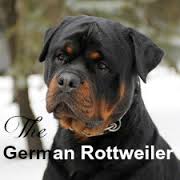
German Rottweilers receive names from a tradition that dates back to the medieval butchers of Rottweil who gave each working dog a single-syllable name the dog could recognise over the noise of a market street. Short, consonant-heavy names still work best for the breed because they carry through the double coat and over the distance a working Rottie often covers. This guide surveys traditional Germanic names that suit the breed’s working heritage, shorter practical names for daily commands, literary and historical references common in German kennels, and the ADRK litter-letter system that shapes the formal registered name of every German-line pup.
Why Name Choice Matters for Rottweilers
A dog hears its name several thousand times a year, and the sound pattern affects training quality. Rottweilers respond best to names of one or two syllables with hard consonants at the start or middle, because these sounds carry through ambient noise better than soft vowel-heavy names.
Short hard-sound names also separate cleanly from command cues. A dog named Cody struggles to distinguish its own name from the command come, and a dog named Phil hears every fill, fell, and feel spoken nearby. Names like Kai, Max, Rex, Balto, and Helga avoid these collisions.
The name also shapes public perception, which matters for a breed that already carries reputational baggage. A Rottweiler named Killer or Ripper draws hostile reactions on neighbourhood walks regardless of how stable the dog is, and some US jurisdictions and homeowner insurance policies specifically ask about dog names during risk assessments.
Traditional Germanic Names
Names rooted in Old High German, Middle High German, and modern German fit the breed’s national origin. Many of these names carried meaning as warrior, protector, or noble qualities the breed was selected for.
Male names from Germanic tradition:
- Adler (eagle), paired with the old German heraldic tradition
- Arno (eagle-wolf), short and commanding
- Bruno (brown), one of the oldest continuously used German names
- Dieter (people’s ruler), strong and clearly articulated
- Emil (rival), short and practical for daily use
- Hans (God is gracious), the classic short German name
- Klaus (victory of the people), hard consonants throughout
- Lutz (famous warrior), one-syllable call
- Otto (wealth), crisp and memorable
- Rolf (famous wolf), works at distance calls
Female names with Germanic roots:
- Astrid (divine strength)
- Elke (noble), short and distinctive
- Frieda (peace)
- Gerta (enclosure, protected space)
- Heidi (nobility)
- Ilse (God’s promise), short and carrying
- Kira (dark haired)
- Minka (strong-willed)
- Petra (rock, stone), fits the breed’s solid bearing
- Ursa (bear), suits the stockier females
The ADRK Litter-Letter Rule
German-registered Rottweilers carry a formal registered name beginning with a specific letter assigned by the ADRK to that kennel’s current litter. The system runs through the alphabet in sequence, so a kennel’s first litter of the year might be named with A initial, the second with B, and so on.
The formal name has two parts. The first is the call name chosen by the breeder, always starting with the assigned letter. The second is the kennel suffix, which identifies the breeder in every pedigree for the dog’s lifetime. Examples include Aiko von der Hinterberg, Baldur vom Bruckenblick, Camaro aus der Scherau.
Buyers almost always use a different call name around the house while the ADRK formal name remains on pedigree papers, show entries, and working titles. A dog registered as Emilio vom Rottweiler-Hof might go by Milo day to day, which gives owners flexibility without breaking the breeding club record.
Literary and Historical References
German literature, mythology, and history offer a deep pool of names well-suited to the breed’s bearing. These names carry weight when called across a park and often come with a story the owner can tell visitors.
From Norse and Germanic mythology, Thor, Odin, Freya, Loki, Baldur, and Tyr all fit the breed. From Wagner’s Ring Cycle, Siegfried, Brunhild, Wotan, and Fafnir carry the operatic weight that suits a 100-pound working dog. Historical figures like Kaiser, Bismarck, Friedrich, Wilhelm, and Luther pull from German political and religious history, though owners should consider current sensitivities before settling on names tied to specific regimes.
Place names from Germany work well as Rottweiler names, especially those with hard consonants. Berlin, Aachen, Munich rarely appear as dog names because they sound too abstract, but regional names like Rottweil, Stuttgart, Hamburg, and Nuremberg occasionally show up on kennel pedigrees and make distinctive call names.
Names From the Working Dog World
Working Rottweilers compete in IGP sport, tracking, and obedience trials across Europe and North America, and a subset of names appears repeatedly in the working lines. These names have earned their place through dogs that titled at high levels and shaped the breeding pool.
Male working-line names include Ivo, Ingo, Dago, Gero, Egon, Falko, and Nero. Each has appeared multiple times as a sire name in ADRK working pedigrees over the last fifty years. Female working names include Kira, Quora, Britta, Carmen, Daphne, and Tara.
Owners with serious sport ambitions sometimes pick a name deliberately associated with a notable sire or dam in the pedigree to signal the dog’s intended working direction. The effect is cultural rather than mechanical, since the name does not change the dog, but it marks the owner as engaged with the breeding heritage.
Practical Rules for Choosing a Name
A few mechanical criteria separate names that work from names that frustrate handler and dog.
Keep the length short. One or two syllables carries better than three, and the dog responds faster to shorter sounds in training. Test the name by calling it across a park at 30 metres and listening to how it cuts through wind and traffic noise.
Avoid sound overlap with common cues. Sit, down, come, stay, leave, heel, and place need clean separation from the dog’s name. A name that rhymes with a command slows response time and adds handler frustration during daily drills.
Consider the dog’s lifetime. A puppy name that sounds cute at eight weeks may feel inadequate when the adult dog weighs 100 pounds and looks like a gladiator. Names like Fluffy, Bubbles, and Princess rarely age well on Rottweilers. Testing the name mentally against an adult dog rather than a puppy avoids most regrets.
Households with multiple dogs need names that sound clearly different from one another. Rex and Rhett, or Luna and Lucy, blur in everyday calls and slow both dogs’ response. Pick names that differ in the first syllable and vowel sound, rather than only at the second or third character.
A final practical check is how the name sounds when shouted urgently. A dog sprinting toward a road needs to respond to a single hard call, and names that end in vowel sounds often carry poorly across distance. A harder-ending name like Bruno, Klaus, or Kira projects better than a softer one like Bailey or Daisy.
Frequently Asked Questions
Does the registered name need to match the call name?
No. The ADRK registered name goes on paperwork, pedigree, and trial entries. Owners use whatever call name they prefer at home, and changing call names is common during the first month as the family settles on what suits the dog.
Can I rename an adopted adult Rottweiler?
Yes, with a short transition. Dogs adopted from shelters or rescues often come with names imposed by staff and adapt to a new call name within two to four weeks when the new name is paired with meals and greetings.
Are German-language names confusing for training?
Not if the handler is consistent. Many working Rottweilers take commands in German (Sitz, Platz, Hier, Fuss) regardless of where they live, because the German cues stay distinct from English household conversation. Mixing German commands with an English call name works fine.
Should the name match the dog’s coat or personality?
Personality matching works better than coat matching because coat patterns are similar across the breed while personalities differ widely. Wait a week or two with a puppy before finalising the name if possible, to see which of several candidates fits the emerging character.
Are any names legally restricted for dogs in Germany?
Germany has no dog-name restrictions, but the ADRK letter-assignment system effectively controls first letters for registered litters. Some US jurisdictions restrict threatening names on pet licensing applications, though enforcement is rare.
For the adult breed context that shapes a name choice, see our German Rottweiler guide. Puppy selection and early handling that the name accompanies is covered in Rottweiler puppies. For breeding-side pedigree conventions, read Rottweiler breeding facts, and for female-specific temperament see female Rottweilers.
Sources and Further Reading
- Allgemeiner Deutscher Rottweiler Klub, Zuchtbuch and litter naming system
- Deutsches Namenbuch, reference work on German given names
- Fédération Cynologique Internationale, breed registration conventions
- American Rottweiler Club, naming and registration guidelines
- Working dog pedigree archives maintained by IGP federation members