Most German Shepherds reach adult size by 12 months but keep growing mentally until 24 or even 36 months. That gap between a body built for work and a mind still learning manners is the core challenge of training this breed. Owners who read the timeline right, split sessions into short focused drills, and hold the rules across the whole household end up with a stable working dog. Those who skip socialisation between 8 and 16 weeks or rely on punishment often raise a large, anxious animal. This guide walks through the full training timeline from the first puppy kindergarten class through advanced obedience and Schutzhund work, with the commands, milestones, and mistakes that shape each stage.
Why German Shepherds Learn Faster Than Most Breeds
The breed was designed for trainability. Max von Stephanitz, the cavalry officer who founded the Verein fur Deutsche Schaferhunde in 1899, selected sires and dams for obedience, tracking ability, and courage before coat or colour. Every litter registered with the club had to meet working standards, so the genetic baseline skews toward dogs that want a job.
On the American Kennel Club intelligence rankings compiled by Stanley Coren, German Shepherds sit in the top three for working and obedience intelligence. The practical meaning is simple: a well-bred GSD learns a new command in under five repetitions and obeys a known command on the first cue around 95 percent of the time.
That intelligence cuts both ways. A bored, untrained shepherd invents its own jobs. Door guarding, resource guarding, and compulsive herding of children all trace back to a dog that needed structured work and did not get it. The training plan below assumes daily, short sessions rather than a weekend boot-camp approach.
Puppy Kindergarten: 8 to 16 Weeks
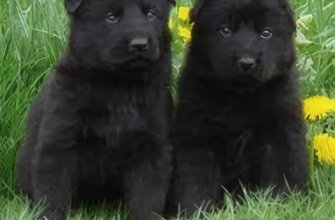
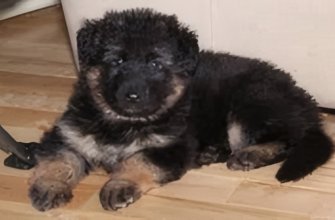
The socialisation window closes around 16 weeks. During this period the puppy forms core associations with strangers, other dogs, traffic, vet handling, and surfaces. Miss it and adult reactivity becomes harder to fix.
Start formal classes at 12 weeks, after the second round of core vaccines. Kindergarten groups focus on off-lead play with other pups, gentle restraint handling, and name recognition. Keep sessions under ten minutes at home, three or four times a day.
Commands to introduce in this window:
- Name response: puppy turns head and makes eye contact when its name is called
- Sit: lured with food, paired with a clear verbal cue
- Come: practised on a six-foot line in low-distraction rooms
- Down: luring from sit, rewarding the moment elbows touch the floor
- Handling drills: paws, ears, mouth, tail examined daily with treats
Physical drills matter less than mental exposure at this age. The growth plates of a German Shepherd stay open until 18 to 24 months, so avoid forced running, long walks, or repetitive jumping. Brain games, short leash work on varied surfaces, and controlled greetings do more for future obedience than any physical drill.
Core Obedience: 4 to 12 Months
By four months the shepherd has the attention span for structured drills. Shift from luring to shaping, where the handler waits for the dog to offer a behaviour and then rewards it. Shaping builds a dog that thinks rather than a dog that only follows food.
Add the following layer during this phase. Heel position taught at walking pace using the left side. Stay extended from five seconds to three minutes in steps, with the handler stepping further away each success. Leave-it drilled with low-value items first, then high-value food on the floor. Recall polished on a long line in open spaces with distractions added gradually.
Feeding structure reinforces the pack order without intimidation. The dog eats after the handler prepares the bowl, sits on cue, and waits for release. That single habit cements hierarchy without any confrontation.
Session length should stay under 15 minutes at this age. Shepherds flood with cortisol during long drills, and a flooded dog locks up rather than learns. Three short sessions beat one long one every time.
Adolescence: 6 to 18 Months
Around eight months many German Shepherds test every rule they have learned. This is normal. The adolescent brain prunes neural connections, and cues that looked solid last month wobble for a few weeks.
The worst response is escalation of punishment. The effective response is going back two or three steps in the training plan, tightening criteria, and rewarding more often. Shepherds at this stage also need outlets for drive. Tug on a bite pillow, scent work with hidden toys, and low-height agility all channel the energy that would otherwise turn into fence-line patrolling or destructive chewing.
Public exposure needs careful pacing in adolescence. Force a shy eight-month-old into a crowded farmers market and you create a reactive adult. Work at distance first, closer only when the dog shows relaxed body language.
Advanced Work: Schutzhund, Tracking, and Protection
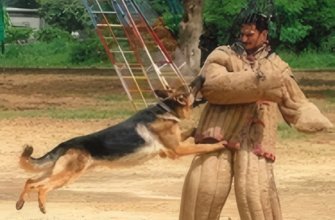
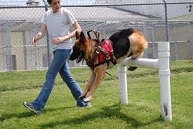
The Schutzhund sport, renamed IPO and then IGP, remains the breeding standard for working-line shepherds in Germany. A titled dog passes three phases: tracking a scent laid 20 minutes earlier across multiple turns, off-lead obedience including sends and retrieves over a one-metre hurdle, and controlled protection work against a padded decoy.
Tracking draws on the breed’s scenting ability, which also powers cadaver work and detection roles. The dog learns to follow a footstep track slowly and methodically, indicating articles dropped along the way. Start with short tracks aged 15 minutes in low grass, paid with food at each article.
Protection training belongs with a certified trainer. A club dog trained by hobbyists often ends up dangerous rather than controlled. German clubs operate under strict temperament rules, and any dog showing nervous aggression fails out rather than progresses.
Common Mistakes That Undo Good Training
Several patterns repeat across shepherds that end up in rescue or rehoming. The first is inconsistent cues. One family member says sit, another says sit down, another says park it. The dog chooses to ignore all three because none carry a reliable consequence.
A second pattern is late or emotional correction. A shepherd that chewed a shoe three hours ago cannot connect the shouting to the shoe. Owners who correct after the fact teach the dog that the human is unpredictable.
Physical under-exercise combined with mental over-stimulation is a third. A dog crated ten hours a day and then dragged on a two-hour walk arrives wound up rather than tired. Shorter structured sessions spread across the day, with scent games and obedience drills mixed in, produce a calmer adult.
Relying on aversive tools as a shortcut breaks the partnership. Shock collars and prong collars suppress symptoms without teaching replacement behaviour. A shepherd trained with markers, food, toy play, and clear criteria performs more reliably in novel environments than one trained with pain.
A fifth trap is skipping socialisation after the puppy window closes. Adult shepherds need ongoing exposure to new people, surfaces, and environments, even at five or six years old. Dogs that live in the same backyard and meet the same three humans for a year will regress on public manners regardless of how solid their early training was.
Frequently Asked Questions
When should German Shepherd training start?
The first week the puppy arrives home, usually at eight weeks. Name response, potty routine, crate comfort, and gentle handling drills all start on day one. Formal classes begin at 12 weeks after the second vaccine round.
How long should a training session last?
Five to ten minutes for puppies under four months, 10 to 15 minutes through adolescence, 20 to 30 minutes for adults. Three short sessions per day outperform one long session because the shepherd retains criteria better in fresh focus.
Are shepherds too aggressive for first-time owners?
Working-line shepherds with high drive suit experienced handlers. Show-line shepherds from reputable breeders often suit committed first-time owners who take classes, read the breed literature, and commit to daily structured work. Pick the line before the puppy.
Can German Shepherds learn tricks or only obedience?
Trick training uses the same marker and reward system as formal obedience and keeps the dog mentally engaged. Spin, bow, shake, and retrieve cues all strengthen focus and build the vocabulary the dog uses during serious work.
What if my shepherd regresses during adolescence?
Back up two steps in the plan, shorten sessions, raise the reward rate, and keep cues crisp. Adolescent regression resolves within four to eight weeks with consistent reinforcement. Avoid adding new commands until the old ones are reliable again.
If you are also weighing the breed against other working dogs, our German Shepherd versus Belgian Malinois comparison covers drive, trainability, and household fit. For health and timing of physical work, see our growth timeline of the German Shepherd. Handlers considering police or protection paths should read our overview of German Shepherds in police service.
Sources and Further Reading
- Verein fur Deutsche Schaferhunde, SchH and IPO rule books
- Working Dog Federation (FCI), IGP regulations
- American Kennel Club, German Shepherd Dog breed standard
- Stanley Coren, The Intelligence of Dogs, revised edition
- United Schutzhund Clubs of America, trial entry rules