Irish Christmas food runs on things made weeks ahead and eaten over days: a cake fed with whiskey since November, a pudding set alight at the table, and in Cork a joint of spiced beef cured for the best part of a week. The turkey may be the centrepiece now, but the dishes that make an Irish Christmas distinct are the older ones around it, tied to the Catholic calendar of fast and feast and to customs like the Wren Day that still run in Kerry. This guide maps the traditional Irish Christmas table and the recipes that fill it.
Spiced beef, the Cork Christmas
The most distinctly Irish Christmas dish belongs to Cork. Spiced beef is a joint, usually silverside or brisket, cured for days in a mix of salt, pepper, allspice, cinnamon, cloves and sometimes saltpetre, then slowly boiled or baked and served cold in thin slices. The tradition reaches back to the sixteenth and seventeenth centuries, when Cork was one of the largest beef-exporting ports in the world and curing was how beef was preserved for long sea voyages. That heritage stuck to the city, and to this day the queue for spiced beef at Cork’s English Market in the days before Christmas is part of the season. It is eaten sliced on brown bread with a smear of horseradish or a spoon of chutney, the cold cut that sees a Cork household through the days after Christmas Day.
The Christmas cake and the pudding
Two rich fruit bakes anchor the Irish Christmas, both made well ahead and both soaked in spirit.
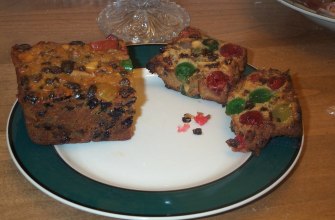
- The Christmas cake is a dark fruit cake, the fruit often soaked in whiskey overnight before baking, then fed with a spoonful of whiskey every week or two through Advent and finally covered in marzipan and royal icing. It is the same family as the porter cake, made to keep and to improve with age.
- The plum pudding, the Irish name for Christmas pudding, is a steamed dome of suet, dried fruit and spice, soaked in brandy or whiskey and traditionally set alight as it comes to the table, the flames burning off the alcohol in a blue glow. It is made on Stir-Up Sunday before Advent, with every member of the family taking a turn to stir and make a wish.
Both rely on the long keeping power of dried fruit and spirit, the same logic that runs through Irish baking all year, and both are started weeks before the day.
The Catholic calendar of fast and feast
The shape of the Irish Christmas was set by the Church. Christmas Eve was traditionally a day of abstinence, with no meat eaten before the feast, so the meal was a simple one of fish, often salmon or cod in a white sauce, or a plain ling fish dish in older country households. That fast made the contrast of Christmas Day all the sharper, when the meat returned and the table groaned. The season ran through to the Epiphany on the sixth of January, known in Ireland as Nollaig na mBan or Women’s Christmas, when by custom the women rested and the men took over the house, a day still marked in parts of Cork and Kerry. The food followed the calendar: restraint, then feast, then the long tail of leftovers and cold cuts.
Saint Stephen’s Day and the Wren
The day after Christmas, the twenty-sixth of December, is Saint Stephen’s Day in Ireland, and it carries one of the country’s oldest surviving customs. On Wren Day, Lá an Dreoilín, groups called the Wren Boys, dressed in straw suits and masks, go from house to house with music, a tradition once tied to hunting a wren and now a lively procession, strongest in Dingle and the rest of County Kerry. The food of the day is the easy food of leftovers: cold spiced beef, slices of ham, the last of the pudding fried up, and whatever cake and brack are in the tin. After the labour of Christmas Day, Saint Stephen’s Day is deliberately undemanding at the stove, built on what was already cooked.
The festive baking
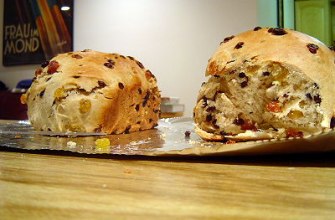
The Irish Christmas tin is deep. Beyond the cake and pudding, December baking runs to mince pies, small pastries of spiced dried fruit and suet that fill the tin through the month, and to slices of buttered barmbrack and porter cake for anyone who calls. Scones and biscuits fill the gaps. The baking begins early because so much of it keeps, and a well-run Irish kitchen would have the cake iced, the pudding steamed and the mince pies ready long before the day, leaving Christmas itself for the dinner.
A Christmas made weeks ahead
What marks the Irish Christmas kitchen out is how much of it is done long before the day. The cake is baked in November and fed with whiskey through Advent. The pudding is steamed on Stir-Up Sunday, the last Sunday before Advent, when tradition has every member of the household stir the mix and make a silent wish, and a coin is sometimes hidden inside for luck in the manner of the Halloween barmbrack. The spiced beef goes into its cure a week ahead. The mince pies are baked and tinned. By the time Christmas Eve comes, the hard work is finished and only the dinner itself remains. This habit of making ahead grew from necessity, in kitchens with one oven and no fridge, where food that kept was food that could be prepared when there was time, but it also built a long, slow run-up to the day that is part of the season’s pleasure. The smell of a cake baking or a pudding steaming through a cold November kitchen is, for many Irish people, the first sign that Christmas is coming.
The Christmas dinner
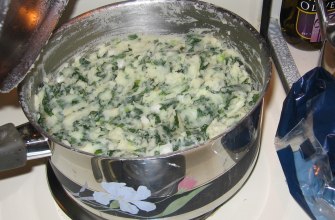
The main meal has shifted over time. For centuries the festive bird was a goose, roasted with a potato or sage-and-onion stuffing, and the goose still appears on traditional tables. The turkey, an American import, took over through the twentieth century and is now the standard, served with ham, roast and mashed potatoes, Brussels sprouts, and a bread or chestnut stuffing. Whatever the bird, the Irish touch is in the sides and the trimmings: floury roast potatoes, a heap of buttery mash or colcannon, and the spiced beef and cold ham waiting for the days that follow. A bowl of seafood chowder or smoked salmon often opens the meal.
To drink
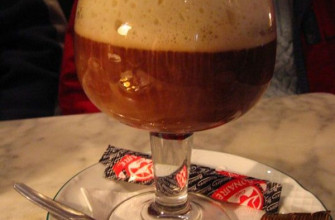
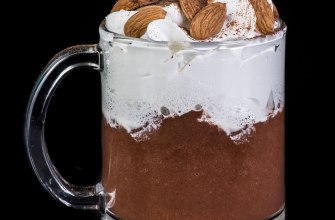
The Christmas drink leans warm and creamy. A glass of Irish cream, homemade in batches as a gift in December, is the season’s liqueur, and a hot Irish coffee ends the dinner. Mulled wine and hot whiskey, a measure of whiskey with cloves, lemon and boiling water, warm the cold evenings, and a bottle of stout or a glass of red sits with the meal. The hot whiskey doubles as the Irish cure for the winter colds that come with the season.
An Irish Christmas menu from the kitchen
For a Christmas built on traditional Irish food, the cluster has the supporting cast around the bird.
- To start: an Irish starter such as smoked salmon on brown bread, or seafood chowder.
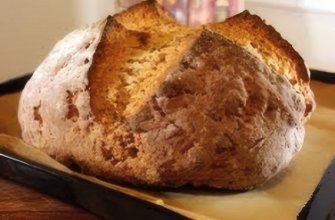
- The cold table: Cork spiced beef and ham, sliced thin on brown and soda bread.
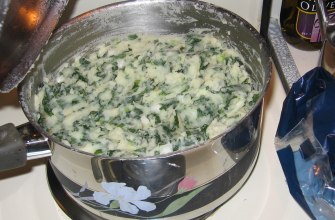
- The sides: colcannon and floury roast potatoes.
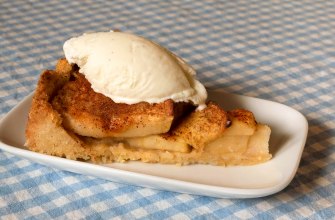
- The sweet: plum pudding, Christmas cake or porter cake, with apple cake and custard for a lighter finish.
- To drink: Irish cream, Irish coffee and hot whiskey.
The full method for each dish sits in the traditional Irish food guide.
Frequently asked questions
What is the traditional Irish Christmas dinner?
Now usually turkey and ham with roast potatoes and stuffing, though goose was the older festive bird. The distinctly Irish elements are Cork spiced beef, the whiskey-fed Christmas cake, the plum pudding, and colcannon or floury potatoes on the side.
What is spiced beef?
A Cork Christmas tradition: a joint of beef cured for days in salt and spices like allspice, cinnamon and cloves, then slowly cooked and served cold in thin slices on brown bread. It dates to Cork’s beef-exporting heyday in the sixteenth and seventeenth centuries.
What is Wren Day?
Saint Stephen’s Day, the twenty-sixth of December, when the Wren Boys in straw costumes go house to house with music, a custom strongest in Kerry. The food is leftovers: cold spiced beef, ham and the last of the pudding.
Why is Irish Christmas pudding set on fire?
It is soaked in brandy or whiskey, and setting it alight at the table burns off the alcohol in a brief blue flame, a piece of theatre that marks the end of the meal. The pudding is made weeks ahead and fed with spirit.
Sources
- The Irish Times, food, on spiced beef and old Irish Christmas dishes
- Tourism Ireland, Irish Christmas traditions
- Bord Bia, the Irish Food Board
- Dúchas, the National Folklore Collection of Ireland
- Fáilte Ireland, National Tourism Development Authority
- National Museum of Ireland, Country Life