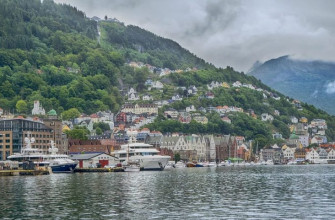
Oslo, the capital of Norway and home to roughly 700,000 people in the city proper and over a million in the wider metro area, is the oldest of the Scandinavian capitals. Founded around 1040 and granted city status in 1048, it carries nearly a thousand years of history under its modern surface. Its location at the head of an inlet known as the Oslofjord, framed by deep forests and rolling hills, ties this progressive Nordic city directly to its Viking past. Oslo holds some of the richest museum collections in Northern Europe, celebrated contemporary architecture and a food scene that has earned it the title of the gourmet capital of Scandinavia. This guide walks you through Norway’s capital city neighbourhood by neighbourhood and explains what to see, where to eat and how to get around.
Why Visit Oslo
Oslo combines the buzz of a Northern European capital with quick access to fjords, forests and ski slopes that sit a 20-minute metro ride from the city centre. Two-thirds of the municipality is covered in woodland and protected nature, which makes Oslo one of the greenest capitals in the world. The compact downtown lets you walk between major sights in under half an hour, and the public transport system covers anything beyond walking range.
The city has reinvented itself over the past two decades. The waterfront district of Bjorvika, once a tangle of shipping and motorways, now holds the iconic Opera House, the new Munch Museum and the spectacular Deichman library. Karl Johans gate still anchors the historic centre, but the energy of modern Oslo has shifted towards the harbour. The city also won the European Green Capital award in 2019 for its progress on electric transport, urban forests and waste reduction, and more than a quarter of the cars on Oslo streets now run on electricity, the highest share of any major capital in the world.
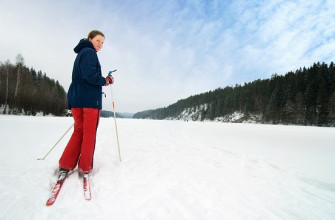
Oslo also belongs to a small group of European capitals where you can leave the office, change into ski boots and reach a cross-country trail before sunset. The famous Nobel Peace Prize is awarded here every December at the City Hall, and the Nobel Peace Center next to the harbour explores the work of past laureates throughout the year.
A Short History of Oslo
According to the Norse sagas, King Harald Hardrada founded Oslo around 1040 AD. The original settlement sat at the eastern end of the Oslofjord, in the area known today as Gamlebyen (“Old Town”), where excavations have exposed the remains of medieval churches, harbour walls and merchant houses. After a devastating fire in 1624, King Christian IV rebuilt the city under the walls of the Akershus Fortress and renamed it Christiania, a name it kept for nearly three hundred years.
Oslo regained its original name in 1925, and the 20th century turned it from a quiet provincial capital into a confident modern city. North Sea oil, discovered in 1969, transformed the country and funded much of the cultural infrastructure you see today. The 1952 Winter Olympics put the city on the world map, and the bid for the 2030 Winter Games is currently under discussion. The 2011 attacks at the government quarter and the island of Utoya remain a painful memory, and the new July 22 Memorial in the government quarter offers a quiet space for reflection.
Karl Johans Gate
Begin your tour of this relaxed and easy-going city with a walk along Karl Johans gate, the main pedestrian street of Oslo, lined with shops, trendy pavement cafes and entertaining buskers. The street runs from the central railway station all the way up to the Royal Palace and forms the natural backbone of any first visit. The boulevard was named after King Karl III Johan in the 19th century and remains the ceremonial route used during national parades, including the famous Constitution Day celebrations on 17 May, when thousands of children in traditional bunad costumes march past the palace.
Stop at the Oslo Domkirke, the city cathedral, which dates from 1697 and features vivid stained glass windows by Emanuel Vigeland (the brother of the more famous Gustav). The interior was restored in 2010 and the painted ceiling, completed in the 1950s, is one of the largest in Northern Europe. The building remains the official church of the Norwegian Royal Family and the national parliament, and it has hosted royal weddings and state funerals for more than three centuries.
Halfway up Karl Johans gate stands the Stortinget, the Norwegian Parliament building, a striking yellow brick structure completed in 1866. Free guided tours run on Saturdays year-round and on weekdays during the summer. Just opposite, the National Theatre hosts performances of Ibsen and other Norwegian playwrights inside a richly decorated 19th-century hall.
At the top of Karl Johans gate stands the Royal Palace (Slottet), the official residence of King Harald V. The neoclassical building, completed in 1849, opens for guided summer tours from late June to mid-August. Even outside the tour season, the palace grounds make a perfect spot for a picnic, and the changing of the guard ceremony at 13:30 every day draws a small but appreciative crowd. The surrounding park, the Slottsparken, runs free and open all year and lights up with cherry blossom in late April.
Bygdoy, the Museum Peninsula
Set aside a full day, or better two, for the Bygdoy peninsula, which holds the highest concentration of museums in Oslo. You can reach Bygdoy by city ferry from Pier 3 in front of the City Hall (a scenic 10-minute ride that runs from April to October) or by bus 30 year-round.
The major attractions include:
- Viking Ship Museum (Vikingskipshuset). Currently closed for a major rebuild. The collection of three remarkably preserved 9th-century Viking ships, the Oseberg, Gokstad and Tune, is being moved into the new Museum of the Viking Age, scheduled to reopen in 2027. Check the official website for the latest status before you plan your trip.
- Kon-Tiki Museum. Built around the original balsa-wood raft that Thor Heyerdahl sailed across the Pacific in 1947 to prove that ancient South Americans could have reached Polynesia. The museum also displays the reed boat Ra II and original artefacts from his expeditions to Easter Island.
- Fram Museum (Frammuseet). Houses the Fram, the polar exploration ship used by Fridtjof Nansen and Roald Amundsen for the most famous expeditions to the Arctic and Antarctic. You can climb aboard and walk through the cabins and decks exactly as the explorers left them. The neighbouring building also displays the Gjoa, the first ship to navigate the Northwest Passage.
- Norwegian Maritime Museum. Tells the long story of the Norwegian relationship with the sea, from the Vikings to modern shipping and offshore oil. A panoramic film on a curved screen takes you on a virtual flyover of the entire Norwegian coast.
- Norsk Folkemuseum. The largest open-air museum in Norway, with more than 160 restored buildings from across the country, ranging from rustic barns and timber farmhouses to a complete 13th-century stave church from Gol. Live folk music, traditional dancing demonstrations and craft workshops fill the calendar in summer, and costumed interpreters bring the buildings to life.
While on the peninsula, take time for the small beaches, the waterfront paths and the upmarket residential streets that hide some of the most expensive real estate in Oslo. The royal family’s summer residence, Oscarshall, also sits on the peninsula and opens for a few public visits each year.
Frognerparken and the Vigeland Sculpture Park
One of the great pleasures of Oslo is the quality of its parks and gardens. Frognerparken sits in the western part of the city and offers broad lawns, secluded ponds, gently flowing streams and a wide variety of trees. The park covers about 45 hectares, runs free, opens 24 hours a day and serves as a favourite picnic spot for locals on warm summer evenings.
The section of Frognerparken known as the Vigeland Sculpture Park belongs on every itinerary. The park holds more than 200 granite and bronze sculptures by Gustav Vigeland, the most celebrated sculptor in Norway. Vigeland spent more than 40 years on the project and designed not only the figures themselves but also the layout, the bridges and the surrounding architecture. The most famous works include the Monolith, a 14-metre granite column carved with 121 intertwined human figures, the Wheel of Life and the much-loved Sinnataggen (“Angry Boy”), a small bronze of a stamping toddler that has become an unofficial symbol of Oslo. The park works equally well at sunrise, in the soft northern summer light or under fresh winter snow.
Just outside the park, the Vigeland Museum displays the original plaster casts, sketches and tools used by the sculptor, along with his preserved studio and apartment. A short walk away, the Oslo City Museum tells the story of the capital from its medieval origins to today.
Bjorvika and the Modern Waterfront
The transformation of the eastern harbour into a cultural quarter ranks as the biggest change in Oslo over the last 20 years. The standout buildings:
- Oslo Opera House. Opened in 2008, the white marble and glass building rises out of the fjord like a sloping iceberg. You can walk freely up the roof for one of the best views in the city. The Norwegian National Opera and Ballet stages year-round performances inside, and the foyer alone is worth a visit even if you skip the show.
- Munch Museum. The new 13-storey museum on the harbour holds the largest collection of works by Edvard Munch in the world, including several versions of The Scream, Madonna and The Sick Child. It opened in 2021 and replaced the older museum at Toyen. The top-floor terrace gives a panoramic view across Bjorvika and the Opera House.
- Deichman Bjorvika. The main public library of Oslo, opened in 2020, won international awards for its bold modern design. Free, open to all, with riverside reading areas, cinema rooms, a gaming area and one of the best views in the city from the top floor.
- Sorenga Sjobad. A free open-air seawater swimming pool built into the harbour edge, popular with locals from June to August. A few minutes’ walk from the Opera House.
- Barcode Project. The line of slim, irregularly spaced high-rises behind the Opera House gives the modern Oslo skyline its distinctive shape and houses some of the best new restaurants in the city.
The Akershus Fortress and Old Town
The medieval Akershus Fortress (Akershus Festning) sits on a promontory overlooking the harbour and dates back to 1299. The complex held off multiple Swedish sieges, served as a royal residence and was used as a Nazi prison during World War II. Today the grounds are free to enter, and you can also visit the Norwegian Resistance Museum and the Norwegian Armed Forces Museum on site. The cobbled paths and stone walls offer some of the best views of the modern waterfront from above. The fortress chapel still hosts royal funerals, and several Norwegian kings and queens lie buried in the crypt.
The original medieval town, Gamlebyen, sits to the east of the modern centre and holds the excavated foundations of churches and merchant houses from the 11th to 17th centuries. Most visitors skip it, but history fans will find an authentic glimpse of the original Oslo.
Aker Brygge and Tjuvholmen
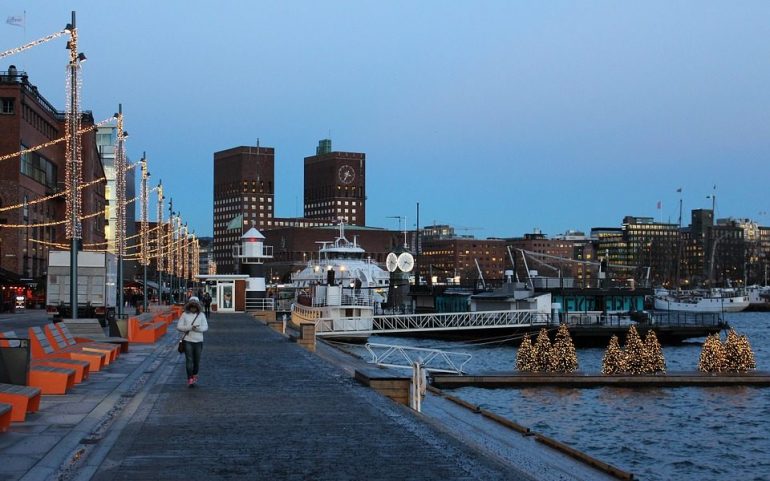
Aker Brygge, on the western side of the central harbour, was the first redevelopment project in modern Oslo and remains among the most popular waterfront promenades. Restaurants, cafes and bars line the boardwalk, and the area buzzes with locals on summer evenings. Adjacent Tjuvholmen (“Thief Islet”) holds the Astrup Fearnley Museum, a private contemporary art museum designed by Renzo Piano with works by Damien Hirst, Jeff Koons and Anselm Kiefer, plus a small public beach where you can swim straight in the fjord during the short summer. Several small art galleries and a sculpture park along the waterfront round out the experience.
Nature Around Oslo
Few capital cities in the world give you wilderness this close to the centre. The Oslomarka, the protected forest belt that surrounds the city, covers more than 1,700 square kilometres and offers hiking, cycling and cross-country skiing within reach of the metro. Locals call it marka and treat it as the green lung of the city.
- Holmenkollen. The famous ski jump on the hill above the city is reachable in about 30 minutes by metro line 1. The site has hosted ski jumping since 1892 and was rebuilt for the 2011 World Championships. The on-site Ski Museum (the oldest of its kind in the world) and the simulator inside the tower draw visitors year-round. The viewing platform at the top of the jump tower offers one of the best panoramas of the city and the Oslofjord.
- Sognsvann. A peaceful forest lake at the end of metro line 5 with a flat 3.3 km loop trail. A favourite weekend escape for locals, with swimming spots in summer and cross-country ski tracks in winter.
- Bygdoy beaches. Huk and Paradisbukta are the two main city beaches, both reachable by ferry or bus and packed with sunbathers in July.
- Oslofjord islands. Public ferries from Aker Brygge run year-round to a string of small islands in the inner fjord, including Hovedoya, Lindoya and Gressholmen. Each one has walking paths, swimming spots, old fortifications and the ruins of a 12th-century Cistercian monastery on Hovedoya.
- Nordmarka cabins. The Norwegian Trekking Association (DNT) runs a network of self-service and staffed cabins in the forest just north of the city. You can hike or ski between them and stay overnight for a fraction of city hotel prices.
- Ekebergparken. A sculpture park and forest on a hill east of the city centre, with works by Salvador Dali, Marina Abramovic and Damien Hirst, plus expansive views over Oslo and the harbour.
Food and Drink
Oslo has earned its reputation as the gourmet capital of Scandinavia. The city holds several Michelin-starred restaurants, including Maaemo, one of only a handful of three-starred restaurants in the Nordic region. Maaemo serves a tasting menu built around foraged ingredients and ancient Norwegian techniques and books out months in advance. Other strong picks include Statholdergaarden (refined Nordic cuisine in a 17th-century townhouse), Kontrast and Hyde.
The Mathallen food hall in the Vulkan district offers a more casual sample of Norwegian and international cuisine, with cheese stalls, microbreweries, sushi counters, oyster bars and traditional bakeries under one roof. The surrounding Grunerlokka neighbourhood is the most fashionable food scene in the city, packed with independent cafes, bistros and ramen joints.
Local specialities to try include fresh shrimp eaten straight from the boat at Aker Brygge (a summer ritual that comes with white bread, mayonnaise and a cold beer), smoked salmon, cured reindeer, brown cheese (brunost), fermented trout (rakfisk) for the brave, and the cinnamon bun (kanelbolle) served in every cafe. The craft beer scene has exploded over the past decade, and several local microbreweries run taprooms in the city centre. Aquavit, the caraway-flavoured spirit, remains the traditional choice for Christmas dinner.
Practical Information
- When to visit. May to September gives long daylight hours and the most reliable weather, with June reaching nearly 19 hours of light. December and January work for the Christmas markets and the chance to ski straight from the metro. Late February and March offer crisp blue-sky winter days. Avoid early April and November, when the weather sits between seasons and the days run grey and damp.
- Getting around. Public transport is run by Ruter and covers metro (T-bane), trams, buses, ferries and local trains under a single ticket system. A 24-hour pass costs around 130 NOK and covers all of Zone 1, including the airport bus and Bygdoy ferries in summer. You can buy tickets via the Ruter app, at machines in every metro station or on the bus.
- Oslo Pass. Worth buying if you plan to visit several museums. The 24, 48 or 72-hour pass includes free entry to over 30 museums and unlimited public transport, plus discounts at restaurants and on city tours.
- Airport. Oslo Gardermoen (OSL) sits about 50 km north of the city. The Flytoget airport express train reaches Oslo Central in 19 minutes. Regular Vy trains take 23 minutes and cost about half the price. The smaller Oslo Torp and Oslo Rygge airports, used by some low-cost airlines, sit further from the city and need a longer bus or train transfer.
- Language. Norwegian is the official language, but English is spoken to a high standard almost everywhere. You will rarely need to learn more than takk (“thank you”) and hei (“hello”).
- Currency. Norwegian krone (NOK). Cards work everywhere, including at small kiosks and on buses, so most visitors never need cash. Norway ranks among the most cashless societies in the world.
- Budget. Oslo is expensive. Eat at bakeries and food halls instead of restaurants, use public transport instead of taxis and stay outside the very centre to save on accommodation. Many of the best museums and attractions, including most public art and the climb up the Opera House roof, cost nothing at all. Tap water is excellent and free everywhere.
- Safety. Oslo is one of the safest capitals in Europe. Keep an eye on belongings in busy tourist areas, but violent crime against visitors is rare.
Final Thoughts
Oslo rewards travellers who slow down. Spend a morning at Vigeland Park, an afternoon on Bygdoy, an evening on the Opera House roof and a long lunch at Mathallen, and you start to see why locals are quietly proud of their city. The mix of Viking ships, polar history, contemporary architecture, exceptional food and forest at the metro stop end gives Oslo a character no other Scandinavian capital can match. Take the time to enjoy the leafy streets, the harbour breezes and the cuisine, and the city will keep pulling you back.