Trondheim is one of the most rewarding stops on any trip through Norway. Rich in medieval history and home to a buzzing student population, this lively city occupies a triangular peninsula bordered on one side by the river Nidelva and on the other by the wide Trondheimsfjorden. With around 215,000 people in the city proper, Trondheim ranks as the third-largest city in Norway after Oslo and Bergen and serves as the unofficial capital of central Norway. The city is easy to explore on foot and features some impressive medieval buildings steeped in the history of the country, whose first capital was based here more than a thousand years ago. This 2026 guide walks through the top sights, the history, the food and the practical details for a first visit.
A Short History of Trondheim
Trondheim was founded in 997 AD by the Viking king Olaf Tryggvason, who chose the site for its strategic position at the mouth of the Nidelva river. The original name was Nidaros, meaning “the mouth of the Nid”, and the settlement quickly became the political and religious centre of the young Norwegian kingdom. King Olaf II Haraldsson, later canonised as Saint Olaf, was killed at the Battle of Stiklestad in 1030 and buried in Trondheim, which turned the city into the most important pilgrimage destination in Northern Europe throughout the Middle Ages.
Trondheim served as the capital of Norway until the late Middle Ages, when royal power gradually shifted south to Oslo and Bergen. A series of devastating fires in the 17th and 18th centuries destroyed most of the wooden city, and the current grid layout of the central streets dates from the rebuild after the fire of 1681. Today Trondheim is the main university city of central and northern Norway, home to the Norwegian University of Science and Technology (NTNU), and the student population gives the city a young and creative energy that you feel everywhere from the cafes to the live music venues.
Landmarks of Trondheim
Nidaros Cathedral
The most dominant landmark of Trondheim is the superb Nidaros Cathedral, the largest medieval building in Norway and the most important Gothic cathedral in Scandinavia. Construction began in 1070 over the burial site of Saint Olaf and continued for nearly 230 years. The cathedral has been the traditional coronation church of Norwegian kings since 1814 and the place where the royal regalia are kept today.
The most noteworthy attributes include the dazzling modern stained glass work, the famous rose window above the western entrance and the elaborately decorated exterior west wall, which features statues of biblical figures and Norwegian dignitaries arranged across multiple tiers. Climb the 172 steps of the central tower for one of the best views in the city, and check the schedule for evening organ recitals on the cathedral’s enormous Wagner organ. The adjoining Archbishop’s Palace (Erkebispegarden), built in the 12th century, is the oldest secular building in Scandinavia and houses a museum of medieval sculpture and the Norwegian Crown Regalia.
Bakklandet and the Old Town
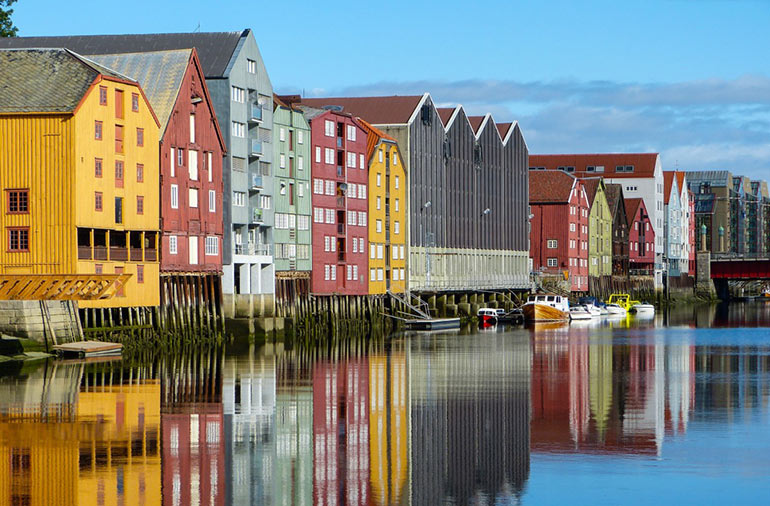
Enjoy a stroll down the cobblestoned streets in the older sections of the city, particularly Bakklandet, the colourful neighbourhood of restored 18th-century wooden houses on the eastern bank of the Nidelva. The narrow winding streets are lined with cafes, craft workshops and second-hand shops, and the area is connected to the centre by the famous Old Town Bridge (Gamle Bybro), a red-painted wooden bridge with the iconic gateway arches that have become a symbol of the city. Don’t miss the historic Bryggen wharf houses along the river, often compared to those in Bergen but on a quieter and more intimate scale.
Torvet, the Central Square
Make your way through the winding streets to the Torvet, the central square of Trondheim, alive with the activities and calls of street vendors selling fresh fruit, vegetables and local produce. The square holds the towering statue of city founder Olaf Tryggvason on top of a column that doubles as a sundial. Several of the city’s main shopping streets radiate from the square, and the famous Saturday market remains a favourite local meeting point.
Tyholt Tower
Gain a fine panoramic view of the city by taking the heart-stopping journey to the top of the Tyholt Tower (Tyholttarnet), a 124-metre-high telecommunications tower located in the eastern hills. The tower holds an observation deck and a revolving restaurant at the top, and on a clear day the view stretches across the entire city, the Trondheimsfjord and the surrounding mountains.
Stiftsgarden
Take a trip to the Stiftsgarden, the official royal residence in Trondheim and the largest wooden palace in Northern Europe. Built in the 1770s for a wealthy noblewoman, the building was acquired by the state in 1800 and now serves as the official Trondheim residence of the Norwegian Royal Family. Guided tours run during the summer and lead visitors through a long series of period rooms decorated with original 18th-century furniture and art.
Ringve Music Museum and Botanical Gardens
Enjoy a leisurely stroll at the Ringve Music Museum and Botanical Gardens, a charming combination of historic estate, music museum and quiet green spaces perfect for rest and relaxation. The museum holds an impressive collection of musical instruments from across the world, and the gardens cover 14 hectares of themed plant collections, all set on a hill with sweeping views over the fjord.
Munkholmen Island
Prepare a picnic and take the short ferry journey from the harbour to Munkholmen, a small island in the middle of the fjord just offshore from the city. The site has served as a place of execution, a Benedictine monastery from the 11th century, a fortress, a prison and a customs house at different points in its history, and is now a popular picnic and swimming venue for locals and tourists alike. Ferries run every hour during the summer from the central harbour.
The Rockheim Music Museum
Music fans should visit Rockheim, the national museum of popular music. The award-winning building on the harbour features a striking glowing cube on the top floor and traces the history of Norwegian rock, pop, hip-hop and electronic music from the 1950s to today through interactive exhibits.
Outdoor Activities Around Trondheim
Hiking and Skiing in Bymarka
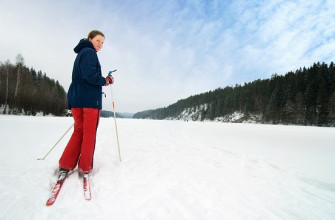
Head west of the city to Bymarka, a fresh green forest area sprinkled with marked nature walks, mountain bike trails and cross-country ski tracks. The protected forest covers about 80 square kilometres and is easily reached from the city centre by tram. The famous Graakallbanen, the most northerly tram line in the world, climbs from the city centre up into the forest in about 25 minutes and drops walkers and skiers right at the trailheads.
Kayaking the Nidelva
The slow-flowing Nidelva river offers some of the most relaxing urban kayaking in Scandinavia. You can paddle past the colourful wooden wharves and under the historic bridges of Bakklandet, with several local outfitters offering rentals and guided tours from May to September.
The Pilgrim Path (St. Olav Way)
Trondheim is the end point of the St. Olav Way (Pilegrimsleden), the historic 643 km pilgrimage route from Oslo to Nidaros Cathedral. The route follows old trails through forests, farmland and mountain passes and has been revived in recent decades as a Northern European version of the Camino de Santiago. Even if you skip the full hike, the final stretch into Trondheim makes a beautiful day walk.
Food and Drink in Trondheim
Trondheim has built a reputation for refined cuisine that highlights the seafood, dairy and game of central Norway. The city holds a Michelin-starred restaurant, Credo, and a long list of strong picks for everything from open sandwiches to multi-course tasting menus. Other top picks include Bula Neobistro, Folk og Fe, the historic Bryggen seafood house and the casual Baklandet Skydsstation, a restored 18th-century coaching inn that serves local classics in a setting full of antiques.
The city also runs one of the most respected craft beer scenes in Norway. Local microbrewery E. C. Dahls, founded in 1856, runs a brewpub in the city centre, and several smaller producers have opened taprooms in recent years. In the evening, savour the atmosphere of the lively Trondheim nightlife in the busy bars around Solsiden, the redeveloped harbour district full of restaurants and clubs popular with the student crowd.
How to Get to Trondheim
Trondheim Airport (Vaernes) sits about 35 km northeast of the city centre and connects to most major Norwegian and European destinations. The Vaernes Express airport bus and direct trains both reach the centre in about 30 minutes.
Trondheim is a major hub on the Norwegian railway network. The journey from Oslo on the famous Dovrebanen takes about 6.5 hours and passes through some of the most scenic mountain landscapes in the country. Trondheim is also a key port on the Hurtigruten coastal voyage, the daily ship route that runs from Bergen to Kirkenes.
Best Time to Visit Trondheim
The most pleasant months for sightseeing run from late May to early September, when daylight stretches close to 20 hours in midsummer and the outdoor cafes and harbour life come alive. June and July offer the best weather for hiking, kayaking and ferry trips to Munkholmen. Winter brings cross-country skiing in Bymarka, occasional Northern Lights and a magical cathedral choir tradition during Advent. Avoid late autumn (October and November) if possible, when the days run grey and damp.
Practical Tips
- Currency. Norwegian krone (NOK). Cards work everywhere, even at street markets.
- Language. Norwegian, with English spoken to a high standard almost everywhere thanks to the large student population.
- Getting around. The city centre is compact and walkable. Local buses, the historic Graakallbanen tram and a free city bike system cover everything beyond walking range.
- Trondheim Pass. A 24-hour or 48-hour visitor pass includes free entry to several major museums and unlimited public transport, and pays for itself after two or three visits.
- Bicycle lift. Trondheim is home to the only bicycle lift in the world, the Trampe, which carries cyclists up the steep Brubakken hill in Bakklandet. Try it just for the novelty.
Final Thoughts
Delight in the sights and sounds of this cheerful and compact city, sample its history, culture and cuisine and soak in the long northern sunshine at the water’s edge. Trondheim packs a thousand years of Norwegian history into a walkable peninsula, with a Gothic cathedral, colourful wooden wharves, world-class museums, easy access to forest trails and one of the most refined food scenes in Scandinavia. Take the time to explore a city that offers the best of all worlds: medieval heritage, student energy, fjord views and the kind of relaxed Nordic charm that pulls travellers back for a second visit.