Southwestern Norway packs UNESCO harbours, summer glaciers, deep fjords and two of the most photographed clifftop hikes on the planet into a stretch of coast you can cover in a week. Bergen anchors the north end of the region, Stavanger the south, and the Lysefjord between them holds Preikestolen and Kjeragbolten. This 2026 guide walks through the cities, the fjord landscapes, the practical details and a sample 7-day route.
Why Choose Southwestern Norway
The famous Geirangerfjord and the Lofoten Islands grab the brochures, but the southwest works better for a first trip to Norway. Distances stay short, the road and ferry network connects everything, and Bergen and Stavanger sit at opposite ends of the region with frequent flights and a scenic coastal route between them. One week covers cities, glaciers, fjords and clifftop hikes without rushing.
The Gulf Stream keeps the climate milder than the rest of Norway. Summers stay cool rather than hot, with daytime highs around 16 to 20 degrees Celsius even in July, and early autumn holds steady weather for hiking and photography. The region also gets the highest rainfall in Norway, so a waterproof jacket belongs in every bag, even in the middle of summer.
Another reason to start in the southwest: the proximity to the four UNESCO World Heritage sites that lie within reach of Bergen and Stavanger. Bryggen in Bergen, the West Norwegian Fjords (Naeroyfjord), Roros mining town and the rock art of Alta together represent some of the most striking heritage locations in Northern Europe. The southwest gives you direct access to two of them in a single trip.
Bergen and Stavanger
Two cities, two characters. Use them as the bookends of any southwestern trip.
Bergen, the Gateway to the Fjords
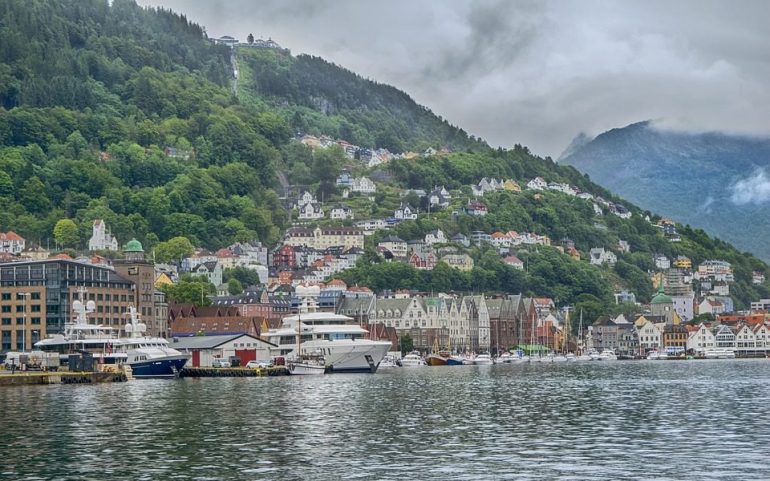
Bergen sits on seven hills next to the deepest fjords in the country. The city worked as a Hanseatic League trading post for four centuries, and you can still walk through that history at Bryggen, the row of leaning wooden warehouses on the harbour that UNESCO inscribed in 1979. Slip into the alleys behind the main facade and you find craft workshops, small museums and tiny galleries inside 700-year-old timber frames. The Hanseatic Museum tells the story of the German merchants who controlled the dried cod trade for hundreds of years, and the smell of tar and old wood still hangs in the air on quiet mornings.
For the view, ride the Floibanen funicular (or hike) up to Mount Floyen and look back over the harbour and the islands. The journey to the top takes about six minutes and runs every 15 minutes year-round. From the top platform at 320 metres, several walking trails lead deeper into the forested hills, and a small cafe and a goat petting area keep families busy.
The Fish Market on the waterfront serves fresh shrimp, smoked salmon and king crab straight from the boats. Music lovers should add Troldhaugen, the lakeside villa where Edvard Grieg wrote some of his best-known music. The composer’s grave sits in a cliff face above the lake, and summer concerts run inside the small chamber music hall on the property. The student population keeps the cafe and craft-beer scene young and busy, and the Bergen International Festival in late May brings world-class classical music, theatre and dance to venues across the city.
For a longer trip, take the Bergen Railway from Bergen to Oslo, often described as one of the most scenic train rides in the world. Even if you only ride part of the way to Voss or Myrdal, the climb across the Hardangervidda plateau gives you a sense of the wild interior of Norway that you cannot reach by road.
Stavanger, the Most User-Friendly City in Norway
Stavanger is tidy, prosperous and easy to like. Oil money funded the food scene and the cultural calendar, and the historic core, Gamle Stavanger, preserves more than 170 white wooden houses from the 18th and 19th centuries. Walk the cobbled lanes and it feels like an open-air museum that people still live in.
The harbour fills with cafes and seafood restaurants. The Norwegian Petroleum Museum tells the story of the discovery that made the country rich, with full-scale offshore platform models and interactive exhibits about life on the rigs. The Norwegian Canning Museum in Gamle Stavanger covers an earlier chapter of the local economy, when the city packed sardines for export across the world.
Street art fans should time the trip for the annual Nuart Festival, one of the leading street-art events in Europe, held every September. The walls of central Stavanger now hold one of the most concentrated collections of large-scale public art in Scandinavia, with works by Banksy collaborators, Aiko, M-City and other internationally known names.
The cathedral, Stavanger Domkirke, is the oldest cathedral in Norway still in use and dates from 1125. Recently restored for the 900-year anniversary, it sits on the central lake and forms the historic heart of the city. Stavanger also doubles as the launchpad for Lysefjord, with daily ferries and tours from the harbour.
Folgefonna and Lysefjord
The southwest is built for outdoor travellers. Glaciers, waterfalls, silent fjords, sea eagles overhead and seals on the rocks, all within an easy drive of either city.
Folgefonna National Park
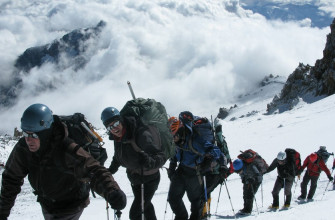
Folgefonna is the third-largest icefield in Norway, protected inside Folgefonna National Park since 2005. The park covers about 545 square kilometres and shelters three separate glaciers, alpine lakes, deep valleys and dramatic waterfalls. The summer ski centre on the glacier stays open well after the Alps shut for the season, and you can ski, snowboard or sled in July. Fonna Glacier Ski Resort runs from May to August and offers some of the only summer skiing in Northern Europe.
Guided glacier walks run for travellers who want crampons over skis. Folgefonni Breforarlag, the local guide cooperative, leads daily tours onto the ice during the season. The hike to the foot of the Buarbreen glacier arm is the easiest way to stand next to ancient ice without specialist gear. The trail starts in Buer near Odda and takes about two hours each way.
The park also holds the spectacular Bondhusvatnet lake, one of the most photographed spots in Hardanger, and the historic Mauranger fjord, which most cruise ships skip. Several small villages around the icefield, including Rosendal with its 17th-century manor house, make great quiet bases for exploring the area.
Lysefjord, the Light Fjord
Lysefjord runs 42 km inland and counts as one of the most striking fjords in Norway. The name means “light fjord” because the pale granite walls really do glow above the dark water, especially in the soft early morning light. The fjord cuts through some of the oldest exposed rock in Europe, with cliffs that drop more than 1,000 metres straight into water that reaches similar depths below the surface.
Sightseeing cruises leave Stavanger daily and slip past waterfalls, abandoned cliff-side farms and the village of Lysebotn at the inland end. The standard tour runs about three hours and includes close passes under both Preikestolen and the cliff face below Kjeragbolten. Several operators run year-round, and the boats are heated and comfortable even in winter.
Kayak trips offer the closest experience: paddling under thousand-metre cliffs gives you the real sense of scale. Multi-day kayak and camp tours also run during the summer months, with stops at quiet beaches and waterfalls that the boat tours never reach.
Preikestolen, the Pulpit Rock
Preikestolen is the most recognised viewpoint in Norway. A flat slab of granite juts out from the cliff and drops 604 metres straight down to Lysefjord. The platform measures about 25 by 25 metres and was formed by frost erosion during the last ice age. Geologists predict that the rock will eventually break off, but probably not for several thousand years.
The hike from the trailhead at Preikestolen Mountain Lodge runs about 8 km round trip with 500 metres of climb, and takes most people two hours each way. The trail is well marked but rocky, with several sections of stone steps built by Sherpa stonemasons brought in from Nepal to handle the most worn parts of the path. Bring proper boots and plenty of water.
Start early. You beat the crowds and you catch the soft morning light on the granite. There are no railings at the edge, so keep your distance in wet or windy weather. The hike is open year-round, but winter conditions require crampons, ice axes and ideally a guide. From May to September, around 300,000 people make the climb, with peak crowds in July and August.
To reach the trailhead from Stavanger, take the regular bus from the city centre or drive to the Preikestolen parking area. A new tunnel under the Ryfylke fjord opened in 2019 and cut the journey from Stavanger to under an hour by car.
Kjeragbolten, the Boulder in the Sky
For the bigger thrill, hike to Kjeragbolten, an oval boulder wedged between two vertical cliffs above Lysefjord. The five-cubic-metre rock has been stuck in the crack since the last ice age and offers what may be the most photographed spot in Norway after Preikestolen. The route runs about 10 km round trip with several chain-assisted climbs and three steep ridges that test the legs of even fit hikers. Allow six to eight hours for the full circuit.
The reward at the top is a photo that has spread across the internet for years: a person standing on a rock with a thousand metres of empty air below. Even if vertigo keeps you off the boulder, the panorama from the surrounding plateau is worth the climb. The view stretches all the way down Lysefjord on a clear day, with the blue water far below and the surrounding peaks on every side.
Kjerag also draws BASE jumpers from across the world, and the cliff is one of the most famous fixed-object jump sites on the planet. Expect to see brightly suited figures launching themselves into the void if the weather cooperates. The trail stays open from June to September. Outside that window, snow and ice make it dangerous without specialist gear, and the road to the trailhead at Oygardstol closes for the winter.
Hidden Gems Beyond the Big Names
Preikestolen and Kjeragbolten get the headlines, but the southwest holds plenty of quieter wonders that reward travellers who skip the busiest sites.
- Hardangerfjord, the second-longest fjord in Norway, famous for the spring blossom season when 500,000 fruit trees along the shore burst into white. The Hardanger area also produces some of the best cider in Northern Europe, with several farm cideries open for tastings.
- Trolltunga, the legendary “Troll’s Tongue” rock formation, reached by a tough 28 km round-trip hike that draws thousands of walkers each summer. The trail starts near Odda and takes 10 to 12 hours for the full out-and-back. A shorter starting point at Skjeggedal cuts a few kilometres off but still demands a full day.
- Voringsfossen, one of the most famous waterfalls in Norway, dropping 182 metres into the Mabodalen valley. New viewing platforms designed by award-winning Norwegian architects opened over the past few years and let you look straight down into the gorge.
- Eidfjord, a quiet village that works as a base for Hardangervidda, the largest mountain plateau in Europe. The Hardangervidda Nature Centre offers excellent exhibits on the local geology and wildlife, including wild reindeer.
- Roldal stave church, a small medieval wooden church tucked into the mountains that once drew pilgrims for its supposedly miraculous crucifix. One of the few remaining stave churches in southern Norway and a quiet stop on the drive between Bergen and Stavanger.
- Lysebotn road, the spiral mountain road that drops 900 metres in 27 hairpin bends from the high plateau down to the village of Lysebotn at the inland end of Lysefjord. The road counts as one of the most spectacular drives in Europe and only opens from late May to October.
- Atlantic Road (Atlanterhavsvegen), technically further north but reachable as a side trip, a series of low bridges that hop across the open ocean and give you one of the most cinematic drives in Scandinavia.
Practical Tips
- When to go. Late May to mid-September gives you long daylight, safe trails and reliable ferries. Preikestolen and Kjeragbolten work best from June to September. June brings near-endless light, with the sun barely setting in the far north of the region. September rewards you with autumn colours and far fewer people. Avoid the wettest months of October and November if hiking is the focus.
- Getting around. Bergen and Stavanger connect by frequent flights (about 35 minutes), coastal ferries (about five hours on the catamaran) and a scenic coastal road that takes around five hours by car including a couple of fjord ferries. A rental car opens up the smaller fjord villages, though many sights are reachable by bus and ferry. Driving in Norway is straightforward, but watch out for narrow tunnels, hairpin bends and the occasional reindeer crossing the road.
- Packing. Layered clothing, a waterproof jacket, sturdy hiking boots and a refillable water bottle. Norwegian tap water is among the cleanest in the world. Mountain weather changes fast even in July, so a fleece and a hat belong in the day pack. Sunglasses help on glacier walks, and insect repellent helps on still summer evenings.
- Budget. Norway is expensive. Stock up at Rema 1000 or Kiwi supermarkets, use buses and ferries, and stay in cabins (hytter), hostels or campsites instead of hotels. Skip bottled water, the tap version is excellent. Many fjord viewpoints, beaches and hiking trails cost nothing to visit, so the daily costs come down quickly once you focus on the outdoors.
- Stay connected. Mobile coverage works across most of the region, even in remote fjord areas. An EU SIM card runs without issue. Free Wi-Fi covers most cafes, hotels and ferries.
- Respect the outdoors. Norway’s allemannsretten, the right to roam, lets you walk freely across most uncultivated land. Pack out everything you bring in, stick to marked trails where they exist, and check in with the Norwegian Trekking Association (DNT) for trail conditions and cabin reservations if you plan a multi-day route.
- Cash and cards. Norway runs almost entirely on cards. Even small kiosks and trail shelters accept contactless payment, and cash is rarely needed.
Sample 7-Day Itinerary
- Day 1 and 2. Land in Bergen, explore Bryggen, ride the funicular to Mount Floyen, visit the Fish Market and walk through the old town. Add a chamber concert at Troldhaugen if the timing fits.
- Day 3. Take a fjord cruise on Hardangerfjord or visit Folgefonna glacier. The Hardangerfjord in a Nutshell tour combines train, bus and boat in a single day.
- Day 4. Drive south along the coastal route towards Stavanger. Stop at Roldal stave church and the Lysebotn road for the views.
- Day 5. Hike Preikestolen and have lunch at the summit. Return to Stavanger in the afternoon for dinner on the harbour.
- Day 6. Tackle Kjeragbolten or take a Lysefjord cruise from Stavanger if your legs need a rest.
- Day 7. Walk Gamle Stavanger and visit the Petroleum Museum before flying home.
Final Thoughts
Pack the layers, get the boots dirty and let the southwest do the rest. Bergen and Stavanger handle the energy and the food. The fjords between them hold the silence, the scale and the views you came for. A week here gives you UNESCO history, summer skiing on a glacier, two of the most famous clifftop hikes on Earth and the kind of quiet fjord mornings that stay with you for years. Whether you arrive on the Bergen Railway from Oslo or fly straight into Stavanger, southwestern Norway delivers more landscapes per kilometre than almost anywhere else in Europe.