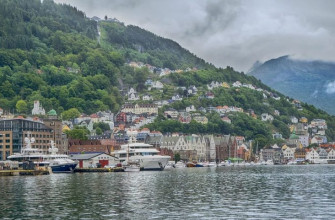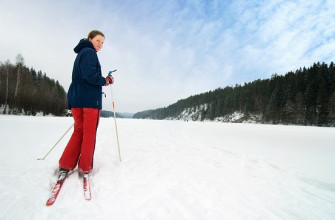
Stavanger is one of the most rewarding city breaks in Norway. Confident, prosperous and surprisingly compact, the unofficial oil capital of the country combines pristine 18th-century timber houses with bold modern architecture, world-class food and direct access to some of the most photographed clifftop hikes on the planet. With around 145,000 people in the city proper and 250,000 in the wider metro area, Stavanger ranks as the fourth-largest city in Norway and the gateway to Lysefjord, Preikestolen and Kjeragbolten. This 2026 guide walks through what to see, where to eat and how to make the most of a trip.
An Interesting Mix of Old and New
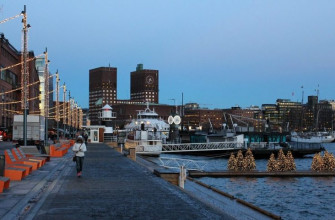
Stavanger is probably the tidiest and most user-friendly of all the cities in Norway. The historic harbour holds a striking mix of old and new architecture, the museums dig deep into both local and national history, and the prosperity of the oil industry has funded an impressive selection of bars, cafes and restaurants. Several Michelin-starred chefs have set up shop in the city, and Stavanger now ranks among the most exciting food destinations in Scandinavia.
The city also enjoys a milder climate than most of the Norwegian coast thanks to the warming influence of the Gulf Stream. Summers stay cool and pleasant rather than hot, and even winter rarely drops far below freezing.
A Short History of Stavanger
Stavanger received its city charter in 1125, the same year that work began on the famous cathedral. For centuries the local economy ran on fishing and maritime trade, and the late 19th century brought a sudden boom in sardine canning that turned the city into one of the most important fish-packing centres in Europe. The discovery of oil in the North Sea in 1969 transformed Stavanger again, this time into the energy capital of Norway and the headquarters of the state oil company Equinor (formerly Statoil). The wealth from offshore drilling shaped the modern face of the city and funded the cultural infrastructure that visitors enjoy today.
Top Sights in Stavanger
Gamle Stavanger (Old Stavanger)
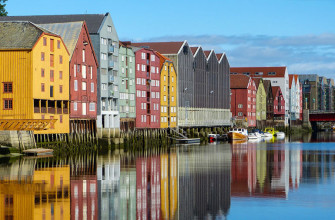
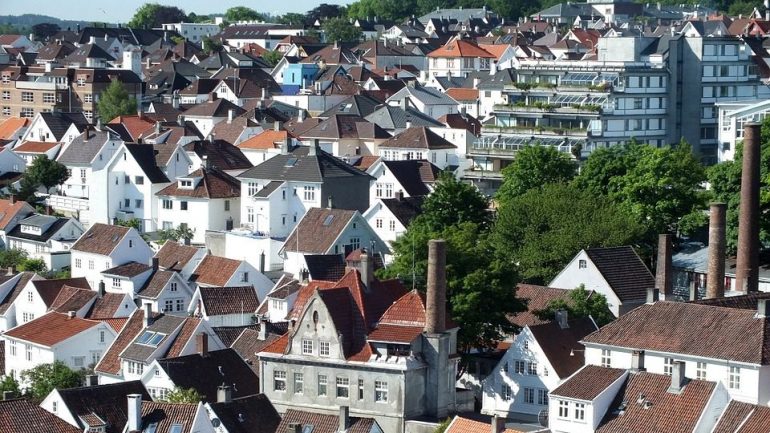
Immerse yourself in the history of the city by taking a casual stroll around Gamle Stavanger, the old town. Its cobblestone walkways wind around row upon row of early 18th-century whitewashed wooden houses, probably the best preserved cluster of timber buildings to be found anywhere in Northern Europe. More than 170 of the original wooden houses still stand, and most are still lived in by local families.
Here you will find an impressive array of artists’ studios, craft workshops and antique shops tucked into the narrow lanes. The whole district has been protected as a heritage area since the 1950s, and walking it on a sunny morning feels like stepping into a perfectly preserved open-air museum that people still call home.
Stavanger Cathedral (Stavanger Domkirke)
Stavanger Cathedral is the oldest cathedral in Norway still in use, completed around 1125 in the Anglo-Norman Romanesque style and rebuilt with a Gothic chancel after a fire in 1272. It sits on the central lake (Breiavatnet) in the heart of the city and was recently restored for its 900-year anniversary in 2025. The interior holds an outstanding 17th-century pulpit carved with biblical scenes and remains the most important historical monument in the city.
Norwegian Petroleum Museum
The Norwegian Petroleum Museum tells the story of the oil discovery that transformed the country into one of the wealthiest nations on Earth. The museum sits right on the harbour inside an award-winning building that incorporates full-scale offshore platform models and interactive exhibits about life on the rigs. It is one of the most impressive industrial museums in Europe and a surprise highlight even for visitors with no interest in oil.
Stavanger Museum and Its Branches
An interesting way to spend a day and get to know the city is to pay a visit to the Stavanger Museum, broken up into several sections scattered around the city, each offering a new insight into local history. Over 200 years of maritime history is examined in detail at the Stavanger Sjofartsmuseum, housed in some restored waterfront warehouses. The Norwegian Canning Museum in Gamle Stavanger covers the sardine industry that ran the local economy for nearly a century, and lets visitors watch demonstrations of the original canning process.
Take a trip even further back in time at the Ullandhaug Iron Age Farm, a reconstruction of a 1,500-year-old farm with realistic sights, sounds and smells that bring early Norwegian rural life to the senses. Costumed guides demonstrate ancient cooking, weaving and farming techniques throughout the summer.
Valberg Tower
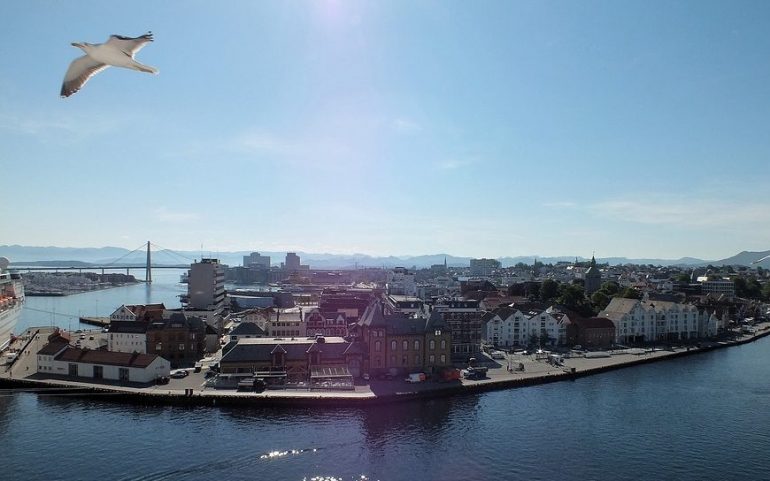
Ascend the Valberg Tower (Valbergtarnet), the old fire watchtower built in 1853, for a sweeping view of the city and the harbour. From the top platform you can watch the comings and goings of the busy port and pick out the cobbled lanes of Gamle Stavanger below. The base of the tower also holds a small museum on the history of the local fire watchmen.
Street Art and the Nuart Festival
Stavanger holds one of the most concentrated collections of large-scale public street art in Northern Europe, thanks to the annual Nuart Festival held every September since 2001. Walls across the central city now carry works by Banksy collaborators, M-City, Aiko, Dolk and other internationally recognised street artists. A self-guided walking map is available from the tourist office.
Lysefjord, Preikestolen and Kjeragbolten
The biggest reason most international visitors come to Stavanger lies just outside the city. Lysefjord, the 42 km “light fjord” that cuts deep into the Ryfylke mountains, holds two of the most famous viewpoints in Norway:
- Preikestolen (Pulpit Rock), a flat granite slab that drops 604 metres straight down to the fjord. The hike from the trailhead at Preikestolen Mountain Lodge takes about two hours each way and ranks as the most photographed view in Norway.
- Kjeragbolten, an oval boulder wedged between two vertical cliffs about 1,000 metres above the water. The hike is harder than Preikestolen but the photo at the top has become one of the most shared travel images on the internet.
Sightseeing cruises on Lysefjord run year-round from the Stavanger harbour and pass beneath both viewpoints, with stops at waterfalls and the village of Lysebotn at the inland end. A new tunnel under the Ryfylke fjord, opened in 2019, cut the journey from Stavanger to the Preikestolen trailhead to under an hour by car.
Mosvangen Park and the Outdoors
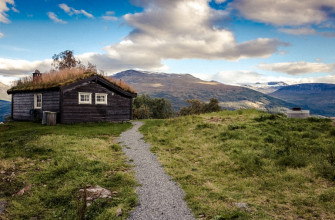
A trip to Mosvangen Park is an absolute must. This large forested park sits on the western edge of the city and is perfect for picnics, jogging or simply relaxing by the lake and the nearby lagoon, populated by a surprising mix of sea and songbirds. The walking path around Mosvatnet lake measures about 3.2 km and is easy enough for families with strollers.
For something more ambitious, take a cycle tour around the scenic Rogaland landscape. The neighbouring “bicycle town” of Sandnes boasts a network of cycle trails for every capability and rents bikes for the day. The white sand beaches of Solastranden and Orre, just south of Stavanger, are among the longest in Norway and a favourite escape for locals on warm summer weekends.
Food and Drink
Back in the centre of Stavanger, dine in style at a waterfront cafe or pick from one of the most varied restaurant scenes in Norway. The city holds two Michelin-starred restaurants, including the legendary Re-naa, plus a long list of bistros, seafood houses and craft beer bars in the buzzing Ovre Holmegate, a brightly painted pedestrian street nicknamed the “colour street”. Local specialities to try include fresh shrimp eaten straight from the boat at the harbour, the famous Rogaland lamb, smoked salmon, brown cheese (brunost) and the doughnut-like skillingsbolle served in every cafe.
Listen to some live jazz or blues at an intimate venue (Stavanger has a respected jazz scene that hosts the annual Maijazz festival every May), or enjoy a late-evening stroll along the waterfront and watch the sun set over the harbour.
How to Get to Stavanger
Stavanger Airport (Sola) sits about 14 km southwest of the city centre and connects to most major European cities, plus Oslo, Bergen and other Norwegian destinations. The Flybussen airport bus reaches the city centre in about 25 minutes.
The Bergen to Stavanger coastal route by car takes about five hours including two scenic fjord ferries, while the catamaran ferry between the two cities takes around five hours. Frequent flights cover the same route in 35 minutes. Stavanger also sits on the southern end of the Norwegian railway network, with daily trains from Oslo (about eight hours).
Best Time to Visit Stavanger
The best months for a visit run from late May to mid-September, when daylight stretches well past 22:00, the trails around Lysefjord are open and the weather stays mild. June brings near-endless light, and September rewards visitors with autumn colours and far fewer crowds. Winters stay relatively mild thanks to the Gulf Stream but bring frequent rain, and the Kjeragbolten trail closes from October to May.
Practical Tips
- Currency. Norwegian krone (NOK). Cards work everywhere, including buses and small kiosks, so most visitors never need cash.
- Language. Norwegian, but English is spoken to a high standard almost everywhere.
- Getting around. The city centre is compact and walkable. Local buses run by Kolumbus cover the suburbs and connect to the airport, the Preikestolen trailhead and the Lysefjord ferry terminals.
- Budget. Norway is expensive. Eat at bakeries and food halls instead of restaurants, drink the excellent tap water and book accommodation in advance to lock in the best rates.
- Hiking gear. If Preikestolen or Kjeragbolten is on your itinerary, bring proper hiking boots, a waterproof jacket, plenty of water and snacks.
Final Thoughts
Take time out of the city to appreciate the countryside nearby, then return to sample the atmosphere and history of charismatic, confident Stavanger. Few Norwegian cities pack so much into such a small footprint: a 900-year-old cathedral, the best-preserved old town in Northern Europe, world-class street art, two Michelin-starred restaurants, the most famous clifftop hikes in the country and a fjord that ranks among the most beautiful on Earth. Stavanger rewards travellers who give it more than a quick stopover.