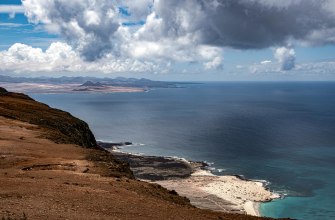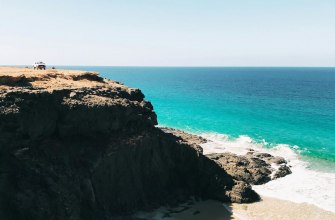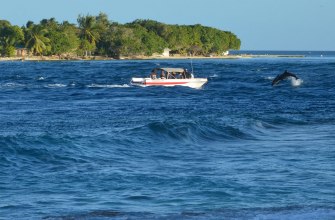
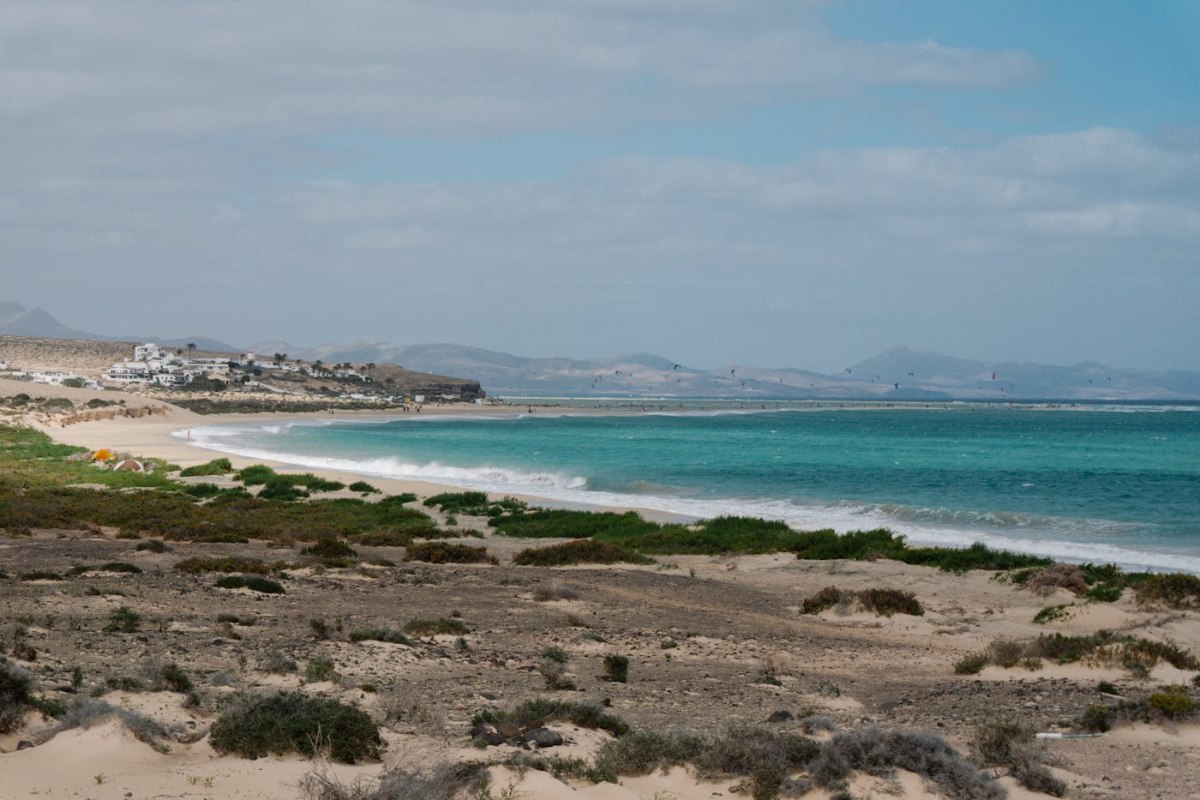
Corralejo sits at the northern tip of Fuerteventura, 4 km from an 11-km belt of golden dunes that forms one of the largest sand-dune systems in the Canary Islands. The town grew from a fishing village of 200 people in the 1960s into a resort of around 15,000 permanent residents, driven by the arrival of mass tourism and the designation of the Corralejo Dunes Natural Park in 1982.
This guide covers the main attractions around Corralejo: the Natural Park and its beaches, the day trip to Lobos Island, water sports at Flag Beach, the Acua Water Park, restaurants along the harbour promenade, and practical information on reaching the town from the airport and from neighbouring Lanzarote.
Corralejo Dunes Natural Park and Grandes Playas
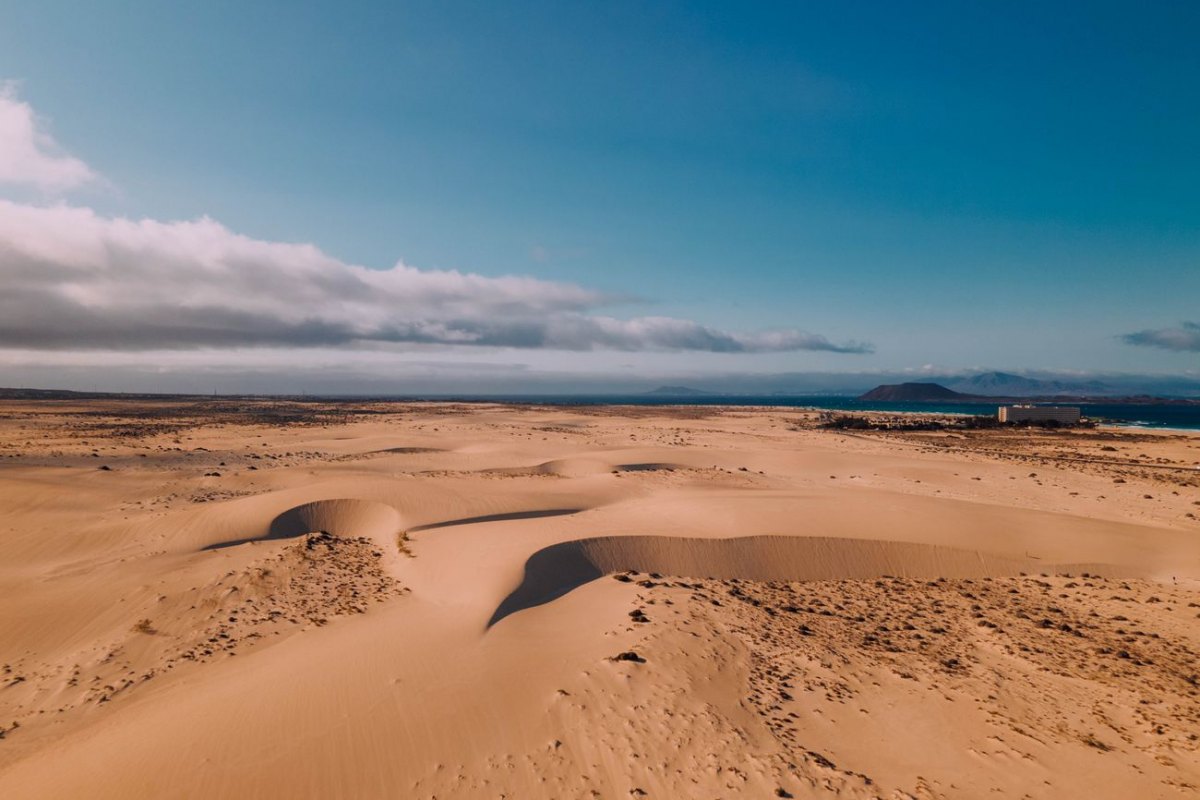
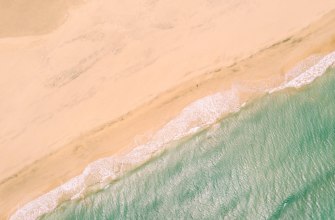
The Parque Natural de las Dunas de Corralejo runs from just south of the town along the east coast, covering 2,668 hectares of protected land. Its dunes reach heights of 15 metres in the interior and stretch 11 km along the shore. The sand is fine, pale gold, and constantly shifting under the trade winds that blow almost every day from the northeast.
The beaches bordering the dunes carry the collective name Grandes Playas. They form a 9-km stretch of uninterrupted shoreline with water that sits at 19-23 degrees Celsius through the year and drops only to 17 in February. The beaches have no bars, no sun loungers, and no showers along most of their length; facilities are limited to two large hotels (Riu Oliva Beach and Riu Palace Tres Islas) that sit within the protected area under grandfather clauses from before the park’s creation. Our guide to the best all-inclusive resorts in Fuerteventura compares these two with the newer options south of Corralejo.
Road FV-1a runs along the dunes from Corralejo south toward Puerto del Rosario. Five car parks along the road provide access at different points. Our overview of Fuerteventura’s main attractions lists the other stops worth combining with Corralejo on a longer island road trip. The windiest sections (closer to Riu Palace) attract kitesurfers, while the more sheltered southern end suits families and swimmers who prefer calmer water.
Isla de Lobos Day Trip
Lobos Island sits 2 km across the strait from Corralejo harbour. The island covers 4.5 km2 and has no permanent residents, no cars, and only one small restaurant (Antoñito el Farero) that operates on limited hours. Access requires an online permit from the Cabildo de Fuerteventura, which caps daily visitors at 400 to protect the fragile ecosystem. Permits are free and should be reserved at least one week ahead during high season.
Three ferry companies run crossings from Corralejo harbour: Naviera Nortour, Líneas Maritimas Romero, and Lobos Island Ferry. The crossing takes 15 minutes each way, and the round-trip fare runs €15-18 per adult. The first ferry leaves at 10:00 and the last return boat departs around 16:00 or 17:00 depending on the season.
The main attractions on the island include La Concha beach (a shallow turquoise lagoon on the western shore), the 6-km circular hiking trail that circles the island, the 120-metre Montaña La Caldera volcanic peak, and the Martiño lighthouse at the northern end. The circular trail takes 3-4 hours at a moderate pace. Bring water, sun protection, and food, because the single restaurant cannot reliably accommodate unplanned visitors.
Water Sports at Flag Beach and Around Corralejo
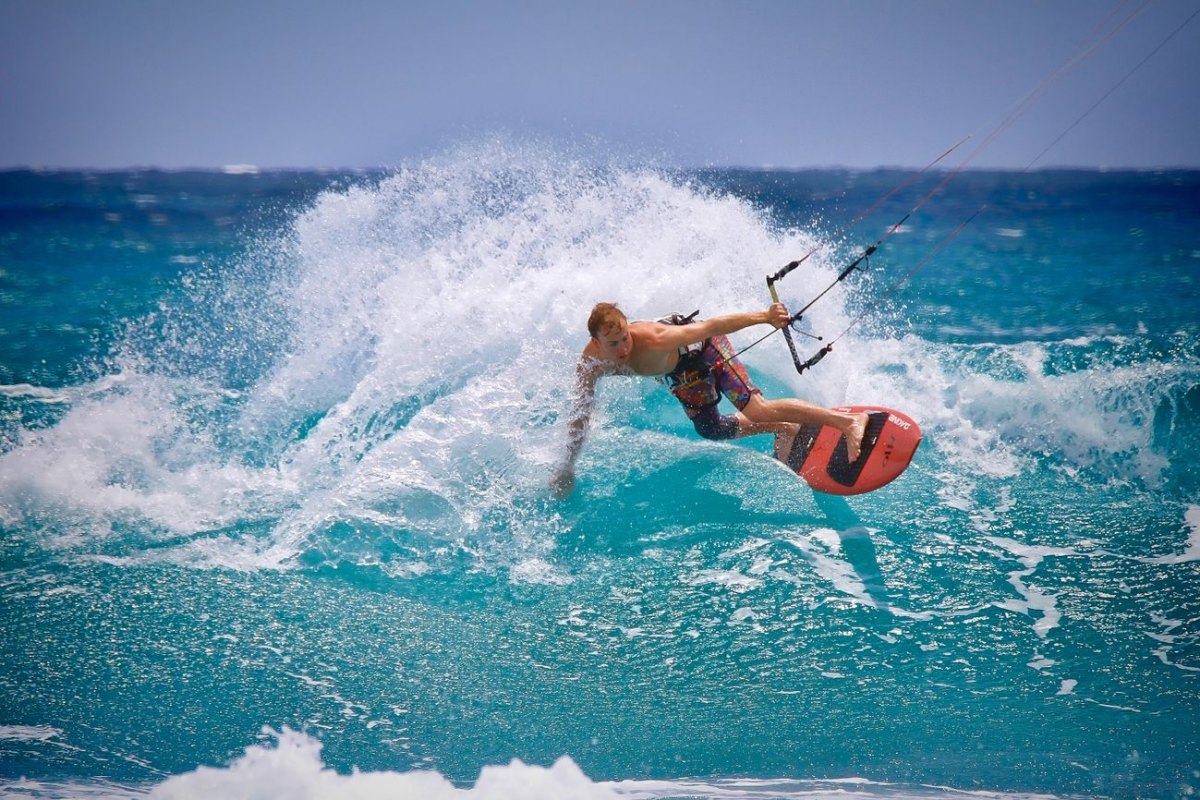
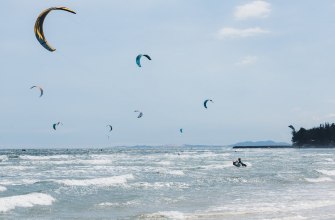
Flag Beach sits 3 km east of Corralejo along the Grandes Playas strip. Its consistent side-shore winds of 15-25 knots from April to October make it one of Europe’s most reliable kitesurfing and windsurfing venues. The wind blows from the left as riders face the water, which suits all rider orientations, and the sandy bottom reduces the risk of injury for beginners.
Several schools operate from the beach and offer lessons from complete-beginner to advanced level. Typical pricing at current market rates:
- Introductory kitesurfing lesson (3 hours): €130-170
- Six-hour beginner kitesurfing course (two days): €270-340
- Windsurfing one-day equipment rental: €50-70
- Stand-up paddleboard rental (1 hour): €12-18
- SUP guided tour to Lobos (3 hours): €50-80
Scuba diving operates from Corralejo harbour. Volcanic reefs extend from shore to 30 metres depth, with visibility of 20-30 metres through most of the year. Resident species include angel sharks (the population recovered sharply after a 2013 fishing ban), barracuda, moray eels, trumpetfish, and seasonal manta ray visitors. Dive centres charge €45-65 for a single shore dive with gear rental included, and €80-120 for a two-dive boat excursion to the reefs around Lobos.
Surfing conditions favour intermediate riders. The reef breaks at Rocky Point and El Hierro (both near Lobos) produce clean waves of 1-3 metres in winter. Beginners learn at the small beach in front of the town, where the waves stay gentle and the bottom is sand.
Acua Water Park and Family Activities
Acua Water Park opened in 2004 on the road between Corralejo and La Oliva, 3 km south of the town. The park covers 12,000 m2 and holds roughly 20 slides, a wave pool, a lazy river, and a children’s splash zone. Entry for adults costs €32 for a day pass and €45 for a two-day pass; children (3-10 years) pay €22 and €30 respectively. The park operates from late March through late October, with hours from 10:00 to 18:00.
Quad bike and buggy tours leave from several operators in town. A standard 3-hour tour covers the volcanic zone around Calderón Hondo and the coast toward El Cotillo, and costs €85-120 per driver. Participants need a full driving licence; passengers can ride without one.
Horse riding tours from Corralejo Riding Center offer 1-hour rides through the dunes for €40 and 2-hour rides along the beach at sunset for €75. Camel rides at the small ranch on FV-101 south of town cater mainly to families with young children and cost €15 for a 20-minute circuit.
Restaurants and Nightlife
The Paseo Marítimo runs along the old fishing harbour from the ferry terminal to Muelle Chico beach. The promenade holds roughly 40 restaurants, most with outdoor terraces overlooking the water and Lobos Island across the strait. Seafood dominates the menus, because the local fishing fleet still lands daily catches at the harbour. Readers who want to understand the broader context of Iberian cooking before they order can consult our guide to traditional food in Spain.
Notable options along the Paseo Marítimo and nearby streets:
- Rompeolas: Seafood-focused, long-standing local favourite, paella and fresh fish in the €15-25 range per main course.
- La Scarpetta: Italian, homemade pasta and wood-fired pizza, popular for family dinners.
- La Marquesina: Mid-range Canarian menu with papas arrugadas, grilled fish, and local goat stew.
- Avenida: Budget-friendly, Canarian home cooking, mains €8-15.
- Amber: Well-regarded Indian restaurant on the main avenue, mains €12-18.
Corralejo’s nightlife concentrates around Centro Comercial Atlantico, a shopping plaza on Avenida Nuestra Señora del Carmen. Bars stay open until 02:00 or 03:00 in high season. Rock Island Café, Kiwi Bar, and Waikiki run the highest-volume crowds; smaller venues like Bar Old Daddy and Rosie O’Grady’s Irish pub suit guests who want conversation rather than loud music. Live music appears at Imagine Lounge and occasionally at beach venues in summer.
Typical meal prices in Corralejo run €12-25 per person for a main course plus drink. Menus of the day (menú del día) offered by many restaurants at lunchtime deliver three courses with wine for €12-18, which represents the best value for visitors on a budget.
Getting to Corralejo
Fuerteventura Airport (FUE) sits near the island capital of Puerto del Rosario, 40 km south of Corralejo. Taxis from the airport cost €50-60 and take 35-45 minutes depending on traffic. Public bus line 6 runs from the airport to Corralejo every 30-60 minutes during the day, takes about 1 hour 10 minutes, and costs €6.
Car rental offers the most flexibility for exploring Fuerteventura and reaching the less accessible beaches. Rates currently run €25-40 per day for a compact car booked two weeks ahead, and €45-70 for walk-up rentals at the airport. All major chains operate counters at FUE.
A sailing route through Spain and Portugal can include Corralejo as a stop for crews heading south from the mainland; the town’s harbour accepts visiting yachts at reasonable overnight fees. Ferries link Corralejo to Playa Blanca on neighbouring Lanzarote. Fred Olsen and Naviera Armas run crossings every 60-90 minutes, taking 25-30 minutes for the 12-km crossing. Foot passenger tickets cost €20-30 each way, and cars cross for €60-90 one way. The ferry carries roughly 40% of day-trippers visiting Corralejo during the peak summer months.
Best Time to Visit
Fuerteventura has the most stable weather of the Canary Islands. Average daytime temperatures stay between 20 and 28 degrees Celsius through the year, with January and February the coolest and August the hottest. Rainfall totals under 100 mm annually across the whole island, most of it falling in November and December as short showers rather than sustained wet weather.
Trade winds blow from April through October and give Corralejo its reputation as a water-sports destination. Wind speeds average 15-20 knots in these months and can reach 30+ knots on the strongest summer days. Kitesurfers and windsurfers plan their visits around these conditions. Visitors seeking calmer sea conditions for swimming and boat trips prefer November through March, when the trade winds ease and the sea settles.
High season runs July through August and around Christmas and New Year, with hotel rates 40-70% above low-season prices and the dunes crowded on weekends. Shoulder seasons (May-June and September-October) offer warm weather, lower prices, and fewer crowds, and many regular visitors consider these months the best compromise for a Corralejo holiday. Travellers comparing the Canaries against other Spanish island destinations often look at our guide to Menorca in the Balearics for a different kind of island atmosphere.
What visitors say
Across reviews and trip reports, a consistent picture of Corralejo emerges, and the patterns are worth knowing before you book.
- The wind is the headline: water-sports visitors rate Flag Beach for its reliability, while beach-only travellers are sometimes caught out by how constantly the trade winds blow, with sand whipping across the dunes on the strongest days. A windbreak earns its place in the bag.
- The dune walk is longer and hotter than it looks: reviewers repeatedly note the route from town to the big dunes is exposed with almost no shade, and recommend driving or taking the resort bus over walking in the midday heat.
- Lobos sells out: the 400-person daily cap means the free permit and the popular ferry slots go early in summer, so visitors stress booking the permit well ahead and carrying water and food, since La Concha lagoon is shallow and lovely but the island has almost no facilities.
- Nightlife leans British and Irish: the bars around the Centro Comercial Atlantico draw a lively pub crowd, which suits some visitors and surprises others who expected a quieter Spanish evening.
- The shoulder months win on value: regulars consistently point to May, June, September and October for warm water, lighter crowds and lower prices, and describe midsummer as hot, windy and busy.
Frequently Asked Questions
Do I need a permit to visit Lobos Island?
Yes. The Cabildo de Fuerteventura requires a free online permit for every visitor to Isla de Lobos, with a daily cap of 400 people. Apply on the Cabildo’s official permit website at least one week ahead during July and August, and 2-3 days ahead during the rest of the year. The permit is checked at the ferry boarding point in Corralejo.
How long does the ferry to Lobos take?
The crossing from Corralejo harbour to Puertito de Lobos takes 15 minutes each way. Three operators run the route with boats leaving every 30-60 minutes from 10:00 until mid-afternoon, and the last return boat departs at 16:00 or 17:00 depending on the season.
Is Corralejo good for kitesurfing beginners?
Yes. Flag Beach offers side-shore winds, shallow sandy water that reduces injury risk, and several schools that run structured beginner courses. A complete beginner typically needs 6-10 hours of lessons spread over 2-3 days before riding independently. The trade-wind season from April to October gives the most reliable conditions.
How many days should I spend in Corralejo?
Five to seven days covers the main attractions at a relaxed pace: two days at the dunes and Grandes Playas, one day on Lobos Island, one or two days on water sports, one day on a road trip inland or to Cotillo on the west coast, and a rest day. Three-day visits work for beach-only trips, while stays longer than ten days suit kitesurfers and divers who want sustained practice time.
Can I walk from Corralejo to the dunes?
Yes. The first dunes start about 3 km east of the town centre along the promenade and road FV-1a. The walk takes 40-50 minutes one way on flat ground, with limited shade. Most visitors prefer to drive or take the Corralejo-Riu resort bus, which stops at several points along the Grandes Playas.
What currency does Corralejo use?
Fuerteventura is part of Spain and uses the euro. Most restaurants, hotels, and water-sports schools accept card payments. Small cafes, beach kiosks, and the single Lobos Island restaurant often operate on cash only. ATMs are common throughout the town.
Sources and Further Reading
- Gobierno de Canarias, Corralejo Dunes Natural Park
- Cabildo de Fuerteventura, Isla de Lobos visitor permits
- Visit Fuerteventura, official island tourism
- ISTAC, Canary Islands Statistics Institute
- Aena, Fuerteventura Airport