The waters around Fuerteventura are some of the richest for marine mammals in the whole Atlantic, with more than 27 species of whales and dolphins recorded off the island. A boat trip to see them is among the most rewarding days out here, but it comes with a responsibility, because the Canary Islands run one of the strictest whale-watching codes in Europe. This guide covers what you can see, when, where to sail from, and how to pick a boat that does it right. For the full set of things to do, see our Fuerteventura travel guide.
What lives in these waters
The deep channel between Fuerteventura and the African coast, and the strait toward Lanzarote, bring an unusual concentration of cetaceans close to shore. The species split into residents and visitors:
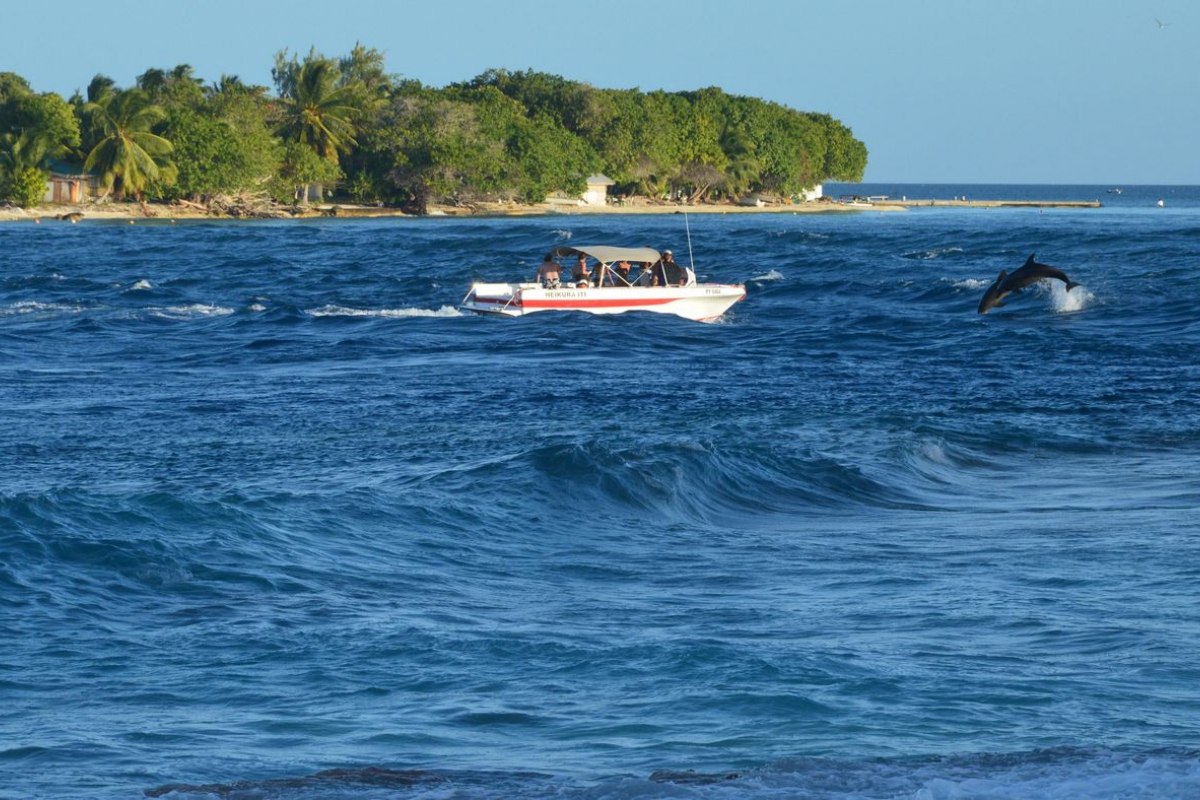
- Bottlenose dolphins: the resident species most trips encounter, often in social groups that ride the bow wave, present year-round.
- Short-finned pilot whales: the other resident, known locally as calderon, a large dark dolphin that travels in tight family pods.
- Common and Atlantic spotted dolphins: frequent and lively, often in large, fast-moving groups.
- Migratory great whales: fin, sperm, Bryde’s and occasionally blue and humpback whales pass through on their ocean journeys, mostly in the warmer half of the year.
That tally of 27-plus recorded species reflects how the island sits on deep, productive water, which is why the Canaries as a whole are among the best whale-watching regions on the planet.
The Blue Boat code you must know
This is the part the generic listings skip, and it matters. The Canary Islands regulate whale and dolphin watching by law, and compliant operators carry the Barco Azul, or Blue Boat, accreditation, a flag that shows the vessel is officially authorised and follows the code of conduct. Choosing a Blue Boat operator is the single most important decision you make, both for the animals and for a trip that will not be cut short by the authorities. The code that these boats follow includes clear rules:
- Keep your distance: boats must stay at least 60 metres from the animals and approach slowly and from the side, never head-on or from behind.
- Limit the time: a maximum of around 30 minutes with any group of animals, so they are not harassed.
- Go slow and steady: no sudden speed or direction changes near the animals, and no more than a set number of boats around a group at once.
- Leave if they are disturbed: the boat must move off if the animals show signs of stress.
- No swimming with dolphins: swimming with wild dolphins and whales is forbidden in Canary waters, so any operator offering it is breaking the law.
Booking a Blue Boat is more than an ethical nicety. It is how you tell a responsible wildlife trip from an unlicensed one, and the accreditation is worth asking about directly before you pay.
Where to sail from
The departure port shapes the trip, because the best cetacean water lies off the south:
- Morro Jable: the main base for dedicated whale and dolphin watching, since the harbour sits closest to the deep southern waters where the residents gather. Most serious wildlife trips leave from here.
- Corralejo: northern trips, often combining dolphin spotting with a sail to Lobos or along the dune coast, good if you are based in the north.
- Caleta de Fuste: central trips, frequently on catamarans that mix wildlife watching with swimming and snorkelling stops in calm bays.
When to go
The residents, bottlenose dolphins and pilot whales, can be seen year-round, so a trip in any season has a strong chance of dolphins. The window for the migratory great whales is broadly April to October, when the warmer water brings species through on their journeys, so a summer or early-autumn trip raises the odds of a larger whale alongside the dolphins. The sea is generally calmer in the morning before the afternoon trade wind builds, which makes morning sailings more comfortable and, for many, better for spotting, since a flat sea shows fins and blows more clearly. Among local skippers June is often singled out as the peak month, when activity near the coast is highest, and the deep water off the south occasionally turns up scarcer visitors, the fin whale and the elusive beaked whales known here as zifios, alongside the resident dolphins and pilot whales.
Choosing the right boat
Beyond the Blue Boat accreditation, the style of vessel changes the day:
- Sailing catamarans and yachts: quiet under sail and gentle on the animals, often with swimming stops, the most pleasant option for a relaxed half day.
- Motor catamarans: roomy and stable, popular for families and larger groups, usually with food and drink included.
- Glass-bottom and smaller boats: closer to the water and good for children, though less stable in a swell.
- Dedicated wildlife boats from Morro Jable: focused on the cetaceans rather than the swimming-and-buffet format, the choice for travellers whose main aim is the whales.
What a typical trip is like
Knowing the shape of the day helps you choose well. A standard excursion runs two to four hours, leaving the harbour and heading for the deeper water offshore where the crew, who watch these waters daily, know the resident pods tend to gather. The bottlenose dolphins are usually the first encounter, often approaching the boat to ride the bow wave, and a good skipper cuts the engine and lets them come rather than chasing, in keeping with the code. Pilot whales, when found, behave differently, logging at the surface in tight family groups, calmer and slower than the dolphins. Many trips build in a stop in a sheltered bay for swimming and snorkelling, which suits families and turns a wildlife outing into a half-day on the water. The crew on the better boats double as informal guides, pointing out the species and explaining the behaviour and the conservation rules, so you leave knowing more than you arrived. It is worth remembering that nothing is guaranteed: these are wild animals in open ocean, and the trade-off for a genuine wild encounter is that some days the sea keeps them hidden.
Beyond the cetaceans
The dolphins and whales are the headline, but the same waters reward a closer look. Loggerhead turtles drift through the channel and are sometimes seen from the boats, and the islet of Lobos and the northern reefs hold rays, octopus and bright shoals that the snorkelling stops reveal. Cory’s shearwaters wheel over the swell on summer evenings, and the deep drop-offs that bring the whales close also make this some of the best diving water in the Canaries. Pairing a wildlife boat trip with a snorkel or a glass-bottom outing, covered alongside the other water-based days in our family activities guide, gives a fuller picture of what lives off the coast, and a trip toward Lobos from the north combines neatly with the boats in our Lanzarote and Lobos boat trips guide.
Making the most of the trip
A little preparation improves the day on the water:
- Bring sun cover and water: the deck is exposed, so a hat, high-factor sunscreen and water are essential even on a cloudy day.
- Take motion-sickness precautions: the open Atlantic can be lumpy, so if you are prone to seasickness, take a remedy before boarding and sit low and central.
- Manage expectations: these are wild animals, so sightings are likely but never guaranteed, and a responsible boat will not chase them to force an encounter.
- Bring a light layer: the wind on the water feels cooler than on the beach, especially under sail.
- Watch quietly: keeping noise down when the animals are near is both courteous and part of the code.
Frequently asked questions
Can you see whales and dolphins in Fuerteventura?
Yes. More than 27 cetacean species have been recorded in the island’s waters, with resident bottlenose dolphins and pilot whales seen year-round and migratory whales passing through mainly between April and October.
What is the Blue Boat certification?
The Barco Azul, or Blue Boat, is the Canary Islands’ official accreditation for whale-watching vessels that follow the legal code of conduct. Choosing a Blue Boat operator ensures a responsible, lawful trip, so ask for it before booking.
Can you swim with dolphins in Fuerteventura?
No. Swimming with wild dolphins and whales is forbidden in Canary waters to protect the animals, so any trip offering it is operating illegally.
Where is the best place for whale watching on the island?
Morro Jable in the south is the main base for dedicated trips, as its harbour is closest to the deep waters where the resident dolphins and pilot whales gather. Trips also run from Corralejo and Caleta de Fuste.
What is the best time of year to see whales?
Dolphins are present all year, while the larger migratory whales are most likely from April to October. Morning sailings tend to have calmer seas and clearer spotting.
Sources and further reading
- Ministerio para la Transicion Ecologica, cetacean protection in Spain
- Reserva de la Biosfera Fuerteventura
- Cabildo de Fuerteventura, island council