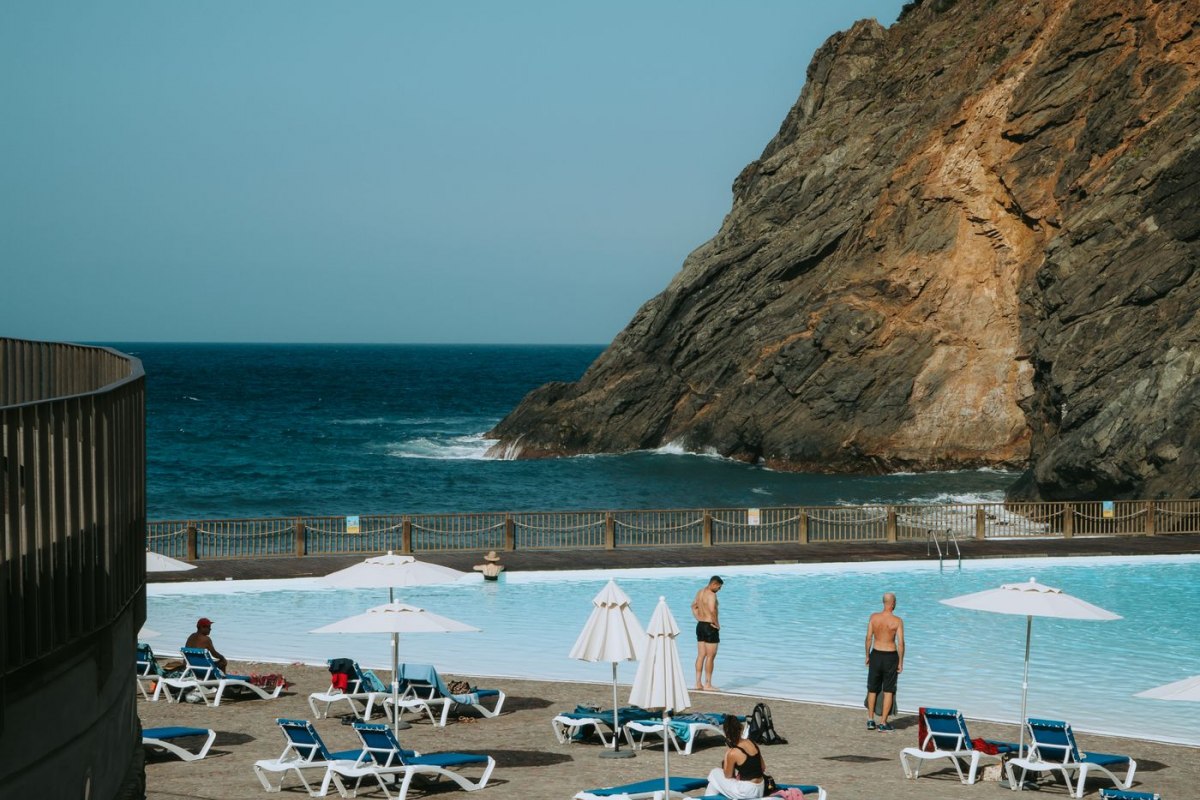
For all its package resorts, Fuerteventura stays one of the calmer Canary Islands, and if you choose carefully you can have the sand and the warmth without the crowds, the strips of bars or the high-rise density. This guide picks out the genuinely quiet places to stay, explains why the island stays low-key even in its resorts, and matches the calm areas to different kinds of traveller. For the full range, start with our guide on where to stay in Fuerteventura.
Why Fuerteventura stays low-key
The island avoids the wall-to-wall development of some rivals for a concrete reason. The whole of Fuerteventura is a UNESCO Biosphere Reserve, declared in 2009, and large stretches of coast sit inside protected natural parks where building is capped. The Corralejo dunes and the Jandia peninsula are frozen at the level of development reached decades ago, which keeps the skyline low and the open space wide. Add the lowest population density of the major Canaries and a landscape that reads as half-desert, and even the busy resorts feel airier than their equivalents elsewhere.
The quietest places to stay
A handful of bases stand out for travellers who want calm above all:
- El Cotillo: a laid-back fishing village on the north-west coast, with reef-sheltered lagoons, a small old harbour, surfer cafes and almost no large hotels. The pick for a slow, low-rise base.
- Las Playitas: a small south-east coastal village built around the Playitas sports resort, a quiet, adults-leaning complex famous as one of Europe’s top triathlon and open-water training bases, with an eight-lane 50-metre Olympic pool. It draws a German and Scandinavian crowd more interested in early swims than late bars.
- Costa Calma: the calmer end of the southern resort run, where pine-lined avenues give an oasis feel and the evenings are sedate compared with Corralejo, with the long Sotavento beach on the doorstep.
- Adults-only resorts: scattered through Jandia and Costa Calma, these four-star properties strip out the children’s entertainment for a quieter pool and a calmer atmosphere, part of the tier in our four-star hotels guide.
What the quiet resorts trade off
Choosing calm comes with compromises worth weighing:
- Fewer restaurants outside the hotel: villages like El Cotillo and Las Playitas have a handful of good places rather than a long strip, so a hire car widens your options.
- Limited nightlife: these areas go quiet after dinner, which is the point for some travellers and a drawback for others.
- A car is often useful: the quietest bases are also the most spread out, so plan for hire-car distances using our airport transfer guide.
- Wind on the open coasts: the calm in atmosphere does not mean calm in weather, and the south and west are breezy by afternoon.
A quieter base with history at Caleta
Even the family resort of Caleta de Fuste hides a quiet, historical corner. The resort takes its old name, El Castillo, from the round 18th-century watchtower that still stands by the marina, built to guard the coast against the Berber pirates who once raided the island. The town’s sheltered, partly man-made beach was created with imported sand and stays calm, and the area sits beside the island’s first golf course, which hosted the Open de Espana in 2004. For travellers who want quiet without isolation, the older, marina end of Caleta offers a middle path between the villages and the big resorts.
El Cotillo and Costa Calma compared
The two most popular quiet bases pull in different directions, and the choice is worth thinking through. El Cotillo in the north-west is a small village rather than a resort: a cluster of low white houses around an old harbour, reef-sheltered lagoons on one side and surf beaches on the other, a handful of fish restaurants and surfer cafes, and almost no large hotels. It suits independent travellers who want a local feel, a hire car and self-catering or a small apartment. Costa Calma in the south is a proper resort but a sedate one, with hotels and apartments along a long beach, pine-lined avenues that soften the desert landscape, and easy access to the Sotavento lagoon. It works better for travellers who want resort facilities, a meal plan and a long beach without the buzz of Corralejo. In short, El Cotillo is the village option and Costa Calma is the quiet-resort option, and which fits depends on whether you want a kitchen and a car or a hotel and a sunbed.
When to visit for quiet
Timing changes how quiet even the quiet places feel. The island’s high season is the northern-European winter, so the calm resorts are at their busiest from December to February, with Christmas, New Year and the Easter break the peak. For genuine quiet with warm weather, the shoulder months of late spring and November tend to be the sweet spot, when the crowds thin but the sea stays swimmable. The hot summer months are quieter with British and Irish visitors but busier with Spanish mainland holidaymakers in August. Midweek is calmer than weekends in the villages, and the further you base yourself from the airport and the big resorts, the more the quiet holds even in peak weeks. As a rule, the north-west villages and the small south-eastern towns stay calmer than the main resort strips at any time of year, so the choice of base matters more than the calendar for finding peace and quiet.
Who the quiet areas suit
- Couples: adults-only resorts or a small El Cotillo apartment for a calm beach week.
- Active travellers: Las Playitas for swimming, cycling and triathlon training in a quiet setting.
- Walkers and nature lovers: rural bases near the protected coasts, close to the trails covered in our volcano walk guide.
- Returning visitors: those who have done the busy resorts and want the slower, more local side of the island.
Quiet beaches near the calm bases
Part of staying somewhere quiet is having calm sand within reach, and the low-key bases score well here. At El Cotillo, the chain of reef-protected lagoons just north of the village stays shallow and sheltered, while the long Playa del Castillo to the south draws surfers rather than crowds. Around Las Playitas and neighbouring Gran Tarajal the beaches are dark volcanic sand and used mostly by locals, so they stay empty even in season. In the far south, the wild expanse of Cofete and the quieter stretches of the Sotavento beach reward anyone willing to walk away from the access points. Because so much of the coast sits inside protected parks where building is capped, many of these beaches have no development behind them at all, which is the real luxury of the island’s quiet side. Our guide to the best beaches in Fuerteventura maps them in full.
Adults-only resorts in depth
For couples and travellers who equate quiet with no children’s entertainment, the island’s adults-only hotels are the most reliable route to calm, and they cluster in the south. These four-star properties, concentrated in Jandia, Costa Calma and the Esquinzo and Butihondo zones, strip out the kids clubs and mini-discos in favour of a quiet pool, a spa, a la carte restaurants and a sunset bar, and they tend to attract a German and central-European crowd more interested in sport, wellness and an early night than nightlife. The German active-holiday Robinson Club at Esquinzo is the best-known of the sporty adults-leaning resorts. The trade-off is that adults-only properties sit mostly in the south, with the longer airport transfer that implies, and they carry a higher base price than the family resorts. For a couple after a calm beach week with full hotel service, though, an adults-only southern resort is the surest bet, and it pairs naturally with the calmer end of the island covered above.
A quiet day on the island
The quiet does not stop at the hotel, and the island rewards travellers who want slow days. A morning swim in the sheltered El Cotillo lagoons or a calm southern beach, a drive into the empty interior to Betancuria or the Vega de Rio Palmas, a long lunch of fresh fish in a village restaurant, and an evening watching the sunset from the west coast make a day with no crowds at all. Because so much of the island is protected and undeveloped, the empty plains, the wild beaches and the dark night skies are the real luxury here, and the Starlight-reserve darkness means a blanket and a clear night deliver a Milky Way most visitors never see at home. For walkers, the marked trails and the quiet volcano routes in our volcano walk guide rarely see another soul outside the most popular crater. The island suits anyone whose idea of a holiday is space and silence rather than a packed resort programme.
Frequently asked questions
Where is the quietest place to stay in Fuerteventura?
El Cotillo on the north-west coast is the standout for a laid-back, low-rise village base. Las Playitas in the south-east is the quietest resort option, and adults-only hotels in Jandia and Costa Calma offer calm within the larger resort areas.
Is Costa Calma quiet?
Yes, by resort standards. Its pine-lined layout and sedate evenings make it far calmer than Corralejo, while still offering a long beach and a good supply of hotels and apartments.
Why is Fuerteventura less built-up than other Canary Islands?
The whole island is a UNESCO Biosphere Reserve, with large protected natural parks where building is capped, and it has the lowest population density of the major Canaries. Together these keep the resorts low-rise and the landscape open.
Do you need a car for a quiet holiday here?
It helps. The quietest bases are the most spread out and have fewer restaurants within walking distance, so a hire car widens your choices and reaches the remote beaches and trails.
Are there adults-only hotels in Fuerteventura?
Yes, a good number of four-star adults-only properties in Jandia and Costa Calma, aimed at couples wanting a quiet pool and an atmosphere without children’s entertainment.
Is El Cotillo a good base without a car?
It is walkable around the village, the lagoons and the harbour restaurants, so a short car-free stay works. A hire car helps for the weekly shop and for reaching the rest of the north, since El Cotillo is small and bus links are limited.
Which is quieter, the north or the south of Fuerteventura?
Both have busy and quiet pockets. Corralejo in the north is the liveliest town, while El Cotillo nearby is among the calmest. In the south, Jandia’s resort zone is busy but Costa Calma and Las Playitas are sedate, so the quiet depends on the specific base rather than the compass direction.
Sources and further reading
- Reserva de la Biosfera Fuerteventura
- Cabildo de Fuerteventura, island council
- Playitas sports resort, Las Playitas