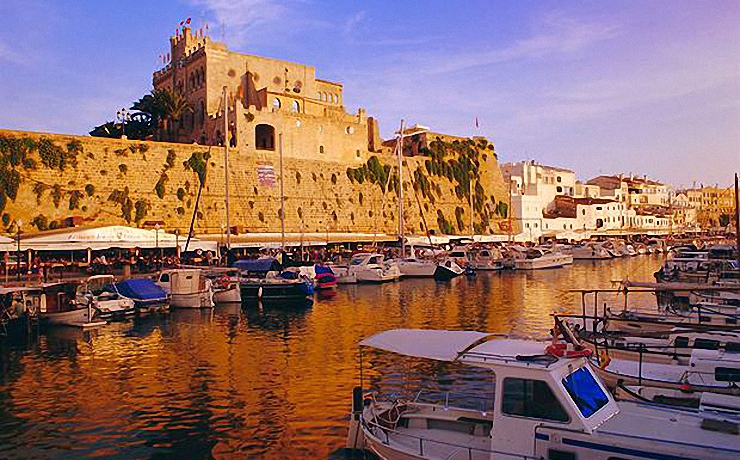
Menorca is one of the most rewarding islands in Spain for travellers who want sun, sea and Mediterranean culture without the crowds of Mallorca or the party scene of Ibiza. Quiet beaches, prehistoric stone monuments, walled medieval towns, fresh seafood and a UNESCO-protected biosphere together make this northern Balearic island one of the great hidden gems of Spain. This 2026 guide walks through the geography, the top sights, the beaches, the food and the practical details for planning a trip.
Where Is Menorca?
Menorca is the northernmost of the Balearic Islands, the chain of Spanish islands in the western Mediterranean that also includes Mallorca, Ibiza and Formentera. The island measures about 50 km from east to west and around 20 km from north to south, with a total area of just over 700 square kilometres and a population of around 100,000 people. The two main towns are Mao (Mahon), the capital on the eastern coast, and Ciutadella, the historic former capital on the western tip.
Compared with the busier islands of Ibiza and Mallorca, Menorca is wetter, cooler and far less developed. The climate is classic Mediterranean, with warm sunny summers, mild winters and the famous tramontana wind that blows down from the north and shapes the island’s landscape and culture.
UNESCO Biosphere Reserve and S’Albufera des Grau National Park
The cooler and rainier climate of Menorca gives the island some of its most unique and prized features. The landscape in parts of the island can best be described as green wetlands rich in plant and animal life, a striking contrast to the drier hills of Mallorca and Ibiza. UNESCO designated the entire island a Biosphere Reserve in 1993 in recognition of the high quality of its natural environment and the careful balance between tourism and conservation.
The Spanish government has also declared part of Menorca a national park where building development is banned. S’Albufera des Grau Natural Park, located on the northeastern coast, is the heart of the biosphere reserve and one of the best places in Spain to see rare birds, reptiles and plants. The park covers around 5,000 hectares of wetlands, lagoons, dunes, beaches and pine forests, and includes the islet of Colom just offshore.
Birdwatchers from all over Spain and Europe travel to Menorca to catch a glimpse of species that are hard to spot elsewhere, including ospreys, booted eagles, Audouin’s gulls, herons, cormorants and a wide range of migratory birds that stop on the island during their journey between Europe and Africa. Visitors to the park can also walk the path around the freshwater lagoon and enjoy the tranquillity of Menorca at its fullest. A visitor centre at the entrance offers maps, exhibits and information on the local wildlife.
Cami de Cavalls Coastal Path
One of the great experiences in Menorca is walking the Cami de Cavalls, the historic 185 km coastal path that loops around the entire island. The path was originally built in the 14th century to allow horse patrols to defend the coast against pirate raids and has been carefully restored in recent years as a hiking and cycling trail. The route is divided into 20 sections that range from easy beach walks to more demanding rocky coastal climbs, and most can be completed as half-day or full-day excursions from a base in Mao or Ciutadella.
The Beaches of Menorca
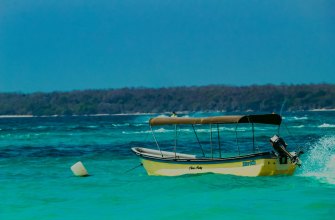
Menorca holds more than 120 beaches and coves, more than Mallorca and Ibiza combined. The beaches divide into two main types. The southern coast holds calm, white-sand coves backed by pine forests and turquoise water that often rivals the Caribbean. The northern coast is wilder and rockier, with reddish sand, dramatic cliffs and the strongest winds. Some of the most famous beaches:
- Cala Macarella and Cala Macarelleta. Two of the most photographed beaches in Spain, with crystal-clear water surrounded by pine-covered cliffs.
- Cala Mitjana. A small cove on the southern coast with calm shallow water, popular with families.
- Cala en Turqueta. A turquoise beach reached by a forest path, often described as one of the most beautiful in the Balearics.
- Cala Pregonda. A wild, reddish-sand beach on the northern coast that feels almost Martian in colour.
- Son Bou. The longest beach on the island at over 2 km, with full facilities and easy access for families.
- Cala Galdana. A horseshoe-shaped bay with calm water and a small resort town on the southern coast.
Many of the best beaches require a short walk from the nearest car park, which keeps the crowds smaller than at the easily accessible resort beaches.
The Towns of Menorca
Mao (Mahon)
Mao, the capital of Menorca since 1722, sits at the head of one of the largest natural harbours in the world. The harbour stretches 5 km inland from the open sea and has been an important naval base for centuries, including during the period of British rule in the 18th century. The town itself holds elegant 18th-century streets, classic Spanish plazas, the Santa Maria church with its enormous organ, the historic Xoriguer gin distillery (a legacy of the British era) and a buzzing food scene around the harbourfront.
Ciutadella de Menorca
Ciutadella, the former capital on the western tip of the island, is widely considered the most beautiful town in Menorca. The medieval old town is filled with narrow streets, baroque palaces, the Gothic cathedral of Santa Maria, the historic Plaza des Born and the picturesque small port lined with seafood restaurants. Every June, Ciutadella hosts the famous Festes de Sant Joan, one of the most spectacular traditional festivals in Spain, with horses dancing through the crowds, fireworks and a unique mix of medieval and Mediterranean traditions.
Other Towns Worth Visiting
- Fornells. A whitewashed fishing village on the northern coast, famous for its lobster stew (caldereta de langosta) and its calm bay perfect for windsurfing.
- Binibeca Vell. A picture-perfect village of low whitewashed houses inspired by traditional Greek island architecture.
- Es Castell. A small town just outside Mao, founded by the British in the 18th century and still showing strong colonial influences.
Prehistoric Menorca: Talayotic Sites
Menorca holds one of the highest concentrations of prehistoric monuments in Europe, and in 2023 UNESCO inscribed the island’s Talayotic culture on the World Heritage list. The Bronze Age and Iron Age inhabitants of Menorca built distinctive stone monuments that still stand across the countryside today, including:
- Talayots, large stone watchtowers built between 1400 and 1000 BC.
- Taulas, mysterious T-shaped stone monuments unique to Menorca.
- Navetas, prehistoric burial chambers shaped like upturned boats.
The most important sites include Naveta des Tudons, the oldest roofed building in Europe, dating from around 1200 BC, and the impressive Torre d’en Galmes, the largest Talayotic settlement on the island.
Shopping in Menorca
Menorca is not famous for its shopping, but the island offers a few interesting stops for clothing, souvenirs and local crafts. The main town of Mao hosts a market every Tuesday and Saturday with dozens of stalls selling clothing, jewellery, leather goods and traditional arts and crafts. Ciutadella holds its own weekly market every Friday and Saturday morning. Local specialities to look for include the famous Menorcan avarques (traditional leather sandals), Mahon cheese, hand-blown glass, traditional gin and the soft cotton textiles produced on the island for centuries.
Menorca Museum (Museu de Menorca)
The Museu de Menorca in Mao is a good place to spend a couple of hours, especially on Sundays when admission is free. The museum is housed in a 15th-century former Franciscan monastery in the heart of the old town and covers the full history of Menorca from prehistoric and Talayotic times through Roman, Byzantine and Muslim rule to more recent eras, including the period of British rule in the 18th century. The collection holds prehistoric pottery, Roman mosaics, medieval Christian art and a wide range of artefacts from the British colonial period.
Food and Drink in Menorca
Menorca has built a strong food scene around its fresh seafood, traditional cheeses and unique local products. Some specialities to try:
- Caldereta de langosta. The legendary spiny lobster stew of Fornells, traditionally served in two courses (the broth first, then the lobster).
- Mahon cheese (Queso de Mahon). A semi-hard cow’s milk cheese with a protected designation of origin, named after the capital.
- Sobrasada. A spreadable cured pork sausage flavoured with paprika.
- Coca de Menorca. A flatbread similar to pizza, topped with vegetables, sausage or seafood.
- Pomada. The traditional drink of Menorca, made by mixing local Xoriguer gin with cloudy lemonade. Served at every village festival.
- Ensaimada. The famous spiral pastry shared with neighbouring Mallorca, perfect with a morning coffee.
The harbour restaurants in Mao, Ciutadella and Fornells are the best places to enjoy fresh fish and seafood with a sea view.
How to Get to Menorca
Menorca Airport (MAH), located about 5 km southwest of Mao, connects to most major European cities during the summer season, with regular flights from London, Madrid, Barcelona, Paris, Berlin, Milan and many others. Domestic flights from mainland Spain run year-round.
Several ferry routes also connect Menorca with mainland Spain and the other Balearic Islands. Operators such as Trasmediterranea, Balearia and Grimaldi Lines run regular services from Barcelona, Valencia, Palma de Mallorca and Alcudia.
Getting Around the Island
The best way to explore Menorca is by rental car, which gives easy access to the more remote beaches and prehistoric sites. Buses run between Mao, Ciutadella and most of the larger coastal resorts but service to smaller beaches can be limited. Cycling is also popular, especially along the Cami de Cavalls and the rural roads of the interior.
Best Time to Visit Menorca
- May, June, September and early October. The ideal months, with warm weather, sea temperatures comfortable for swimming and far smaller crowds than the peak summer.
- July and August. Peak season, with the warmest weather and the busiest beaches. Book accommodation well in advance.
- Late October to April. Quiet and authentic, but many resort hotels and beach restaurants close for the winter. Good for hiking the Cami de Cavalls and exploring the towns without the crowds.
Practical Tips
- Currency. Euro (EUR). Cards work almost everywhere.
- Language. Spanish and Catalan are both official, and the local dialect is known as menorqui. English is spoken in most tourist areas.
- Visa. Menorca is part of the Schengen area, so visa rules follow standard Spanish requirements.
- Sun protection. The Mediterranean sun is strong even outside the peak summer. Bring high-SPF sunscreen, a hat and plenty of water.
- Respect the protected areas. Many of the most beautiful beaches sit inside the biosphere reserve. Pack out all rubbish and stick to marked paths.
- Festivals. Plan around the famous Sant Joan festival in Ciutadella in late June if you want to experience traditional Menorca at its most spectacular.
Final Thoughts
Menorca is the quiet jewel of the Balearic Islands, and that is exactly why so many travellers fall in love with it. Spend a morning hiking a section of the Cami de Cavalls, an afternoon swimming at Cala Macarella, an evening eating lobster stew in Fornells and a long Sunday wandering the narrow streets of Ciutadella, and you start to understand why this small Spanish island has earned its UNESCO Biosphere status and its growing reputation as one of the most authentic Mediterranean destinations in Europe. Whether you come for the beaches, the prehistoric monuments, the food or the simple pleasure of slowing down, Menorca rewards travellers who give it the time it deserves.