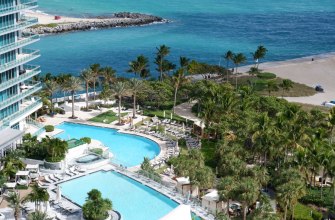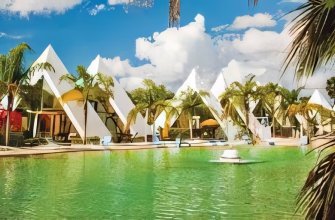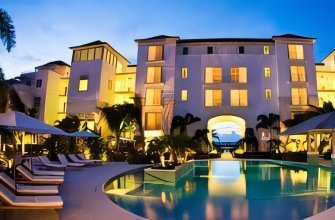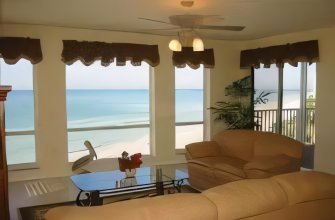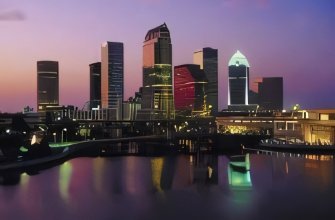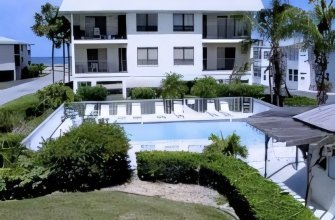
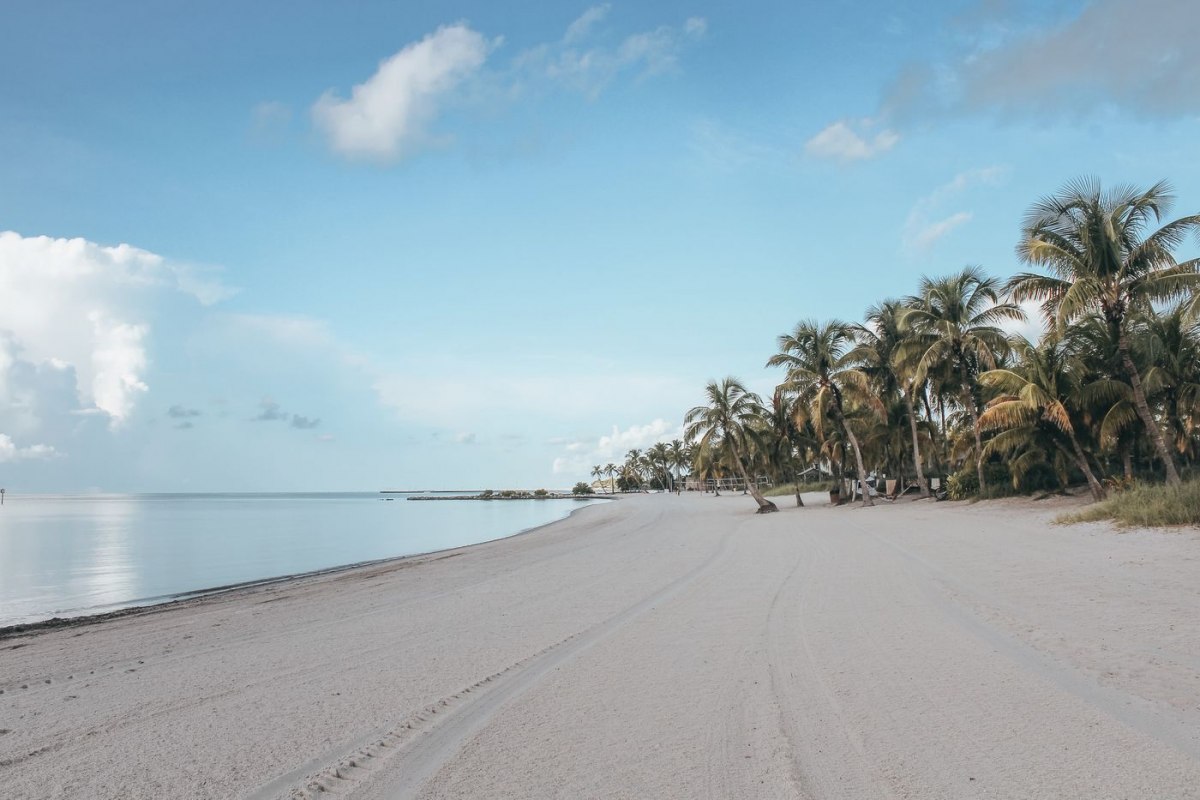
Florida drew over 140 million visitors in 2023, more than any other U.S. state except for California. The state stretches 800 miles from the Alabama border to Key West, with over 8,000 miles of shoreline split between the Atlantic Ocean and the Gulf of Mexico. That geographic spread creates distinct vacation zones: the theme park cluster around Orlando, the white-sand panhandle beaches along the Emerald Coast, the Atlantic surf towns from Jacksonville to Miami, the Gulf Coast barrier islands, the Everglades wetlands, and the coral reef waters of the Florida Keys. Each region offers a different kind of trip, and choosing the right spot depends on whether the goal is thrill rides, beach time, wildlife, nightlife, or historical sites.
Orlando and the Theme Park Corridor
Orlando anchors central Florida’s tourism economy with four major theme park complexes within a 30-mile radius: Walt Disney World (four parks plus two water parks), Universal Orlando Resort (four parks including the new Epic Universe), SeaWorld Orlando, and LEGOLAND Florida in nearby Winter Haven. The parks employ over 100,000 people and generate the bulk of Orlando’s roughly 75 million annual visitor count.
Beyond the parks, Orlando holds attractions that get less attention but justify a day on their own. The Kennedy Space Center on the Atlantic coast is a 45-minute drive east and offers tours of launch pads, the Space Shuttle Atlantis exhibit, and occasional live launch viewing. Blue Spring State Park, 30 miles north, draws hundreds of manatees to its warm spring run between November and March – the viewing boardwalk is free with park entry. The city of Winter Park, just north of downtown Orlando, runs a scenic boat tour through a chain of lakes and canals that passes through residential neighborhoods and cypress-lined waterways.
The Emerald Coast: Destin, Panama City, and 30A
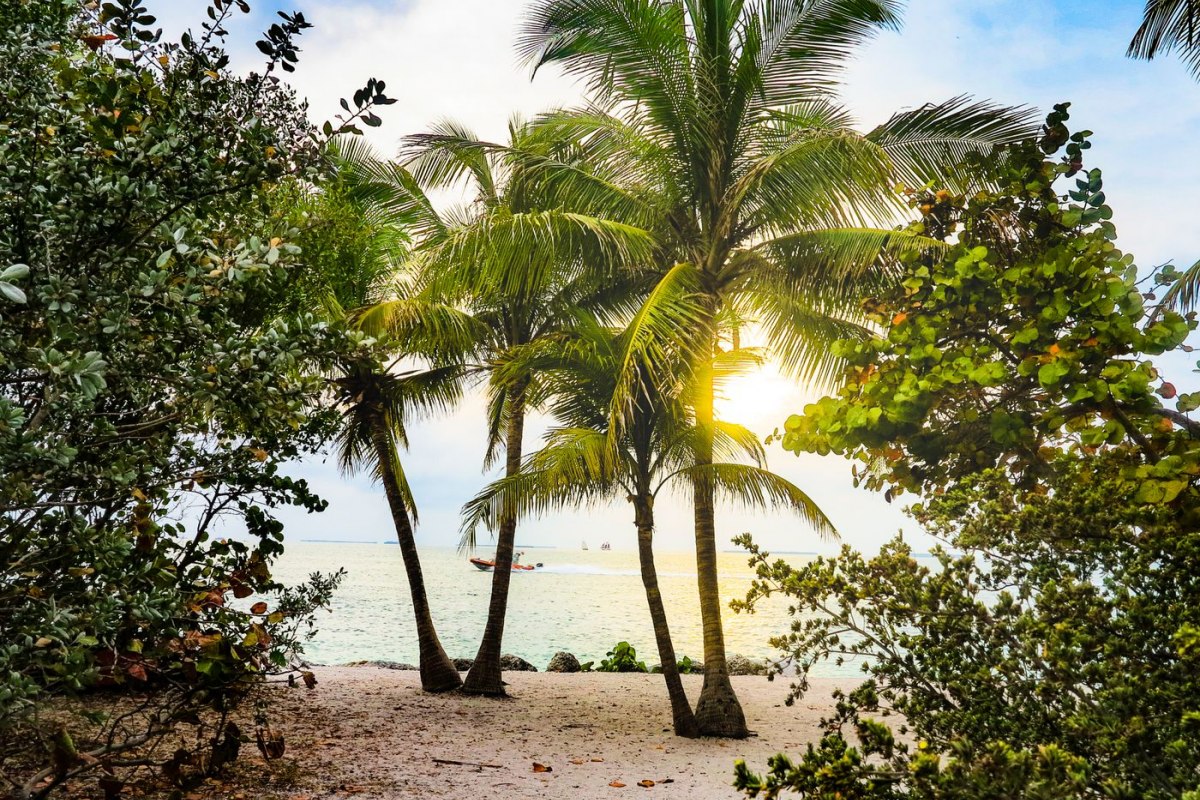
Florida’s panhandle coastline runs along the Gulf of Mexico from Pensacola to Panama City, and the central stretch earns the name “Emerald Coast” from the green-blue water produced by quartz sand reflecting sunlight through shallow, clear Gulf waters. Destin sits at the center of this stretch and receives roughly 4.5 million visitors per year. The town’s 12 public beaches draw families, but deep-sea fishing drives the local economy – Destin bills itself as the “World’s Luckiest Fishing Village” and charters run daily for red snapper, grouper, and king mackerel.
The Scenic Highway 30A corridor, running 24 miles between Destin and Panama City Beach, threads through a string of planned communities and small beach towns – Seaside, Rosemary Beach, WaterColor, Alys Beach, Grayton Beach – each with its own architectural style and pace. Grayton Beach State Park regularly appears on national “best beaches” lists for its undeveloped dunes and coastal dune lakes, a rare geological feature found in only a few locations worldwide.
Panama City Beach, at the eastern end of the Emerald Coast, draws a younger, more party-oriented crowd during spring break season (March and April) and shifts to a family destination through the summer months. The Gulf waters here stay warm enough for swimming from April through October.
Miami, Fort Lauderdale, and the Southeast Coast
Miami operates as Florida’s international gateway. The city’s South Beach neighborhood combines Art Deco architecture, a 3-mile public beach, and a nightlife scene that runs until sunrise. The Wynwood Arts District fills an entire neighborhood with street murals and galleries. Little Havana along Calle Ocho serves Cuban coffee, cigars, and live salsa music in a neighborhood where Spanish dominates daily conversation.
Fort Lauderdale, 30 miles north, has shed its 1980s spring break reputation and rebuilt around a waterfront dining scene, the NSU Art Museum, and the Bonnet House Museum and Gardens. The city’s network of canals – 165 miles of them – earned it the nickname “Venice of America” and supports a water taxi system that connects downtown hotels to the beach strip.
Key vacation spots along Florida’s southeast coast:
- Palm Beach – Worth Avenue luxury shopping, Flagler Museum, Norton Museum of Art
- Boca Raton – Gumbo Limbo Nature Center, Red Reef Park, Mizner Park dining
- Hollywood – Hollywood Beach Broadwalk (a 2.5-mile oceanfront promenade), Anne Kolb Nature Center
- Key Biscayne – Bill Baggs State Park, Crandon Park, views of the Miami skyline across Biscayne Bay
The Gulf Coast: Sanibel, Naples, and Sarasota
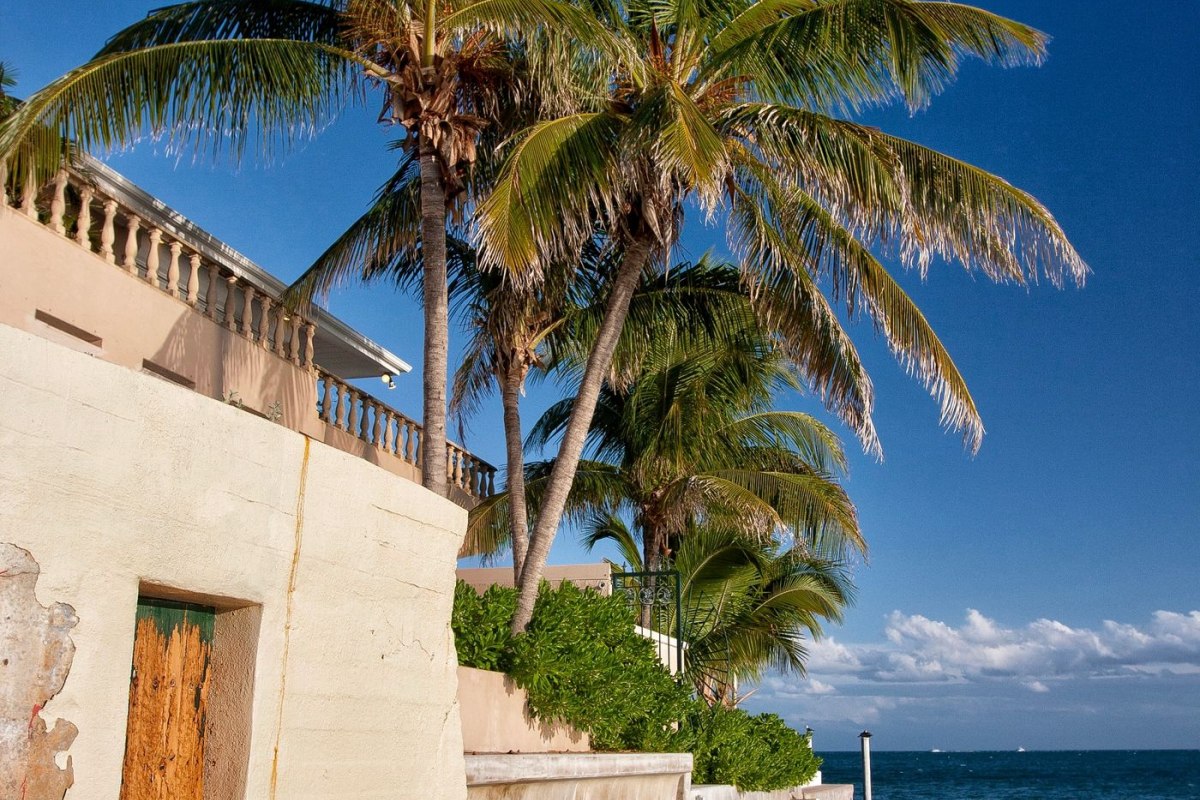
Florida’s Gulf Coast south of Tampa attracts visitors who prefer quieter beaches, wildlife viewing, and smaller-town atmospheres over the crowds of Miami or Orlando. Sanibel Island, accessible by a single causeway from Fort Myers, is known as a shelling destination – its east-west orientation catches shells carried by Gulf currents that other north-south beaches miss. The J.N. “Ding” Darling National Wildlife Refuge covers a third of the island and supports roseate spoonbills, ospreys, alligators, and manatees.
Naples, further south, pairs white sand beaches with an upscale downtown of galleries, restaurants, and boutiques along Fifth Avenue South and Third Street South. Sarasota, further north, holds the Ringling Museum complex (art museum, circus museum, and a Venetian-style mansion) and the Marie Selby Botanical Gardens on Sarasota Bay. The barrier islands of Siesta Key and Anna Maria Island rank among the least commercially developed beach destinations on the Gulf Coast.
Tampa and St. Petersburg, connected by bridges across Tampa Bay, combine urban attractions with Gulf beach access. Busch Gardens Tampa Bay runs roller coasters and African wildlife exhibits across a 335-acre park. The Salvador Dali Museum in St. Petersburg holds the largest collection of Dali’s work outside Spain. Clearwater Beach, a short drive west of Tampa, consistently ranks among the top-rated beaches in the United States on travel platforms and draws families to its wide sand and shallow Gulf waters.
Northeast Florida: St. Augustine, Jacksonville, and the Space Coast
St. Augustine, founded by Spanish colonists in 1565, is the oldest continuously occupied European settlement in the continental United States. The Castillo de San Marcos, a coquina stone fort completed in 1695, still stands on the waterfront and operates as a National Monument. The town’s pedestrian-friendly historic district runs along St. George Street, lined with shops, restaurants, and museums housed in buildings that date from the Spanish and British colonial periods. The Lightner Museum, installed in the former Hotel Alcazar built by Henry Flagler in 1888, holds collections of Tiffany glass, Victorian art, and period furniture.
Jacksonville, 40 miles north, covers more land area than any other city in the continental U.S. and holds the longest stretch of public beach on Florida’s Atlantic coast at roughly 22 miles. The Cummer Museum of Art and Gardens overlooks the St. Johns River, and the Riverside Avondale neighborhood draws food and craft beer tourists to its walkable restaurant district. Amelia Island, at the state’s northeastern tip, offers a quieter alternative with a Victorian-era downtown in Fernandina Beach and Fort Clinch State Park.
The Space Coast, centered around Cape Canaveral and Cocoa Beach, serves visitors who want to combine beach time with space history. The Kennedy Space Center Visitor Complex runs bus tours past active launch pads, houses the Space Shuttle Atlantis in a full-scale exhibit, and sells tickets for launch viewing when SpaceX or NASA missions are scheduled. Cocoa Beach itself is a classic Florida surf town with a compact downtown and Ron Jon Surf Shop, the state’s most recognizable surf retail brand.
The Florida Keys and the Everglades
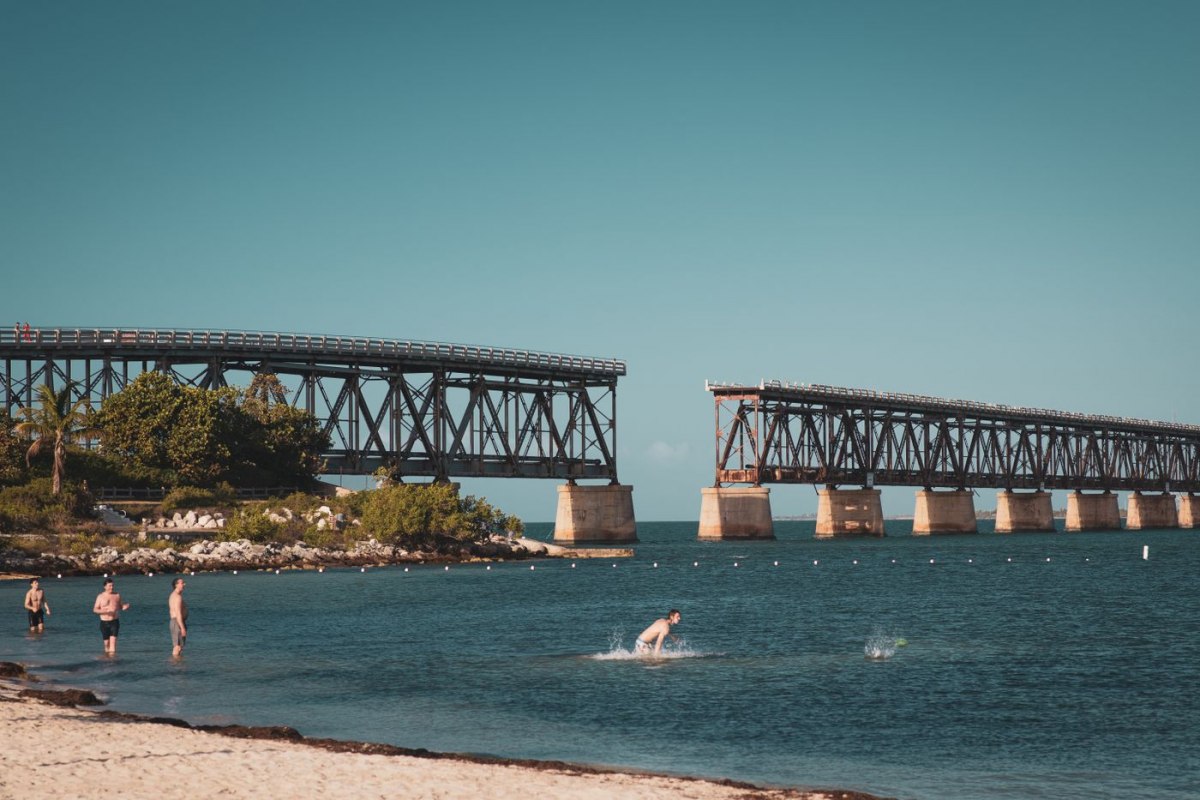
The Overseas Highway (U.S. Route 1) runs 113 miles from the mainland at Florida City to Key West across 42 bridges connecting a chain of limestone islands. Key Largo, the first major key, holds John Pennekamp Coral Reef State Park – the first undersea park in the United States, established in 1963 – where visitors snorkel or dive over the only living coral barrier reef in the continental U.S. Islamorada calls itself the “Sport Fishing Capital of the World.” Marathon hosts the Turtle Hospital, a veterinary facility that rehabilitates injured sea turtles.
Key West, at the southern end, sits closer to Havana (90 miles) than to Miami (160 miles). The town’s Duval Street runs from the Gulf of Mexico to the Atlantic Ocean in less than a mile, lined with bars, galleries, and the Ernest Hemingway Home and Museum, where roughly 60 polydactyl cats – descendants of Hemingway’s original six-toed cat – roam the property.
The Everglades, stretching across the southern tip of the peninsula, cover 1.5 million acres of sawgrass marshes, mangrove forests, and coastal prairies. Everglades National Park offers airboat tours, kayak trails, and walking boardwalks through habitats that support alligators, crocodiles, Florida panthers, and over 360 bird species. The park represents the largest subtropical wilderness in the United States.
Choosing your Florida region
With six distinct zones, the fastest way to plan is to start from what you want rather than from a map.
- Theme parks: Orlando, with Tampa’s Busch Gardens as a quieter add-on. For where to base, see the best family resorts in Florida guide.
- Calm family beaches: the Gulf Coast, from the Emerald Coast and 30A down to Sanibel, Siesta Key and Clearwater, where the water is shallow, warm and gentle.
- Surf, nightlife and city energy: the southeast Atlantic coast, Miami and Fort Lauderdale.
- Wildlife and quiet: Sanibel, the Everglades and the Gulf barrier islands.
- History: St. Augustine, the oldest European-founded city in the country.
- Snorkelling and the end-of-the-road feel: the Keys and Key West.
Practical planning notes
- Match the airport to the region. Orlando (MCO) for the parks, Tampa (TPA) or St. Pete-Clearwater (PIE) for the central Gulf, Fort Myers (RSW) for Sanibel and Naples, Miami (MIA) or Fort Lauderdale (FLL) for the southeast and the Keys, and Pensacola (PNS) or Destin (VPS) for the panhandle. The state is too long to see end to end in one trip, so fly into the region you actually want.
- Orlando is inland. The parks sit about two hours from either coast, so a theme-park trip and a beach trip rarely share one base. Pick one and treat the other as a day out.
- Check the beach report. The Gulf Coast gets occasional red tide blooms that can close beaches and irritate eyes, and the Atlantic side sees seasonal sargassum seaweed in summer. Both are local and short-lived, but worth checking for your dates, something the brochures never mention.
- Budget the extras. Florida has no state income tax but a sales tax of around six to seven and a half percent, theme-park parking and resort fees on top of room rates, and tolls on many of the fast roads around Orlando and Miami. Plan the wider trip with the Florida visitor guide.
Frequently Asked Questions
What is the best time to visit Florida?
Late February through April offers warm weather (24-29 degrees Celsius), lower humidity than summer, and access to spring events. Summer (June-August) brings peak heat, afternoon thunderstorms, and the busiest theme park crowds. Hurricane season runs from June 1 through November 30, with peak risk in August through October.
Which Florida destination is best for families?
Orlando’s theme park corridor suits families with children of all ages. For beach-focused family trips, Destin and the 30A corridor offer calm Gulf waters and lower crowds than the Atlantic side. Sanibel Island works for families interested in nature and wildlife rather than amusement parks.
Is Florida expensive for vacations?
Costs vary sharply by destination. Miami and Key West run at the higher end for hotels and dining. The panhandle beaches (Destin, Panama City) and the Gulf Coast north of Naples offer mid-range pricing. Orlando hotel rates drop significantly outside of school holiday periods, and many attractions offer multi-day passes that reduce the per-day cost.
What are the best beaches in Florida?
Grayton Beach State Park on 30A, Siesta Key Beach near Sarasota, and Sanibel Island regularly appear on national rankings. Clearwater Beach on the Gulf Coast and the Dry Tortugas (accessible by ferry from Key West) offer different experiences – Clearwater for accessibility and services, Dry Tortugas for remote snorkeling around a Civil War-era fort.
Sources and Further Reading
- VISIT Florida – Official Florida Tourism Statistics and Travel Guide (visitflorida.com)
- U.S. News Travel – Best Places to Visit in Florida Rankings (travel.usnews.com)
- TravelPulse – Florida Travel Guide: Destinations, Events, Attractions (travelpulse.com)
- Florida State Parks – Official Park Listings and Visitor Information (floridastateparks.org)