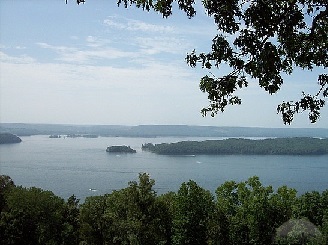
Lake Guntersville State Park covers 6,000 acres along the Tennessee River in northeast Alabama, combining a resort lodge, golf course, zipline, and convention center with 36 miles of hiking trails, primitive campsites, and access to Alabama’s largest lake. The lake itself – technically a reservoir created by Guntersville Dam on the Tennessee River – stretches 75 miles and covers 69,100 acres of water, ranking consistently among the top largemouth bass fisheries in the United States. The park operates year-round and serves an unusual range of visitors: bass tournament anglers, corporate retreat groups, families on weekend camping trips, and birdwatchers who come for the winter bald eagle programs. This guide covers lodging, camping, fishing, hiking, and the seasonal events that draw visitors to the park.
The Lake: Fishing and Water Activities
Lake Guntersville has hosted multiple Bassmaster and FLW tournament events and regularly appears on national rankings of the best largemouth bass lakes in the country. The fishery produces largemouth bass, smallmouth bass, crappie, catfish, striped bass, and bluegill. Winter bass fishing draws anglers specifically – the lake’s shallow vegetation beds hold bass through the colder months when many other southeastern lakes go quiet. The Town Creek Fishing Center inside the park sells Alabama fishing licenses, tackle, bait, and rents johnboats, pontoon boats, and canoes.
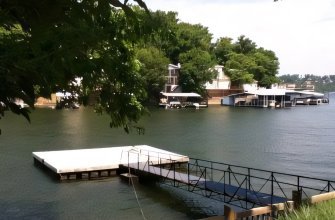
Water activities beyond fishing include swimming at the park’s beach complex (open from Memorial Day through Labor Day), a splash pad for younger children, and boat launching from multiple ramps along the park’s shoreline. Kayak and canoe access puts paddlers on the main lake and on Town Creek, a quieter tributary that runs through the park’s interior. The lake’s size and exposure to wind can create choppy conditions on open water, so small-boat operators should check weather forecasts before heading out.
The lake’s ecology supports a diverse bird population beyond the winter eagles. Great blue herons, ospreys, double-crested cormorants, and wood ducks nest along the shoreline. Spotted bass and sauger supplement the more famous largemouth fishery, and catfish anglers target blue catfish and channel catfish in the deeper channel areas near the dam. Alabama fishing licenses are required for anyone over 16 and can be purchased at the Town Creek Fishing Center, online through the Alabama Department of Conservation, or at sporting goods stores in Guntersville. A non-resident annual license costs $51; a 7-day trip license runs $26.
Lodging: Lodge, Chalets, and Cabins
The park offers four lodging categories. The Lake Guntersville State Park Lodge sits on the summit of Taylor Mountain, a ridge overlooking the lake from roughly 350 feet above the waterline. The lodge has 321 rooms and suites, a full-service restaurant with lake views, meeting rooms for corporate events, and an indoor pool. Room rates range from $100 to $200 per night depending on season and view.
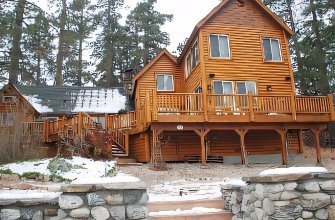
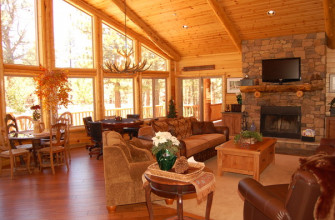
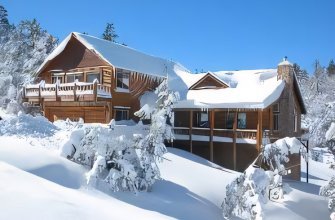
Twenty ridge-top chalets provide a mid-point between lodge rooms and independent camping. Each chalet includes a living room, kitchen with cookware, two bedrooms, a bathroom, a gas fireplace, and cable television. The chalets sit above the lake with views through the tree canopy and sleep four to six people. A practical note for winter guests: the gas fireplaces in enclosed chalets produce carbon monoxide, a colorless gas that builds up without proper ventilation. Check that the CO detector in your unit works when you arrive, and crack a window if the air feels stale after running the fireplace for a few hours.
Lakeside cabins put guests directly on the water. The cabins are simpler than the chalets but include basic kitchen facilities, bedrooms, and porches facing the lake. Cottage units near the beach complex serve families who want proximity to the swimming area and splash pad.
Lodging options at a glance:
- Lodge – 321 rooms on Taylor Mountain, restaurant, pool, conference facilities
- Chalets – 20 ridge-top units, full kitchen, fireplace, sleeps 4-6
- Lakeside cabins – waterfront, basic kitchen, porches
- Cottages – near beach complex, family-oriented
Camping: RV Sites, Tent Sites, and Primitive Options
The main campground near the beach holds 229 full-hookup sites (water, electric, sewer), 65 sites with water and electric only, and nearby bathhouses with showers. Full-hookup sites accommodate RVs up to 40 feet. The campground fills on weekends from April through October, and reservations through the Alabama State Parks system are recommended for peak season visits.
Primitive camping at the Town Creek area serves tent campers and backpackers who prefer less infrastructure. These sites have no hookups, no concrete pads, and limited vehicle access – the trade-off is solitude in a pine forest along a creek that feeds into the main lake. A hundred primitive sites spread across the area, most without assigned numbers, giving campers space to choose their own spot.
Campsite rates run from $22 per night for primitive tent sites to $35 for full-hookup RV sites, with discounts for Alabama residents and seniors. Firewood bundles are available at the camp store. Quiet hours run from 10:00 PM to 6:00 AM across all campgrounds.
The camp store carries basic groceries, ice, charcoal, and firewood. A coin-operated laundry facility serves the main campground. Pets are allowed in the campground on leash but not in the lodge, chalets, or cabins. Cell service from major carriers (AT&T, T-Mobile, Verizon) works across most of the park, though signal weakens in the creek valleys and lower campsites. Wi-Fi is available in the lodge and convention center but not in the campground or chalets.
Hiking and Trail Network
The park maintains 36 miles of trails across a range of difficulty levels. The Taylor Mountain Trail, the longest and most challenging route, climbs to the same ridge that holds the lodge and offers views across the lake and the surrounding hill country. The Lickskillet Trail follows the lake shoreline through hardwood forest and connects to the beach area. The Tom Bevill Interpretive Trail, a shorter loop near the nature center, includes labeled stations identifying native plants, geological features, and wildlife habitats.
Guided nature hikes run every Saturday morning, led by a park naturalist. The guided walks follow moderate trails and take roughly two hours, covering topics like seasonal wildflowers, migratory bird identification, and the geological history of the Tennessee River valley. Mountain bike trails and horse trails share some of the park’s route network – check the trail map at any visitor kiosk for current designations and seasonal closures.
Getting There and Nearby Attractions
Lake Guntersville State Park sits roughly 30 miles southeast of Huntsville, Alabama’s second-largest city and home to the U.S. Space and Rocket Center – the museum holds a Saturn V moon rocket and runs the original Space Camp program. The town of Guntersville, population around 8,500, sits on a peninsula surrounded by the lake on three sides and provides restaurants, grocery stores, fuel, and basic services within a 10-minute drive of the park entrance.
The park occupies a central position in northeast Alabama’s outdoor recreation corridor. Buck’s Pocket State Park, 25 miles east, offers rugged canyon hiking with less development than Guntersville. Cathedral Caverns State Park, 20 miles south, holds a cave entrance 126 feet wide and 25 feet high – the largest commercial cave opening in the world. The Walls of Jericho, a limestone canyon on the Alabama-Tennessee border, provides a challenging 6.5-mile round-trip hike to a 200-foot amphitheater-shaped rock formation at the canyon floor. Visitors staying at Guntersville for three or four days can combine the state park with day trips to two or three of these sites.
Interstate 65 and U.S. Route 431 provide the primary highway access. From Birmingham, the drive takes roughly 90 minutes. From Nashville, Tennessee, the drive runs about 2.5 hours via I-65 south to Decatur and then east on Highway 67. The park has no public transit access; a personal vehicle or rental car is required.
Eagle Awareness and Seasonal Events
Alabama’s nesting bald eagle population has recovered from near-extinction in the state, and Lake Guntersville has become one of the primary wintering grounds for eagles in the Southeast. The park runs Eagle Awareness programs on select weekends in January and February, featuring guided eagle viewing trips by boat, indoor presentations by wildlife biologists, and photography workshops. Viewing stations along the lake provide scopes and binoculars for spotting eagles perched in trees or fishing along the shoreline.
The Screaming Eagle Zipline, which runs from Taylor Mountain down toward the lake, operates year-round (weather permitting) and covers roughly 1,000 feet at speeds up to 55 km/h. The park’s 18-hole championship golf course follows the ridge terrain with elevation changes on most holes and lake views from several tees. Green fees run $25-$45 depending on day and time, with cart rental included in some packages.
The park’s Nature Center runs year-round programming for families and school groups. Exhibits cover the Tennessee River’s natural history, local wildlife identification, and the geology of the Cumberland Plateau. Weekend programs include campfire talks, owl prowls (guided nighttime walks to listen for barred owls and great horned owls), and star-gazing sessions when the park’s elevation and distance from city lights produce clear skies. The convention center hosts weddings, reunions, and corporate retreats for groups that want meeting facilities combined with outdoor recreation access.
Frequently Asked Questions
What is Lake Guntersville State Park known for?
The park is known for bass fishing on Alabama’s largest lake, a full-service resort lodge on Taylor Mountain, 36 miles of hiking trails, and winter bald eagle viewing programs. The lake has hosted multiple national bass fishing tournaments and ranks among the top largemouth bass fisheries in the United States.
How much does it cost to camp at Lake Guntersville State Park?
Primitive tent sites start at $22 per night. Full-hookup RV sites run up to $35 per night. Lodge rooms range from $100 to $200 depending on season. Day-use entry to the park is free for most areas, though specific facilities like the golf course and zipline charge separately.
When is the best time to visit Lake Guntersville State Park?
Spring and fall offer the best weather for hiking and camping. Winter (January-February) draws birdwatchers for the Eagle Awareness programs. Summer provides the longest beach and swimming season but brings heat above 35 degrees Celsius and higher campground demand. Bass fishing peaks in spring and late fall.
Can you swim at Lake Guntersville State Park?
The park operates a beach complex with a designated swimming area, open from Memorial Day through Labor Day. A splash pad for younger children runs during the same season. The beach has no lifeguard on permanent duty, so swimming is at your own risk.
Sources and Further Reading
- Alabama State Parks – Lake Guntersville State Park Official Page (alapark.com)
- Encyclopedia of Alabama – Lake Guntersville State Park (encyclopediaofalabama.org)
- Lake Guntersville Chamber of Commerce – Tourism Information (lakeguntersville.org)
- America’s State Parks – Lake Guntersville Activities and Lodging (americasstateparks.org)