An African safari is the trip many travellers wait a lifetime for, and the choices you make before you go shape both the experience and its effect on the wildlife you came to see. The word safari simply means journey in Swahili, and today the overwhelming majority of safaris are about the camera, not the gun. This guide walks through what to settle before you travel: where and when to go, the health and safety basics, how to pick an operator that protects rather than harms wildlife, and the legal and ethical lines around hunting that every visitor should understand.
Photographic safari or hunting safari
The first decision is the most important, and for most people it is already made. A photographic safari, the standard form, takes you into national parks and reserves to watch and photograph animals in the wild. A hunting safari, legal in parts of southern and eastern Africa under licence, is a different and far more contentious activity, tightly regulated and increasingly restricted.
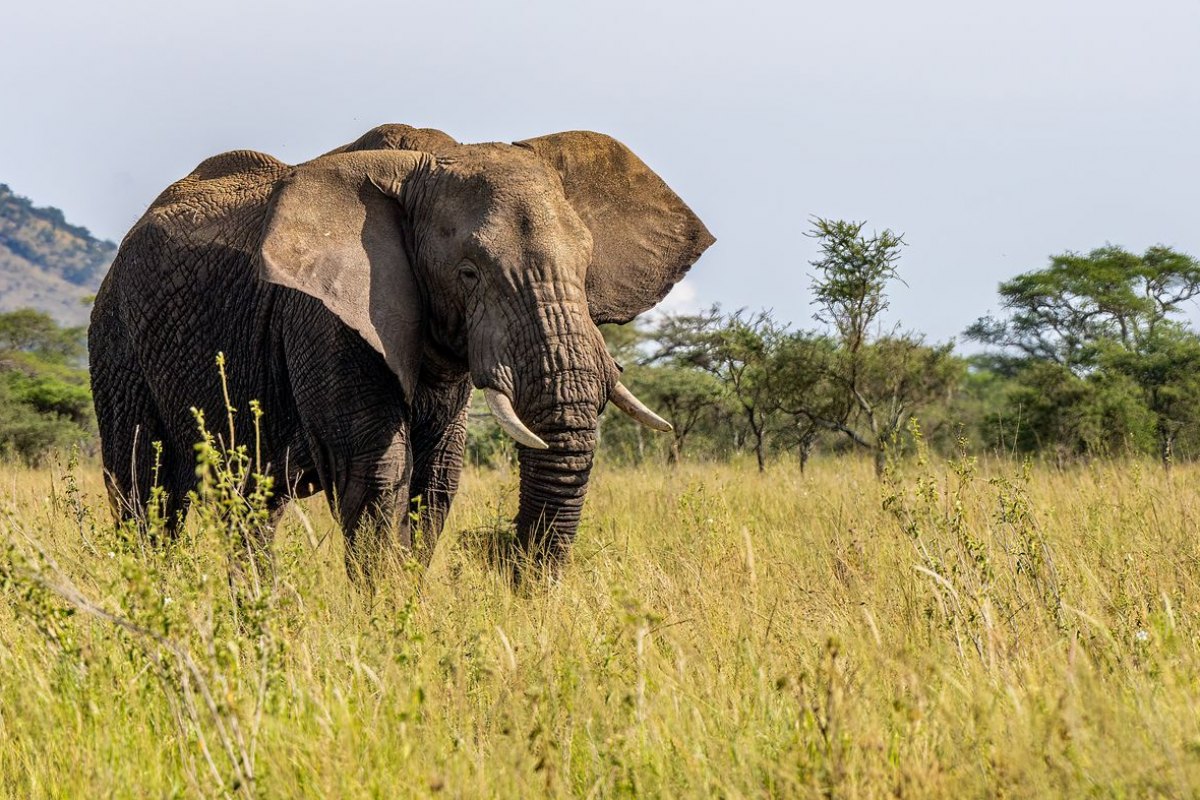
- The Big Five: the lion, leopard, elephant, rhino and buffalo. The term came from hunters, who rated these the hardest and most dangerous to take on foot, but today it means the five sightings photographic visitors most hope for.
- Why photographic dominates: it brings far more money to far more people, supports park budgets and community jobs, and leaves the animals alive for the next visitor, which is why it is the model almost every African tourism board now promotes.
- If hunting is involved: it carries legal and ethical weight covered below, and it is worth being clear-eyed about that before booking anything described as a hunting safari.
When and where to go
Timing and destination decide what you will actually see, and the two are linked.
- The dry season: roughly May to October across much of the region, when thin vegetation and animals gathering at waterholes make game far easier to spot. The green season brings newborn animals and birds but thicker cover and some rain.
- East Africa: the Serengeti in Tanzania and the Maasai Mara in Kenya for the great wildebeest migration, timed to the rains and river crossings.
- Southern Africa: Kruger in South Africa for accessibility and the Big Five, the Okavango Delta in Botswana for water-based game viewing, Etosha in Namibia for its waterholes, and South Luangwa in Zambia for walking safaris.
The safari countries, compared
Each safari country offers a different experience, and the right one depends on what you want to see and how you want to travel.
- Kenya and Tanzania: the classic choice, with the Serengeti and Maasai Mara and the wildebeest migration, plus the Ngorongoro Crater and a strong range of camps at every budget.
- Botswana: the high-end, low-impact option, built around the water world of the Okavango Delta and the elephants of Chobe, with small camps and premium prices.
- South Africa: the most accessible, with the vast Kruger park, easy self-drive, world-class private reserves alongside it, and malaria-free options in the Eastern Cape that suit families.
- Namibia: deserts, the waterholes of Etosha and a pioneering network of community conservancies, well suited to self-drive travellers.
- Zambia and Zimbabwe: the home of the walking safari in South Luangwa and the Lower Zambezi, paired with Victoria Falls on the border.
- Uganda and Rwanda: not for the savanna but for the mountain gorillas, tracked on foot in the forests of Bwindi and the Virunga volcanoes under a strict, costly permit system that funds their protection.
The kind of safari to choose
A safari is not only a 4×4 game drive, and the format changes the experience as much as the destination does.
- Game drive: the classic, in an open vehicle with a guide, covering ground at dawn and dusk when animals are most active. The easiest and most productive option for first-timers.
- Walking safari: on foot with an armed guide, strong in Zambia’s South Luangwa, for tracking, smaller details and a sharper sense of being in the wild. Better for the reasonably fit.
- Water safari: by boat or traditional mokoro canoe in the Okavango Delta and along rivers, a quiet way to reach animals that vehicles cannot.
- Balloon and self-drive: a hot-air balloon over the Serengeti or Mara at sunrise is a splurge with a view, while self-drive safaris in well-marked parks like Kruger and Etosha suit confident, budget-minded travellers who want to set their own pace.
Beyond the Big Five
The Big Five are the headline, but seasoned safari-goers know the real treasures are often the harder sightings, and the timing that brings them.
- The rare predators: the cheetah of the open plains and the endangered African wild dog, or painted wolf, are prized sightings that many visitors rate above the lion.
- The great migration, month by month: the wildebeest calve on the southern Serengeti plains early in the year, move north through the middle months, and brave the Mara River crossings from around July to October, the most dramatic wildlife event on earth.
- The primates: tracking mountain gorillas and chimpanzees in the forests of Uganda, Rwanda and Tanzania is a different kind of safari, intimate and on foot.
- The smaller wonders: Africa is one of the world’s great birding destinations, and a good guide will turn a quiet hour into a lesson in dung beetles, weaver nests and tracks in the dust.
Health and safety to sort first
Much of safari country carries health risks that need planning weeks ahead, not at the airport.
- Malaria: most safari regions are malarial, so antimalarial tablets, repellent and covered clothing at dusk are essential. A few areas, such as parts of the Eastern Cape, are malaria-free and worth considering for young families.
- Vaccinations: yellow fever proof is required to enter some countries, and routine and travel vaccines should be reviewed with a travel clinic well before departure.
- On the ground: follow the guide without exception, keep arms and heads inside the vehicle, never stand up or get out near animals, and respect the distances the rangers set. Wild animals are not tame, and the rules exist because people are hurt when they ignore them.
Choose an operator that protects wildlife
The single biggest ethical lever a visitor holds is the choice of operator. A good one channels money to conservation and local communities; a bad one stresses animals and pockets the difference.
- Look for credentials: membership of recognised responsible-tourism or ecotourism bodies, and lodges that fund anti-poaching and community projects.
- Avoid the red flags: operators that promise guaranteed close encounters, allow off-road chasing of animals, bait predators for a photo, or offer cub-petting and walking-with-lions, which feed the captive-breeding industry.
- Favour community-run camps: conservancies and community-owned lodges, strong in Kenya and Namibia, put tourism income directly into the hands of the people who live alongside the wildlife and give them a reason to protect it.
How safaris pay for conservation
The strongest argument for a photographic safari is that, done well, it gives wildlife and wild land a value that protects them.
Park fees fund rangers and anti-poaching patrols, and in Kenya and Namibia in particular, community conservancies channel tourism income directly to the people who share the land with lions and elephants, turning wildlife from a threat to livestock into a source of jobs and schools. Where that link works, communities defend the animals; where it breaks, habitat is lost to farming and poaching. Choosing a camp that genuinely supports conservation and local employment is therefore the most useful thing a visitor can do, and the reason the photographic model has so thoroughly overtaken hunting as the future of African wildlife tourism.
The ethics you cannot ignore
Hunting safaris sit inside a hard ethical and legal frame, and anyone considering one, or simply wanting to understand the debate, should know the basics.
- CITES and import bans: international trade in the parts of protected species is controlled under the CITES convention, and the United States, the United Kingdom, the European Union and others have banned or tightly restricted the import of hunting trophies from lions, elephants and rhinos.
- Canned hunting: the shooting of captive-bred, hand-reared lions in fenced enclosures is condemned across the conservation world and has no defenders among serious biologists. South Africa has moved to shut down its captive-lion farms, which hold thousands of animals bred for the bullet.
- The contested middle: some southern African governments argue that strictly regulated, quota-based hunting of wild animals funds conservation and gives rural communities a stake in protecting habitat. Critics dispute the figures and the ethics. It is a genuine debate, not a settled one, and worth reading both sides before forming a view.
What to pack
Safari packing rewards restraint and a few specific items.
- Neutral clothing: greens, browns and khaki that do not spook animals or show dust, with warm layers for cold open-vehicle mornings and light cover for the midday sun.
- Binoculars and a zoom: a decent pair of binoculars for each person and a camera with a long lens do more for the experience than anything else. Leave the flash off near animals.
- The practical kit: high-factor sun protection, strong insect repellent, a hat, a soft duffel rather than a hard case for small bush flights, and any personal medication in your hand luggage.
Etiquette, tipping and respect
How you behave on safari matters to the animals, the guides and the communities you pass through.
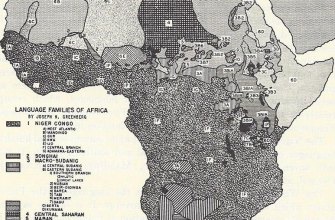
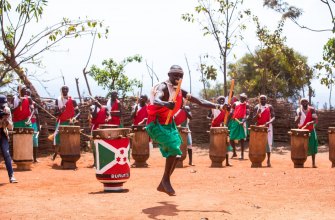
Keep voices low at sightings, never litter or feed wildlife, and ask before photographing people in villages. Tipping is expected and is a real part of guides’ and trackers’ income, so budget for it separately and tip the camp staff and your guide at the end of the stay. Buying crafts directly from local makers and choosing community lodges spreads the benefit of your visit, the spirit that runs through our look at the continuity and change in African cultures and the continent’s many language families.
Frequently Asked Questions
When is the best time to go on safari in Africa?
The dry season, roughly May to October, is best for game viewing, when sparse vegetation and animals gathering at waterholes make wildlife easier to spot. East Africa’s wildebeest migration peaks with the river crossings around the middle of the year. The green season offers newborn animals, fewer crowds and lower prices, with thicker cover.
Is an African safari safe?
Yes, with sensible precautions. Take antimalarial medication where needed, check vaccination requirements such as yellow fever before you travel, and follow your guide’s instructions around animals at all times. The real risks come from ignoring the rules, not from the wildlife itself.
What is the difference between a photographic safari and a hunting safari?
A photographic safari is the standard trip, watching and photographing animals in national parks and reserves. A hunting safari involves shooting animals under licence and is legal only in certain countries and under strict quotas. Photographic safaris are far more common, support more livelihoods and leave the animals alive.
Is trophy hunting in Africa legal and ethical?
Regulated hunting is legal in several countries, but the trade in trophies is controlled by CITES and many nations now ban the import of lion, elephant and rhino trophies. Canned hunting of captive-bred lions is widely condemned and being phased out in South Africa. Whether even regulated wild hunting helps conservation is genuinely debated, so read both sides.
What should I pack for a safari?
Neutral-coloured clothing in greens and browns, warm layers for cold mornings, sun protection, strong insect repellent, binoculars and a camera with a zoom lens. Pack into a soft bag for small bush flights and keep medication in your hand luggage.
Sources and Further Reading
- CITES, Convention on International Trade in Endangered Species
- IUCN, International Union for Conservation of Nature
- South African National Parks (SANParks)
- African Wildlife Foundation