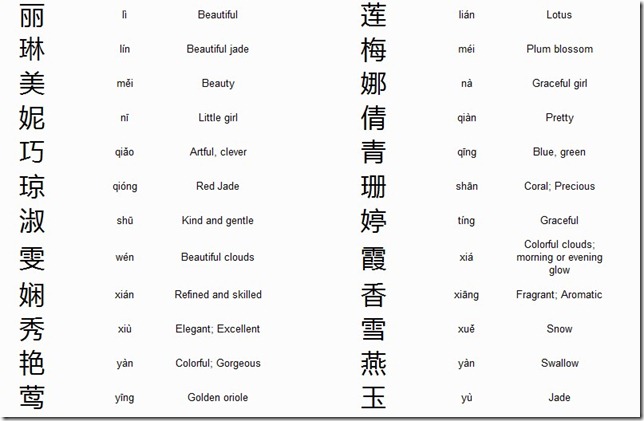
A Chinese parent picks one or two characters that the daughter will write on every form for the rest of her life, and the choice carries weight. Behind those characters sits a logic the wider Anglosphere rarely sees: a 2,500-year poetic tradition, regional name lists released each January by the Public Security Bureau, a personal energy chart that tells the family which radical the child needs, and a quiet rebellion against whichever name was on every birth certificate ten years ago. This guide names the characters Chinese parents pick for daughters now, where those characters come from, and how the same syllable can carry three different meanings depending on which hanzi a parent writes.
Most pages on Chinese girls’ names list 200 entries, sort them by aesthetic, and stop at pinyin. Globerove takes the work further: every name below has its character, its source (poem, statistic, or 五行 logic), and its position in the live name market. For broader context on naming customs and the xing/ming structure, see the Chinese naming customs hub. For surname history, read about the most common Chinese surnames. Some characters here also draw on the Chinese love symbols tradition.
How Chinese Girls’ Names Work: Structure and Rules
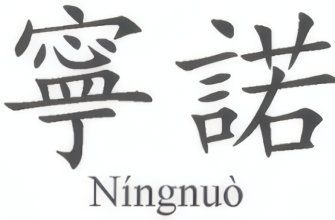
A Chinese name reads family-first: 王小雨 is Wáng Xiǎoyǔ, with Wang as the surname and Xiaoyu as the given name. The surname (姓 xìng) is one character in 99% of cases, inherited from the father, and Wang, Li, Zhang, Liu, and Chen account for roughly a third of the population.
The given name (名 míng) uses one or two hanzi from a working pool of about 3,500 commonly registered characters. Two-character given names dominate: China’s 2021 national name report from the Ministry of Public Security showed roughly 89% of newborn girls received a two-character given name. With about 5,000 surnames in active use across 1.4 billion citizens, two characters give parents enough combinatorial room to avoid duplicate full names that crash through school registers and bank databases.
Some clans still keep a 字辈 (zìbèi), a generational poem written by an ancestor where each character of the poem assigns the shared character for that generation. The Zhang sisters of Hefei, Anhui, raised in the 1920s as 张元和, 张允和, 张兆和, 张充和, share the radical 儿 in the second character because the family poem dictated it. The Zhang line ran for over twenty generations before urban migration thinned the practice. 字辈 still operates across rural Fujian, Zhejiang, and Hunan and inside Hakka clans and overseas Chinese communities.
Three rules constrain every choice. A daughter is never named after a living elder, since direct namesakes violate Confucian seniority order. Homophones of unlucky words get cut: a Sichuanese parent will often skip 涓 (juān, trickling) for a girl because in regional speech it overlaps with 鹃 (the cuckoo, a bird tied to mourning), and any character built around the 死 radical is automatically excluded. Tonal flow matters as much as meaning. A name with three identical tones reads flat, so parents speak the full sequence aloud before committing. A short list of common homophone-related pitfalls circulates among new parents on Weibo and 小红书 each year.
Names from Nature and Beauty
Plant, weather, and terrain characters carry the largest share of girls’ names registered in mainland China since the 1980s. The aesthetic logic comes from classical Chinese painting and Confucian gender roles: a daughter is framed as flowering, growing, gentle, water-like.
- 梅 méi – plum blossom, the flower that opens during late winter snow. Carries connotations of resilience.
- 兰 lán – orchid, a “君子” (junzi, gentleman) plant in classical taxonomy because it grows in remote valleys and gives off fragrance without seeking notice.
- 莲 lián – lotus. Buddhism arrived from India by the Han dynasty and made 莲 a symbol of purity rising from muddy water.
- 樱 yīng – cherry blossom. The same hanzi feeds Japanese sakura but reads differently in tone and association in Mandarin.
- 雪 xuě – snow. Used as a single character (Xue) or in compounds: 雪琴 (Xuěqín, snow zither), 雪芹 (Xuěqín, snow celery, the courtesy name of Cao Xueqin, author of Dream of the Red Chamber).
- 云 yún – cloud. Light, free, drifting. Compound: 云霓 from the Chuci.
- 蕊 ruǐ – flower bud. Grew popular after the 2010s for its visual delicacy.
- 芳 fāng – fragrance, paired with 华 (splendor) for 芳华, the title of a 2017 film that pushed the character back into use.
- 春 chūn – spring. Pairs with 兰 (Chunlan), 燕 (Chunyan, spring swallow), or 喜 (Chunxi, spring joy).
The post-1949 generation of girls received heavy doses of 英 (yīng, hero), 桂 (guì, osmanthus), and 红 (hóng, red), reflecting state ideology and rural floral idioms. Their granddaughters now receive 蕊, 沐, 玥 – the same nature category, but the radicals shifted from collective revolutionary to private and refined.
Names That Express Virtue and Character
Confucian ethics built a vocabulary of moral attributes that parents still write into daughter names. The Stanford Encyclopedia of Philosophy treats 仁 (rén, benevolence), 义 (yì, righteousness), 礼 (lǐ, ritual propriety), 智 (zhì, wisdom), and 信 (xìn, trustworthiness) as the five primary virtues codified by Kongzi (Confucius) and his commentators. Parents prefer the softer subset for girls.
慧 (huì, wisdom) ranks among the most enduring single-character girls’ names, registered without break across every census decade since 1950. 敏 (mǐn, quick-minded) appears in the names of journalists, doctors, and translators across the past three generations. 德 (dé, virtue) is heavier and now feels generational – common in 1950s-born women, rare in girls born after 2000.
静 (jìng, calm), 婷 (tíng, graceful), and 婉 (wǎn, gentle) carried the entire 1990s and 2000s before fading. The MPS 2021 report logged 婷 in the top ten girls’ characters for over fifteen years. By 2024, regional reports showed 婷 dropping out of the top thirty in Chongqing and Nantong, replaced by 玥 and 瑶.
淑 (shū, kind and gentle) traces straight to the Shijing poem 静女, which opens “静女其姝” (the calm maiden, how fair she is). Educated parents who want a Confucian register without the 1950s flavor pick 淑 because the source is recognized but the character is not yet exhausted.
雅 (yǎ, refined) and 仪 (yí, dignified bearing) cover the higher-status end of the virtue category. 雅 pairs with 琴 (zither) for 雅琴, with 萱 for 雅萱, or stands alone. 仪 entered modern use through Republican-era educated women and survived the 1949 break because its meaning was politically neutral.
Names from Jade, Gold, and Precious Materials
Jade carries a moral charge in classical Chinese thought. The Liji (Book of Rites) lists eleven virtues a 君子 should learn from jade: warmth without softness, hardness without sharpness, brightness without dazzle, and so on. Parents who name a daughter with a jade radical are framing the wish in Confucian terms: she should resemble jade in character, not in price.
- 玉 yù – jade itself. Combines into 玉兰 (Yulan, jade orchid), 玉梅 (Yumei, jade plum), 玉华 (Yuhua, jade splendor).
- 玥 yuè – a rare jade kept by ancient sovereigns. Sat unused for decades and surfaced as a 2020s favorite. Top three in Chongqing girls’ names for 2024.
- 琼 qióng – fine jade. Source of 琼瑶 (Qiongyao), the pen name of the romance novelist who shaped Taiwanese television for forty years.
- 璇 xuán – jade ornament for the head. Recorded in oracle bone inscriptions, almost dormant after 1949, mild revival in the 古风 trend.
- 钰 yù – precious metal, treasure. Different character from 玉 but identical pinyin, used by parents who want the meaning of value without the jade radical.
- 珺 jùn – a kind of fine jade. Cousin to 琼 with a softer tone.
- 珍 zhēn – precious. Compound: 珍珠 (Zhenzhu, pearl).
- 紫 zǐ – purple. The color of imperial robes; 紫禁城 (Zǐjìnchéng) is the Forbidden City.
- 金 jīn – gold. Less common alone for girls, more common in compounds: 金燕 (Jinyan, gold swallow).
- 银 yín – silver. 银雪 (Yinxue, silver snow) and 银蕊 (Yinrui, silver bud) read as deliberately archaic.
The shared logic across jade and gold names is aspirational framing. The name states what the parents wish for the child, not what she already carries. This grammar lets families avoid the social charge of seeming boastful while still selecting an ambitious character.
Names from Classical Poetry: Shijing and Chuci
The Shijing (Book of Songs), compiled around 600 BC, and the Chuci (Songs of Chu), attributed to Qu Yuan around 300 BC, supply more girls’ names than any other text in Chinese history. Both books predate Confucian editing and contain a feminine vocabulary the imperial system later treated as canonical. A parent who picks a Shijing name signals education, depth, and a deliberate distance from current trends.
| Name | Pinyin | Source | Quoted line | Translation |
|---|---|---|---|---|
| 静姝 | Jìngshū | Shijing, 邶风·静女 | 静女其姝, 俟我于城隅 | The calm maiden, how fair she is, awaits me at the city corner. |
| 琼琚 | Qióngjū | Shijing, 卫风·木瓜 | 投我以木瓜, 报之以琼琚 | He threw me a wooden quince; I returned a piece of fine jade. |
| 倩兮 | Qiànxī | Shijing, 卫风·硕人 | 巧笑倩兮, 美目盼兮 | A clever smile, dimpled and bright; quick eyes that turn and flash. |
| 思齐 | Sīqí | Shijing, 大雅·思齐 | 思齐大任, 文王之母 | Reverent was Tairen, mother of King Wen. |
| 婵媛 | Chányuán | Chuci, 离骚 | 女嬃之婵媛兮, 申申其詈予 | My elder sister, how anxious for me, again and again she chides. |
| 云霓 | Yúnní | Chuci, 离骚 | 扬云霓之奄蔼兮 | Raising a banner of cloud and rainbow, broad and shadowing. |
| 清涟 | Qīnglián | Zhou Dunyi, 爱莲说 (after Shijing tradition) | 濯清涟而不妖 | Washed by clear ripples yet not seductive. |
| 朝颜 | Zhāoyán | Cao Zhi, Tang and Song echoes | 朝颜不及夕 | The morning face does not last to evening. |
A Shijing-sourced name carries social weight that other names cannot. The reference is recognized by Chinese-speaking peers who studied classical literature, and the ten-second mental check (“which poem?”) functions as a quiet credential exchange. This is why parents who hold graduate degrees pick 静姝 over 子涵 even when the latter polls higher in fashion. The choice is not aesthetic; the choice is class-coded.
Modern Naming Trends: What Chinese Parents Pick Today
Public Security Bureau registries publish regional newborn name reports each January. The 2024 reports out of Nantong (Jiangsu), Chongqing, and Sichuan reveal a clear rotation: the 子涵 / 梓萱 / 子萱 cohort that ruled 2010-2018 dropped out of the top twenty, replaced by names built around the radicals 沐, 汐, 玥, 瑶, and 言.
The Nantong 2024 report from the city’s Public Security Bureau showed 沐瑶 (Mùyáo) at first place for girls, jumping from eighth a year earlier. Seven of the top twenty girls’ names in Nantong contained the character 沐. Chongqing’s 2024 statistics put 玥, 汐, and 瑶 as the three most-selected girl characters across the metro area. In parts of Sichuan, 汐玥 (Xīyuè, evening tide and rare jade) emerged as a regional favorite, with thousands of registrations during the year.
Why 沐? The character means “to bathe” in literal use but carries a poetic association with morning dew and ritual cleansing. The water radical 氵 makes it a 五行 cure for parents whose daughter’s birth chart shows water deficiency. The Lunyu line 浴乎沂 (“bathing in the Yi river”) gives 沐 a Confucian backing. The visual shape is balanced and gentle on Chinese keyboards. All four signals stack in 2024 in a way no other character matches, and the result is a national wave that parents on small-town birth wards experience as common sense.
The cohort it replaced followed a different logic. 子涵, 梓萱, and 子萱 dominated the 2010s after the actress 张子萱 and several drama leads carried the 子 radical into popular use. Within fifteen years the names became so saturated that schoolyard rosters listed three or four 子涵 per class, and parents began to associate the names with mediocrity through pure repetition. The 古风 (gǔfēng, “ancient style”) counter-current responds to that fatigue: parents pick 静姝, 苏念, 朝颜, 婳静 – names with classical weight that no peer is using.
Decade-by-decade waves compress the cultural shift:
- 1949-1965 – 建国 (jiànguó, build the country), 桂英 (guìyīng, osmanthus heroine). Statist and rural floral.
- 1980s – 军 (jūn, army) and 英 (yīng, hero) for both sexes. Reform-era ambition.
- 1990s-2000s – 张伟 and 王丽 for boys and girls. Plain, two-syllable, uniform.
- 2010s – 子涵, 梓萱, 子轩. Drama-driven 古风 lite.
- 2024 – 沐瑶, 汐玥, 沐妍, 沐言. Water-radical, single-source, national.
Republican-era Literary Women’s Names
The years between 1911 and 1949 produced a generation of educated women who carried names that combined Shijing references, courtesy names, style names, and Western transliterations. The format died after 1949 when communist naming flattened the practice, but those four decades left a vocabulary that 古风 parents now mine for daughters.
The architect and poet Lin Huiyin (林徽因), born in 1904 and active until her death in 1955, co-designed the People’s Heroes Monument in Tiananmen Square. Her registered birth name was 林徽音. The name 徽音 echoes a Shijing line in the poem 思齐: “大姒嗣徽音” (Da Si inherited the virtuous fame), where 徽音 means moral reputation passed across generations. Her father changed 音 to 因 in adulthood to avoid confusion with another writer. The original character 音 is now back in use among parents who know the source.
The painter and translator Lu Xiaoman (陆小曼), who lived from 1903 to 1965, took 曼 from a sense of “drawn out, gracefully extended.” The character had survived in classical poetry but was rare in late-Qing girls’ names; her parents picked it because they wanted a name that sounded archaic in 1903.
Eileen Chang, in Chinese 张爱玲, who lived from 1920 to 1995, carried a name that worked as a Mandarin transliteration of her English name Eileen. Her mother chose the characters when registering her at school in Shanghai. 爱玲 reads as “love + tinkling jade” in Chinese and as Eileen in spoken English. The dual register was deliberate.
Bing Xin, in Chinese 冰心, born Xie Wanying in 1900 and active until her death in 1999, wrote under a pen name drawn from a line by the Tang poet Wang Changling: 一片冰心在玉壶 (“a heart of ice in a jade pot”), an image of moral purity. The character 冰 was rare for women’s names in 1900 but became a quiet symbol of literary integrity through her work.
Yang Jiang, in Chinese 杨绛, the playwright and translator of Don Quixote whose lifespan ran from 1911 to 2016, used 绛 (jiàng, a deep crimson). Her father picked 绛 because the family had links to the ancient state of Jin, where 绛 was the capital. The character was almost extinct in girls’ names by 1911 and remains rare today; selecting it now signals a literary household.
The Republican-era format – 字 (courtesy name) plus 号 (style name) plus a Western given name – died with Mao’s 1949 marriage law and the simplified-character reform of 1956. What survives is the lexicon: 徽, 曼, 玲, 冰, 绛, 婉, 仪, 蕴 – characters that 古风 parents now bring back as a quiet rejection of 子涵 saturation.
Rare and Exotic Characters in Girls’ Names
Mainland Chinese name registration runs against the Common Standard Chinese Character List of 8,105 hanzi. Anything outside that list gets rejected by the Ministry of Public Security’s 户口 system, which means parents who want a “rare” character have to pick from the registry-approved subset. The list below is drawn from that subset, with each character verified as registerable in 2024 birth records.
| Character | Pinyin | Meaning | Note |
|---|---|---|---|
| 婳 | huà | Calm, quiet, graceful | From Chuci 离骚: 婳静女; revived through 古风 dramas after 2018. |
| 璇 | xuán | Jade ornament for the head | Oracle bone era; survived in classical texts; gentle revival. |
| 蕖 | qú | Lotus (variant of 渠) | Compound 芙蕖, the literary form of 荷花. |
| 玥 | yuè | Sacred jade kept by sovereigns | Top three in Chongqing 2024 girls’ names. |
| 翯 | hè | Clean, white, lustrous | From Shijing: 白鸟翯翯 (white birds shining). |
| 翾 | xuān | Light flight, fluttering | Found in Cao Zhi’s poetry; almost extinct since 1700. |
| 妧 | wàn | Lovely, of fine appearance | Han dynasty registry character; rare revival. |
| 婍 | qǐ | Graceful, slender | Used in Tang poetry for court women. |
| 蓁 | zhēn | Lush, flourishing (of plants) | From Shijing 桃夭: 桃之夭夭, 其叶蓁蓁. |
| 霁 | jì | Clear sky after rain | Compound 霁月 (jiyue) revived 2020-2024. |
| 沁 | qìn | Soaking through, refreshing | Water radical, 五行 cure for water-deficient charts. |
| 晗 | hán | Light before dawn | Sun radical, 五行 cure for fire-deficient charts. |
Picking a rare character has a practical cost. Bank tellers, airline check-in counters, and school enrollment systems sometimes display the character as a placeholder box, and the family ends up explaining the name at every official touchpoint. Parents who go this route accept the friction in exchange for a name no other classmate will share.
The Five Elements (五行) and Naming
The 五行 (wǔxíng) system organizes the universe into five interacting forces: 木 wood, 火 fire, 土 earth, 金 metal, 水 water. A child’s 八字 (bāzì, “eight characters”) is the eight-character birth code derived from year, month, day, and hour pillars in the lunar calendar. A 八字 reading shows which of the five elements is excessive and which is deficient. Parents whose daughter’s chart shows a 缺 (quē, “missing”) element write a character with that element’s radical into her name as a balancing cure. Date conversion for the chart relies on the Chinese lunar calendar, and the year animal can also influence the choice (see the 16-spoke Chinese zodiac hub).
The standard radical map for cure characters runs as follows.
| Deficient element | Radical | Cure characters (girls) |
|---|---|---|
| 缺水 (water) | 氵 / 水 | 沐 mù, 涵 hán, 涟 lián, 漪 yī, 沁 qìn, 澜 lán, 汐 xī, 渝 yú |
| 缺火 (fire) | 火 / 日 | 烨 yè, 炫 xuàn, 暖 nuǎn, 晗 hán, 焓 hán, 昭 zhāo |
| 缺木 (wood) | 木 / 艹 | 楠 nán, 桐 tóng, 樱 yīng, 蕊 ruǐ, 蓉 róng, 桦 huà |
| 缺金 (metal) | 钅 / 金 | 钰 yù, 锦 jǐn, 铭 míng, 鑫 xīn, 锳 yīng, 锴 kǎi |
| 缺土 (earth) | 土 / 山 | 垚 yáo, 培 péi, 圻 qí, 璎 yīng, 嶙 lín, 岚 lán |
The 三才五格 (sāncái wǔgé, “three powers, five grids”) method overlays the radicals with a stroke-count numerology. Each character has a 康熙 stroke count, and the totals across the surname and given-name pillars produce five “grid” numbers that map to an 81-number lucky table. Female-favorable numbers in this system include 5, 6, 11, 13, 15, 16, 24, 32, and 35; numbers like 4, 9, and 19 are flagged for women in particular. The stroke math is taken seriously in Taiwan, Hong Kong, Malaysia, and Singapore, while mainland urban families tend to consult it as one input among several.
A worked example: a daughter born on a 缺水 chart in a Beijing family that wants a contemporary name might receive 沐瑶 (Mùyáo). 沐 supplies the water radical, 瑶 provides a jade radical for refinement, and the combined stroke count of 16 hits a female-favorable 三才 grid. The choice satisfies fashion, 五行 logic, and numerology in one move – which is part of why 沐瑶 became national in 2024.
Choosing a Name: What Chinese Parents Consider
Selecting a daughter’s name takes weeks in most Chinese families. The process runs through a sequence of practical filters that has shifted over the past century but kept its core steps.
Calligraphy comes first. Parents write candidate names by hand to evaluate visual balance. A name where the surname is dense (鞠 jū, 翟 zhái, 黎 lí) and the given name is sparse looks unbalanced on paper, so the family adjusts. They speak the name aloud next, listening for tonal flow across the three-syllable sequence. A common rule: avoid three identical tones, especially three flat tones (e.g., 王宇舒 reads tonally flat in Mandarin) or three sharp ones.
Stroke count enters next. Parents look up each candidate character in a 康熙 dictionary or a digital equivalent and add the strokes across surname and given name. The total should fall on a “lucky” number per family or regional preference. A daughter born to a family that reads 三才五格 will see this calculation done by a paid name consultant, who returns a shortlist of three to five name combinations that pass.
The Ministry of Public Security operates an online duplicate-check service through 国家政务服务平台 (the national government services platform). A parent enters a candidate full name and the system returns the count of registered citizens already carrying that exact name. Parents looking for a less-shared name will reject candidates above a regional threshold, often around 5,000 nationally.
The final filter is family input. Grandparents on the paternal side, especially in southern provinces, hold a quiet veto over the chosen 字 if they read the meaning as inauspicious or class-incongruent. A new mother in Shanghai or Shenzhen often submits two or three finalists to the elders for sign-off before the 出生证明 (birth certificate) is filed. The negotiation is not always smooth, and the resulting name sometimes carries the marks of compromise: a paternal-grandfather-approved first character paired with a mother-approved second.
Frequently Asked Questions
What does 沐 mean and why did it become so popular in 2024?
沐 (mù) carries the plain meaning “to bathe” or “to be washed by,” with poetic associations to morning dew and ritual cleansing. It became the dominant 2024 girls’ character because it stacks four signals at once: a water radical that satisfies 五行 deficiency cures, a Confucian source in the Lunyu line 浴乎沂, a balanced visual shape on screens, and a sound that pairs cleanly with 瑶, 妍, and 言. The Nantong 2024 birth registry showed 沐瑶 at first place for girls, climbing from eighth in 2023.
Can a girl from a non-Chinese family have a Chinese given name?
Yes, and the practice is common among adopted children, mixed-heritage families, and foreign students living long-term in China. Picking the name follows the same sequence Chinese parents use: a 八字 reading if the family takes that seriously, a check against the registry-approved character list, and a calligraphy and tonal test. A non-Chinese family that wants a name without the 五行 layer can pick by sound and meaning alone. Sources like Behind the Name and Wikipedia’s Chinese given name entry list registerable characters with reliable etymologies.
What is the difference between 子涵 and 沐瑶 generationally?
子涵 (Zǐhán) was the 2010-2018 saturation name, registered at high frequency in every major Chinese city and tied to a wave of dramas and pop culture. By 2018 the name had become so common that it lost its differentiating signal, and a 子涵 in a kindergarten class of thirty would often share the name with two other girls. 沐瑶 (Mùyáo) is the 2024 replacement: rarer, drawn from 五行 logic rather than drama trends, and not yet saturated. In ten years, 沐瑶 will likely follow 子涵 into over-use; for now it reads as fresh.
How are Chinese girls’ names different from boys’ names?
The character pools overlap but skew. Girls’ names favor radicals tied to plants (艹), water (氵), jade (玉), and silk (糸), with semantic pulls toward grace, calm, and natural beauty. Boys’ names favor radicals tied to mountains (山), strength (力), the moon-as-flesh (月), and metal (钅), with pulls toward courage, vigor, and ambition. The boys’ names reference covers the male character pool in detail. Some characters cross over: 玥, 言, 宇, 辰 read as unisex in 2024 registries. The 字辈 generational system, when it operates, applies to both sexes equally.
Are there names that work in both English and Chinese?
A small set of names was selected by Republican-era and overseas Chinese parents to read in both registers: 爱玲 (Eileen), 安娜 (Anna), 莉娜 (Lina), 宁 (Ning), 玲 (Ling). Modern parents who anticipate their daughter studying or working abroad will sometimes pick characters that map to English short forms – 雯 (Wén) reading as Wen, 蕊 (Ruǐ) as Ray, 颖 (Yǐng) as Ying. The selected name then operates as the legal Chinese name on the 户口 and the workable English name on a passport’s romanized line. The dual-register approach has a long history; Eileen Chang’s name in 1920 followed the same logic.
Sources and Further Reading
- Wikipedia – Chinese given name (overview of structure, history, and gender conventions)
- Behind the Name – Chinese names (etymology and character variants for over 200 individual names)
- Britannica – Shijing (the 305-poem anthology compiled around 600 BC, primary source for classical girls’ names)
- Stanford Encyclopedia of Philosophy – Confucius (the five virtues 仁义礼智信 that underwrite the virtue-name vocabulary)
- The Paper (澎湃) – 2023 newborn name report (Foshan and national MPS data on the 子涵-to-沐瑶 transition)
- ImproveMandarin – Most Popular Chinese Names (decade-by-decade tables drawn from the MPS January 2022 national report)
Chinese parents sometimes pick names that reinforce their daughter’s Chinese zodiac profile, using radicals linked to the birth-year animal’s traditional element, and many also weight the choice against Chinese family symbols already carried in the household.