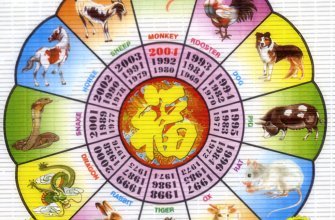
Albert Einstein and Confucius share a zodiac animal. Both were born in Rabbit years – Einstein in 1879, Confucius around 551 BCE – and both fit the Rabbit’s reputation for measured thought, careful language, and diplomatic handling of hostile audiences. The Rabbit is the fourth sign in the Chinese zodiac and carries associations with gentleness, longevity, and quiet intelligence. Vietnam substitutes the Cat for the Rabbit in its zodiac, a divergence rooted in translation choices during early Chinese-to-Vietnamese cultural transmission. Rabbit years run on a 12-year cycle: 1927, 1939, 1951, 1963, 1975, 1987, 1999, 2011, 2023, and 2035.
This profile walks through the Rabbit’s mythological background, detailed personality, element variations, compatibility with the other 11 signs, career strengths, famous Rabbit-born figures, and the lucky attributes assigned by traditional Chinese astrology.
Rabbit Mythology and Cultural Meaning
Chinese folklore places a rabbit on the moon. The Jade Rabbit (玉兔 Yù Tù) lives on the moon with the goddess Chang’e, grinding the elixir of immortality with a mortar and pestle. The story appears in Han-era texts and is so widely known that Chinese Moon Festival (Mid-Autumn Festival) celebrations still feature rabbit motifs on mooncakes, lanterns, and children’s festival toys across mainland China, Taiwan, Hong Kong, Singapore, and Chinese communities worldwide.
The Rabbit’s Great Race finish is gentler than most. According to the myth, the Rabbit hopped across the river on stepping stones and arrived fourth. The animal’s quiet intelligence, not brute strength or cunning, won the slot. Chinese Buddhism adapted the imagery: Buddhist texts describe a rabbit offering itself to a starving traveller, representing selfless compassion.
In Chinese Lunar New Year decorations for Rabbit years, the animal appears surrounded by flowers, peaches (symbol of longevity), and full moons. The Rabbit represents spring, fertility, and the quiet beginning of new cycles.
Rabbit Year Elements
The element rotation across 20th- and 21st-century Rabbit years:
- 1927 – Fire Rabbit
- 1939 – Earth Rabbit
- 1951 – Metal Rabbit
- 1963 – Water Rabbit
- 1975 – Wood Rabbit
- 1987 – Fire Rabbit
- 1999 – Earth Rabbit
- 2011 – Metal Rabbit
- 2023 – Water Rabbit
- 2035 – Wood Rabbit (upcoming)
Element modifier matters: a Wood Rabbit is more collaborative and outgoing; a Metal Rabbit is more reserved and disciplined. See the Chinese Zodiac Elements page for the full breakdown.
Rabbit Personality
Rabbit-born people are often described as gentle, refined, and alert to emotional atmosphere. They read a room faster than most people speak a single sentence. A Rabbit walks into a dinner party and, within 10 minutes, knows which guest is hiding bad news, which couple is fighting silently, and which host feels overwhelmed. That sensitivity becomes the Rabbit’s superpower in teaching, therapy, diplomacy, and design.
Rabbits prefer peace to conflict. They will rearrange schedules, restate opinions, and find compromise paths rather than escalate arguments. Colleagues and spouses describe them as thoughtful, slightly reserved, and deeply loyal once trust is established. Breaking a Rabbit’s trust is difficult to repair, though they rarely announce the breach; they simply withdraw.
The trade-off: Rabbits can be indecisive under pressure, overly sensitive to criticism, and reluctant to state difficult truths bluntly. They thrive in collaborative environments and struggle in high-conflict ones.
Strengths and Areas to Watch
Rabbit strengths include:
- Emotional intelligence and empathy
- Diplomatic skill and natural mediation
- Aesthetic judgement and good taste
- Patience with slow-moving relationships and projects
- Kindness without needing recognition for it
Rabbit weaknesses:
- Conflict avoidance past the point of usefulness
- Indecision when several good options exist
- Over-sensitivity to rejection
- Reluctance to confront dishonest colleagues
- A tendency to withdraw rather than fight back
Rabbit in Love and Partnership
Rabbit pairs most comfortably with Sheep, Pig, and Dog. Rabbit-Sheep sits in the gentle trine of the zodiac: two soft-spoken, artistic signs who build calm, aesthetically beautiful homes. Rabbit-Pig is warm and generous, with both partners prioritising family and hospitality. Rabbit-Dog produces a principled alliance where the Dog’s sense of justice complements the Rabbit’s diplomacy.
Moderate matches include Rat, Tiger, Monkey, and Snake. Challenging matches are Rooster (the opposition pair), Dragon, and Horse – three signs whose directness can feel harsh to the Rabbit’s subtlety. For the complete matrix, see our compatibility page.
Career and Professional Strengths
Rabbits thrive in work that rewards empathy, aesthetics, and careful attention to human experience:
- Teaching, particularly primary and special education
- Therapy, counselling, social work
- Diplomacy, mediation, international relations
- Fine arts: painting, design, interior architecture
- Literature, translation, editing
- Medicine, especially paediatrics and general practice
- Hospitality and luxury retail
Rabbits often build career success quietly. They rarely seek the limelight but frequently end up at the centre of the work that matters: the editor behind the famous writer, the designer behind the architect’s signature building, the therapist behind the politician’s resilience. Metal Rabbits (1951, 2011) carry extra discipline that suits legal, academic, or corporate professional careers.
Famous Rabbit-Born People
The Rabbit list spans philosophy, science, arts, and politics:
- Confucius, born around 551 BCE – Wood Rabbit
- Albert Einstein, born 1879 – Earth Rabbit
- Fidel Castro, born 1927 – Fire Rabbit
- Queen Victoria, born 1819 – Earth Rabbit
- Frank Sinatra, born 1915 – Wood Rabbit
- Orson Welles, born 1915 – Wood Rabbit
- Brad Pitt, born 1963 – Water Rabbit
- Johnny Depp, born 1963 – Water Rabbit
- Angelina Jolie, born 1975 – Wood Rabbit
- David Beckham, born 1975 – Wood Rabbit
- Michael Jordan, born 1963 – Water Rabbit
- Whitney Houston, born 1963 – Water Rabbit
The Rabbit roster favours sustained creative and intellectual careers over explosive short ones. Einstein’s theoretical work unfolded over decades; Sinatra rebuilt his career twice; Jordan’s ability to reinvent his game after each injury shows the Rabbit pattern of patient adaptation.
Lucky Numbers, Colours, and Directions
Traditional Rabbit attributes in Chinese astrology:
- Lucky numbers: 3, 4, 6
- Unlucky numbers: 1, 7, 8
- Lucky colours: red, pink, purple, blue
- Unlucky colours: dark brown, dark yellow, white
- Lucky directions: east, south, northwest
- Lucky flowers: jasmine, snapdragon
- Compatible gemstones: pearl, emerald
Rabbit birth-hour modifiers matter almost as much as the element. A Rabbit born in Dragon hour behaves more assertively than a Rabbit born in Sheep hour. Birth-hour detail sits on our Chinese Zodiac Hours page.
Raising a Rabbit-Year Child
Rabbit children often speak softly, prefer one or two close friends over large groups, and notice emotional shifts in adults long before older siblings do. They need quiet corners to recover from noisy environments – kindergartens that allow quiet play alongside group activity suit them well.
Rabbit-year kids usually excel at fine motor skills: drawing, handwriting, crafts. They often develop an early love for books and benefit from libraries over playgrounds. The challenge for parents: giving a Rabbit child room to say no without pressuring them into social situations they dread. Pushing a Rabbit to “be more outgoing” typically backfires; letting them develop at their own pace produces the confident, diplomatic adult the temperament predicts.
Chinese grandparents traditionally gift Rabbit-year grandchildren with jade pendants shaped as rabbits, a small carved piece worn at the wrist or neck. The custom survives across mainland China, Hong Kong, and overseas Chinese communities because the jade is said to protect the gentle temperament. Families often keep these pendants as heirlooms passed down across Rabbit generations every 60 years, a tangible link between the 2023 Water Rabbit cohort and the 1963 Water Rabbit grandparents who share the element-animal combination.
Frequently Asked Questions
What year is the Year of the Rabbit?
Recent Rabbit years: 1951, 1963, 1975, 1987, 1999, 2011, 2023. Next Rabbit year: 2035. Each year begins on Lunar New Year in late January or early February.
What are Rabbit people like?
Rabbit-born people tend to be gentle, diplomatic, sensitive, artistic, and socially observant. They avoid conflict, form deep rather than wide friendships, and excel in professions that reward empathy and aesthetic judgement.
Who is compatible with a Rabbit?
Best matches: Sheep, Pig, Dog. Moderate: Rat, Tiger, Monkey, Snake. Challenging: Rooster (opposition pair), Dragon, Horse. Full breakdown on the compatibility page.
Why is the rabbit on the moon in Chinese tradition?
The Jade Rabbit (Yù Tù) lives on the moon with the goddess Chang’e, grinding the elixir of immortality. The story dates to the Han dynasty and appears in Mid-Autumn Festival traditions across Chinese and Vietnamese culture.
Is a Water Rabbit lucky?
Water Rabbits (1963, 2023) are traditionally considered especially intuitive, artistic, and emotionally intelligent. They excel in communication-heavy careers and produce some of the most creative Rabbit variants.
Why does Vietnam have a cat instead of a rabbit?
The Vietnamese language and zodiac likely adopted the system through Cham and southern-route transmission where local words for cat and rabbit overlapped. Cats also had stronger cultural resonance in Vietnamese rural life than rabbits, which simply kept the slot.
Sources and Further Reading
- Chinese Astrology: Exploring the Eastern Zodiac – Shelly Wu
- The Handbook of Chinese Horoscopes – Theodora Lau
- Year of the Rabbit – China Highlights chinahighlights.com
- Chang’e and the Jade Rabbit – Asian Art Museum, San Francisco asianart.org
- Lunar calendar cross-reference – Hong Kong Observatory hko.gov.hk
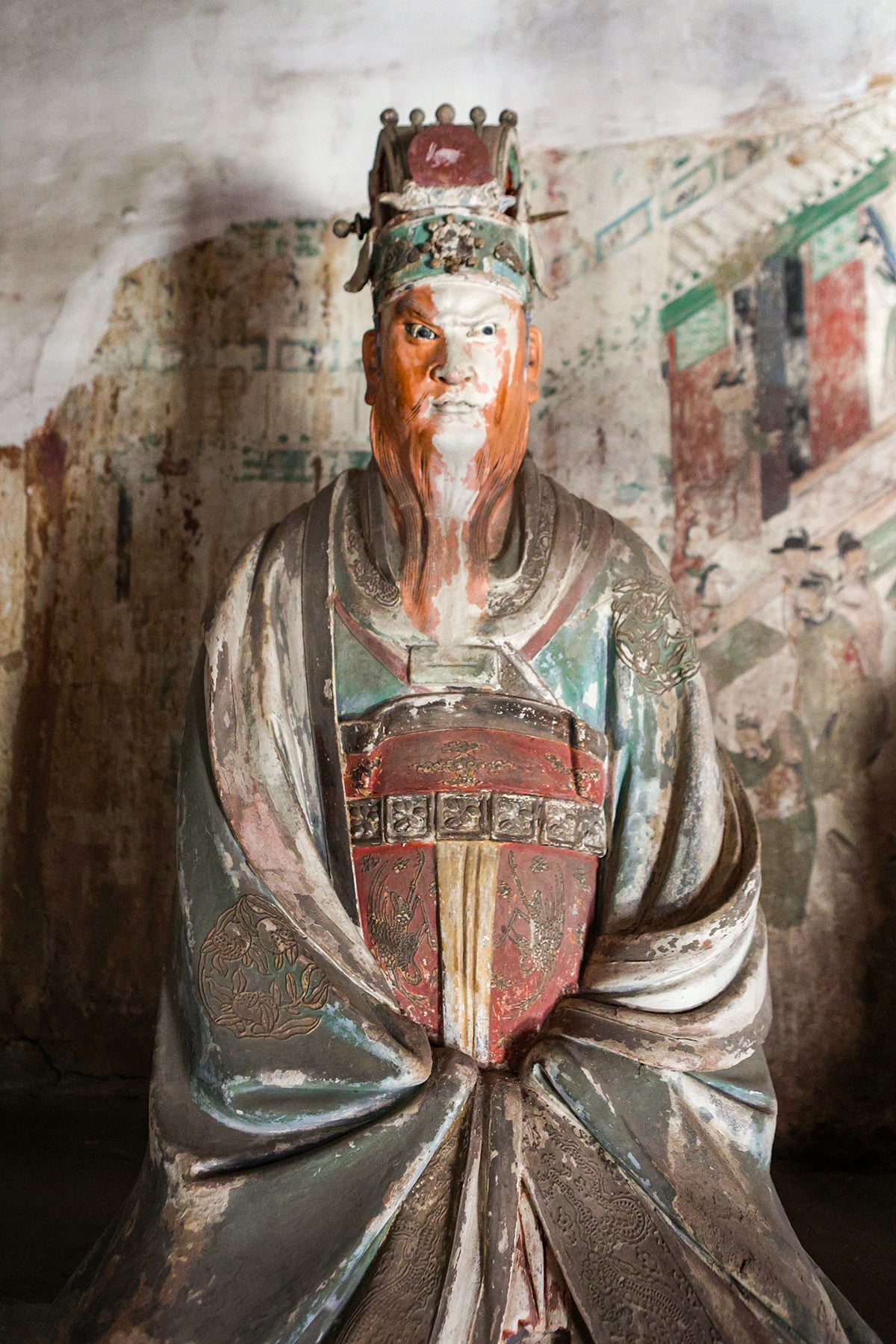
- Hero photo: “Yuhuang Temple Rabbit Zodiac” by Windmemories, CC BY-SA 4.0 – commons.wikimedia.org/wiki/File:20250906_Yuhuang_Temple_-_Rabbit_Zodiac.jpg