
A Han imperial banquet under Emperor Wu in the second century BCE could fill the long galleries of Chang’an with 130 dishes, while a peasant household in a Yellow River valley village ate boiled millet for the third time that day. The two scenes belonged to the same dynasty, the same calendar year, and the same emperor’s reign. Ancient Chinese society ran on contradictions between the people at the top and the people at the bottom that were not minor differences of taste or comfort but separate physical worlds folded inside the same political map.
This page walks through the contradiction layer in lived detail: the food on the lord’s table and on the peasant’s, the silk and the hemp, the manor wall and the rammed-earth hut, the gentlemanly sports and the back-breaking field work, the imperial banquet menus and the famine cycle, the merchant millionaires who bought their way into gentry status and the sumptuary laws designed to stop them. The structural framework behind these scenes – the four estates, the examination system, the hereditary outcasts, the Manchu bondservants – lives on the ancient China social classes reference. This page is the narrative companion: the two worlds running in parallel under one calendar.
Two Worlds Under One Sky: How Class Shaped Daily Life
The Han census of 2 CE counted around 60 million people across the empire. Roughly 85% lived as peasant farmers, taxed in grain and corvee labour. Below 1% formed the imperial court, the gentry, and the senior bureaucracy. Between them sat artisans and merchants in shifting numbers. The class line ran through every meal eaten, every garment worn, every roof slept under. A daughter born to a Yangzhou hong merchant in 1830 woke in a courtyard of carved-wood balconies with a personal maid; a daughter born the same morning to a peasant family in northern Shaanxi woke on a shared kang heated by the cooking fire and was already weeding the millet field by sunrise.
The contradictions were not incidental to the dynastic order; they were its operating logic. The peasant produced the grain that fed the soldiers and officials and paid the land tax that funded the imperial treasury. The imperial court produced ritual order, dynastic legitimacy, and the symbolic weight that held the system together. Each layer served a function the others could not, and each lived a daily life the others would not have recognized. For the broader dynasty-by-dynasty arc, see the ancient China timeline; for the structural reasons behind the layered hierarchy, see the social-classes reference.
Frontier Lords and the Peasants Who Fed Them
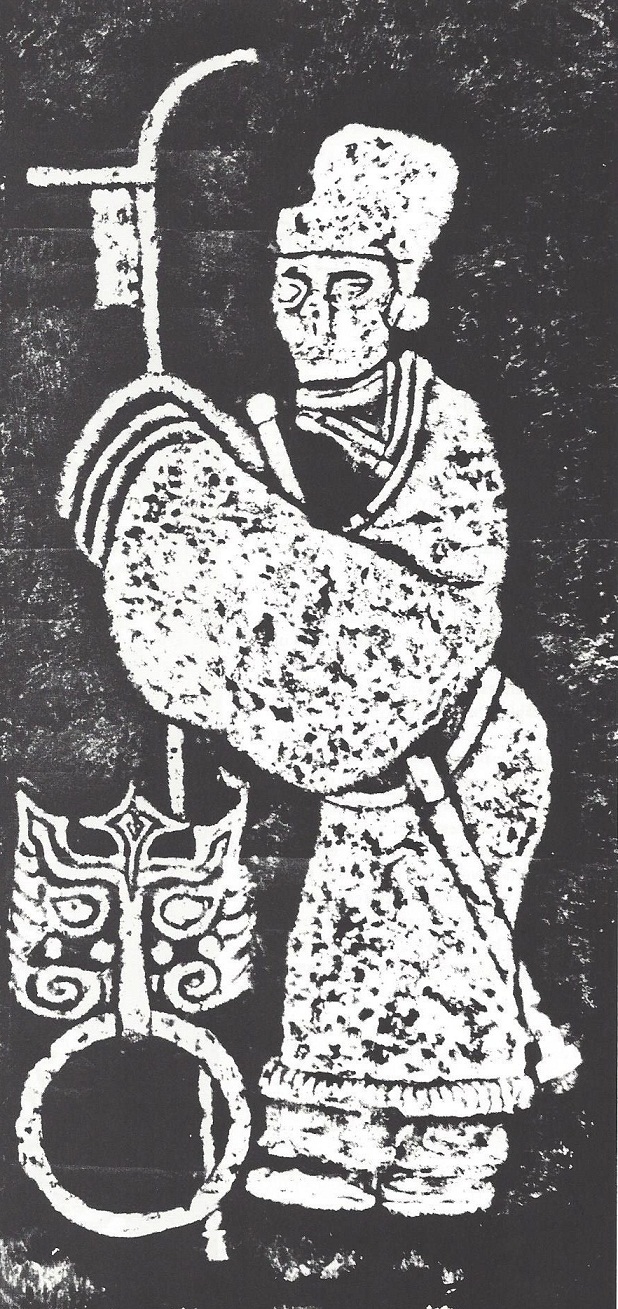 The Western Zhou enfeoffment system established around 1046 BCE granted regional lords (诸侯 zhūhóu) parcels of land in exchange for military service and ritual obedience to the king. The grants ran from a few villages to several counties, and each lord built a walled compound at the centre of his territory. The compound enclosed an ancestral hall, a private armoury, granaries, stables, kitchens, women’s quarters, and barracks for retainers. Around the wall stretched fields worked by peasant tenants who paid grain to the lord and corvee labour to the state.
Duke Huan of Qi, who ruled from 685 to 643 BCE, ran one of the wealthiest of these frontier states from the city of Linzi in modern Shandong. His court hosted the philosopher Guan Zhong, whose reforms reorganized Qi’s tax system and built a salt-and-iron monopoly that funded a permanent army of 30,000 chariots. The Linzi population at its peak reached an estimated 350,000, making it one of the largest cities in the world at that time. The peasants in the surrounding plain saw none of the wealth that flowed through the city walls. Their share of the harvest after tax and rent often dropped below subsistence in drought years; the lord’s granaries stayed full.
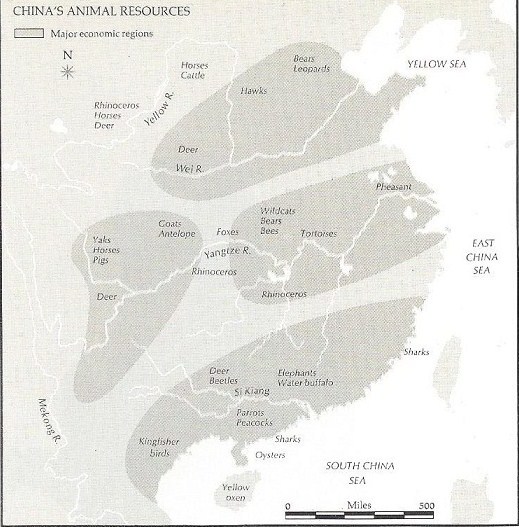 The frontier itself shaped the contradiction. Northern frontier lords in Shanxi, Hebei, and the Ordos faced raiding tribes – the Xiongnu in the Han, the Khitan and Jurchen later, the Mongols in the late imperial period. The lord financed defensive walls, mounted militia, and watch towers from peasant rents. The peasant supplied both the labour to build the walls and the conscripts to man them. When the wall held, the lord’s wealth grew. When it fell, the peasant’s village burned. Resource maps from Han and Tang times distinguished between the wild fauna that the lords hunted and the livestock and crops the peasants raised, two parallel economies that met only at the tax granary.
The Hard Life of the Peasant: Rhythm, Tax, and Hunger
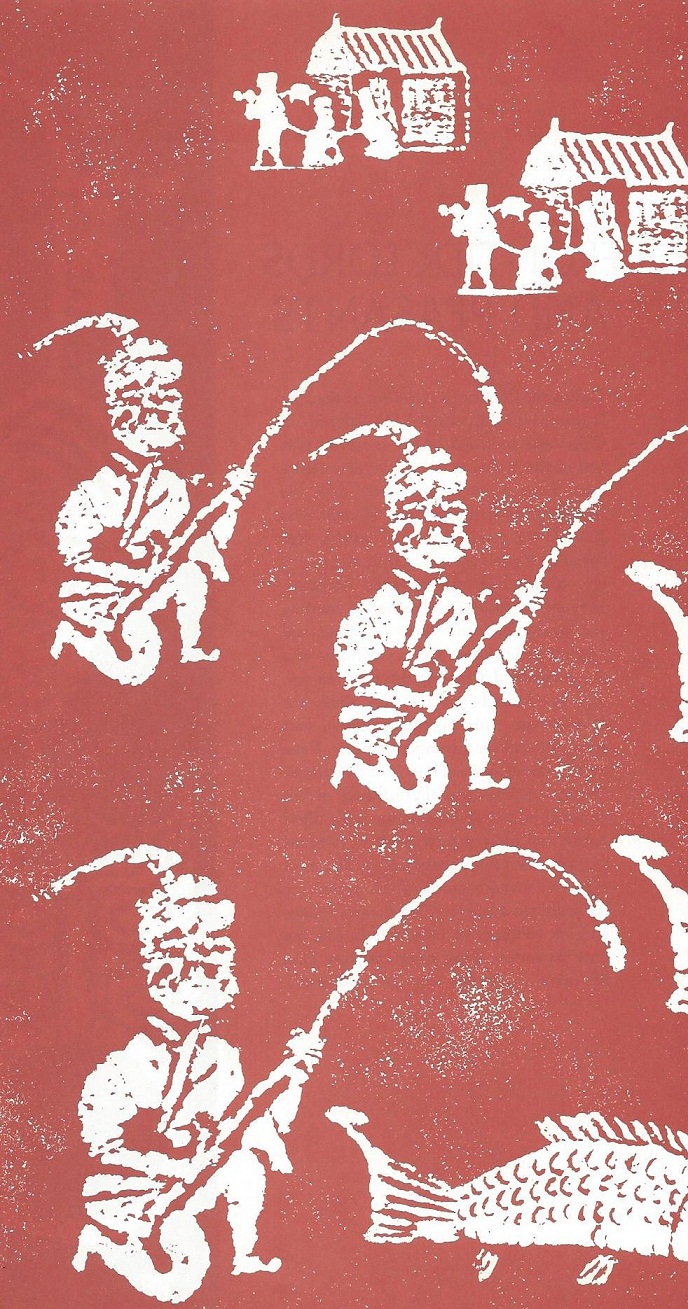 The Sichuan basin counted among the most fertile regions of imperial China, and yet the lot of its peasant common folk was generally hard. A typical Han-era farmhouse measured 15 to 25 square metres, held one drafty room with a tile or thatch roof, a packed-earth floor, no formal furniture, and a single shared kang heated by the cooking fire in winter. The household’s calendar ran on the agricultural rhythm: spring sowing, summer weeding and watering, autumn harvest, winter repair of tools and walls. Three meals a day became two during lean months. Rice or millet porridge formed the base; salted vegetables and a small portion of pork on festival days marked the upper limit of routine peasant food.
The land tax structured the rhythm. Han Emperor Wendi reduced the rate to one-thirtieth of harvest in 167 BCE, which became the canonical low rate; Tang granted peasants the equal-field allotment from 624 CE; the Ming Single-Whip Reform of 1581 consolidated all dues into a silver payment. Above the formal tax sat corvee labour for state projects, military conscription for frontier campaigns, and rents to landlords for tenants. A combined burden of 30 to 50 percent of harvest in cash and kind was common; in lean years, peasants borrowed from the local landlord at usurious rates and lost their land within two or three failed seasons.
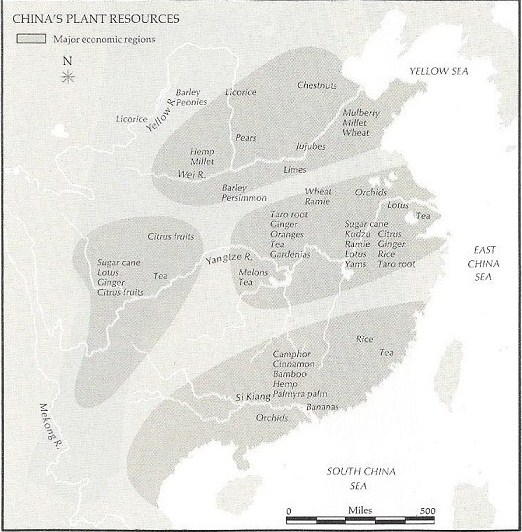 Famine was a recurring fact rather than an unusual event. Han records track over 50 documented famines across the dynasty’s roughly 400 years, with one or more provinces affected at any given time. The Yellow River flood of 132 CE displaced an estimated 600,000 peasants; the Tang An Lushan rebellion from 755 to 763 CE collapsed the equal-field system in the north and pushed peasant tenancy rates above 60% in surviving registers. The peasant calendar carried no time for leisure; the lord’s calendar carried space for hunts, feasts, archery contests, and pilgrimages. For the structural mechanics of the 农 estate within the four-class framework, see the social-classes reference; for the broader economic basis, see the ancient China economy reference.
Court Refinement vs Frontier Roughness
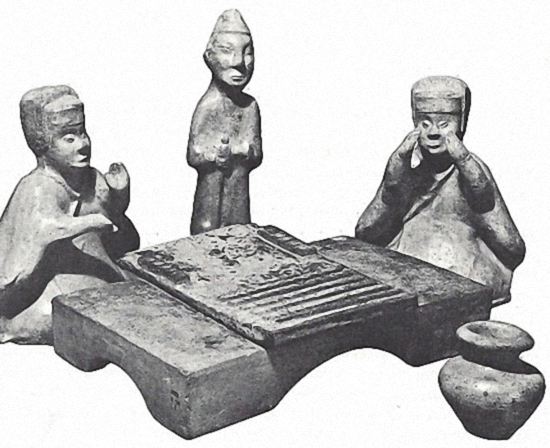 The court of any imperial dynasty operated as a separate cultural island. Officials spoke a standardized literary register based on the classics, ate by ritual rules codified in the 周礼 (Zhōulǐ) and 礼记 (Lǐjì), wore robes whose colours and motifs were regulated by rank, and entertained themselves through games like Liu-Po (六博), the strategy-and-dice board game popular from the Warring States through the Han.
Frontier and rural life ran on regional dialect, agricultural calendar, and folk ritual that often diverged from imperial-court norms. A traveller from Chang’an arriving in a Sichuan village or a Hainan fishing port encountered different speech, different deities, different food preparations. The Northern Song poet Su Shi, exiled to Hainan in 1097, recorded in his letters and poems that the locals ate raw oysters, drank palm wine, lived in stilt houses on the south shore, and spoke a dialect he could not fully follow even after a decade among them. He treated the experience as a culture shock between two Chinas: the one he had served at court in Kaifeng, and the one his political enemies had banished him to.
The contradiction ran in both directions. Frontier-bred officials who reached the capital often kept their rural eating habits and were mocked at court for ordering wheat noodles in a rice-eating banquet hall. Court-bred officials posted to frontier prefectures struggled with the absence of their accustomed silk-paper, calligraphy ink, fresh-river fish, and tea cultivars. The 六艺 (liù yì, Six Arts) of the Confucian gentleman – ritual, music, archery, charioteering, calligraphy, and mathematics, codified in the Zhou dynasty curriculum – presupposed a court setting; their performance fell apart in a frontier village where no archery range existed and where the local musicians played pentatonic folk songs rather than the standardized court ya yue (雅乐).
The Gentlemanly Sports of Archery and Hunting
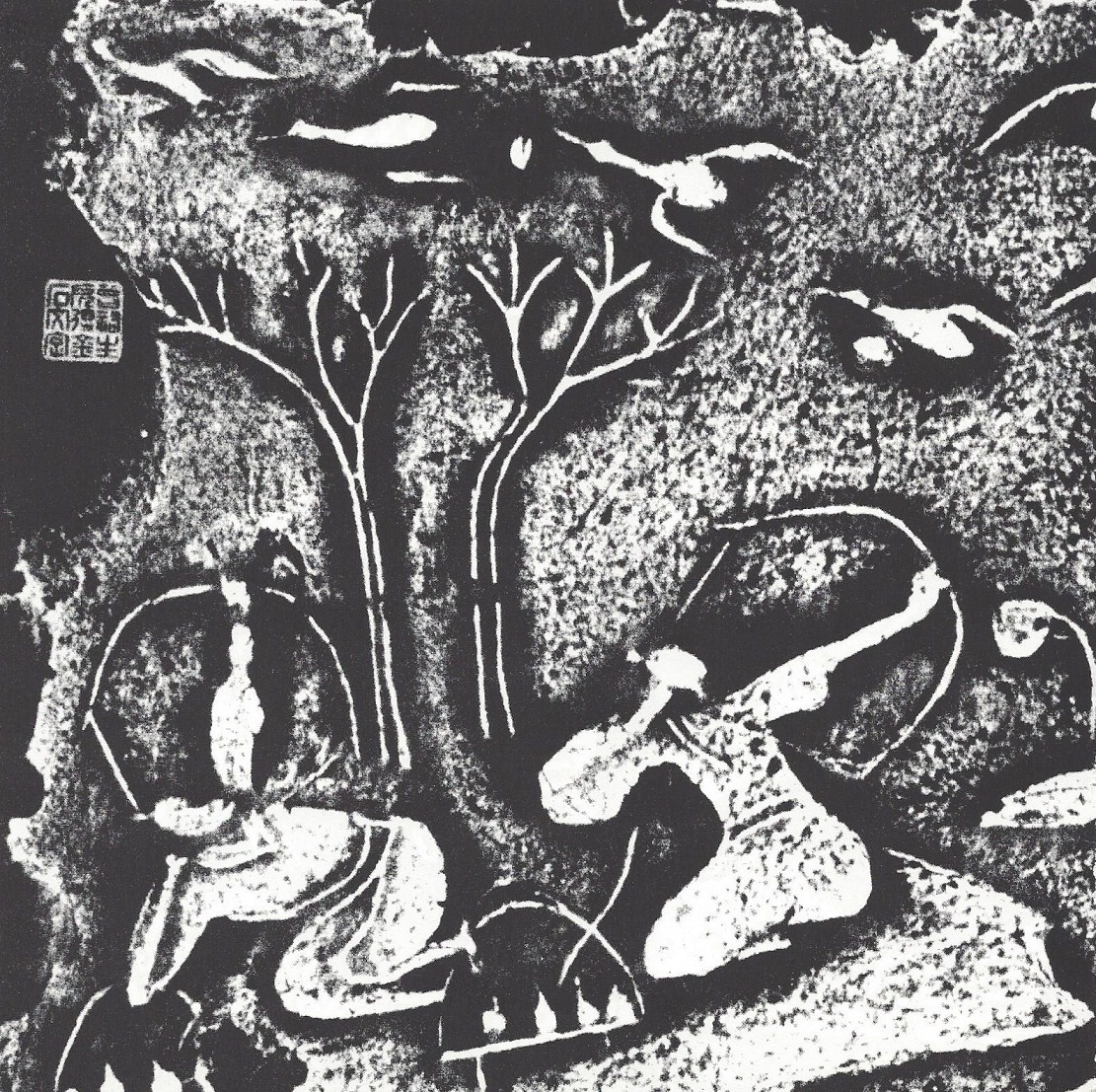 Ritual archery (射禮 shèlǐ) sat at the centre of Confucian gentleman culture as one of the Six Arts. A noble candidate demonstrated his refinement not by the strongest pull of the bow but by the precision of his stance, the rhythm of his breath, the courtesy he showed to his opponent, and the ritual phrases he spoke before each shot. The Liji prescribed the sequence in detail: bow to the host, advance three paces, draw with the right hand, release, salute the target, retire. The contest measured character through bodily discipline, not military skill.
Royal hunting expanded the same logic to the imperial scale. Han Emperor Wu’s Shanglin Park (上林苑), the imperial hunting grounds southwest of Chang’an, eventually reached an estimated five times the area of the capital city itself, enclosing rivers, forests, and several towns relocated to make space for the imperial game preserve. Royal hunts mobilized hundreds of beaters to drive deer, boars, and tigers toward the emperor’s mounted party; the kill became a political theatre attended by foreign envoys and senior ministers, and the resulting game stocked the court kitchens for weeks.
The Tang dynasty added polo (击鞠 jījū), imported from Persia along the Silk Road around the seventh century. Tang emperors from Taizong onward played polo at court; Empress Wu Zetian held imperial polo matches; Xuanzong owned a polo team. The game required trained ponies, a level field of at least 200 metres in length, and several days of leisure – assets that placed it outside the peasant’s reach. The contradiction was geometric: a Tang peasant household possessed perhaps one ox, while a Tang emperor’s polo stable held over a dozen specifically-bred polo ponies plus grooms, trainers, and saddlers. None of the Six Arts as performed at court was available to the peasant; the field-archery a hunter learned in the village was the same skill in name only.
Noble Steeds: Horse Wealth as Class Marker
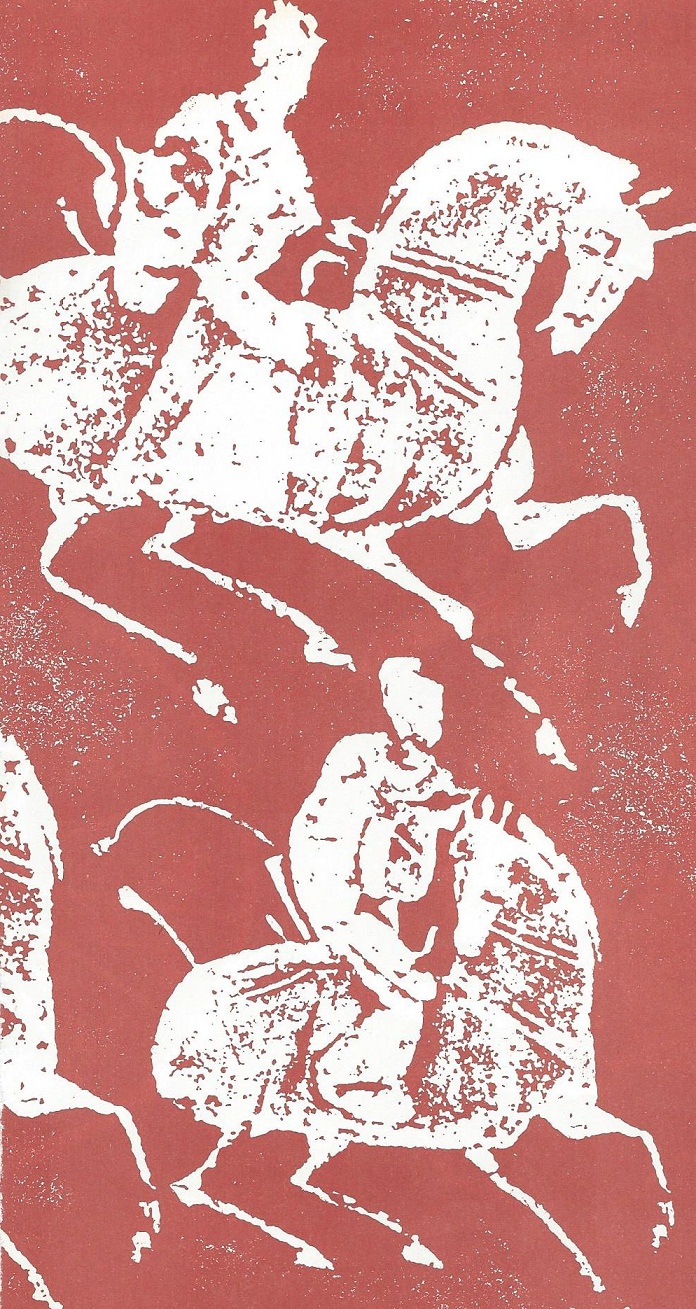 The horse functioned as the most visible single class marker across imperial Chinese history. Han Emperor Wu sent two military expeditions to Ferghana in Central Asia between 104 and 101 BCE specifically to capture the Tianma 天馬 (“Heavenly Horses”) of the Dayuan kingdom, prized for their height, speed, and stamina. The campaigns cost the lives of tens of thousands of soldiers and bankrupted the Han treasury for a decade; the prize was breeding stock for the imperial cavalry and the imperial stable.
Tang imperial stable inventories from 754 CE counted approximately 36,000 horses across multiple breeding centres in Gansu, Ningxia, and Shaanxi, supplying the imperial guard, the polo court, the postal courier system, and the diplomatic gift economy. The horse was the ride of the emperor and the senior aristocrat. A merchant or commoner caught riding a horse in many imperial periods faced fines or worse; the Han law restricted horse-riding to officials of the third rank or above, and the Sui reaffirmed similar restrictions in 587 CE. The peasant household owned an ox at best; rural travel covered a few li per day on foot, occasionally on a borrowed donkey. The contradiction in mobility carried straight through the daily calendar: the lord moved between estates by mounted retinue covering 50 to 80 li in a morning, while the peasant walked the same distance over two days carrying his own grain to the prefectural market.
Imperial horse breeding produced its own aesthetic. Tang court paintings of the famed “Eight Steeds of Mu” depicted bay, dapple, and chestnut stallions with names like 飞黄 Fēihuáng (“Flying Yellow”) and 騄駬 Lùěr. The five-clawed dragon was reserved for the emperor’s robe; the prized stallion was reserved for the emperor’s stable.
The Pretensions of the Newly Rich
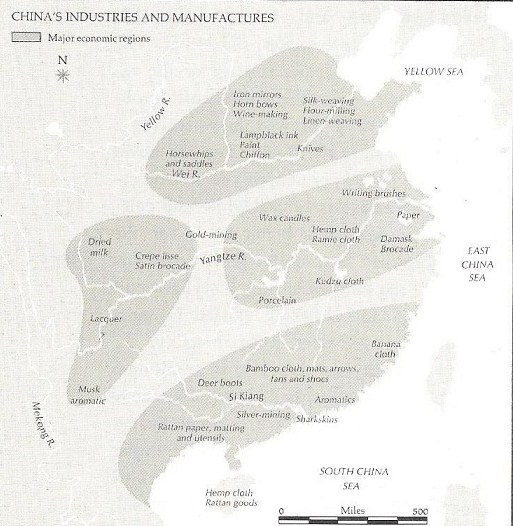
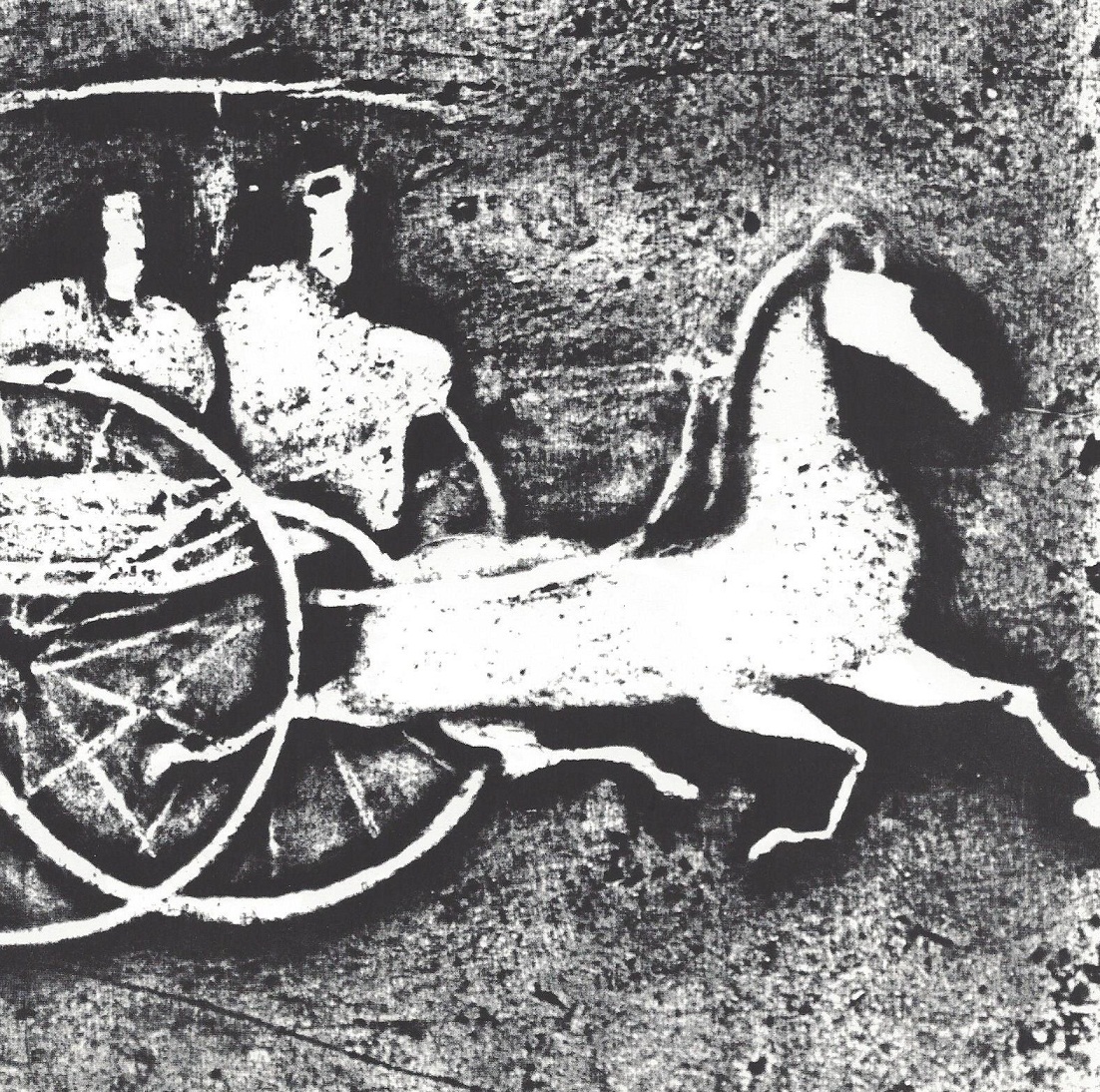 Sichuan and Yangzhou produced lacquered ware, brass utensils, dyes, silks, salt, and iron in commercial quantities, and the merchants who organized that trade accumulated fortunes that often exceeded those of provincial governors.
Some derived immense wealth from a single commodity; the salt monopoly licences alone created several family dynasties whose Yangzhou mansions rivalled imperial guest pavilions in scale and decoration.
The contradiction generated a distinct cultural pattern: the newly rich aspired to gentry markers their wealth could not legitimately purchase. 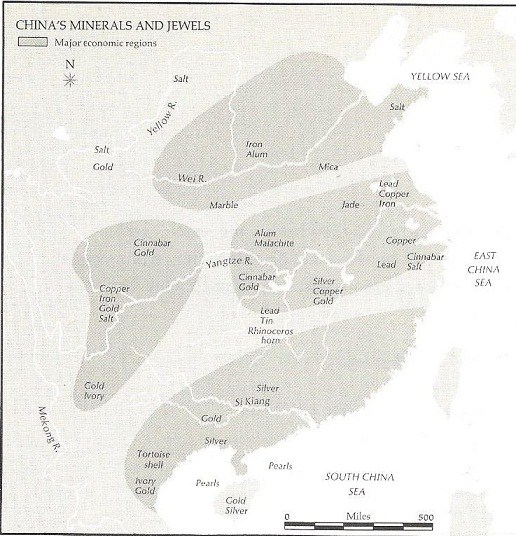 Sumptuary laws across most dynasties banned merchants from wearing silk reserved for higher ranks, riding horses, taking sedan chairs above a regulated size, building courtyards above a permitted number of rooms, and using roof tiles in colours reserved for the imperial family or aristocratic clans. Merchants violated each restriction in turn, and dynastic edicts repeatedly reissued the bans as evidence the bans were being ignored. Sui Yangdi banned peasants and merchants from wearing colours other than blue and black; Ming sumptuary edicts of the early fifteenth century specifically prohibited merchants from wearing silk patterned with cranes, phoenixes, or four-clawed dragons.
The merchant response was visible at every wedding banquet, every funeral procession, every garden pavilion in a coastal trading city. The Yangzhou salt merchants of the eighteenth century commissioned private gardens whose stone-carved bridges, latticed windows, and theatre stages rivalled the imperial summer palace. The Cantonese hong merchants of the nineteenth century imported French clocks, English silver, Dutch oil paintings, and the latest Manchester woven silk – all turned to ostentatious display in courtyards specifically built to host both Chinese officials and foreign trading partners. For surname-history context on the merchant clans who dominated these trades, see the most common Chinese surnames.
Revelries at a Feast: Imperial Banquet Culture
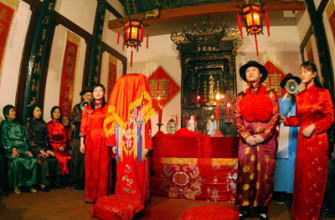
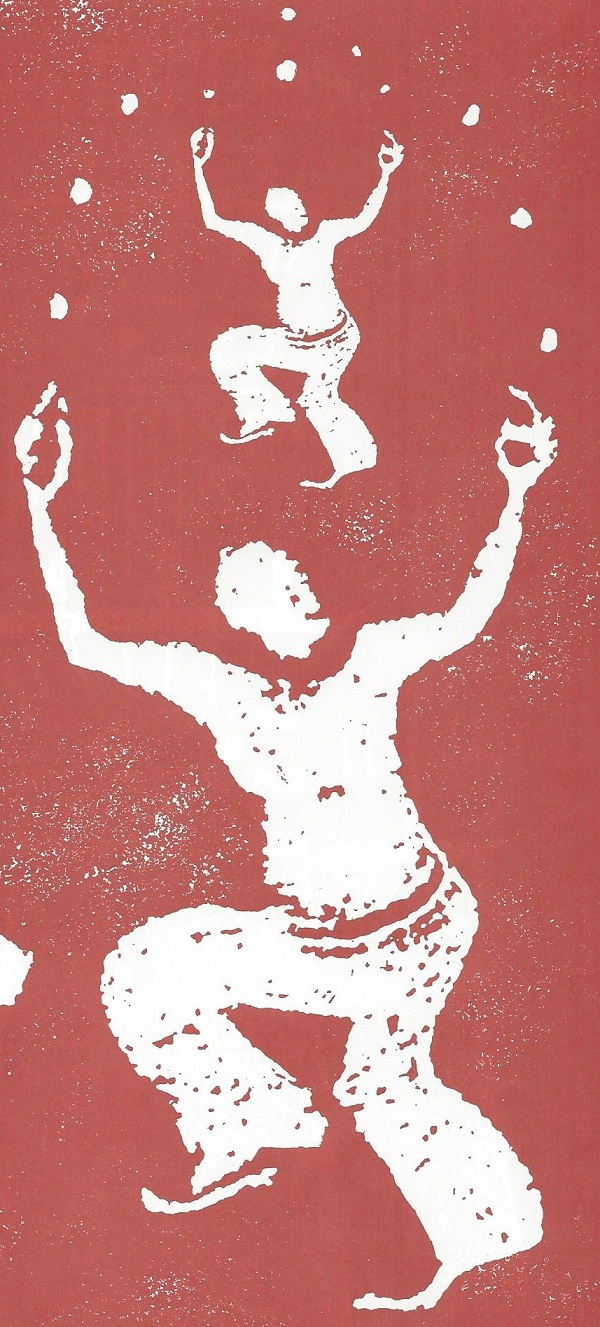 A Sichuan feast that brought the local gentry together routinely turned into an extended occasion of food and lavish entertainment. The dynastic state recognized the pattern and tried to limit it; legislation across multiple dynasties restricted gatherings to holiday seasons and capped private banquets at three guests at all other times. The bans were ignored as routinely as the sumptuary laws. The feast was the visible signature of gentry status; restricting it was politically untenable.
The 满汉全席 (Mǎnhàn Quánxí, Manchu-Han Imperial Feast) developed at the Qing court under Qianlong, who reigned from 1735 to 1796. The feast combined Manchu and Han Chinese cooking traditions in six banquets spread across three days, totalling approximately 320 dishes – 196 main courses and 124 snack courses by one common count, with the Wikipedia source noting the minimum at 108 dishes. The Eight Mountain Delicacies (山八珍 shānbāzhēn) included camel hump, bear paw, monkey brain, ape lips, leopard fetus, rhinoceros tail, and deer tendon. The Eight Sea Delicacies (海八珍 hǎibāzhēn) included dried sea cucumber, shark fin, abalone, and bird’s nest soup. The presentation involved staged courses, ritual sequences for opening and closing each banquet, and continuous court music throughout.
A peasant household’s New Year meal in the same Qianlong era ran to five or seven dishes for an affluent farming family, three or four for an average one. Steamed wheat buns, salted fish, tofu, a few greens from the kitchen garden, and a portion of pork or chicken if the household had managed to fatten one through the autumn. The same emperor whose chef stocked the imperial kitchen with bear paw and rhinoceros tail received tax grain from peasant households whose annual meat consumption ran below 5 kilograms per person.
Court music ran in parallel. The Qing imperial 中和韶乐 (Zhōnghé Sháoyuè) ceremonial music required orchestras of over 200 musicians playing classical bells, chime stones, zithers, and court drums on prescribed feast days. Beijing opera, formalized at court around 1790 under the Four Great Anhui Troupes, performed in palace theatres with imperial patronage. The peasant village heard wedding shawms, funeral flutes, and seasonal village opera staged on a temporary platform once or twice a year.
Architecture for an Imperial Age: Walls, Halls, and Hovels
 The architectural contradiction in imperial China measured itself in straight numbers. The Forbidden City in Beijing, commissioned by the Yongle Emperor in 1406 and first occupied by the Qing court in 1420 according to the Britannica entry, covered approximately 72 hectares (178 acres) and held about 8,700 rooms across nearly a thousand buildings. The complex was organized around a single north-south axis according to feng shui principles. Imperial yellow roof tiles glazed in lead-tin yellow signalled the emperor’s residence; princes’ palaces used blue tiles; senior officials’ residences used green; commoners’ houses used grey unglazed tiles only.
The gentry courtyard house (四合院 sìhéyuàn) of Beijing and northern China measured between 800 and 2,000 square metres for a senior household. Four wings enclosed a central courtyard, with hierarchical room placement: parents’ room facing south, sons in the east wing, daughters in the west, kitchen and storage to the north. Wealthy gentry could nest multiple courtyards in sequence, producing compounds of 5,000 square metres or more.
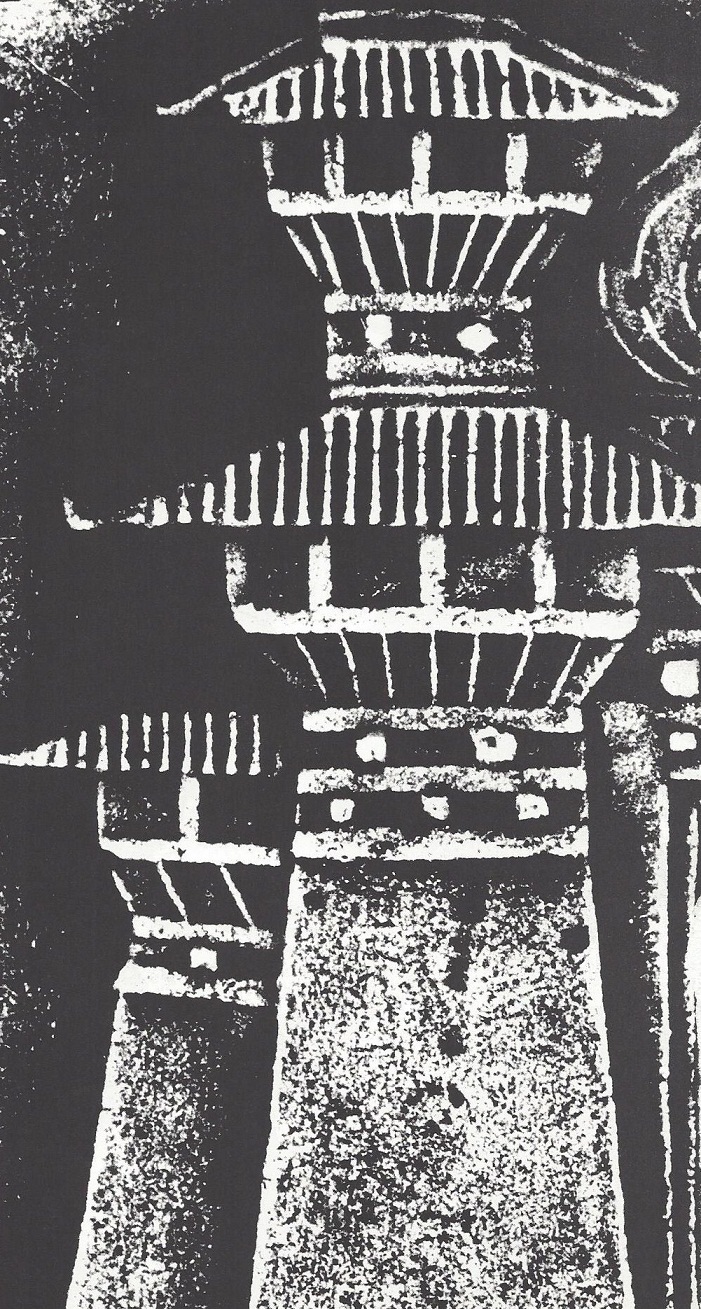
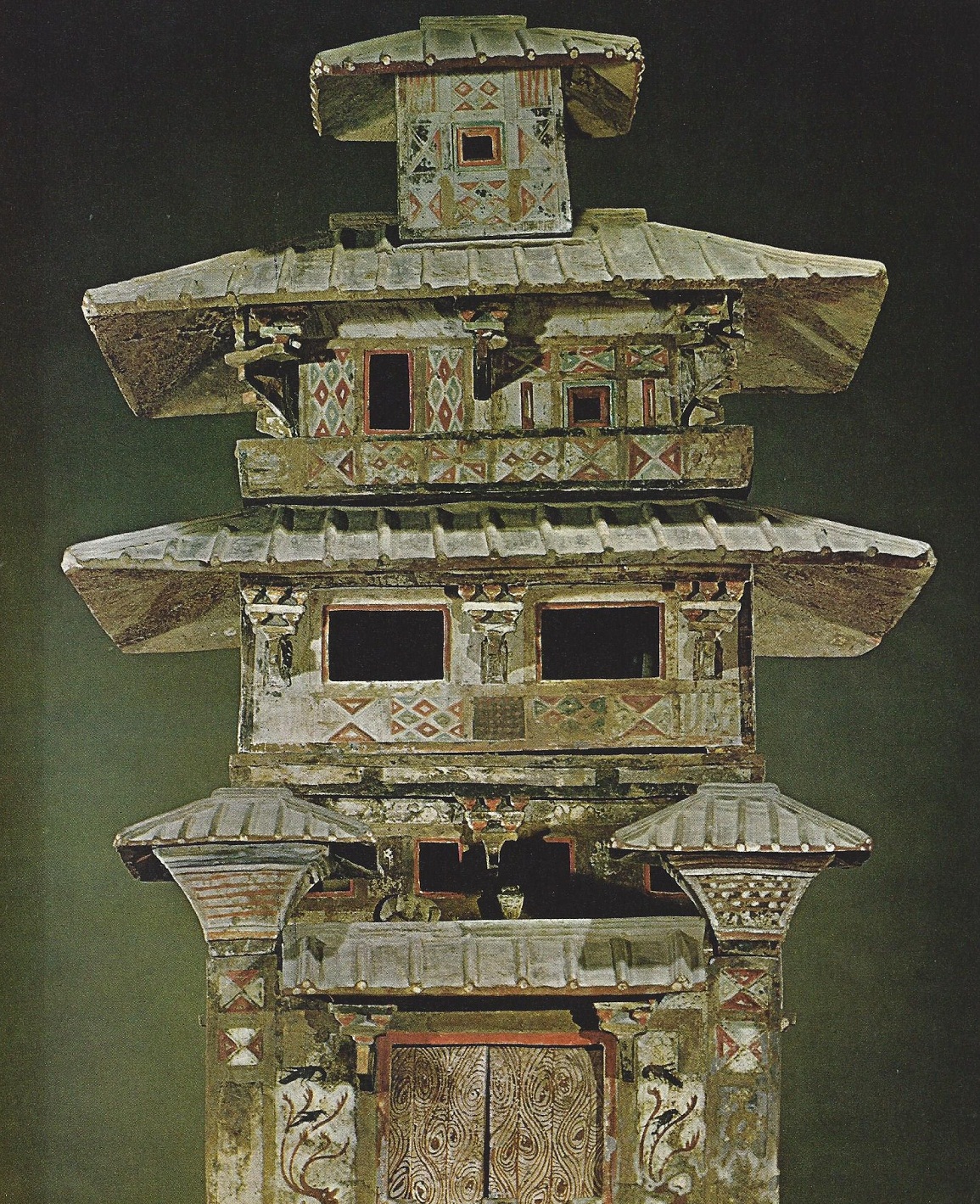 A House for the Spirit was assured to the dead by a pottery model placed in the tomb, an elaborately painted copy of a manor compound. Han funerary house models like the example pictured here provide direct archaeological evidence of upper-class residential architecture: the multi-storey watchtowers, the tile-roofed halls, the courtyards within walls. The peasant rammed-earth hut from the same Han period left no funerary model and few archaeological traces beyond foundation imprints. A typical peasant dwelling measured 15 to 25 square metres, held one room with a packed-earth floor, a kang heated bed in the north, a single oil lamp, and minimal furniture. The Sichuan and Hunan peasant huts of the late Qing carried the same dimensions as their Han predecessors, two thousand years later.
Roof tile colours reinforced the visual hierarchy at every glance. A Beijing skyline read top-down: imperial yellow at the centre, prince-blue at the second tier, official-green at the third, commoner-grey everywhere else. The skyline visually encoded class the way the Confucian classics encoded it textually.
Clothing as Living Class Marker
 Imperial Chinese clothing operated as a continuously updated visual code of class. The emperor wore yellow robes embroidered with five-clawed dragons (五爪龙袍), a design legally restricted to the imperial household; princes wore four-clawed dragon (蟒袍 mǎngpáo) robes; senior officials wore robes embroidered with rank-specific birds (cranes for first rank, golden pheasants for second, peacocks for third) on a buzi rank badge. Lower officials and gentry wore silk in regulated colours and patterns. Peasants and labourers wore rough hemp or cotton in undyed or plainly-dyed cloth.
The sumptuary system evolved across dynasties. Sui Yangdi decreed in 605 CE that peasants must wear blue or black only; Tang regulations specified colour by rank; Ming sumptuary edicts of the Hongwu and Yongle reigns prohibited merchants from wearing silk patterns with imperial-coded motifs; Qing rules tied buzi rank badges precisely to civil and military rank tiers and updated them with each dynastic reform. The visible result on a Beijing market street circa 1750 was that any literate observer could read the social rank of every passing figure within seconds: yellow imperial robe, blue prince robe, embroidered crane buzi for a senior civil official, plain black cotton for a peasant carter, undyed hemp for a porter. For the broader cultural-symbol register that fed clothing motifs and family identity, see traditional Chinese clothing and Chinese family symbols; for the body-modification class marker that emerged in late imperial China, see Chinese foot binding.
The Newly Rich Who Bought Their Way In: Real Cases
Two named merchant biographies from the late Qing illustrate the upward path that wealth could buy when classical examination success was out of reach.
Hu Xueyan, in Chinese 胡雪岩, who lived from 1823 to 1885, rose from apprentice in a Hangzhou pawnshop to financier of the Qing imperial military expeditions. He built his network through political patronage with provincial governor Wang Youling and later with the Hunan Army general Zuo Zongtang, financing infrastructure including the Foochow Arsenal and the campaign to recover Xinjiang in the 1870s. The Qing court rewarded him with the second-grade red-topped hat (红顶 hóngdǐng), a distinction the Wikipedia entry on Hu records as the only such award given to a Qing-era person of merchant origin. The popular nickname “Red-Top Merchant” (红顶商人) survived into the twenty-first century as the canonical case of a Chinese merchant who legally crossed the silk-and-jade line.
Wu Bingjian, in Chinese 伍秉鑑 and known to British traders as Howqua, lived from 1769 to 1843 and ran the leading Canton hong trading house during the years before the First Opium War. The Wikipedia entry on Howqua describes him as “once the richest man in the world,” a status briefly held during the early 1830s when his estimated personal fortune competed with the Rothschild family for global rank. He owned plantations across multiple provinces, ships in the China-Britain tea trade, real estate in Macao, and stakes in early American railroad ventures through Boston merchant intermediaries. His wealth did not give him imperial rank; the Qing system kept him outside the formal scholar-bureaucracy. It gave him social weight inside Canton’s hong system and outside Chinese borders entirely, where he was treated as a financial peer by foreign merchants from London to Boston.
The 捐纳 (juānnà) office-purchase mechanism formalized the merchant-to-rank pathway that Hu Xueyan and Wu Bingjian individually demonstrated. From the late Ming and especially under the Qing fiscal pressure of the eighteenth and nineteenth centuries, the imperial state sold civil-bureaucracy ranks for cash payments. By some Qing-era estimates, around 30% of holders of the lower civil ranks in the late nineteenth century had purchased their position rather than passed the examination. The system funded military campaigns and famine relief. It also blurred the formal sumptuary line between merchants and gentry: a juānnà rank-holder could legally wear silk-rank insignia his merchant background would otherwise have prohibited. For the analytical structure behind exam-track and purchase-track mobility, see the social-classes reference.
Frequently Asked Questions
What did a peasant eat in ancient China?
A peasant household in northern China ate a base of millet porridge or steamed wheat buns; in southern China, the base was rice. Salted vegetables from the kitchen garden, tofu, and occasional eggs supplemented the staple. Pork, chicken, or fish appeared on festival days and seasonal feasts. Annual meat consumption per person ran below 5 kilograms in many regions, compared with imperial-court figures that ran into the tens of kilograms per person from the imperial kitchens alone.
How did rich Chinese display their wealth?
Wealthy Chinese signalled status through silk patterns, multi-storey courtyard compounds with tiled roofs, prized horses and carriages, banquet scale, and patronage of court music and Beijing opera. Sumptuary law restricted some of these markers to specific ranks, and merchants routinely violated the bans through workarounds: imported foreign goods, gardens whose decoration mimicked imperial pavilions, and purchased civil ranks (捐纳) that conferred legal access to silk-and-jade insignia.
What was the biggest contradiction in ancient Chinese society?
The structural contradiction was that the peasant who produced the food, paid the land tax, and supplied the conscripts received almost nothing of what his labour generated. Roughly 85% of the population farmed the land while a tiny imperial-court and gentry layer consumed most of the surplus. The contradiction held the system together because the political-cultural ideology framed the gentry’s role as moral leadership and ritual order rather than as wealth extraction, and most peasants accepted the framing for most of imperial history.
Could a peasant become rich in ancient China?
Rarely, but legally yes. The two paths were the civil-service examination (科举) and commercial enterprise. The exam path required years of literacy training that most peasant households could not afford, and pass rates from county-level 童生 to capital-level 进士 ran below 0.0001% per cycle. The commercial path required starting capital, a regional network, and luck; merchants who succeeded sometimes purchased civil rank through 捐纳 or married daughters into gentry families. The named cases of Hu Xueyan and Wu Bingjian were exceptional, not typical.
How did imperial banquets work?
The Qing 满汉全席 (Manchu-Han Imperial Feast), formalized under Qianlong who reigned from 1735 to 1796, ran six banquets across three days with around 320 dishes total. The menu combined Manchu and Han Chinese cooking styles and featured the Eight Mountain Delicacies (camel hump, bear paw, monkey brain, ape lips, leopard fetus, rhinoceros tail, deer tendon) and the Eight Sea Delicacies (sea cucumber, shark fin, abalone, bird’s nest). The presentation followed strict ritual sequences with court music throughout. Lower-ranked officials and provincial gentry ran scaled-down banquets that imitated the imperial form on a smaller register.
What sports did Chinese aristocrats play?
The 六艺 (Six Arts) of the Confucian gentleman included archery and charioteering as the two physical disciplines among ritual, music, calligraphy, and mathematics. Ritual archery (射礼) measured character through bodily discipline rather than military skill. Royal hunts in dedicated imperial parks like the Han Shanglin Park, which reached around five times the area of Chang’an, served as political theatre. The Tang court added polo (击鞠) imported from Persia around the seventh century; Tang emperors and Empress Wu Zetian held court polo matches that required trained ponies and a level field of at least 200 metres.
Sources and Further Reading
- Wikipedia – Manchu-Han Imperial Feast (满汉全席) – the Qianlong-era 320-dish feast structure, Eight Mountain and Eight Sea Delicacies categories
- Wikipedia – Hu Xueyan – biography of the Hangzhou merchant who earned the Qing second-grade red-topped hat as Red-Top Merchant
- Wikipedia – Howqua (Wu Bingjian 伍秉鑑) – the Canton hong merchant briefly counted as the world’s richest man in the 1830s
- Wikipedia – Six Arts (六艺) – the Zhou-era Confucian curriculum of ritual, music, archery, charioteering, calligraphy, and mathematics
- Britannica – Forbidden City – the 72-hectare Beijing imperial palace commissioned by the Yongle Emperor in 1406, occupied 1420
- Britannica – Qianlong Emperor – the Qing emperor whose reign from 1735 to 1796 hosted the codified Manchu-Han Imperial Feast tradition