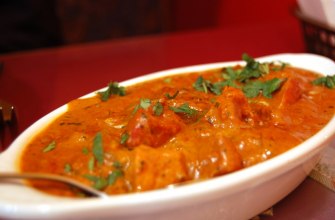
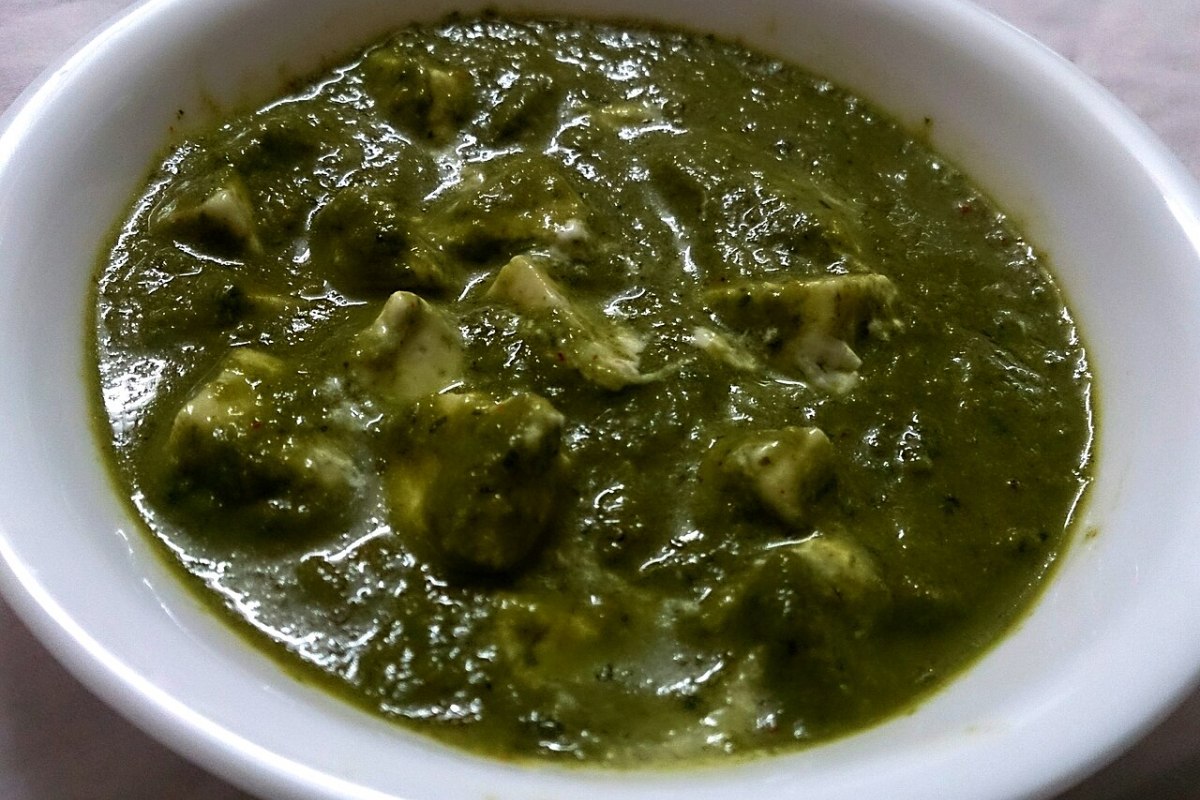
Palak paneer and saag paneer are not the same dish, and most menus that sell them get it wrong. Palak is the Hindi word for spinach, and palak paneer is made with spinach alone, which is why it is that bright, almost electric green. Saag is the word for leafy greens in general, and saag paneer is a mix of whatever is in season. This palak paneer recipe is about the spinach version, and it spends its time on the two things that separate a restaurant plate from a dull home one: the blanch-and-shock that keeps the green, and the trick to a spinach gravy that is not bitter.
Palak paneer is not saag paneer
The confusion is worth clearing up first, because it changes what you cook. The two dishes start from different greens.
- Palak paneer uses spinach only. Spinach blends to a smooth, near-velvet puree and holds a vivid green, so the dish is bright and silky.
- Saag paneer uses a mixture of greens, which can include mustard (sarson), fenugreek (methi), radish tops, bathua and some spinach. Those coarser, more pungent leaves give a darker, olive-to-forest green, a rustic texture and an earthier, slightly peppery taste.
Saag is the category; palak is one ingredient inside it. In Punjab, where both belong, saag is cold-weather food, and the great winter dish is sarson da saag, mustard greens slow-cooked and served with makki di roti, cornbread, and a spoon of white butter. Palak paneer is the smoother, milder, spinach-only cousin that travelled onto restaurant menus around the world. Order one expecting the other and you will be surprised, which is exactly what happens to diners every day.
The bright green is a technique, not luck
The single thing that marks good palak paneer is its colour, and that colour is made, not hoped for. Spinach turns a dull army green when it is cooked long and slow, because heat and air oxidise it. The fix is to blanch and shock. Drop the spinach into boiling water for no more than a couple of minutes, just until it wilts and goes vivid, then lift it straight into a bowl of iced water. The cold stops the cooking dead and locks the colour in before it can dull.
That ice bath is the non-negotiable step. Skip it, or let the spinach sit in the hot water, and the puree comes out the colour of pond weed however carefully you cook the rest. Restaurants get their electric green this way, not from food colour. Once shocked and drained, the spinach is pureed, often with a few raw cashews for an extra creaminess, into the smooth base of the dish, and from then on it is barely cooked, only warmed through, so the colour survives to the plate.
The bitterness problem, and the oxalic acid behind it
The other failure of home palak paneer is a bitter, metallic edge, and it has a chemical cause. Spinach is high in oxalic acid, and old, large, mature dark leaves carry the most of it. That oxalic acid is what tastes bitter and metallic, and it is worst in spinach that has sat in the fridge for a week. Two habits fix it.
- Use young, fresh spinach. Tender baby leaves carry far less oxalic acid than big mature ones, and they puree smoother. Avoid thick stalks, which are the most bitter part.
- Blanch, do not boil to death. A brief blanch leaches out much of the oxalic acid into the water, which you discard. Over-cooking, by contrast, concentrates the bitterness and kills the colour at the same time.
If a finished gravy still tastes faintly bitter, a spoon of cream smooths it, because the fat coats the tongue and rounds the edge. But cream is a rescue, not a substitute for using fresh spinach and a quick blanch in the first place.
The paneer, and keeping it soft
Paneer is Indian fresh cheese, milk curdled with an acid and pressed. The acid matters: lemon juice gives a soft, tender curd, while vinegar sets it firmer, so a softer paneer comes from a gentler acid. For palak paneer you want it soft enough to yield but firm enough to hold its cubes in the gravy.
The common mistake is rubbery paneer. Two things prevent it. If you pan-fry the cubes for colour, drop them straight into warm, lightly salted water afterwards, which keeps them soft instead of letting the fried surface turn tough. And if you use frozen or store-bought paneer, soak it in hot water for fifteen to twenty minutes before using, which softens it back to something close to fresh. Add the paneer near the end and only warm it through, since long cooking in the gravy is what turns it springy and tight.
Making paneer at home
Paneer is one of the easiest cheeses to make, and a fresh batch beats the shop kind for this dish. Bring full-fat milk to a boil, then take it off the heat and stir in an acid, lemon juice or a little vinegar, until the milk splits into white curds and pale green whey. Strain the curds through muslin, rinse to remove the sour edge, then gather the cloth and press the curds under a weight for half an hour to an hour. Less pressing gives a softer paneer; more gives a firm block that holds a clean cube.
The acid you choose leaves a mark. Lemon gives a soft, faintly sweet curd; vinegar sets it firmer and more neutral; some cooks use leftover whey from a previous batch, which gives the gentlest set of all. Do not throw the whey away, since it goes into kneading roti dough or cooking dals and rice, adding protein and a mild tang. This North Indian fresh cheese, pressed firm, is the savoury twin of the soft, unpressed chhena that Bengal turns into its sweets, the same curds taken in two directions.
Dhaba, restaurant and home styles
The same dish wears different clothes depending on where it is cooked, and knowing the styles helps you aim for the one you want.
- Dhaba style, the roadside version, is coarser and more rustic, the spinach left a little textured, the spicing bolder, more garlic and chili, often finished with a smoky tempering of ghee, garlic and red chili poured over the top.
- Restaurant style is the smoothest and mildest, the spinach pureed fine, enriched with cashew paste and cream for a silky, pale-green gravy built to please every palate.
- Home style sits between the two, lighter on the cream, more spinach-forward, the everyday version a Punjabi family eats with roti through the winter.
None is more correct than the others; they are answers to different tables. The cashew-and-cream of the restaurant version is what makes it feel rich, while the dhaba’s smoky garlic tempering is what gives it punch. Decide which you are after before you start, because the two pull the dish in opposite directions.
Ingredients for palak paneer
| Ingredient | Amount | Role |
|---|---|---|
| Fresh young spinach | 500 g | The body and the green |
| Paneer, cubed | 250 g | The soft cheese |
| Onion, tomato, ginger, garlic, green chili | to the gravy | The base |
| Raw cashews | a small handful, optional | Extra creaminess in the puree |
| Cumin, garam masala, kasuri methi | to season | The warm spicing |
| Cream | a spoonful to finish | Smooths and enriches |
| Butter or ghee | to cook | The fat |
How to make palak paneer step by step
- Blanch the spinach two minutes in boiling water, then plunge it into iced water. Drain.
- Puree the shocked spinach with the green chili, ginger and the cashews if using, to a smooth green paste.
- In butter or ghee, temper cumin, then cook the onion soft, then the ginger-garlic and tomato until the fat separates.
- Lower the heat and stir in the spinach puree. Warm it through gently, no more than a few minutes, so the colour holds. Season with garam masala and crushed kasuri methi.
- Fold in the paneer cubes, warm them through, and finish with a spoon of cream.
The discipline is in step four. The moment the spinach goes in, the clock is against the colour, so keep the heat low and the cooking short. A palak paneer simmered hard for twenty minutes will taste fine and look grey. Some cooks even keep back a spoon of the bright puree to stir in raw at the very end, refreshing the colour just before serving.
The mistakes that spoil palak paneer
- Army-green gravy. No ice bath, or the spinach cooked too long. Blanch and shock, then barely cook the puree.
- Bitter, metallic taste. Old, mature spinach high in oxalic acid, or thick stalks. Use young fresh leaves and a quick blanch.
- Rubbery paneer. Over-fried or over-cooked in the gravy. Soak fried paneer in warm salted water and add it at the end.
- Watery gravy. Spinach holds water; squeeze the blanched leaves before pureeing, and cook the onion-tomato base down properly.
- Flat flavour. Skipping the kasuri methi and the tempering. The dried fenugreek and a proper cumin tempering give the dish its depth.
What home cooks actually argue about
Beyond the blanch, the people who make palak paneer most often disagree on a few points worth knowing, and the consensus that emerges is more useful than any single recipe.
- To blanch or not to blanch. There are two camps. Most swear by the blanch-and-shock for the brightest green. A vocal minority skips it entirely, sautéing the raw spinach briefly and pureeing at once, arguing it keeps more flavour. Both work; what kills the dish is the middle path of a long, slow simmer that neither blanches nor preserves.
- Coriander in the puree. A tip repeated across home cooks and Hindi recipe columns: blend a handful of fresh coriander leaves in with the spinach. It deepens the green and noticeably cuts the bitterness, doing double duty.
- Blend without water. The Hindi food press is insistent on this one. Puree the cooled spinach with the ginger, garlic and chili but no added water, into a thick concentrated paste. It holds the colour better and dilutes the flavour less than a watery blend.
- A note of sourness against bitterness. If a batch still tastes faintly bitter, a squeeze of lemon at the end, as much as the cream, rounds it off. Acid and fat both tame the oxalic edge.
The one point nobody argues about is the paneer: add it off the heat at the very end and let it soak in the hot gravy. Every cook who complains of rubbery paneer boiled it.
What to serve with palak paneer
Palak paneer is mild and creamy, so it pairs with plain breads and rice.
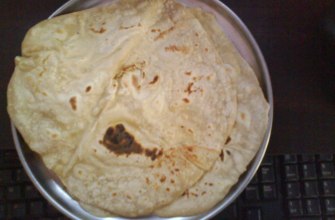
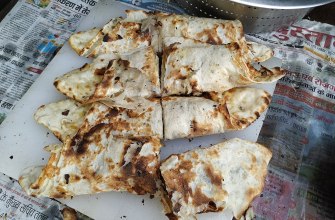
- Roti or naan, a soft naan or a daily roti to scoop the gravy.
- Jeera rice, cumin-tempered basmati for a plated meal.
- A dal alongside, to round out a vegetarian thali.
It belongs to the Punjabi and Mughlai school of the guide to Indian cuisine and spices, the dairy-rich north that also gave the world butter chicken, and it is the green vegetarian anchor of that same table.
Outside India, palak paneer has become among the most ordered vegetarian dishes on any Indian menu, a fixture beside the dals and kormas, the green plate that balances a spread of richer gravies, and the dish that wins over diners who think vegetarian food cannot be satisfying. That reputation is built almost entirely on getting two things right, the colour and the absence of bitterness, which is why this recipe spends its effort there rather than on a long list of spices. A bright, smooth, sweet-edged palak paneer needs no rescuing; a grey, bitter one cannot be saved by any amount of garam masala.
Frequently asked questions
What is the difference between palak paneer and saag paneer?
Palak paneer is made with spinach only, giving a smooth, bright green dish. Saag paneer uses a mix of leafy greens, often mustard and fenugreek as well as spinach, giving a darker, coarser, earthier result. Palak is spinach; saag is greens in general.
How do I keep palak paneer green and not grey?
Blanch the spinach for two minutes, then immediately plunge it into iced water to stop the cooking. Puree it and warm it only briefly in the gravy. Long, slow cooking and skipping the ice bath are what turn it grey.
Why is my palak paneer bitter?
Usually old, mature spinach high in oxalic acid, or thick stalks. Use young, fresh leaves, blanch them briefly to leach out the acid, and avoid over-cooking. A spoon of cream can smooth any remaining edge.
How do I keep the paneer soft?
If you fry the cubes, drop them into warm salted water afterwards. With frozen or shop paneer, soak it in hot water for fifteen to twenty minutes first. Add the paneer at the end and only warm it through, since long cooking makes it rubbery.
Is palak paneer Punjabi?
Yes, it belongs to the Punjabi and wider North Indian tradition, where spinach and mustard greens are winter staples cooked with paneer and finished with cream or butter.
Can I make a vegan palak paneer?
Yes. Swap the paneer for firm tofu, which takes the gravy well, and use a plant cream or a cashew paste in place of dairy cream. The spinach base and the blanch-and-shock technique stay exactly the same, so the colour and flavour hold.
Can I make palak paneer ahead or freeze it?
The gravy keeps two to three days in the fridge and reheats well, though the green dulls a little over time. Freezing is possible but the spinach loses some brightness and the paneer can turn grainy, so it is best made fresh or only a day ahead. Add the paneer when you reheat rather than freezing it in the gravy.
Is palak paneer healthy?
It is nutritious in the right balance: spinach brings iron and vitamins and paneer brings protein. The blanching even makes some of the spinach’s nutrients more available. The cream and butter add richness, so a lighter home version with less cream is the everyday way to keep it wholesome.
Sources
- Dassana’s Veg Recipes, palak paneer technique reference
- Swasthi’s Recipes, on palak versus saag and the blanch
- Image: Palak paneer, Wikimedia Commons, CC BY-SA 4.0, by DreamyFlutura11