
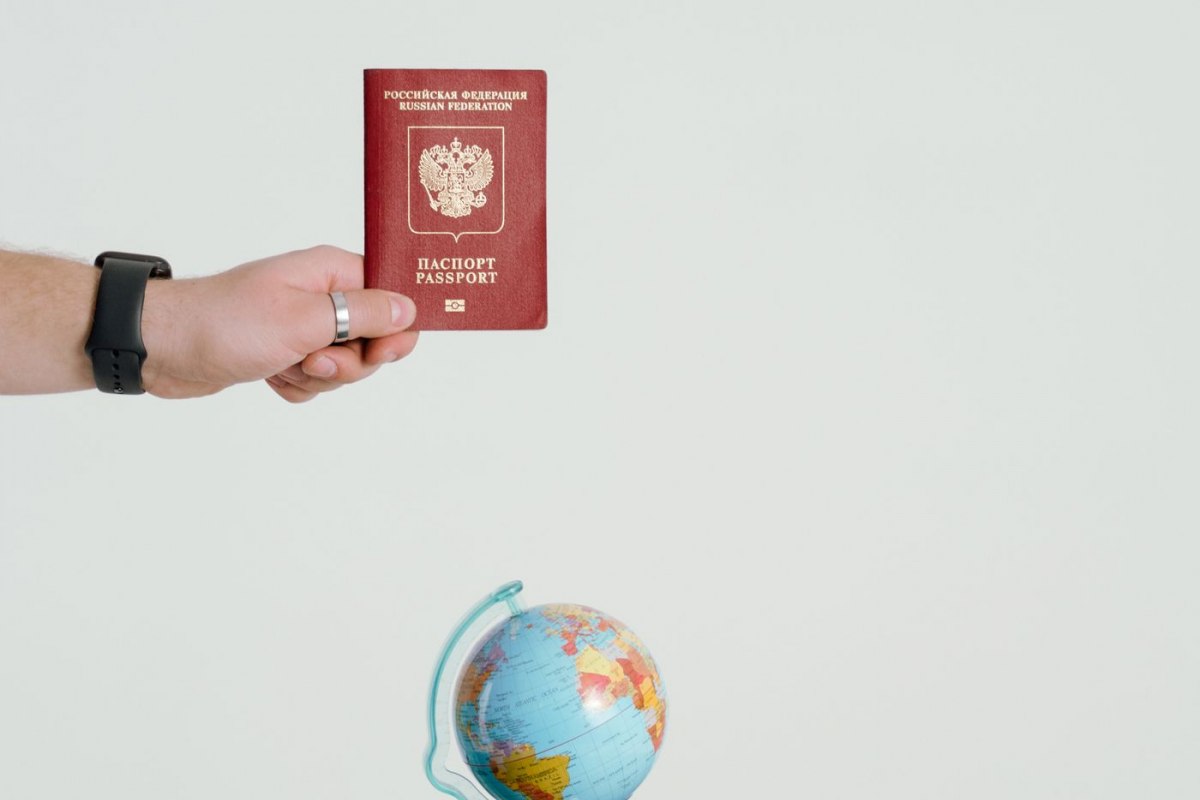
Wanting to live somewhere and being allowed to live there are two different things, and the gap between them sends people home every year. A passport stamp at the airport lets you visit. It does not let you stay, work or settle, and the route that does is a separate, slower piece of paperwork you sort before you go. This guide explains how to live abroad legally: the mistake that gets people turned away, the main routes to residency and who each one suits, the visas that quietly lead nowhere, and how a temporary permit becomes permanent residency and eventually citizenship.
A visa is not the right to stay
The single most expensive misunderstanding in moving abroad is treating a tourist entry as a foothold. It is not, and two distinctions matter before anything else.
- A tourist visa is not residency. Visa-free entry or a tourist visa gives you weeks or a few months as a visitor, with no right to work and no path to staying. Overstaying it risks fines, deportation and a re-entry ban, and you cannot usually convert it into a residence permit from inside the country.
- A residence right is not always a work right. Some permits let you live somewhere but bar you from local employment, or limit you to a specific employer or self-employment. Check what your route actually permits before you count on an income.
Sort the legal route first, because it sets the whole timeline of your move abroad and some long-stay visas take six months or more to grant.
The routes to living abroad legally
Long-stay routes fall into a handful of types. The right one depends on why you are moving and what you bring: a job, a family tie, an income, money to invest, or an ancestor.
Work and skilled visas
The most common route. A job offer from a local employer, who often must show they could not fill the role locally, sponsors your permit. Skilled-worker and points-based systems suit people with in-demand qualifications. The permit is usually tied to the job, so losing it can mean losing your right to stay.
Study visas
Enrolment at a recognised institution grants a student residence permit, often with limited work rights and a route to a post-study work visa. It suits younger movers and is a common first step toward longer settlement. Our guide to the Australian student visa shows how one country handles a study route.
Family and spouse visas
Marriage or a registered partnership with a citizen or resident, or joining close family already settled, opens family-reunification routes. These often carry full work rights and a faster path to permanent residency, though they come with income and accommodation requirements for the sponsor.
Digital nomad visas
A newer category, now offered by dozens of countries, for people earning remotely from a foreign employer or clients. You prove a recurring monthly income above a set threshold and hold private health cover. It suits remote workers, with one large caveat covered below: most do not lead to permanent settlement.
Retirement and passive-income visas
Countries from Portugal to Panama and Ecuador offer permits to people with a stable pension or passive income, sometimes called pensionado or passive-income visas. Portugal’s passive-income route, for instance, sets a modest minimum monthly income from pensions, rent or investments. They suit retirees and anyone with reliable unearned income.
Golden and investment visas
Residence in exchange for a qualifying investment, in real estate, a business, funds or government bonds. They are fast and undemanding on physical presence, which is the appeal, and expensive, which is the catch. Several countries have tightened or closed these schemes, so check the current rules rather than an old listicle.
Ancestry and citizenship by descent
If a parent, grandparent or sometimes great-grandparent was a citizen, you may claim citizenship or an ancestry visa by descent. It is the strongest route of all when you qualify, because it can hand you a passport rather than a permit, with no employer, investment or income test. Check the specific country’s descent rules, which vary widely.
The dead end: visas that lead nowhere
This is the node the cheerful visa listicles skip, and it decides whether a move is a stepping stone or a cul-de-sac. Many of the easiest visas to get are designed to be temporary and deliberately do not count toward staying for good. A large share of digital nomad visas, and some retirement permits, function as extended tourist stays: you can live there for a year or two, then you must leave or switch, and the time spent does not build toward permanent residency or citizenship. Croatia’s digital nomad permit and several similar schemes expire with no codified route to settle.
The lesson is to decide early whether you want a long stay or a permanent home. If you mean to settle, choose a route that counts toward residency from the start, because years on a dead-end visa are years that do not bank toward a passport.
From visa to permanent residency to citizenship
Living abroad long-term usually climbs a ladder, and knowing the rungs stops you wasting years on the wrong one.
- Temporary residence permit. The first rung: a renewable permit tied to your route, work, study, family, income or investment, typically valid one to a few years at a time.
- Permanent residency. After a qualifying stretch of continuous, legal residence, often around five years, many countries let you apply for permanent or long-term residency, which loosens the tie to a job or sponsor and lets you stay indefinitely.
- Citizenship. Naturalisation usually follows a longer continuous residence, commonly from five to ten years, plus tax residence, a language or civics test, and sometimes giving up your original nationality where dual citizenship is not allowed.
Two rules trip people up. The clock usually demands continuous residence, so long absences can reset it, and time on a non-qualifying visa, including most tourist and many nomad stays, does not count toward either rung. Country specifics differ sharply: our guides to Swiss residency and work permits and Danish immigration law show how two European systems set the rungs, and teaching English in Nepal shows a work-route example further afield.
What each route needs
The paperwork varies, but most long-stay applications ask for a common core. Gather these early, since several need authentication.
- A passport valid well beyond your intended stay.
- Proof of your basis: a job contract, university enrolment, marriage certificate, income statements or investment proof, depending on the route.
- Evidence of funds to support yourself, often a minimum balance or monthly income.
- Health insurance meeting the country’s threshold, sometimes for the whole stay.
- A clean criminal record certificate, usually apostilled or legalised.
- Authenticated civil documents, birth and marriage certificates with an apostille or consular legalisation, as set out in our moving abroad checklist.
Where applications go wrong
Most refusals come from a small set of avoidable errors rather than a hard rejection of the applicant. Knowing them is half the application.
- Too little money shown. Falling short of the required funds or income, or failing to evidence them with the exact statements asked for, is the most common refusal.
- Applying from the wrong place. Many long-stay visas must be applied for from your home country before you travel, not switched to after you arrive as a tourist. Turning up first and asking later often fails.
- Document gaps. A missing translation, an un-apostilled certificate, an expired police check or a passport too close to its expiry can sink an otherwise strong case.
- Criminal record issues. An undisclosed or unresolved record on the mandatory background check causes refusals and bans, so address it head on rather than hoping it is missed.
- Missed deadlines and renewals. Letting a permit lapse, or applying to renew too late, can drop you out of legal residence and reset any progress toward permanent status.
For complex cases, an immigration lawyer in the destination country usually costs less than a failed application and a wasted move.
Frequently asked questions
Can I move abroad on a tourist visa?
No. A tourist visa or visa-free entry lets you visit for weeks or a few months with no right to work, and you usually cannot convert it into residency from inside the country. Overstaying risks fines, deportation and a re-entry ban. Arrange a long-stay route before you go.
What is the easiest way to get residency abroad?
It depends on what you bring. A job offer, a family tie, remote income, a pension, investment funds or a qualifying ancestor each open a different route. Ancestry is the strongest when you qualify, a job or family tie is the most common, and a digital nomad or passive-income visa is often the quickest to obtain.
Do digital nomad visas lead to permanent residency?
Most do not. A large share function as extended tourist stays that expire after a year or two with no path to settling, and the time spent does not count toward permanent residency or citizenship. If you want to settle, choose a route that builds toward residency from the start.
How long until I can get permanent residency or citizenship?
Permanent residency often comes after about five years of continuous legal residence, and citizenship after roughly five to ten, plus tax residence and usually a language or civics test. Long absences can reset the clock, and time on a non-qualifying visa does not count.
Does a residence permit let me work?
Not always. Some permits allow work, some tie you to one employer or to self-employment, and some bar local employment entirely. Check exactly what your route permits before you rely on local income.
Sources
- European Union, residence rights and registration in the EU
- UK Government, visas and immigration routes
- Australian Department of Home Affairs, visa listing
- US Department of State, immigrant visa routes