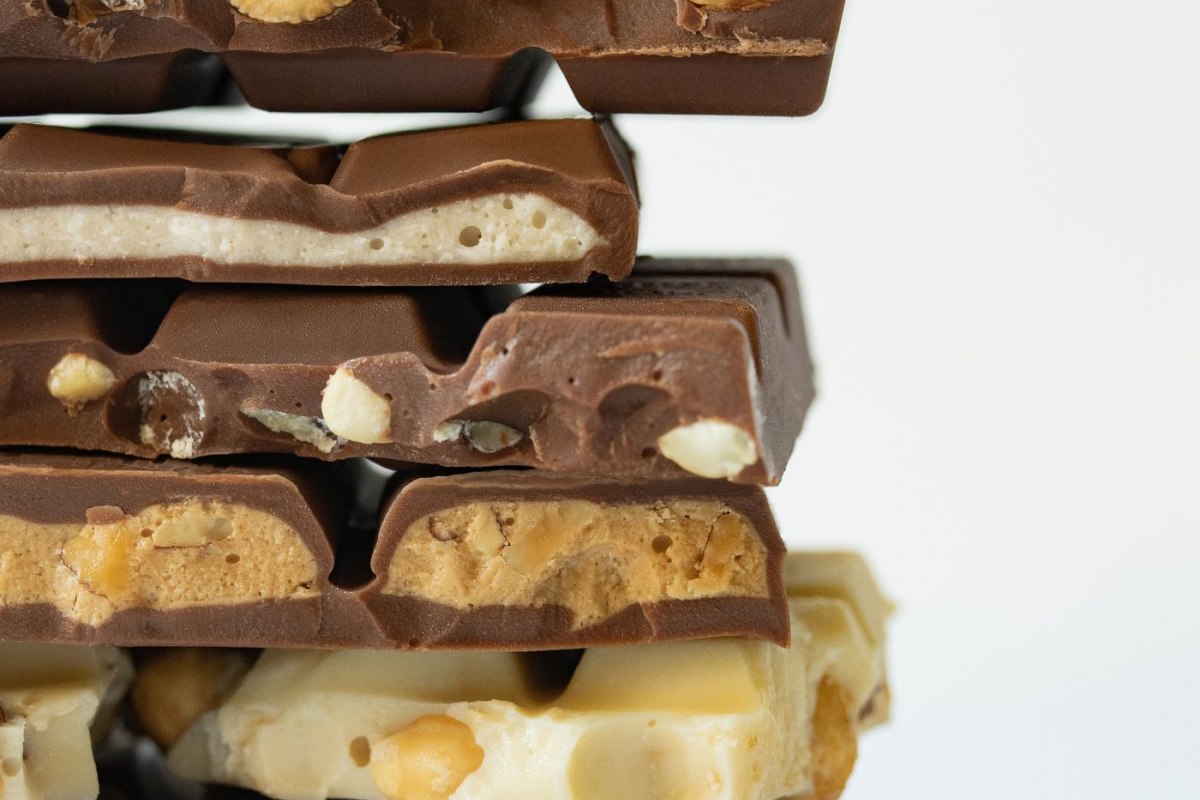
The Chocolate Museum Barcelona hands you a ticket you can eat: admission is a bar of chocolate. That single idea tells you what kind of museum this is, run not by curators but by the city’s pastry guild, set inside a fourteenth-century convent in the Born, and built around sculptures modelled entirely in chocolate. The Museu de la Xocolata traces how cacao crossed the Atlantic into Europe through ports like Barcelona, and how Catalan pastry-makers turned it into an art form with its own festivals. This guide covers the chocolate sculptures, the Easter tradition behind them, the building, and how to visit with or without children.
The Chocolate Museum is one of the friendlier stops among the museums in Barcelona, and it slots easily into a Born afternoon alongside the bigger collections.
A ticket you can eat
The museum is owned and run by the Gremi de Pastissers de Barcelona, the city’s guild of pastry-makers, which opened it in 2000. That ownership shapes everything about the place. This is a museum made by craftspeople about their own craft, so the focus falls on technique, tradition and showmanship rather than dry history.
- The edible ticket: your entry pass is a printed bar of chocolate, the detail every visitor remembers and the easiest way to win over a sceptical child at the door.
- A working guild: the same guild runs courses and competitions, so the displays double as a showcase of what the city’s pastry chefs can do.
- Tastings: the route ends at a shop and tasting counter, where the guild’s members sell and sample their work.
Chocolate sculptures and the Mona de Pasqua
The heart of the collection is a set of chocolate sculptures built by some of Catalonia’s leading pastry chefs. They range from models of Gaudi’s buildings and Barcelona landmarks to film and cartoon characters, all modelled in chocolate and rotated over time.
Behind the spectacle sits a genuine Catalan tradition that the museum exists to explain: the Mona de Pasqua.
- The custom: on Easter Monday, godparents in Catalonia give their godchildren a mona, historically a cake and now often an elaborate chocolate sculpture.
- The artistry: over the twentieth century the mona grew from a simple ring cake into a competitive showpiece, with pastry chefs building towering chocolate scenes of castles, footballers and cartoon figures.
- Why it matters here: the museum frames its sculptures as the living edge of this tradition, not as novelties, which is the context the standard tourist listings leave out.
- The competition: the pastry guild runs an annual mona contest, and the boldest entries, full chocolate scenes weighing many kilograms, are exactly the kind of showpiece the museum collects and displays.
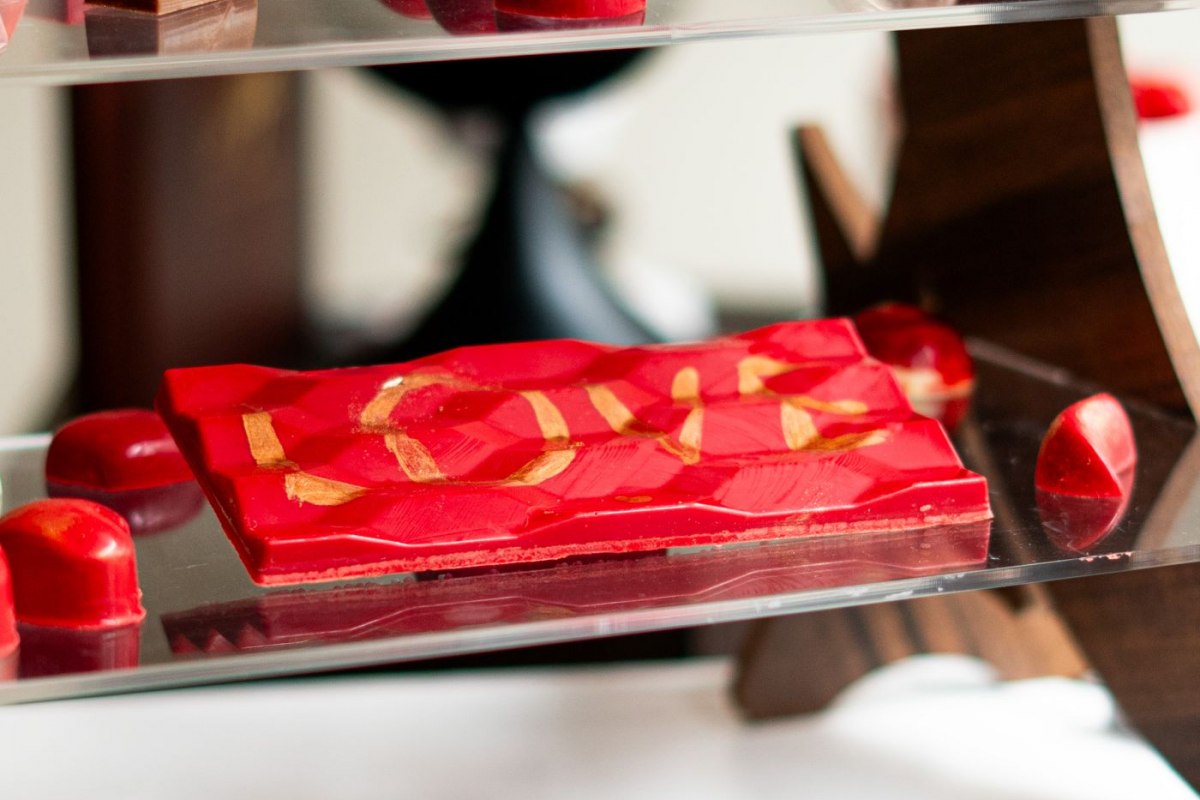
The sculptures rotate, so what is on show shifts through the year, peaking around Easter when the mona tradition is at its height. Whatever the season, the craft on display is closer to engineering than baking: the figures are modelled, cast and assembled in tempered chocolate that has to hold its shape at room temperature, a technical feat the labels explain alongside the artistry.
How chocolate reached Barcelona
The displays walk through the story of chocolate as a material before it was a treat. Long before it reached Spain, cacao was a sacred crop in Mesoamerica, where the Maya and later the Aztecs drank it bitter and spiced, used the beans as currency, and tied it to ritual. Spanish contact in the sixteenth century carried the bean back across the Atlantic, where sugar and warmth turned the harsh drink into a court luxury.
Cacao arrived in Europe from the Americas after the Spanish conquest, first as a bitter drink reserved for the wealthy, and ports on the Iberian coast were among its entry points into the continent. For a long stretch Spain held a near-monopoly on the supply, which is why the Spanish court and its convents shaped European chocolate habits before the rest of the continent caught the taste. Barcelona, as a major Mediterranean port and manufacturing city, became one of the places where chocolate moved from aristocratic cup to factory bar in the nineteenth century.
The route covers chocolate’s path from a monastic and aristocratic luxury to an industrial product and finally a cultural symbol of Barcelona, where a dense network of chocolate shops and pastry houses grew up. The tools, moulds and old advertising on show trace that shift from medicine and ritual drink to the everyday bar.
One thread the museum draws out is the role of religious houses. Spanish convents and monasteries were early centres of chocolate preparation, refining the bitter drink and guarding recipes, before the craft passed to commercial confectioners. That lineage, from cloister to guild to shop, is why a chocolate collection sits so naturally inside a former convent in the Born.
Barcelona’s chocolate culture, on and off the plate
The museum makes more sense once you know how deep chocolate runs in the city around it. Barcelona built a serious chocolate trade on the back of Spain’s early monopoly on cacao, and the habit settled into daily life in a way that still shows.
- Xocolata amb xurros: thick drinking chocolate served with fried pastry sticks is a Catalan breakfast and afternoon ritual, sold in old-style milk bars known as granjes across the old town.
- Historic houses: long-running chocolate and pastry shops survive in the Gothic Quarter and the Born, several over a century old, keeping the craft the museum documents alive on the street.
- A guild city: the pastry guild that owns the museum is one of many medieval trade guilds that still shape Barcelona’s food culture, and chocolate sits near the centre of it.
Seen this way, the museum is the indoor version of a tradition you can taste a few doors away, which is the context the standard listings skip.
The building: a Gothic convent in the Born
The museum sits inside the former Convent de Sant Agusti, a Gothic building dating to the fourteenth century, on Carrer del Comerc in the Born. The stone halls give the chocolate displays a setting far older than the craft itself, and the location puts the museum within a few minutes’ walk of the area’s heavyweight sights.
That position is part of its appeal. The Born packs museums, medieval lanes and tapas bars into a small area, so the Chocolate Museum works best as one stop on a wider walk rather than a destination on its own.
Visiting with children and workshops
This is among the easiest museums in Barcelona to visit with young children, and the place leans into that.
- Workshops: the museum runs chocolate-making and tasting sessions, often hands-on, which need booking ahead and are the main reason families stay longer than an hour.
- Scale: the collection is compact, so it suits short attention spans and pairs well with a longer day that includes a park or the beach.
- Pacing: the edible ticket and the sculptures hold children’s interest where a conventional art museum would lose them.
Planning your visit
- Price: about €7 for adults and €5.60 reduced, with free entry for children up to five. Workshops are priced separately.
- Hours: open Monday to Saturday roughly 10:00 to 19:00, and Sundays and holidays 10:00 to 15:00. It opens on Mondays, when many of the larger art museums are closed.
- Location: Carrer del Comerc in the Born, a short walk from the Picasso museum and the El Born Centre.
- Pair it: combine with the Picasso museum a few streets away for a single Born museum afternoon.
Because it opens on Mondays, the Chocolate Museum is a useful fallback when MNAC, Picasso and the Miro foundation are shut. For how to time the rest of the city’s collections, see the museums in Barcelona guide, and fit the museum into a broader trip with the things to do in Barcelona guide.
Frequently asked questions
Is the entrance ticket really made of chocolate?
Yes. Admission to the Museu de la Xocolata is a printed bar of chocolate, which you keep and eat. It is the museum’s signature detail and a reliable hit with children.
How much does the Chocolate Museum cost?
General admission is around €7 for adults and €5.60 at the reduced rate, with free entry for children up to five years old. Workshops and tastings are charged separately.
Is the Chocolate Museum worth visiting?
For families and anyone curious about Catalan pastry culture, yes. It is compact and informal rather than a major collection, and it works best as one stop on a Born walk rather than a half-day on its own.
Is the Chocolate Museum good for kids?
It ranks among the most child-friendly museums in Barcelona. The edible ticket, the chocolate sculptures and the hands-on workshops hold children’s attention where a conventional museum would not, and the compact size means you can leave before anyone tires of it.
What is a Mona de Pasqua?
A mona is the Easter gift Catalan godparents give their godchildren on Easter Monday. Once a simple cake, it has grown into an elaborate chocolate sculpture, and the museum presents its displays as part of this living tradition.
Where is the Chocolate Museum and how do you get there?
The museum is on Carrer del Comerc in the Born district, near the Parc de la Ciutadella. The nearest metro stops are Jaume I and Arc de Triomf, both a short walk away. It sits close to the Picasso museum, so the two combine well on foot.
Do you need to book the Chocolate Museum in advance?
General entry rarely needs booking, but the chocolate workshops and tasting sessions do, especially at weekends and in school holidays when family demand is highest. Reserve those ahead online if they are the main reason for your visit, and check the timetable, since sessions run only at set hours through the day.
Sources
- Museu de la Xocolata de Barcelona – collection, workshops, history and visiting information
- Ajuntament de Barcelona – the Convent de Sant Agusti and the city’s museum network
- Barcelona Tourism – visitor information for the Born district