A quad or buggy tour is one of the best ways to reach the parts of Fuerteventura the resort buses never see: the volcanic interior, the dirt tracks to hidden beaches and the high viewpoints over the malpais badlands. This guide covers what the tours involve, the routes worth taking, the rules that protect the island’s fragile landscape, and how to ride safely in the wind and dust. For the full range of things to do, see our Fuerteventura travel guide.
What a quad tour involves
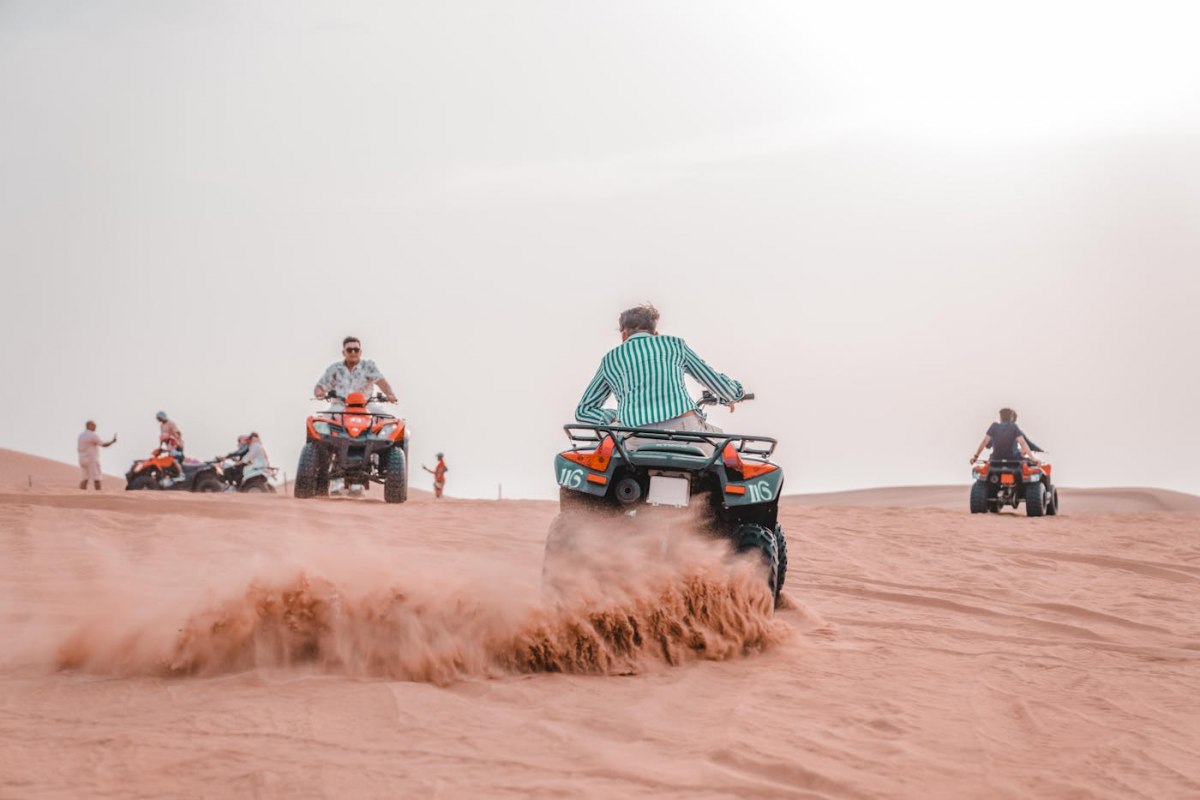
Quad biking here runs as guided convoys rather than free roaming, which matters on an island where much of the land is protected. A typical excursion works like this:
- Guided groups: you follow a lead guide in single file along set tracks, with a sweep rider at the back, usually for two to four hours.
- Single or double quads: most operators offer one-seat quads for solo riders and two-seat machines for couples or a parent and older child, alongside side-by-side buggies.
- Licence: a full car driving licence is required to drive a quad on the public roads that link the off-road sections, so bring it.
- Briefing and gear: tours start with a handling lesson and provide helmets, with goggles or a buff strongly advised against the dust.
Where the routes go
The interior and the coasts away from the resorts are the draw, and the common routes link them:
- The northern volcanoes and malpais: tracks around Lajares, the Calderon Hondo volcano and the lava badlands of the Malpais de la Arena, with wide views to the dunes and Lobos.
- The interior to Betancuria: dirt roads through the eroded central mountains toward the old capital and the Guise and Ayose viewpoint.
- Inland villages and barrancos: the dry ravines and farming hamlets such as Tindaya and La Oliva that most visitors drive straight past.
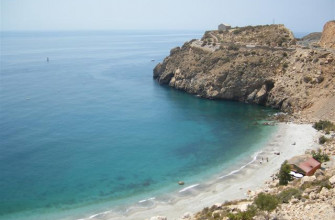
- Coastal tracks: routes to quieter beaches on the west and north-west, where the surf rolls in below the cliffs.
Half-day or full-day, and which route to pick
Operators sell two broad products, and the choice depends on what you want from the day. A half-day tour, the most popular, keeps to one region, usually the northern volcanoes and dunes from a Corralejo base or the central interior from Caleta de Fuste, and runs two to three hours of riding. A full-day tour covers far more ground, often pairing the northern volcanic landscape with a long run inland to Betancuria and back, with a lunch stop in a village restaurant. As a rule of thumb, first-time quad riders and families are better served by the half-day northern loop, which packs in the dunes viewpoint, a crater or two and a quiet beach without becoming tiring, while confident riders who want distance and variety get more from the full day. If you only have time for one and you are based in the north, the Lajares volcanoes and dunes circuit is the most rewarding short option, since it reaches the island’s signature scenery within an hour of setting off.
The rules that protect the island
Fuerteventura is a UNESCO Biosphere Reserve, and large areas, the Corralejo dunes, the Jandia and Lobos parks, the Malpais protected zones, are off limits to off-road vehicles. This is why reputable tours stick to authorised tracks and why riding a quad across the dunes or into a natural park is both illegal and damaging, with fines for those caught. The Cabildo, the island council, has brought in precautionary measures that prohibit quad and buggy excursions inside the protected natural spaces, including the ZEPA bird-protection zone between Corralejo and Majanicho, the natural parks and the protected monuments, recognising that driving the paths inside these EU Natura 2000 areas harms the wildlife and the ground; the rules remain a live local debate. The volcanic soil and the slow-growing desert plants recover badly from tyre tracks, so the difference between a good operator and a bad one is whether they respect the routes. Choosing a licensed, insured operator that runs marked tracks keeps the landscape intact and your trip trouble-free. The same protection shapes the walking routes covered in our volcano walk guide.
Quad, buggy or jeep
The three off-road options suit different travellers:
- Quad: the most hands-on and exposed, you drive yourself, best for those who want to ride rather than be driven.
- Buggy: a side-by-side car-style machine, drive-yourself but with seatbelts and a roll cage, good for couples and families with older children.
- Jeep safari: you are driven in a four-wheel drive, the relaxed option that reaches the same wild places without the dust in your face, covered in our jeep safari guide.
What you see on a typical tour
The appeal of a quad tour is less the machine than the access it gives to a side of Fuerteventura the resorts hide. A typical northern half-day climbs away from the coast within minutes, swapping the hotel strip for a landscape of brown volcanic cones, black lava fields and wide, empty plains. The convoy threads between the young craters around Lajares, pauses at a high viewpoint where the Corralejo dunes spread out below and the islet of Lobos floats offshore, and drops down dirt tracks toward quiet beaches the tour buses never reach. Interior routes pass through farming hamlets where goats outnumber people, past the white windmills that once ground gofio, and toward the green valley of Betancuria. The guide usually stops for photographs at the best viewpoints and explains the landscape, the aboriginal past and the island’s water-scarce way of life along the way. The contrast between the busy resort you left and the silent, half-desert interior twenty minutes inland is the lasting impression most riders take home.
Costs, timing and booking
Planning the practical side makes for a better tour:
- Tour length and price: most run two to four hours, priced per quad rather than per person, so a two-seat quad shared by a couple costs less per head than two solo machines.
- Time of day: morning tours avoid the strongest afternoon wind and the worst of the heat, and the light is better for the viewpoints. The midday sun is harsh on the shadeless tracks.
- Season: tours run year-round given the dry climate, but check the forecast for the calima dust haze, which a few days a year cuts visibility and makes riding unpleasant.
- Booking: book ahead in the winter high season and school holidays, when the popular operators in Corralejo and Caleta fill up, and confirm the operator is licensed and insured.
Riding safely in wind and dust
The island’s conditions shape how a tour feels, and a little preparation helps:
- Dress for dust: closed shoes, long sleeves, and goggles or sunglasses with a buff over the nose and mouth, since the trailing convoy kicks up fine volcanic grit.
- Mind the wind: the trade wind blows steadily and can carry a calima dust haze a few days a year, which cuts visibility, so check conditions before booking.
- Sun and water: there is no shade on the tracks, so high-factor sunscreen, a hat for the stops and water are essential even in winter.
- Follow the guide’s line: the set track avoids soft sand and protected ground, so staying in line is both safer and lawful.
Frequently asked questions
Do you need a licence to drive a quad in Fuerteventura?
Yes, a full car driving licence, because the tours use public roads to connect the off-road tracks. Passengers on a two-seat quad or buggy do not need one.
Are quad tours suitable for beginners?
Yes. Tours start with a handling briefing and run as guided convoys at a controlled pace on set tracks, so no previous experience is needed. Nervous riders can take a two-seat quad or a buggy.
Can you ride a quad on the Corralejo dunes?
No. The dunes are a protected natural park, off limits to vehicles, as are the other parks and the Malpais zones. Legal tours stick to authorised tracks, and riding in protected areas carries fines.
Quad or buggy, which is better?
A quad is more hands-on and exposed, while a buggy has seatbelts, a roll cage and side-by-side seats, which suits couples and families with older children. Both are drive-yourself.
What should you wear for a quad tour?
Closed shoes, long sleeves, sunglasses or goggles and a buff against the dust, plus sunscreen and water. Helmets are provided.
Can children go on a quad tour?
Children can usually ride as passengers on a two-seat quad or in a buggy with an adult driving, subject to the operator’s minimum age, while driving a quad requires a full car licence. Families with younger children often prefer a buggy or a jeep safari for the extra protection.
How much does a quad tour cost?
Tours are priced per quad rather than per person and vary with length, so a two-seat quad shared by a couple is the cheaper way per head. Half-day tours cost less than full-day excursions, which often include lunch.