Shopping on Fuerteventura is less about big malls than about what the island actually makes: protected goat cheese, aloe vera grown in the volcanic soil, hand-worked openwork linen and toasted gofio. It also carries a real price advantage, because the Canary Islands sit outside mainland Spain’s VAT system and tax goods far more lightly. This guide covers what to buy, where to find it, and how the tax break works. For the wider island, see our Fuerteventura travel guide.
The tax advantage that makes shopping cheaper
This is the backdrop to everything you buy here. The Canary Islands do not use mainland Spain’s 21 percent IVA. Instead they apply their own indirect tax, the IGIC, at a general rate of just 7 percent, a legacy of the islands’ historic status as a low-tax free-trade zone. The result is that many goods, especially cosmetics, perfume, sunglasses, electronics, spirits and tobacco, are noticeably cheaper here than on the European mainland. When you fly home to another EU country you are also subject to duty-free-style allowances on tobacco and alcohol, because the Canaries lie outside the EU customs and VAT territory for these purposes, so it is worth knowing your home limits. The tax break is real, but it is largest on branded goods like perfume and electronics rather than on everyday items.
What to buy: the island’s own products
The most rewarding souvenirs are the things Fuerteventura produces itself:
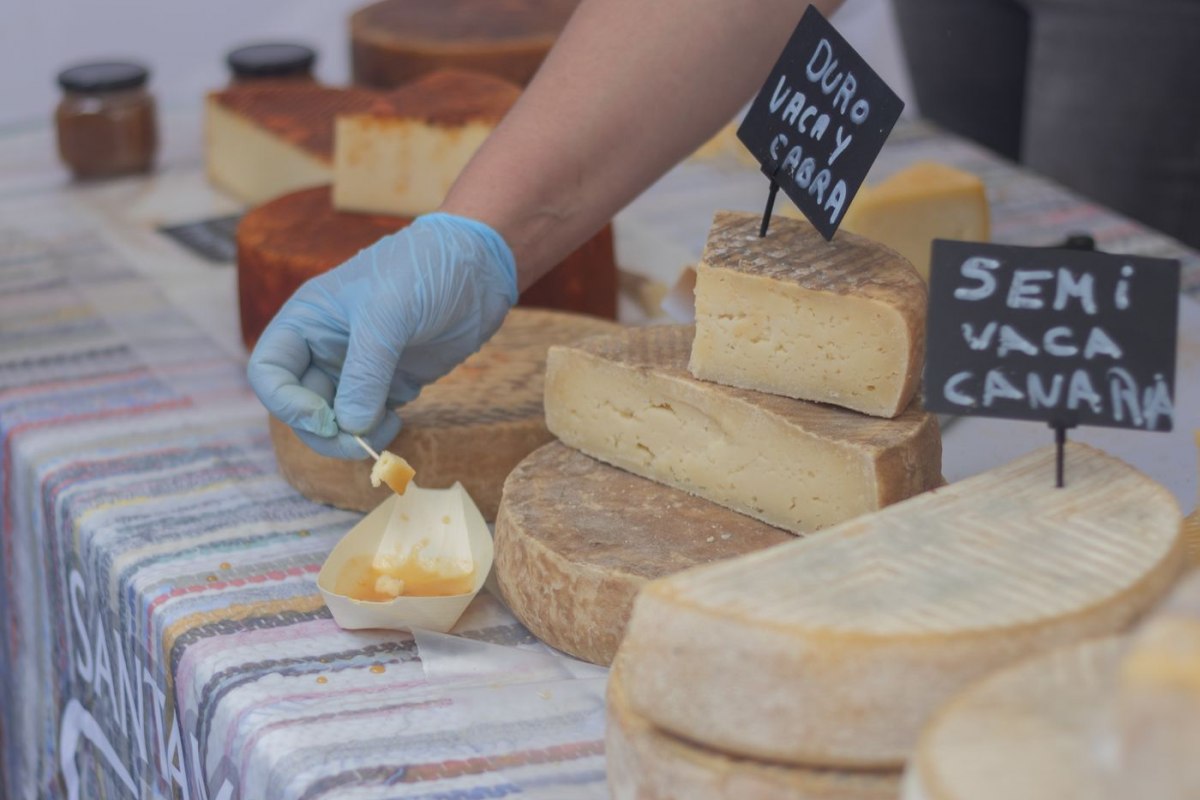
- Queso Majorero: the island’s protected goat cheese, the first goat cheese in Spain to win a Designation of Origin, sold young, semi-cured or cured and often rubbed with paprika, gofio or oil. The vacuum-packed cured wheels travel home well.
- Aloe vera products: creams, gels, after-sun, soaps and shampoos made from locally grown aloe, which the island’s dry, sunny climate produces at unusually high active-compound concentrations. Buy from farm shops or reputable stores rather than beach stalls for genuine quality.
- Calados majoreros: traditional hand-worked openwork linen and embroidery, a distinctive Majorero craft, sold as tablecloths, napkins and trims at the craft markets.
- Gofio: the toasted milled grain that is the island’s oldest food, sold in bags to take home, along with mojo sauces in jars.
- Goat-milk liqueur and local honey: a sweet licor de leche de cabra and island honey make easy, characterful gifts.
- Pottery and palm crafts: traditional Canarian ceramics and palm-leaf basketry, especially from the interior villages near Betancuria.
The markets and craft fairs
For local products the weekly markets, the zocos and mercadillos, beat the supermarket every time:
- Mercado de las Tradiciones, La Oliva: a craft and food market near the historic Casa de los Coroneles, strong on calados, mojo, jewellery and local produce.
- Mercado de la Vega de Tetir: known for ceramics, traditional needlework, palm-based products and aloe vera.
- Mercado de la Biosfera, Puerto del Rosario: the capital’s market for island cheese, gofio, honey and crafts straight from local makers.
- Resort markets: regular tourist mercadillos at Corralejo, Caleta de Fuste, Costa Calma and Morro Jable mix local crafts with general stalls, lively but more variable in quality.
The craft tradition and where to see it
Fuerteventura’s crafts are living traditions, not tourist inventions, and a couple of places let you see them at the source. The Centro de Artesania Molino de Antigua, built around a restored gofio windmill in Antigua, combines a craft shop with exhibition halls and gardens and is the best single place to buy genuine island work and understand it. The signature craft is the calado majorero, the fine openwork needlework that island women have made at home since the first Portuguese colonists arrived, prized across the Canaries and sold as tablecloths, runners and trims. The other living craft is weaving in palm and cane, the cesteria, with mats, hats, baskets and bags still made in workshops around Tuineje, Antigua and La Oliva, alongside traditional pottery. Buying these from the maker or the craft centre, rather than a generic souvenir shop, is the way to bring home something the island actually produces.
Where else to shop
Beyond the markets, the island has a few conventional shopping options:
- Puerto del Rosario: the working capital has the most everyday shops, local stores and a couple of shopping centres away from the tourist mark-up.
- Resort shopping centres: places like the centres at Corralejo and the Atlantico centre at Caleta de Fuste gather fashion, electronics, perfume and souvenir shops under one roof, handy on a windy day.
- Specialist gourmet and craft shops: dedicated Canarian-product shops in the capital and the towns sell vacuum-packed cheese, wine, aloe and crafts in one trustworthy place, good for gifts.
- Supermarkets: the Canarian HiperDino chain and others stock local cheese, gofio and mojo at the lowest prices for self-caterers, covered in our self-catering guide.
Aloe vera: what to look for
Aloe vera is the souvenir most visitors come home with, and it is worth buying well rather than grabbing the first beach stall. Fuerteventura grows aloe unusually well because the dry, sunny, windy climate and the volcanic soil suit the plant, and studies have found Canary-grown aloe carries markedly higher concentrations of the active compounds than aloe from wetter regions, which is the real reason to buy it here rather than at home. The quality of the finished product still varies hugely, so a few checks help: look for a high percentage of aloe vera in the ingredient list, ideally near the top, favour farm shops, pharmacies and established brands over pushy street vendors, and treat suspiciously cheap two-for-one offers with caution. Several aloe farms near Antigua, Tiscamanita and La Oliva open for tours and sell direct, which is both a good outing and the surest way to buy the genuine article, often alongside the farm’s own honey and the endemic Majorero donkeys kept on site. Pure aloe gel, after-sun and moisturiser are the most useful buys, and they pack flat for the flight home.
Bringing the cheese and food home
Queso Majorero is the other classic edible souvenir, and it travels better than people expect. Ask for it vacuum-packed, which most shops and market stalls will do, and a cured or semi-cured wheel will survive a few days out of the fridge and the flight home with no trouble, where a fresh young cheese is more fragile. Look for the Denominacion de Origen seal to be sure of the protected article rather than a generic Canarian goat cheese. Gofio in sealed bags, mojo sauces in jars, the sweet goat-milk liqueur and local honey, all part of the island’s food traditions, carry home easily too, though remember that liquids over the cabin limit must go in checked luggage. If you are flying to another EU country, standard food allowances apply, and there is no problem bringing reasonable quantities of these island products back for personal use. A vacuum-packed cheese, a bag of gofio and a jar of mojo make a compact, genuinely local edible gift that beats any airport souvenir.
Market timing and etiquette
The craft markets are the heart of local shopping, and a little planning gets the best from them. They run on fixed days, so the La Oliva and Tetir markets, the resort mercadillos and the Puerto del Rosario market each have their morning, usually finishing by early afternoon, and turning up on the wrong day means missing them entirely. Go early for the best choice and the coolest part of the day. Cash is still king at the smaller stalls, though many now take cards. Gentle haggling is accepted on crafts and general goods but is out of place on food and on the work of an artisan selling their own calados or pottery, where the price reflects the labour. Buying direct from the maker, rather than from a reseller, is both better value and a way to support the island’s traditional crafts, which is much of the point of shopping here rather than in a chain store.
What to watch for
A few cautions keep your shopping money well spent:
- Buy aloe from reputable sellers: quality and purity vary, so favour farm shops, pharmacies and established stores over pushy beach or street stalls.
- Check cheese is DOP: look for the Queso Majorero Denominacion de Origen label for the genuine protected article, and ask for it vacuum-packed for the journey.
- Know your customs allowance: the tobacco and alcohol savings are real, but bringing back more than your home country’s limit can mean duty, since the Canaries sit outside the EU VAT and customs area.
- Mind market days: the best craft markets run on set days of the week, so check before relying on one.
Frequently asked questions
Is shopping cheaper in Fuerteventura?
Often yes. The Canary Islands apply their own 7 percent IGIC tax instead of mainland Spain’s 21 percent VAT, which makes perfume, cosmetics, electronics, spirits and tobacco noticeably cheaper, with duty-free-style allowances when you fly home.
What should you buy in Fuerteventura?
The island’s own products: Queso Majorero goat cheese, locally grown aloe vera cosmetics, hand-worked calados majoreros openwork linen, gofio, mojo sauces, goat-milk liqueur and Canarian pottery and palm crafts.
Where are the best markets?
The craft and food markets at La Oliva and Tetir for traditional goods, the Mercado de la Biosfera in Puerto del Rosario for island produce, and the resort mercadillos at Corralejo, Caleta de Fuste, Costa Calma and Morro Jable.
Is Fuerteventura duty-free?
Not exactly, but the islands’ low 7 percent IGIC and their position outside the EU VAT and customs territory mean lower prices on many goods and traveller allowances on tobacco and alcohol when flying to the mainland or another EU country.
Where can you buy genuine Majorero cheese?
At the weekly markets, Canarian-product shops, and supermarkets like HiperDino. Look for the Queso Majorero Denominacion de Origen label and buy it vacuum-packed to bring home.
Sources and further reading
- Consejo Regulador Queso Majorero, points of sale
- Impuesto General Indirecto Canario (IGIC), overview
- Cabildo de Fuerteventura, island council