One of the joys of a Fuerteventura holiday is how easily you can hop to its neighbours. The islet of Lobos sits a 15-minute ferry from Corralejo, and Lanzarote, with its volcanoes and the world-famous works of the artist Cesar Manrique, is under 40 minutes across the strait. This guide covers the ferries, the operators and times, the Lobos permit you must not forget, and how to plan a day on Lanzarote. For the wider picture, see our Fuerteventura travel guide.
The crossing to Lanzarote
The ferries run between Corralejo, on Fuerteventura’s northern tip, and Playa Blanca on the south coast of Lanzarote, across the narrow strait known as La Bocaina. Three companies work the route, and the differences are worth knowing:
- Fred Olsen Express: the most frequent, with around 87 crossings a week and a journey of roughly 35 minutes.
- Lineas Maritimas Romero: the quickest at about 25 minutes, with around 35 crossings a week.
- Naviera Armas: around 52 crossings a week and a crossing of roughly 35 minutes.
Foot-passenger fares start from only a few euros each way, while taking a car costs considerably more, which feeds into the key planning decision below. Between them the operators run sailings throughout the day, so a flexible day trip is easy, though it pays to check the timetable for the first and last boats before you commit.
Foot passenger or take the car
This is the decision that shapes a Lanzarote day, and for most visitors the answer is to travel on foot. A foot-passenger ticket is cheap and quick, and on the Lanzarote side you can pick up an excursion, a hire car or a taxi at Playa Blanca. Taking your Fuerteventura hire car across costs several times the foot fare and often runs into restrictions, since many rental agreements limit or forbid taking the vehicle between islands, which can void your insurance. The cheaper, simpler route is to cross on foot and arrange transport once on Lanzarote, either a pre-booked tour that meets the ferry or a car hired on the island for the day. Only travellers who want total independence and have checked their rental terms should consider shipping the car.
What to do on Lanzarote in a day
Lanzarote rewards a day trip, and its signature sights cluster well enough to combine a few:
- Timanfaya National Park: the otherworldly Fire Mountains, where a coach route winds through fields of recent lava and rangers demonstrate the geothermal heat just below the surface.
- The works of Cesar Manrique: the artist who shaped the island’s look, seen at the Jameos del Agua lava tube, the Jardin de Cactus, the Mirador del Rio cliff viewpoint and his own home, now a foundation.
- La Geria: the strange wine country where vines grow in black ash pits ringed by low stone walls, with bodegas to taste the malvasia.
- Playa Blanca and the Papagayo beaches: if you want a relaxed day, the golden coves near the ferry port are among the finest beaches in the Canaries.
Trying to see all of these in one day is too much, so pick a theme, the volcanoes and wine, or the Manrique art trail, and leave the rest for another trip.
The short hop to Isla de Lobos
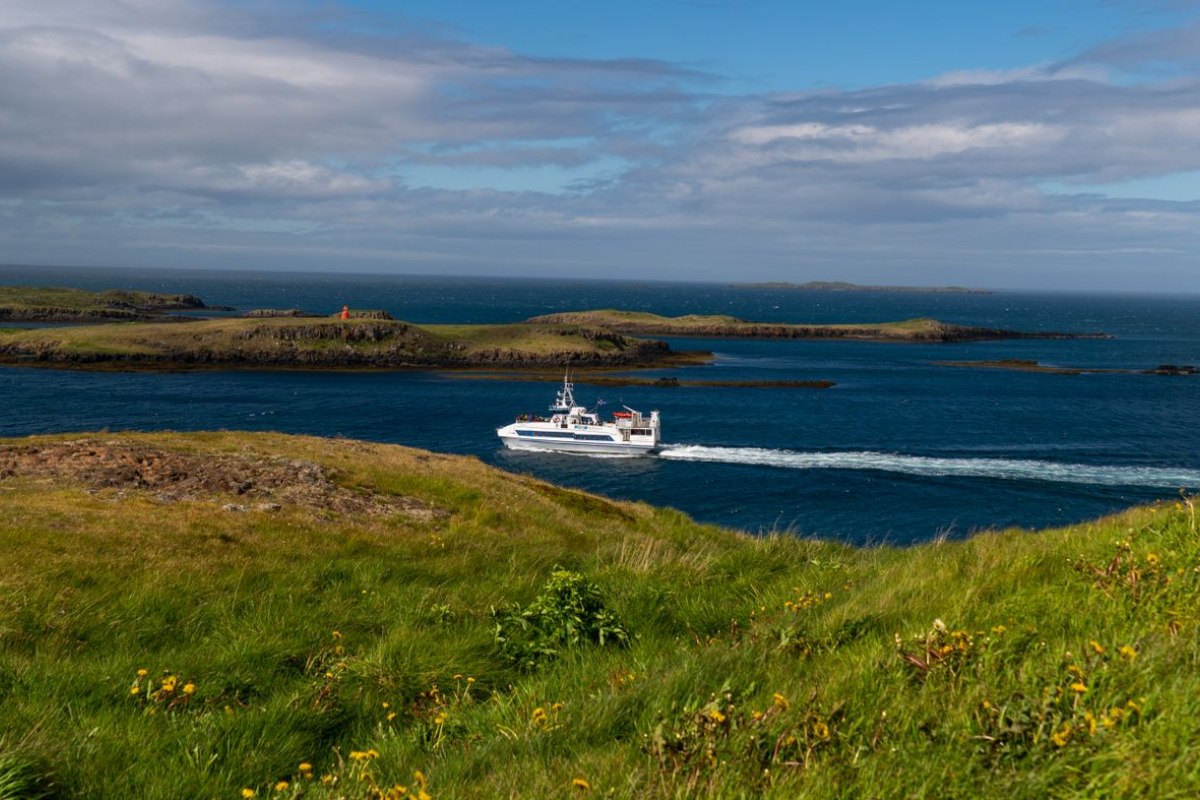
Closer to home, the tiny islet of Lobos is a 15-minute crossing from Corralejo and a different kind of day out: a protected nature reserve with a single hamlet at El Puertito, a lagoon, a lighthouse and walking trails, and no cars or development. There is one crucial catch. To protect the fragile reserve, a daily visitor quota applies, and you must obtain a free permit from the Gobierno de Canarias in advance to land on the island, in addition to the ferry ticket. Turning up without the permit means being turned away, so this is the one piece of planning that catches people out. Once there, bring your own water and food, since facilities are minimal, and stick to the marked paths. The reward is one of the calmest, most unspoilt spots in the Canaries, with a shallow turquoise lagoon and views back to the Corralejo dunes.
Why Lobos is named for sea wolves
The islet’s name carries its history. Lobos is short for Isla de los Lobos Marinos, the sea-wolves’ island, after the Mediterranean monk seals that once hauled out on its shores in numbers. Early sailors and settlers hunted them out, and the seals vanished from the island long ago, though their name stuck. Today the reserve protects a different cast: dune and salt-tolerant plants, breeding seabirds and the clear lagoon of El Puertito, while the lone lighthouse at Punta Martino marks the northern tip. The small cluster of houses still serves a handful of fishing families and a single seasonal restaurant. Knowing the back story adds something to the short crossing, and it explains why the daily visitor cap exists: this is a fragile place that has already lost one of its inhabitants to human pressure.
The crossing and the port at Corralejo
The ferries leave from the harbour right in the centre of Corralejo, which makes both trips easy to fold into a stay in the town. The terminal is walkable from most of the central hotels and apartments, so you can be on a boat to Lobos or Lanzarote within minutes of breakfast. Buy Lanzarote ferry tickets online in advance or at the harbour kiosks, and note that the small Lobos boats and the big inter-island ferries use the same busy port, so allow time to find the right operator’s desk in high season. The crossing itself is part of the day: the run across La Bocaina gives long views back to the Corralejo dunes and across to the volcanoes of southern Lanzarote, with Lobos sitting low in the strait between the two islands.
Walking and exploring Lobos
Lobos rewards more than a quick look, and most of it is walkable in a half day. The whole islet is the remnant of a single volcano, Montana La Caldera, which rises to 127 metres and is around 130,000 years old; a trail climbs its crater rim for a panorama over Lobos, the Corralejo dunes across the strait and the volcanoes of southern Lanzarote. Down at sea level, the hamlet of El Puertito has a scatter of fishers’ houses and a single simple restaurant famous for its fresh fish and paella, which must be reserved as supplies are limited. Nearby, Las Lagunitas is a maze of shallow salt lagoons and tidal pools rich in birdlife, and the lighthouse at Punta Martino marks the northern tip. The flat walking, the clear lagoon for snorkelling and the total absence of cars make it a gentle, memorable day, provided you carry your own water and have the permit.
Onward to La Graciosa
For travellers with more time, Lanzarote is itself a stepping stone to an eighth Canary Island. From the port of Orzola at the north of Lanzarote, a short ferry crosses to La Graciosa, the smallest inhabited island in the archipelago, where the streets are sand, cars are almost absent and the pace is slower still than Fuerteventura. It is too far for a single day from Fuerteventura, but it is worth knowing for anyone combining the islands or staying on in Lanzarote, and it rounds out the cluster of northern islets that share the protected Chinijo Archipelago waters.
Combining the boats with your stay
Both trips work best from a northern base, since Corralejo is the departure point for the Lanzarote ferry and the Lobos boat alike, which is one reason the town is such a popular choice. Our guide to things to do in Corralejo covers staying there, and the wider where to stay guide helps if you are weighing the north against the south. Travellers based in the south face a long drive to Corralejo for these crossings, so plan an early start or consider an organised excursion with transfers.
Practical tips for the crossings
- Get the Lobos permit first: secure the free Gobierno de Canarias authorisation online before booking the Lobos boat, as the daily quota fills.
- Cross to Lanzarote on foot: it is far cheaper than shipping the car and avoids rental restrictions, with transport easy to arrange at Playa Blanca.
- Check the first and last sailings: build the timetable into your day so you are not stranded by an early last boat.
- Bring water and food for Lobos: facilities are minimal and the reserve has no shops to speak of.
- Mind the strait: La Bocaina can be choppy in strong wind, so take a seasickness remedy if you are prone to it.
Frequently asked questions
How long is the ferry from Fuerteventura to Lanzarote?
Between roughly 25 and 35 minutes from Corralejo to Playa Blanca, depending on the operator, with Lineas Romero the quickest and Fred Olsen the most frequent.
How much does the ferry to Lanzarote cost?
Foot-passenger fares start from only a few euros each way, while taking a car costs several times more. Crossing on foot and arranging transport on Lanzarote is the cheaper, simpler option for most visitors.
Do you need a permit to visit Isla de Lobos?
Yes. A daily visitor quota applies, and you must obtain a free permit from the Gobierno de Canarias in advance, on top of the ferry ticket. Without it you will be refused landing.
How long is the boat to Lobos?
About 15 minutes from Corralejo harbour, with several departures on busy days. The island has no cars, minimal facilities, and walking trails, so bring water and food.
Can you do Lanzarote as a day trip from Fuerteventura?
Yes, easily from Corralejo, with frequent ferries and a short crossing. Pick one theme such as Timanfaya and La Geria, or the Manrique art trail, rather than trying to see the whole island in a day.
Where do the ferries to Lanzarote and Lobos leave from?
Both leave from the harbour in the centre of Corralejo, walkable from most of the town’s hotels and apartments, which is why a northern base makes these trips so easy. From the south of Fuerteventura you face a long drive to the port first.
Sources and further reading
- Reserva de la Biosfera Fuerteventura
- Cabildo de Fuerteventura, Isla de Lobos information
- Isla de Lobos nature reserve, overview