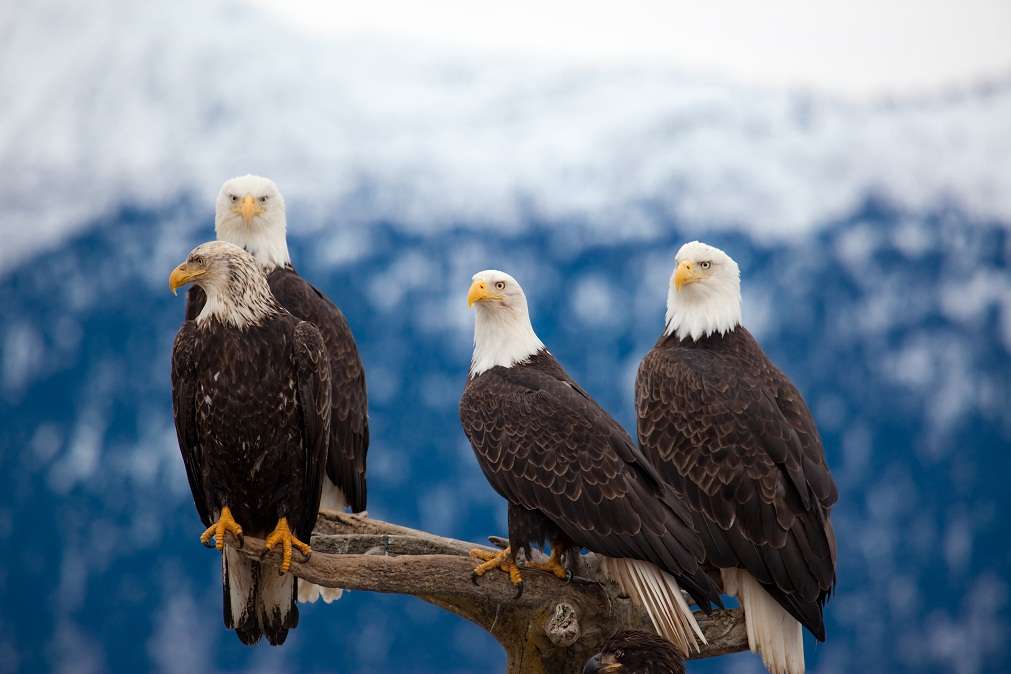
American bald eagle feathers uses span three distinct domains: sacred ceremonial use by Native American tribes going back at least 2,000 years, regulated possession under federal law since 1940, and historical military and decorative use now largely prohibited. Haliaeetus leucocephalus feathers are among the most protected bird parts in US wildlife law – possession without a permit is a federal crime, and even finding a loose feather on a trail and keeping it violates the Bald and Golden Eagle Protection Act. The primary legal pathway for tribal members to obtain eagle feathers runs through the National Eagle Repository in Commerce City, Colorado, which distributes feathers and parts from eagles that died naturally. This guide covers the sacred significance of eagle feathers in Native American culture, the Repository application process, the Bald and Golden Eagle Protection Act provisions, feather identification basics, historical military and decorative uses, and the legal framework for ethical handling.
Sacred Significance in Native American Cultures
Eagle feathers hold sacred status across most Native American cultures on the North American continent, though specific beliefs and protocols vary by tribal nation. The common threads are that eagles are seen as messengers to the Creator, feathers are gifts from the eagle that carry spiritual power, and proper handling requires observance of specific ceremonies and protocols.
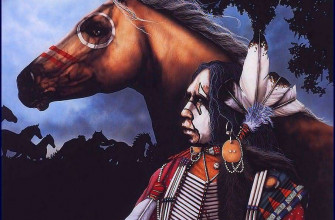
Plains tribes (Lakota, Dakota, Nakota, Cheyenne, Arapaho, Crow, Blackfoot) use eagle feathers extensively in warrior honours. Historically, a warrior who performed a specific act of courage in battle earned the right to wear a specific eagle feather configuration, with cuts, notches, and colouring indicating the specific deed. The eagle feather warbonnet (headdress with trailing feather rows) is the most recognised ceremonial object in this tradition and remains restricted to individuals who have earned the right through tribal recognition.
Woodland tribes (Ojibwe, Menominee, Ho-Chunk, Potawatomi, Onondaga, Mohawk, Cayuga, Oneida, Seneca, Tuscarora) use eagle feathers in prayer fans, naming ceremonies, healing rituals, and as objects of personal spiritual significance. The Haudenosaunee (Iroquois Confederacy) include eagle feathers in formal clan identification and ceremonial regalia.
Southeast tribes including the Cherokee, Muscogee (Creek), Choctaw, Chickasaw, and Seminole use eagle feathers in stomp dance regalia, naming ceremonies, and honour recognitions. The Cherokee Eagle Dance preserves pre-removal ceremonial practice and uses specific eagle feather arrangements. The Cherokee Nation (Oklahoma), Eastern Band of Cherokee Indians (North Carolina), and United Keetoowah Band all maintain active ceremonial traditions.
Northwest Coast tribes (Tlingit, Haida, Tsimshian, Kwakwaka’wakw, Nuu-chah-nulth, Coast Salish) incorporate eagle feathers in potlatch regalia, transformation masks, and clan identity markers. The eagle is one of the primary clan crests across this region. For a comparative look at how other cultures treat the eagle symbol – from ancient Mediterranean traditions to modern national emblems – see our pieces on the German eagle symbol and on the eagle on the flag of Mexico.
Southwest tribes (Pueblo, Navajo, Hopi, Zuni) use eagle feathers in prayer stick offerings, kachina regalia, and ceremonial sprinkling of cornmeal. The Hopi and Zuni traditionally raise eaglets in captivity until reaching adulthood, then respectfully take them for feathers in a specific ceremonial process; this practice continues under specific federal permit.
The Bald and Golden Eagle Protection Act
The Bald Eagle Protection Act of 1940 (amended to include golden eagles in 1962) is the primary federal law governing eagle parts. Key provisions:
- Prohibition: Taking, possessing, selling, purchasing, bartering, offering to sell, transporting, exporting, or importing any bald or golden eagle, live or dead, or any part, nest, or egg thereof, is a federal crime.
- Penalties: First offence – up to 1 year in federal prison and USD 100,000 fine for individuals, USD 200,000 for organisations. Second offence – up to 2 years and USD 250,000/500,000.
- Exceptions: Federal permits may be issued for scientific research, religious purposes for Native American tribes, falconry, and specific conservation activities.
- Enforcement: US Fish and Wildlife Service Office of Law Enforcement handles investigations. Penalties apply regardless of whether the eagle was killed by the possessor – finding a loose feather and keeping it still violates the act.
The Migratory Bird Treaty Act of 1918 provides a second layer of protection covering all native North American bird species including the bald eagle. The Lacey Act of 1900 makes illegal wildlife trafficking across state lines a federal crime. Together these three statutes create an exceptionally strong prohibition on private possession of eagle parts.
Commercial exceptions: Reproductions, replicas, and artistic renderings of eagles are unrestricted. Synthetic feathers made from turkey, goose, or pheasant feathers dyed and cut to resemble eagle feathers are legal for costumes, theatrical use, and non-sacred commercial decoration. Physical possession of actual eagle parts is the specific restriction.
The National Eagle Repository
The National Eagle Repository in Commerce City, Colorado, is the primary legal pathway for Native American tribal members to obtain eagle feathers and parts. The Repository collects eagles and their parts that died from natural causes, vehicle collisions, electrocution, or other non-human-caused mortality across the United States, and distributes them to qualifying applicants.
How the process works:
- Eligibility: Enrolled members of federally recognised Native American tribes (574 tribes as of 2021).
- Application: Form 3-200-15A submitted via the tribal government, accompanied by proof of tribal enrollment.
- Waiting list: The waiting time for a whole eagle or specific part is approximately 6 months to 2-plus years depending on current backlog and specific request.
- Items available: Whole eagles (used for ceremonial headdresses), loose feathers (various types), talons, beaks, bone, and wings.
- Limits: Generally one whole eagle or equivalent parts per applicant per year.
- Transport: Feathers and parts arrive by certified mail in sealed containers with federal documentation.
The Repository processes approximately 2,000-2,500 eagles per year received from Fish and Wildlife Service offices, state wildlife agencies, animal rehabilitation centres, and law enforcement. Backlog has remained high since the 1990s despite continuous expansion of processing capacity. Applicants with specific ceremonial timing needs (memorial ceremonies, wedding regalia, naming ceremonies) can apply for expedited processing in limited circumstances.
Feather Identification Basics
Bald eagle feathers are distinguishable from other raptor feathers by size, pattern, and colouration. The primary types:
- Primary flight feathers: Long, stiff, asymmetrical flight feathers from the outer wing. Adult primaries are mostly dark brown with lighter shafts.
- Secondary flight feathers: Shorter than primaries, from the inner wing. Dark brown overall.
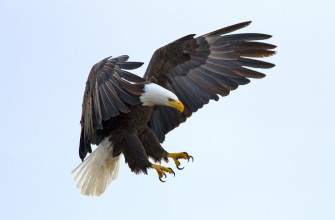
- Tail feathers (rectrices): 12 total, white in adults with narrow dark tips, mottled in juveniles.
- Contour feathers: Small body feathers, brown over most of the body.
- Down feathers: Soft underlayer for insulation.
Age indicators: Juvenile bald eagles have mottled brown-and-white tail and head feathers until age 4-5 when the full white head and white tail develop. Feathers collected from 1-year-old eagles look very different from those of mature adults, and the age at death determines which feather types will be present.
Adult bald eagle feathers are often confused with golden eagle feathers (Aquila chrysaetos), which are similar size but typically more uniformly dark brown with golden shimmer on the head and nape. Golden eagles are also protected under the same Act, so feather confusion does not create legal exceptions.
Historical Military and Ceremonial Use
Before the 1940 Protection Act, eagle feathers had limited use in US military dress and civilian ceremonial contexts. Notable historical uses:
- Early 19th century hat plumage: Eagle feathers appeared occasionally in military hats and civilian top-hat plumage, mostly replaced by ostrich plumes by the Civil War era.
- Boy Scout merit badges and insignia: Used turkey or goose feathers historically, never eagle feathers (despite the “Eagle Scout” rank name).
- Early 20th century patriotic displays: Some bunting, regalia, and ceremonial objects included eagle feather accents pre-1940.
- Civil War and Spanish-American War commemorations: Some veterans’ organisation regalia incorporated eagle feathers, subsequently destroyed or donated to museums as the 1940 Act took effect.
After the 1940 Act, military and civilian uses of actual eagle feathers ceased except under specific federal permits. Modern military eagle imagery uses synthetic feathers, embroidered patches, cast-metal eagle ornaments, and painted or printed representations. Our broader piece on the American bald eagle symbol covers how eagle imagery persists across military insignia without requiring physical feather possession. For the habitat and biology background behind the birds whose feathers are regulated, see our guide to the American bald eagle habitat.
Art, Collectibles, and Synthetic Alternatives
Because actual eagle feathers are restricted, a significant commercial market serves those who want eagle-appearing feathers for costumes, crafts, theatrical productions, and non-ceremonial decorative use. Legal alternatives:
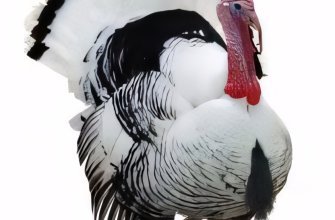
- Dyed turkey feathers: The most common substitute, available from craft stores and suppliers. Often sold labelled as “eagle-style” feathers.
- Pheasant and goose feathers: Alternative substrates for dyeing.
- Synthetic feathers: Plastic and polymer reproductions used in commercial costume production.
- Woven or painted feather art: Native artists create beaded or embroidered pieces that depict feathers without containing actual eagle parts.
- Casting and sculpture: Bronze, silver, and ceramic eagle feather replicas for jewellery and decorative use.
Retail suppliers include Crawford’s Pony Beads for feathers, Running Waters Trading for beading supplies, and general craft retailers. Prices for dyed turkey feather eagle substitutes range from USD 1-5 per feather, while hand-cast metal or bronze eagle feather sculptures command USD 50-500. The broader ceremonial feather tradition is covered from the indigenous perspective in our piece on Native American eagle symbols.
Ethical Handling and Respectful Practice
For anyone who legitimately possesses eagle feathers under a federal permit or through recognised tribal ceremonial heritage, the following practices are widely observed:
- Storage: In a dedicated container, often lined with cedar or sage, separated from everyday objects.
- Smudging: Periodic cleansing with sage, cedar, sweetgrass, or tobacco smoke, following specific tribal protocols.
- Display: On regalia or ceremonial objects rather than casual decoration.
- Transfer: Passed between family members or within the tribe as gifts, never sold.
- Documentation: Federal permit paperwork retained indefinitely and shown to law enforcement if requested.
- Return: When a feather is no longer needed (death of the recipient, discontinuation of ceremonial use), returned to the Eagle Repository or another tribal member as directed by tribal tradition.
Non-tribal individuals who find loose feathers should leave them in place and report the finding to the nearest US Fish and Wildlife Service office if the feathers appear to be from an eagle that died under suspicious circumstances. Keeping a found feather, even one on the ground in a public park, is a federal offence.
Frequently Asked Questions
Can I keep a bald eagle feather I found on the ground?
No. Possession of any bald eagle feather without a federal permit is a crime under the Bald and Golden Eagle Protection Act of 1940, regardless of how the feather was obtained. First-offence penalties reach one year in federal prison and USD 100,000 fine. Leave found feathers in place and optionally report the location to the US Fish and Wildlife Service.
How do Native Americans legally obtain eagle feathers?
Enrolled members of federally recognised tribes apply to the National Eagle Repository in Commerce City, Colorado, via US Fish and Wildlife Service Form 3-200-15A. The Repository receives eagles that died naturally and distributes feathers and parts to applicants after a waiting period that currently averages six months to two-plus years depending on the specific request.
Why are bald eagle feathers so heavily protected?
The 1940 Protection Act was passed when bald eagle populations were declining due to shooting, habitat loss, and the precursor causes of the later DDT crisis. Strict prohibition on possession was adopted to remove any commercial or private incentive to kill eagles. The protection was extended to golden eagles in 1962 and remains in force today despite the delisting of bald eagles from the Endangered Species Act in 2007.
What do eagle feathers mean in Native American culture?
Eagle feathers are sacred objects in most North American Indigenous cultures, regarded as messengers to the Creator and markers of spiritual honour. Specific meanings and protocols vary by tribal nation – Plains tribes use feathers in warrior honours and headdresses, Woodland tribes use them in clan identification and healing ceremonies, Southwest tribes incorporate them in prayer stick offerings, and Northwest Coast tribes use them in potlatch and clan crest regalia.
What is the difference between a bald and golden eagle feather?
Adult bald eagle feathers are dark brown on wings and body, with white on the head and tail feathers. Adult golden eagle feathers are uniformly dark brown with golden shimmer on the head and nape. Both species’ feathers are protected identically under the Bald and Golden Eagle Protection Act, so identification does not affect legality. Juvenile bald eagles can resemble golden eagles and require expert identification.
Can I buy real eagle feathers online?
No. Commercial sale of bald or golden eagle feathers is a federal crime. Online listings claiming to sell “real” eagle feathers are either illegal, fraudulent (selling dyed turkey feathers), or listing parts of other unprotected species. Legal alternatives – dyed turkey, pheasant, or goose feathers – are widely available through craft retailers.
What happens to eagles that die in the wild?
Federal and state law enforcement and wildlife rehabilitation centres collect eagles that die from electrocution, vehicle collisions, lead poisoning, or natural causes. Carcasses are sent to the National Eagle Repository, which processes approximately 2,000-2,500 eagles per year. Feathers and parts are then distributed to tribal applicants through the permit system. For eagles found alive but injured, rehabilitation centres attempt recovery and release; non-releasable eagles may become education ambassadors at licensed facilities.
Sources and Further Reading
- US Fish and Wildlife Service – National Eagle Repository – fws.gov/program/eagle-repository
- Bald and Golden Eagle Protection Act text – 16 USC 668-668d
- Cherokee Nation Cultural Resource Center – cherokee.org
- National Congress of American Indians – Native American cultural protection – ncai.org
- Plains Indian Museum – eagle feather ceremonial use – centerofthewest.org