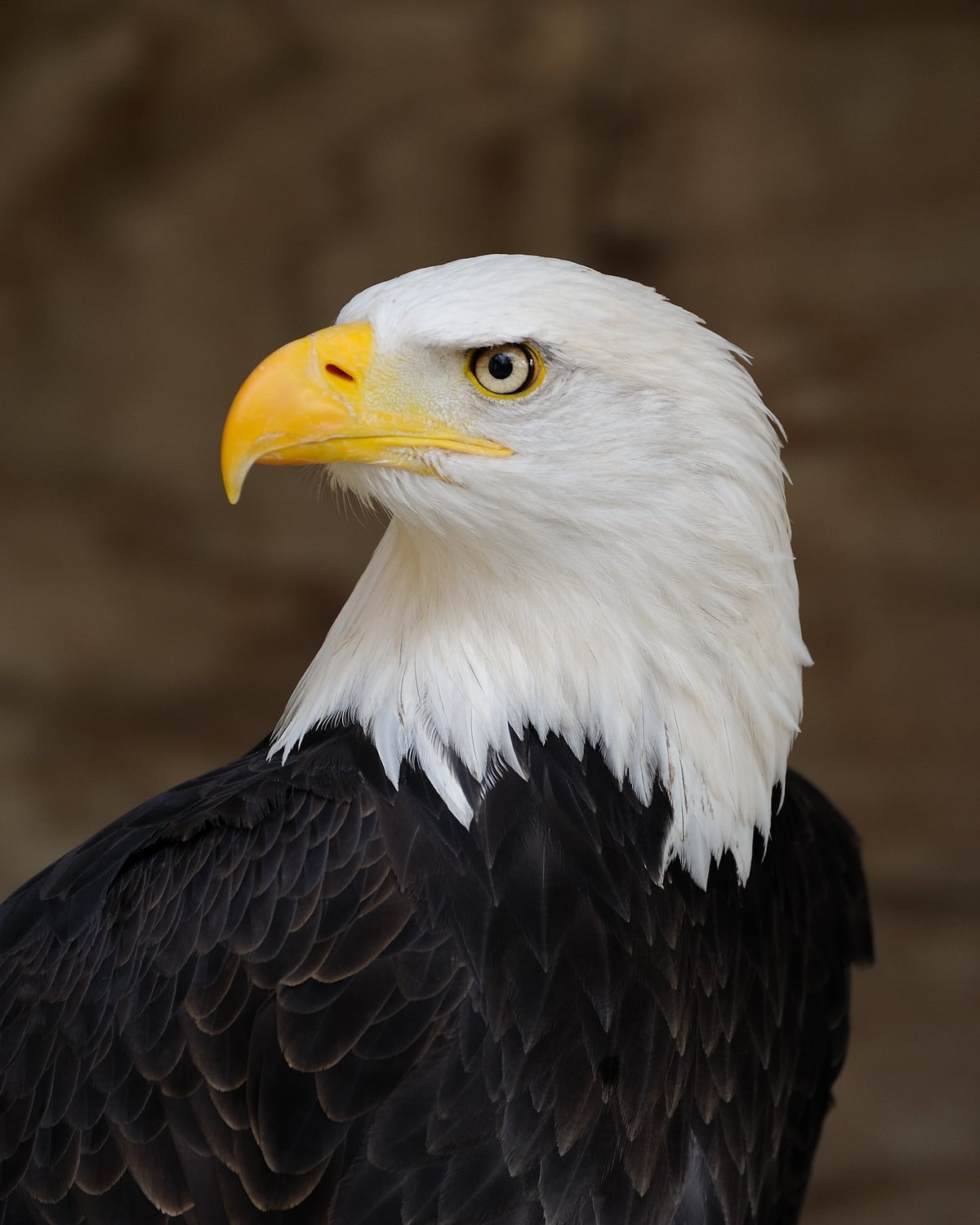
The American bald eagle symbol has represented the United States since 1782, when the Second Continental Congress placed the bird at the centre of the Great Seal after six years of design revisions. The bald eagle, Haliaeetus leucocephalus, is the only eagle endemic to North America, and its adoption was a deliberate rejection of European heraldic traditions that relied on lions, griffins, and two-headed eagles borrowed from empires. Today the bald eagle appears on the Great Seal of the United States, the back of the one-dollar bill, the Presidential Seal, military unit insignia across all five armed services, US Mint coinage, government department logos, and countless civic and commercial designs. This guide covers the symbolic history of the American bald eagle, its placement on national iconography, its combined imagery with the American flag, its habitat and biology basics, the regulated use of its feathers in Native American ceremonies, and its legal protections.
Adoption as the National Symbol in 1782
The Continental Congress commissioned the first design for the Great Seal on 4 July 1776, the same day the Declaration of Independence was signed. Three committees over six years produced drafts featuring figures as varied as Moses parting the Red Sea, the Goddess of Liberty, and a phoenix rising from flames, before Charles Thomson, Secretary of Congress, proposed the bald eagle in June 1782. Thomson’s design was approved on 20 June 1782 and remains in use, with minor artistic revisions, as the central element of the Great Seal today.
Benjamin Franklin famously opposed the choice. In a 1784 letter to his daughter Sarah Bache, Franklin wrote that the bald eagle was “a bird of bad moral character” that “does not get his living honestly” because it scavenges and steals fish from other birds. Franklin preferred the wild turkey as a more courageous and American-native alternative. Despite his public grumbling, the bald eagle remained the national symbol, and Franklin’s turkey preference has become a frequently quoted minor disagreement in American founding lore.
The bald eagle’s selection carried three symbolic arguments: it was a powerful raptor endemic only to North America (no European nation could claim it), it had been portrayed on ancient Roman military standards (linking the young republic to classical precedent), and its bold appearance suggested strength, longevity, and freedom. The 13 arrows and 13-leaf olive branch held in the eagle’s talons on the Great Seal represent the 13 original colonies and the balance between readiness for war and preference for peace.
The Great Seal of the United States
The Great Seal shows a bald eagle with wings outstretched, facing the viewer’s left, holding a bundle of 13 arrows in its left talon and a 13-leaf olive branch in its right talon. A shield with 13 red and white stripes and a blue chief covers the eagle’s chest. In the eagle’s beak is a scroll inscribed “E Pluribus Unum” – out of many, one – written in 13 letters. Above the eagle’s head is a crest of 13 stars arranged in a six-pointed glory breaking through clouds.
Specific placement rules apply to how the eagle is reproduced. In the Great Seal, the eagle faces the olive branch, a deliberate symbolic choice indicating preference for peace over war. The same eagle reversed (facing the arrows) appears on older versions of the Presidential Flag used between 1916 and 1945, and some observers have read that reversal as a signal of wartime posture. The standard post-1945 Presidential Seal was redesigned to have the eagle facing the olive branch permanently, matching the Great Seal orientation.
The reverse of the Great Seal shows an unfinished pyramid beneath the Eye of Providence and the Latin mottoes “Annuit Coeptis” and “Novus Ordo Seclorum”. The two sides together appear on the one-dollar bill: the reverse with the pyramid on the left, and the eagle obverse on the right. Both designs were approved in 1782 but only appeared on the dollar bill together starting in 1935.
The Bald Eagle on Coinage and Currency
The bald eagle appears on many US Mint issues. The most notable examples:
- Silver dollar minted 1794 through 1935: Heraldic eagle with shield, inspired by the Great Seal design.
- American Eagle bullion coins, issued since 1986: The reverse shows a heraldic eagle with shield, arrows, and olive branch. The American Silver Eagle, Gold Eagle, and Platinum Eagle series are minted annually for investors and collectors.
- Walking Liberty half dollar from 1916 to 1947: Reverse features a bald eagle perched on a rocky crag.
- Washington quarter, issued since 1932: Reverse eagle from 1932 through 1998, replaced by State Quarter designs from 1999 onward, and restored in modified form on the America the Beautiful series reverse.
- Sacagawea dollar, issued since 2000: Older reverses featured a soaring bald eagle; current Native American Dollar series uses rotating reverse designs.
Beyond circulating coinage, the eagle appears on the one-dollar bill (back, right side), the Presidential Dollar series obverse, military challenge coins, and on every unit of paper currency printed between 1928 and 1995 as part of the engraved vignette framing.
Government and Military Insignia
The bald eagle appears on the official seal or insignia of dozens of US federal agencies and military units. The most recognisable cases:
- Seal of the President of the United States: Bald eagle with 13 arrows, olive branch, “E Pluribus Unum” scroll, surrounded by 50 stars and the legend “Seal of the President of the United States”.
- Department of State seal: Eagle on shield with olive branch, used on diplomatic passports and embassy correspondence.
- Department of Defense seal: Bald eagle holding three arrows and olive branch, surrounded by stars representing the military departments.
- Department of Justice seal: Bald eagle holding arrows and olive branch, with Latin motto “Qui Pro Domina Justitia Sequitur”.
- US Army, Air Force, Navy, Marine Corps, Coast Guard: Each service has variant eagle insignia on flags, patches, and unit emblems.
- 101st Airborne Division (Screaming Eagles): Perhaps the most recognisable unit patch using the bald eagle head in profile.
- FBI, CIA, NSA: All use bald eagle imagery on their agency seals.
Police departments, state seals (including California, Illinois, New York, Pennsylvania, Virginia), fire services, and government publications routinely feature the eagle. The US Postal Service eagle logo, redesigned in 1993, is among the most widely reproduced American bird images in daily life.
Bald Eagle and American Flag Together
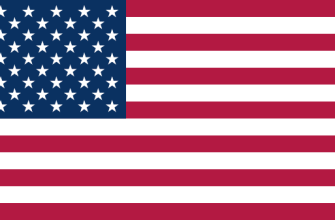
The combined imagery of the bald eagle with the American flag appears so often in patriotic art, tattoo design, military patches, and Fourth of July merchandise that it has become a secondary national motif in its own right. The pairing typically shows an eagle either grasping the flag in its talons, perched on a flagpole, or superimposed on the flag with wings spread. Our dedicated piece on the bald eagle with the American flag covers the iconography, the Presidential flag evolution, military patches, tattoo traditions, and collectible merchandise.
Historically the pairing gained ground during the Civil War, when Union regiments carried flags with embroidered eagles, and solidified during the centennial celebrations of 1876. By the early 20th century, department store patriotic displays, military recruiting posters, and bond drive materials established the combined image as the default visual shorthand for American patriotism.
Biology and Habitat Overview
The American bald eagle is a large raptor with a wingspan of 1.8 to 2.3 metres, a body length of 70 to 102 centimetres, and a weight of 3 to 6.3 kilograms. Females are noticeably larger than males, following reverse sexual dimorphism common among birds of prey. Adults have a distinctive white head and tail contrasting with a dark brown body, with a hooked yellow beak and yellow feet. Juveniles are mostly brown and do not develop the full white head and tail until around age four to five.
Bald eagles live across North America from Alaska and Canada through the contiguous United States to northern Mexico, favouring habitats near large bodies of water where fish are abundant. Our dedicated piece on the American bald eagle habitat covers geographic range, nest sites, diet, migration patterns, and conservation recovery since the 1970s.
The species is the only sea eagle endemic to North America and is closely related to Steller’s sea eagle (Haliaeetus pelagicus) of east Asia and the white-tailed eagle (Haliaeetus albicilla) of Europe.
Feathers, Native American Ceremonies, and Federal Law
Bald eagle feathers hold sacred status in Native American culture, particularly among Plains tribes (Lakota, Cheyenne, Arapaho), Woodland tribes, Northwest Coast tribes, and Southeast tribes including the Cherokee. Feathers are presented as honours for acts of bravery, used in headdresses, prayer fans, medicine bundles, and ceremonial regalia, and passed between generations as sacred objects.
Federal law tightly regulates who may possess eagle feathers. The Bald and Golden Eagle Protection Act of 1940 (amended 1962, 1972) makes it a federal crime to possess any part of a bald or golden eagle without a permit, with penalties up to one year in prison and a USD 100,000 fine for a first offence. Enrolled members of federally recognised tribes may apply for permits to receive feathers from the National Eagle Repository in Commerce City, Colorado, which distributes feathers from eagles that died naturally. Our detailed piece on the American bald eagle feathers uses covers sacred significance, the Repository application process, legal protections, and feather identification.
Cultural Presence Beyond Government
The bald eagle appears across American popular culture in ways that extend far beyond official government use, including in state park naming and patriotic holiday programmes – our guide to Lake Guntersville State Park in Alabama covers one such destination whose January Eagle Awareness Weekends draw thousands of wildlife visitors each year. Sports teams named “Eagles” include the Philadelphia Eagles (NFL), Boston College Eagles (NCAA), and dozens of high schools and colleges. Scout groups use eagle iconography heavily – the Eagle Scout rank is the highest in the Boy Scouts of America and carries a distinctive eagle medal. Sergeant stripes in the US Army feature an eagle motif on some ceremonial variants.
Films from Stephen Spielberg’s 1977 “Close Encounters” to the Muppets’ “America the Beautiful” routinely use soaring bald eagle footage as the visual shorthand for the United States. Commercial brands including Anheuser-Busch, American Airlines, the US Postal Service, and hundreds of smaller companies use eagle-derived logos. Tattoo artists rank the bald eagle among the most requested American-themed designs, often combined with flags, stars, or the Marine Corps globe and anchor. Related native iconography traditions are covered in our piece on Native American eagle symbols, which includes the Haudenosaunee eagle clan, Cherokee Eagle Dance, and Plains tribes’ ceremonial use.
Conservation Status and Legal Protections
The bald eagle was listed as endangered under the Endangered Species Act in 1967, primarily due to DDT-induced eggshell thinning that caused catastrophic reproductive failure between the 1950s and 1970s. DDT was banned in the United States in 1972, and populations recovered dramatically. The bald eagle was downlisted to threatened in 1995 and delisted entirely in 2007. The US Fish and Wildlife Service now estimates over 316,000 individuals in the contiguous 48 states, with larger populations in Alaska and Canada.
Despite delisting, the bald eagle remains protected by three federal statutes:
- Bald and Golden Eagle Protection Act of 1940: Primary law governing possession, take, and disturbance of bald and golden eagles.
- Migratory Bird Treaty Act of 1918: Protects over 1,000 migratory bird species including the bald eagle.
- Lacey Act of 1900: Federal law against illegal wildlife trafficking.
Commercial use of bald eagle imagery is legal and unrestricted – brands and artists can freely use the bird’s likeness for commercial purposes, which is why the national symbol appears on so much merchandise. Physical possession of any eagle part (feathers, talons, beaks), by contrast, remains strictly regulated.
Frequently Asked Questions
When was the bald eagle chosen as the American national symbol?
The Second Continental Congress approved the Great Seal of the United States featuring the bald eagle on 20 June 1782, after six years of design revisions. Charles Thomson, Secretary of Congress, proposed the final design. The eagle has been the national symbol continuously since that date.
Is it true Benjamin Franklin wanted the turkey as the national bird?
Franklin’s preference for the turkey is real but was expressed in a private 1784 letter to his daughter, not as a formal proposal to Congress. He described the bald eagle as a bird of “bad moral character” and praised the wild turkey as “a much more respectable Bird”. His opinion has been widely quoted but had no effect on the Great Seal decision, which was finalised two years before his letter.
What does the bald eagle hold in its talons on the Great Seal?
The bald eagle on the Great Seal holds 13 arrows in its left talon (representing military readiness and the 13 original colonies) and a 13-leaf olive branch in its right talon (representing preference for peace). The eagle faces the olive branch, symbolising that peace is the preferred state.
Can anyone own a bald eagle feather?
No. Possession of bald eagle feathers without a federal permit is a crime under the Bald and Golden Eagle Protection Act of 1940, punishable by up to one year in prison and USD 100,000 fine for a first offence. Enrolled members of federally recognised Native American tribes may apply for permits to receive feathers from the National Eagle Repository. See our guide to American bald eagle feathers uses for details.
Is the bald eagle still endangered?
No. The bald eagle was delisted from the Endangered Species Act in 2007 following dramatic population recovery after the DDT ban in 1972. It remains protected under the Bald and Golden Eagle Protection Act, the Migratory Bird Treaty Act, and the Lacey Act. Current population estimates exceed 316,000 in the contiguous 48 US states.
Why does the Presidential Seal eagle face the olive branch?
The post-1945 Presidential Seal was redesigned so the eagle permanently faces the olive branch, matching the Great Seal orientation and symbolising that peace is the preferred national posture. Earlier versions used between 1916 and 1945 had the eagle facing the arrows, and the change was ordered by President Harry Truman in 1945.
Where else does the bald eagle symbol appear?
Beyond the Great Seal, the bald eagle appears on the one-dollar bill, the Presidential Seal, seals of all federal departments, US Mint coinage, military unit insignia including the 101st Airborne Screaming Eagles, state seals, police and fire department emblems, sports team logos including the Philadelphia Eagles, Boy Scout insignia, and commercial brand identities across the United States. For the combined eagle-plus-flag motif, see our piece on the bald eagle with the American flag.
Are bald eagles related to the Egyptian or German eagle traditions?
The bald eagle belongs to Haliaeetus (sea eagles), while European heraldic eagles draw from golden eagle (Aquila chrysaetos) iconography. The Roman legionary eagle, the two-headed Byzantine eagle, and the German Reichsadler all predate the 1782 American adoption; see our piece on the German eagle symbol for comparison with Holy Roman Empire and modern German tradition.
Sources and Further Reading
- US Department of State – The Great Seal of the United States – state.gov
- US Fish and Wildlife Service – Bald Eagle Conservation – fws.gov
- National Eagle Repository – eaglerepository.fws.gov
- Smithsonian National Museum of American History – Great Seal collection – americanhistory.si.edu
- Benjamin Franklin letter to Sarah Bache, 26 January 1784 – Founders Online, National Archives – founders.archives.gov
- Hero photo: “Bald Eagle Portrait” by Saffron Blaze, CC BY-SA 3.0 – commons.wikimedia.org/wiki/File:Bald_Eagle_Portrait.jpg