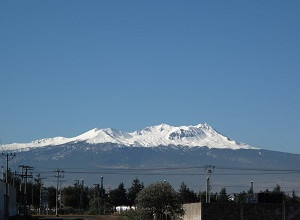
Chile is one of the most volcanic countries on the planet. The long, narrow Andean nation runs along the famous Pacific Ring of Fire, where the Nazca Plate dives beneath the South American Plate and creates a chain of more than 2,000 volcanoes from the Atacama Desert in the north to the icy peaks of Patagonia in the south. Around 90 of these volcanoes are still considered active, and Chile holds the second-highest number of active volcanoes in the world after the United States. From perfect snow-capped cones rising above turquoise lakes to smoking craters that erupt every few years, the volcanoes of Chile offer some of the most extraordinary landscapes in South America. This 2026 guide walks through the most famous active volcanoes, the practical details for visiting them and the best places to climb, hike or simply admire the volcanic wonders of the country.
Why Chile Holds So Many Volcanoes
The Chilean volcanic chain is the result of millions of years of tectonic activity along the western edge of South America. The Nazca Plate continuously slides under the South American Plate at a rate of about 7 cm per year, melting rock deep underground and pushing it back up to the surface as magma. The result is the longest volcanic chain in the world, stretching more than 4,300 km along the Andes from the border with Peru in the north to the southern tip of Patagonia.
The volcanic landscape of Chile is extraordinarily diverse. In the north, massive volcanoes rise from the dry expanses of the Atacama Desert, the driest non-polar desert on Earth. In the central and southern regions, snow-capped cones overlook lakes, forests and traditional Mapuche villages. In Patagonia, glaciers tumble down the slopes of remote ice-covered volcanoes that have rarely been climbed. Around 9 million Chileans, roughly half the population of the country, live within striking distance of an active volcano, and several have erupted in recent years.
The Most Famous Active Volcanoes of Chile
Lascar Volcano
Lascar is the most active volcano of the northern Chilean Andes and one of the most closely monitored volcanoes in the country. It rises 5,592 metres above the Atacama Desert, just east of the famous salt flat of Salar de Atacama and a short drive from the popular tourist town of San Pedro de Atacama. Lascar is a stratovolcano with multiple overlapping craters and has produced more than 30 recorded eruptions since the 19th century, including a major explosive event in April 1993 that sent an ash plume 25 km into the air and dropped ash as far away as Buenos Aires.
The neighbouring Aguas Calientes volcano sits right next to Lascar, and several other major Andean peaks rise around them, which gives Lascar one of the most spectacular volcanic backdrops anywhere in the country. Adventurous climbers can attempt the summit on a guided two-day trip from San Pedro, with the first day spent acclimatising at high altitude.
Llaima Volcano
In terms of size, Llaima is one of the biggest and most active volcanoes in Chile. The massive 3,125-metre stratovolcano rises about 82 km northeast of the city of Temuco and around 663 km south of Santiago. Llaima sits inside Conguillio National Park, one of the most beautiful protected areas in central Chile, with a landscape of araucaria (monkey puzzle) forests, glacial lakes, lava fields and the dramatic cone of the volcano itself.
Llaima has produced more than 50 eruptions in recorded history, with the most recent major event in 2008 to 2009 forcing the evacuation of nearby villages and lighting up the night sky with rivers of lava. The volcano can be climbed in summer with the right gear and a qualified guide, and the surrounding park offers excellent hiking, camping and winter skiing on the small Las Araucarias resort on the volcano’s slopes.
Villarrica Volcano
This snow-covered cone offers one of the most photographed scenes in all of Chile. Although Villarrica is wrapped in snow throughout the year, it remains one of the most active volcanoes in the country. The 2,847-metre cone sits in the southern Lakes District above the popular tourist town of Pucon, on the shores of Lake Villarrica. The Mapuche people, the indigenous nation of central and southern Chile, call the volcano Rucapillan, which means “House of the Pillan” or “House of the Spirit”.
The volcano forms the westernmost part of a chain of three major stratovolcanoes that runs perpendicular to the main Andean mountain chain along the Gastre Fault. Villarrica is one of only a handful of volcanoes in the world (along with Mount Erebus in Antarctica, Erta Ale in Ethiopia, Nyiragongo in the Democratic Republic of Congo and Kilauea in Hawaii) that holds an active lava lake inside its summit crater. The lava is basaltic-andesitic and surprisingly explosive in nature.
Villarrica is one of the most popular volcanoes to climb in South America. Guided full-day expeditions from Pucon take fit visitors to the summit using crampons and ice axes, with the chance to peer into the smoking crater and even glimpse the lava lake on clear days. The descent down the snowy slopes by sliding on plastic sheets is one of the most fun parts of the trip. Villarrica also offers winter skiing on its lower slopes from June to September.
Cerro Azul
Translated as the “Blue Hill”, Cerro Azul is an active volcano that holds centre stage in the Maule Region of central Chile. The 3,788-metre stratovolcano sits immediately to the south of the larger Descabezado Grande volcano. A 500-metre-wide summit crater tops the cone, open towards the north, and scoria cones decorate the lower slopes alongside several flank vents. Cerro Azul produced one of the most violent eruptions of the 20th century in April 1932, when the side vent of Quizapu ejected an estimated 9.5 cubic kilometres of ash and pumice into the air, one of the largest eruptions ever recorded in the Andes.
Volcan Osorno
The almost perfect cone of Volcan Osorno is one of the most photographed mountains in Chile and often compared to Japan’s Mount Fuji. The 2,652-metre stratovolcano rises above Lake Llanquihue in the Lakes District of southern Chile and offers stunning views from the city of Puerto Varas. Although Osorno has not erupted since 1869, it remains classified as active. The volcano can be climbed with a guide, and a small ski resort operates on its slopes during the winter months.
Volcan Calbuco
Calbuco, also in the Lakes District near Puerto Varas, is one of the most dangerous volcanoes in Chile. The 2,003-metre stratovolcano produced a spectacular and unexpected eruption in April 2015 that sent an ash plume 17 km into the sky, forced the evacuation of thousands of people and produced some of the most dramatic volcanic photographs ever captured. The volcano remains under close monitoring.
Volcan Chaiten
Chaiten, in northern Patagonia, made global headlines in May 2008 when it erupted for the first time in over 9,000 years, producing a massive ash column and forcing the complete evacuation and partial destruction of the nearby town of Chaiten. The eruption was one of the most surprising volcanic events of the 21st century and continues to fascinate volcanologists.
Ojos del Salado
Ojos del Salado, on the border with Argentina, is the highest volcano in the world at 6,893 metres and the second highest peak in the Americas after Aconcagua. The volcano holds a small permanent crater lake near the summit, the highest lake of any kind on Earth. Climbing Ojos del Salado is a serious undertaking and ranks among the most challenging high-altitude expeditions in South America.
Volcan Lonquimay
Located near the Argentine border in the Araucania region, the 2,865-metre Lonquimay volcano produced a year-long eruption from 1988 to 1990 that created a new flank cone known as Navidad. The volcano sits within Malalcahuello National Reserve and offers excellent hiking and winter skiing.
Volcan Parinacota
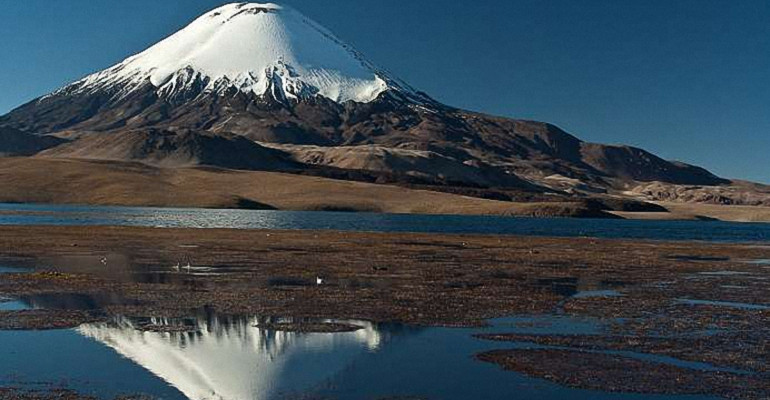
Perfect symmetry and a 6,348-metre summit make Parinacota, on the border with Bolivia, one of the most beautiful volcanoes in South America. The cone rises above Lake Chungara inside Lauca National Park in northern Chile and forms one half of the famous twin Payachata volcanoes.
Volcanoes Outside the Active Range
Beyond the famous active cones, Chile holds dozens of dormant or extinct volcanoes that still attract visitors. The strange landscapes of Valle de la Luna (Moon Valley) near San Pedro de Atacama, the lava fields of Conguillio National Park and the geothermal pools of El Tatio, the third largest geyser field in the world, all owe their existence to the same volcanic forces that built the modern Andes.
The Best Places to See Chilean Volcanoes
San Pedro de Atacama (Northern Chile)
The desert town of San Pedro is the best base for exploring the volcanoes of the Atacama region. From here you can see Lascar, Licancabur (the perfect cone on the Bolivian border), Sairecabur and dozens of other peaks, plus the famous El Tatio geysers and Valle de la Luna. Most visitors combine the visit with a tour of the Bolivian salt flats just across the border.
Pucon and the Lakes District (Central-South Chile)
The town of Pucon, on the shores of Lake Villarrica, is the volcano capital of Chile. From here you can climb Villarrica, soak in volcanic hot springs, hike the Huerquehue National Park and visit several other volcanoes within easy reach. The town offers a wide range of accommodation, restaurants and adventure tour operators.
Puerto Varas (Lakes District)
The German-influenced town of Puerto Varas sits between Lake Llanquihue, the perfect cone of Volcan Osorno and the dangerous Volcan Calbuco. The area offers hiking, kayaking, climbing and the famous Vicente Perez Rosales National Park, the oldest national park in Chile.
Patagonia and Aysen
The remote volcanoes of Patagonia, including Chaiten, Michinmahuida and Hudson, sit deep in the wilderness and require serious planning to reach. The famous Carretera Austral road offers the best access to this region.
Climbing Volcanoes in Chile
Many of the volcanoes can be climbed by fit hikers with a qualified guide. The most popular climbs:
- Villarrica. A full-day guided climb from Pucon. Crampons and ice axes provided. The most popular volcano climb in South America.
- Osorno. A full-day technical glacier climb requiring rope work and guiding.
- Lascar. A two-day high-altitude climb from San Pedro de Atacama.
- Lonquimay. A moderate snow climb in the central south.
- Llaima. A demanding climb that requires good weather and experience.
- Ojos del Salado. A serious expedition for experienced high-altitude climbers, often used as training for Everest.
Always go with a registered guide. Even on relatively easy volcanoes, weather can change in minutes and the snowfields hide hidden crevasses. Chilean park authorities require guided climbs on most active volcanoes for safety reasons.
Volcano Safety and Monitoring
Chile operates one of the most advanced volcanic monitoring systems in the world through SERNAGEOMIN, the National Geology and Mining Service. The agency runs a network of seismic stations, GPS sensors and gas monitoring equipment around the most active volcanoes and issues colour-coded alerts (green, yellow, orange and red) to warn nearby communities. Visitors should always check the current volcanic alert level before climbing or visiting an active volcano, and follow the guidance of local park rangers and tour operators.
Best Time to Visit the Volcanoes of Chile
- November to March. Southern hemisphere summer, the best time for climbing and trekking in central and southern Chile, with mild weather and stable conditions.
- April to October. Winter, with snow on the southern volcanoes and the chance to combine volcano viewing with skiing.
- Year-round. The northern volcanoes around San Pedro de Atacama can be visited at any time, although nights stay very cold even in summer due to the high altitude.
Practical Tips
- Currency. Chilean peso (CLP). Cards work everywhere in major towns, but bring cash for remote areas.
- Language. Spanish is the official language. English is spoken in tourist towns like Pucon and San Pedro de Atacama.
- Visa. Most North American, European and Commonwealth visitors do not need a visa for short stays in Chile.
- Altitude. Northern Chilean volcanoes sit at extreme altitude. Allow several days to acclimatise in San Pedro de Atacama (2,400 m) before climbing higher peaks.
- Gear. Bring proper hiking boots, layered clothing, sunglasses, gloves and a high-SPF sunscreen. Most climbing operators provide technical equipment.
- Insurance. Travel insurance with high-altitude trekking and climbing cover is essential, especially for guided climbs.
- Alert checks. Always confirm the current volcanic alert status with your tour operator before starting a climb.
Final Thoughts
Although the active volcanoes of Chile pose a constant threat to nearby communities, they also serve as some of the most spectacular natural attractions in South America. From the smoking summit of Villarrica to the perfect cone of Osorno, from the desert giant of Lascar to the snow-covered slopes of Llaima, the volcanic landscapes of Chile offer experiences that few other countries can match. Whether you climb a steaming summit, ski the slopes of an active cone, soak in geothermal hot springs or simply watch a perfect cone reflect in a turquoise lake, the volcanoes of Chile will leave you in awe of the raw power of the planet beneath your feet.