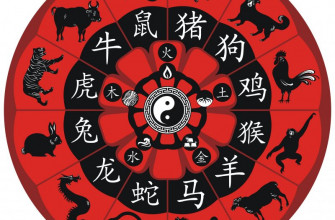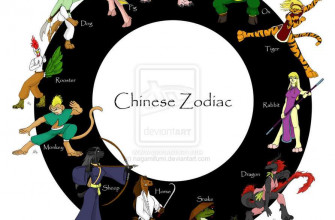
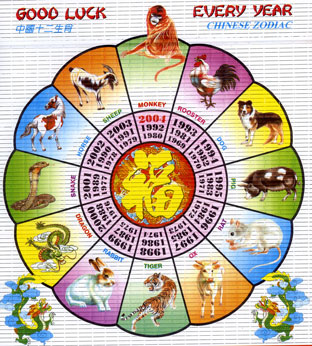
Chinese zodiac hours, called shichen (时辰) in Mandarin, divide the day into 12 two-hour periods, each named after one zodiac animal. The system predates clocks by millennia and still shapes how traditional Chinese medicine schedules treatment, how feng shui consultants pick auspicious times, and how classical Chinese poetry marks the passage of a day. The Rat hour (zǐshí) runs 11 pm to 1 am, bridging midnight. The Horse hour (wǔshí) covers 11 am to 1 pm, which explains why the Mandarin word for noon, 中午 (zhōngwǔ), contains the Horse character wǔ.
This page covers all 12 shichen with their time windows, the traditional organ-clock mapping used in Chinese medicine, the significance of the birth hour in Chinese astrology, and practical tips for finding your own shichen animal. For the 12 animals themselves, see our Chinese zodiac signs overview.
The 12 Shichen Time Periods
Each shichen lasts two modern hours, starting at the odd hour. The full 12-period cycle:
- Rat hour (zǐshí 子时): 11 pm to 1 am – the Rat is most active at night, hence the first time period
- Ox hour (chǒushí 丑时): 1 am to 3 am – the Ox begins morning chewing cud in traditional farm life
- Tiger hour (yínshí 寅时): 3 am to 5 am – tigers hunt in the pre-dawn hours
- Rabbit hour (mǎoshí 卯时): 5 am to 7 am – rabbits emerge at first light
- Dragon hour (chénshí 辰时): 7 am to 9 am – mist rises from fields, associated with the Dragon
- Snake hour (sìshí 巳时): 9 am to 11 am – snakes warm themselves in the morning sun
- Horse hour (wǔshí 午时): 11 am to 1 pm – horses graze at midday, and the sun reaches its peak
- Sheep hour (wèishí 未时): 1 pm to 3 pm – sheep graze in afternoon sunlight
- Monkey hour (shēnshí 申时): 3 pm to 5 pm – monkeys are most playful in late afternoon
- Rooster hour (yǒushí 酉时): 5 pm to 7 pm – roosters return to roost at dusk
- Dog hour (xūshí 戌时): 7 pm to 9 pm – dogs guard the household in evening
- Pig hour (hàishí 亥时): 9 pm to 11 pm – pigs settle in for the night
The traditional explanation behind each animal-time pairing comes from daily-life observation in rural agricultural China: farmers noticed when each animal was most active and mapped the observations onto the day.
The Traditional Chinese Medicine Organ Clock
Traditional Chinese medicine maps each shichen onto a specific organ meridian, with that organ reaching its peak qi flow during its two-hour window. The clock determines when a practitioner gives herbs, performs acupuncture, or recommends rest.
Night and Early Morning
Rat hour (11 pm-1 am): Gallbladder peak. Chinese medicine recommends sleep by this hour; staying awake is said to deplete the Gallbladder qi. Ox hour (1 am-3 am): Liver peak, the time when the Liver detoxifies blood. People who wake consistently at 2 am may have Liver imbalances according to TCM theory.
Dawn and Morning
Tiger hour (3 am-5 am): Lungs peak. Dawn breathwork exercises align with this window. Rabbit hour (5 am-7 am): Large Intestine peak, traditionally the hour to eliminate. Dragon hour (7 am-9 am): Stomach peak, the traditional breakfast window. Snake hour (9 am-11 am): Spleen peak, digestion continues.
Midday and Afternoon
Horse hour (11 am-1 pm): Heart peak, when physical and mental energy sit highest. Sheep hour (1 pm-3 pm): Small Intestine peak, the post-lunch digestion window.
Evening
Monkey hour (3 pm-5 pm): Bladder peak, the time for water intake. Rooster hour (5 pm-7 pm): Kidney peak, traditionally the hour to rest briefly. Dog hour (7 pm-9 pm): Pericardium peak, a quiet household time. Pig hour (9 pm-11 pm): Triple Burner peak, the last active meridian before sleep.
Modern chronobiology researchers have found some overlap between these traditional mappings and measurable biological rhythms, though the TCM organ-clock model remains firmly in the realm of traditional practice rather than biomedical science.
Birth Hour in Chinese Astrology
Chinese astrologers read a full birth chart using four pillars: year, month, day, and hour. The hour pillar corresponds to the shichen of birth and adds a second zodiac animal to the profile. A Dragon born during Tiger hour, for example, carries both Dragon ambition and Tiger courage; a Dragon born during Rabbit hour combines Dragon power with Rabbit diplomacy.
Birth-hour animal is said to influence:
- Personality nuances within the year sign
- Compatibility with potential partners (double matching: year and hour)
- Career direction and natural talents
- Life-phase energy (how your outer behaviour differs from inner temperament)
Chinese tradition holds that the year animal reveals how others see you, the hour animal reveals your hidden or private self. A public-facing Tiger (year sign) with a quiet Rabbit hour animal may present as assertive in professional settings but value calm and privacy at home.
How to Find Your Shichen
Finding your birth-hour animal is simpler than finding your year animal, since you do not need a lunar calendar lookup. Use your exact time of birth in 24-hour format:
- 23:00 to 00:59: Rat hour
- 01:00 to 02:59: Ox hour
- 03:00 to 04:59: Tiger hour
- 05:00 to 06:59: Rabbit hour
- 07:00 to 08:59: Dragon hour
- 09:00 to 10:59: Snake hour
- 11:00 to 12:59: Horse hour
- 13:00 to 14:59: Sheep hour
- 15:00 to 16:59: Monkey hour
- 17:00 to 18:59: Rooster hour
- 19:00 to 20:59: Dog hour
- 21:00 to 22:59: Pig hour
One subtlety: birth-hour matters most when read against your year sign. A same-pair birth (a Tiger born in Tiger hour, or a Rat born in Rat hour) is traditionally considered a strong, single-minded personality. Double same-pair births (year and hour matching) appear in only about 1 in 144 people, statistically, and are sometimes called “pure” animal types in folk tradition.
Shichen in Chinese Literature and Daily Life
Classical Chinese poetry from the Tang and Song dynasties marks time by shichen. Du Fu’s poems reference the cock crow at Rooster hour; Li Bai’s drinking poems often mention the Rat hour (midnight). Ming-era novels describe court intrigue unfolding at specific shichen to convey urgency or secrecy.
In imperial examinations, candidates arrived at Tiger hour (3-5 am) to be seated for the day-long tests that began at Rabbit hour dawn. Traditional Chinese weddings used to start at Dragon hour (7-9 am) for good fortune. Modern Chinese almanacs still publish shichen-based auspicious times for business openings, signing contracts, and moving house.
Overseas Chinese communities in Southeast Asia, Vancouver, San Francisco, and London maintain shichen tradition as part of annual rituals. Chinese New Year fireworks in Singapore traditionally begin exactly at zǐshí (midnight), linking modern celebration to the two-thousand-year-old shichen system. Hong Kong’s Mark Six lottery announces winners at a shichen-appropriate hour on results night, a detail traditional readers point to as a deliberate cultural choice rather than a coincidence.
Shichen and the Five Elements
Just as zodiac years carry element modifiers, each shichen has an element association. Rat hour is Water, Ox hour is Earth, Tiger hour is Wood, Rabbit hour is Wood, Dragon hour is Earth, Snake hour is Fire, Horse hour is Fire, Sheep hour is Earth, Monkey hour is Metal, Rooster hour is Metal, Dog hour is Earth, Pig hour is Water.
A Water Dragon born during Horse hour combines two Fire elements with the Water year, producing a conflicting chart that traditional astrologers would balance with element-based name characters. For the full element-cycle discussion, see our Chinese Zodiac Elements page, and for compatibility implications the Chinese Zodiac Compatibility page.
Frequently Asked Questions
What is a shichen?
Shichen is a traditional Chinese two-hour time period. The day has 12 shichen, each named after one zodiac animal and corresponding to specific hours on the modern clock.
What is the Rat hour?
Rat hour (zǐshí) runs from 11 pm to 1 am, bridging midnight. It is the first of the 12 shichen and corresponds to the Gallbladder meridian peak in Chinese medicine.
How does birth hour affect Chinese zodiac?
Birth hour adds a second zodiac animal to the chart, layered on top of the birth year’s animal. The year sign shapes public presentation; the hour sign influences private personality and inner life.
What does the Chinese organ clock mean?
Traditional Chinese medicine maps each shichen to a body organ, with that organ at peak energy during its two-hour window. Practitioners schedule treatment, herbs, and rest according to this clock.
Why does the Mandarin word for noon contain the Horse character?
Noon (zhōngwǔ, 中午) translates literally as “middle Horse” because noon falls in the middle of the Horse hour, 11 am to 1 pm, the brightest and hottest part of the day.
Can I calculate my Chinese zodiac hour without knowing my exact birth time?
Only approximately. If you know the birth window (morning, afternoon, evening), you can narrow the shichen to a few options. Exact minute-accurate birth hour improves chart reading.
Sources and Further Reading
- Traditional Chinese Medicine: The Organ Clock System – Giovanni Maciocia, The Foundations of Chinese Medicine
- Classical Chinese Timekeeping – Joseph Needham, Science and Civilisation in China vol. 3, Cambridge University Press
- Chinese Zodiac Hours and Astrology – China Highlights chinahighlights.com
- Tang and Song poetry references – University of Washington East Asian Library
- Almanac traditions – Chinese Almanacs and Folk Religion, Ecole Francaise d’Extreme-Orient