Native American symbols cover an enormous range across more than 500 federally and state recognised tribal nations. There is no single shared symbol vocabulary. The eagle holds different meaning for the Lakota than for the Pueblo, and the bear of Anishinaabe medicine traditions does not match the bear of Diné protection imagery. The pages below walk through the most-recognised animal symbols, sacred geometry, weather and water imagery, protection patterns, and the ongoing conversation about cultural appropriation – while keeping tribal specificity in view rather than treating Native American culture as a single source.
Animal symbols and clan animals
Animal symbols vary by region, by tribe, and often by clan within a tribe. Generalisations risk oversimplification. The list below names tribes alongside the symbols where the connection is well-documented in scholarly and tribal sources.
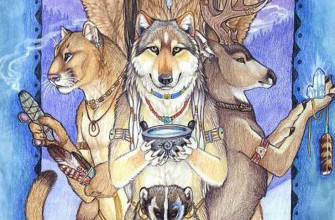
The bear represents strength, healing, and introspection in Anishinaabe (Ojibwe) clan tradition – the bear is one of the seven original clans. Lakota and Dakota traditions associate the bear with medicine and physical power, with bear-claw necklaces worn historically by warriors and medicine men.
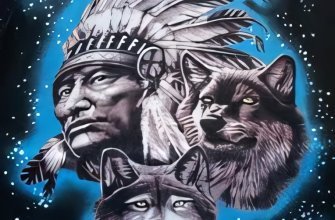
The wolf carries loyalty, family bonds, and pack-protection meaning across multiple Plains traditions. Lakota tribes recognise the wolf as a teacher and pathfinder. Pawnee traditions hold the wolf as an originator figure tied to the appearance of stars in the sky.
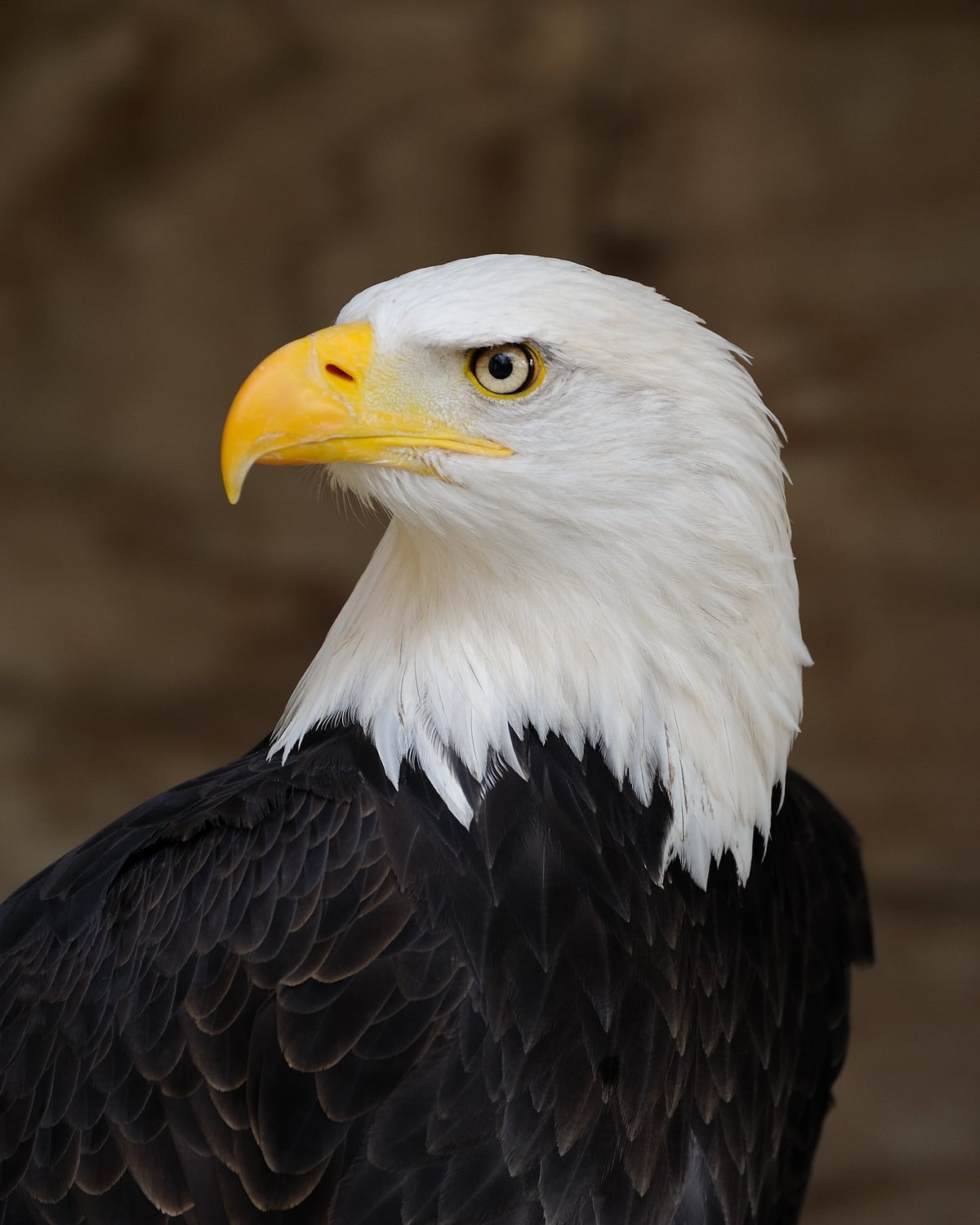
The eagle, particularly the bald eagle and the golden eagle, holds widespread sacred status across most Plains, Pacific Northwest, and Southwestern tribes. The eagle is seen as a messenger between humans and the Creator. Eagle feathers are restricted to enrolled tribal members under the 1962 amendment to the Bald and Golden Eagle Protection Act, and the National Eagle Repository in Colorado distributes feathers to enrolled tribal members for ceremonial use.
The buffalo (American bison) carried central significance for Plains nations – food, shelter, tools, and spiritual presence all came from the buffalo. The buffalo’s near-extinction in the 19th century was both an ecological and cultural catastrophe for Lakota, Cheyenne, Blackfeet, and other Plains peoples. The buffalo’s symbolic place in Plains art, song, and ceremony reflects that historic dependence.
The coyote serves as a trickster figure across Southwestern, Plains, and Plateau traditions – sometimes wise, sometimes foolish, frequently the protagonist of teaching stories that explain how the world came to be. Coyote stories are still told and printed in tribal language preservation materials.
The salmon is central to Pacific Northwest Coast traditions – Coast Salish, Tlingit, Haida, Tsimshian, and other northwest tribes. The salmon’s annual return to spawning streams is observed with first-salmon ceremonies that go back centuries. The salmon symbol appears prominently in formline art and in contemporary tribal regalia.
The “spirit animal” concept popular in non-Native New Age spirituality is largely a commercial invention rather than an authentic tribal practice. Real tribal practice involves clan animal designations passed through family lineage and specific ceremonial relationships – not personality-quiz pairings.
Bird and feather symbols
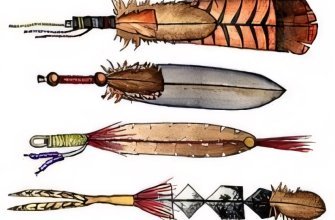
Eagle feathers carry the deepest cultural weight. In Plains warrior traditions, eagle feathers were earned through specific acts of bravery (counting coup, rescuing a fallen warrior, taking a horse from an enemy camp). Each feather marked a documented deed, and the eagle-feather warbonnet of the high-status warrior recorded a personal history rather than serving as decoration.
Federal law restricts eagle feather possession to enrolled tribal members. Non-enrolled persons cannot legally possess bald or golden eagle parts under the 1962 Bald and Golden Eagle Protection Act amendment. Tribal members order feathers from the National Eagle Repository, which receives eagles found dead from natural causes or deceased after wildlife rehabilitation.
Hawk, owl, and raven feathers carry distinct meanings by tribe. Hawk feathers represent vision and focus in many Plains traditions. Owl feathers are more commonly associated with wisdom or, in some Diné traditions, with bad omens – the symbolism is not consistent across tribes. Raven feathers in Pacific Northwest art tie to the Raven cycle of creation stories.
Down feathers and flight feathers serve different purposes in regalia. Down feathers are used decoratively on shawls and bonnets; flight feathers carry ceremonial weight and are worn during specific rituals. Modern war bonnets sold to non-Native consumers as “fashion” headdresses are widely seen as cultural appropriation, and many tribal organisations have publicly objected to the practice.
Sacred geometric symbols
The four directions are recognised across many Indigenous American traditions, but the colour assignments and ritual meanings vary. The Lakota system pairs east with yellow, south with white, west with black, and north with red. The Diné (Navajo) system pairs east with white shell, south with turquoise, west with abalone, and north with jet – a stone-based system rather than a colour-based one. Other tribes use different colour assignments entirely.
The medicine wheel of Plains tribes is a teaching tool, not a physical object in most traditions. The four-quadrant circle organises teachings about health, balance, and life stages. Some Plains tribes have stone medicine wheels (such as the Bighorn Medicine Wheel in Wyoming), constructed centuries ago and still considered sacred sites – but the ceremonial wheel that appears in regalia is conceptual rather than always built physically.
The circle of life concept in Lakota tradition is captured in the phrase “Mitákuye Oyás’iŋ” – “all my relations” – which acknowledges interconnection with all beings (people, animals, plants, ancestors, the earth). The phrase opens and closes prayers and ceremonial speeches across Lakota and Dakota traditions.
The sacred hoop appears in Plains imagery as a circle wrapped with rawhide or cloth, sometimes with cross-pieces dividing it into four quadrants. The hoop dance, performed by trained dancers using multiple wooden hoops, takes its meaning from this circle-of-life imagery and remains among the most recognisable contemporary Native American performance arts.
Spiral motifs appear widely in Pueblo and ancient Mound Builder art. The spiral can represent emergence (from the earth in Pueblo origin stories), water, or migration paths – meaning shifts by tribe and context.
Thunderbird, water, and weather symbols
The Thunderbird is among the most powerful spirit beings in Plains, Plateau, and Pacific Northwest traditions. Thunderbird is not a “thunder god” in the Western mythological sense – the being is a specific entity with specific stories, varying by tribe. Lakota tradition describes the wakíŋyaŋ (thunder beings) as protectors against the underwater serpent Uŋktéȟi. Pacific Northwest formline art depicts Thunderbird carrying a whale – a story that connects sea and sky.
Water symbols span multiple regions. Pueblo art uses rain clouds (terraced step-shapes), zigzag lightning, and frog imagery to represent the moisture cycle that determines crop survival. Pacific Northwest formline incorporates wave patterns. Plains tribes use river symbols and “water of life” imagery in ceremonial songs.
Lightning bolts appear in Apache and Pueblo art tied to thunderbeings. Lightning marks a moment when the sky touches the earth, and the iconography reflects that intersection. Pueblo katsina figures include thunder-related figures used in seasonal ceremonies tied to summer rain.
Protection and warding symbols
Dreamcatchers originated with the Anishinaabe (Ojibwe) people. The hoop wrapped with sinew or thread, with a web pattern stretched across the centre, was hung above a child’s cradleboard to catch bad dreams in the web while letting good dreams pass through to the sleeper. The bad dreams burn off in the morning sun. Dreamcatchers became commercial items widely sold to non-Native consumers from the 1960s onward, with controversy about appropriation; the original Anishinaabe context is largely lost in the commercial form.
The medicine wheel functions as a protection symbol in Plains traditions, though the protective meaning is one of several layers. The wheel’s circular form and four-direction structure organise teachings about balance and harmony, and the symbol is invoked in healing and ceremony.
Arrow patterns – single arrows, crossed arrows, broken arrows – carry tribal meaning that varies. Crossed arrows often signal friendship or alliance; a broken arrow can signal peace or the end of war. The interpretations are widespread but not uniform across tribes.
The Tohono O’odham Man in the Maze symbol depicts a small figure at the entrance of a circular labyrinth. The symbol represents the journey through life, with the centre representing the ultimate goal of Elder Brother (a creator figure) or wisdom. The Man in the Maze is widely used in Tohono O’odham silverwork and pottery and has become a recognised tribal symbol in Southern Arizona.
Love, fertility, water, and life symbols
Two-feather wedding designs appear in some tribal traditions but are not pan-Indigenous. The specific use varies by tribe, and the commercial “Native American wedding feather” tattoo or jewelry design is more often a generic invention than a tribally-specific tradition.
The heart-line bear (or heart-line wolf, or heart-line buffalo) is a Diné and Pueblo motif showing the animal with a visible “life line” running from mouth to heart. The line represents the breath of life inside the animal. The motif appears widely in Diné weaving, pottery, and silversmithing.
Corn symbols carry sustenance and fertility meaning across Pueblo (Hopi, Zuni, Acoma), Iroquois, and other agricultural tribes. Ear-of-corn imagery, corn-pollen blessings, and corn-related deities (the Corn Maidens of Hopi tradition) are central to ceremonial cycles tied to the planting and harvesting calendar.
Water imagery – waves, rain clouds, fish, frogs, lily pads – represents life and renewal. The Diné Beauty Way (Hózhó) ceremony incorporates water and the four sacred mountains as central elements. Pueblo planting ceremonies invoke water through cloud, frog, and rain-bird imagery.
Strength and warrior symbols
Shield symbols have a specific tradition in Plains warrior culture. Each warrior received a personal vision quest in his teenage years, and the imagery from that vision was painted on his hide shield. The shield was not just protective – it was a record of the warrior’s spiritual identity, often kept secret from those outside his immediate circle.
Bear-paw symbols appear across multiple traditions as strength imagery. The bear paw is also a healing symbol in some Anishinaabe and Lakota contexts, since the bear’s medicine-knowledge places it as a teacher of healing roots and plants.
Lightning bolts symbolise speed and power in Apache and Plains imagery, often appearing on shields and ledger drawings of horses and warriors.
Crossed weapons (tomahawk and lance, bow and arrow, two arrows) signal warrior status and battle history rather than active conflict. The “tomahawk and peace pipe” pairing represents the dual capacity for war and diplomacy held by tribal leaders.
Some symbols traditionally associated with warriors have crossed into sports team logos and mascots – a use that many tribal organisations have publicly opposed. The Cleveland Indians (now Guardians) and Washington Redskins (now Commanders) name changes since 2018 reflect ongoing tribal advocacy on this issue.
Basket and weaving symbols
Basket symbols carry tribal-specific meaning that varies enormously by region. Pomo basketry of California uses extremely fine willow and sedge construction with feathers woven into the surface. Apache basketry uses willow and devil’s-claw with geometric figures and human silhouettes. Tohono O’odham basketry includes Man in the Maze and yucca-root patterns.
The friendship pattern – a chain of human figures holding hands – appears in basketry and beadwork across multiple tribes. The motif typically signals connection and shared humanity rather than a specific tribal-restricted meaning.
Weave structures encode meaning beyond surface design. The direction of stitch, the colour sequence, and the closure pattern can all carry significance. A buyer purchasing tribal basketry should look for documentation of the maker’s tribal enrollment and the weave’s regional tradition.
Tribal flags and national symbols
574 federally-recognised tribes (as of 2024 – the count adjusts occasionally with new recognitions) maintain formal national flags alongside tribal seals. Each flag carries elements specific to that nation’s history, geography, and cultural symbols.
The Cherokee Nation flag includes a single red star representing those who died on the Trail of Tears (1838-1839 forced removal). The Diné (Navajo) Nation flag shows the four sacred mountains with the rainbow over them. The Choctaw Nation flag includes a peace pipe and bow representing the dual capacity for war and peace.
Tribal flags appear at powwow Grand Entries, where colour guards (often composed of military veterans) carry tribal flags alongside the US flag, the state flag, and a black POW/MIA flag. Powwow protocol requires standing for the Grand Entry, removing hats, and not photographing or recording during the ceremonial portion.
Symbols on shields and ledger art
Plains warrior shields carried personal vision-quest imagery. The shield was made from buffalo hide stretched over a wooden hoop and painted with images received during the warrior’s vision quest as a teenager. Shield imagery was personal – other warriors and even family members might not know the full meaning of a shield’s design.
Ledger art emerged in the 1860s-1870s when imprisoned Plains warriors at Fort Marion (Florida) were given pencils, coloured pencils, and captured ledger books. The captured warriors documented their pre-imprisonment lives in pictographic style on ledger pages: battles, horse raids, hunts, ceremonies. Notable ledger artists from this period include Howling Wolf (Cheyenne), Bear’s Heart (Cheyenne), and Squint Eyes (Cheyenne).
Contemporary ledger artists continue the tradition. Dwayne Wilcox (Lakota), Linda Haukaas (Lakota), and Dolores Purdy (Caddo) work in the ledger format, often adapting the visual language to contemporary subject matter. Ledger art now appears in major museum collections (NMAI, Heard Museum, Eiteljorg) and at the Santa Fe Indian Market each August.
Lakota tribal symbols
The Lakota symbol system is among the most documented Indigenous American traditions, both because the Lakota themselves have produced extensive written record across the past century and because the symbols continue in active use at Pine Ridge, Rosebud, Cheyenne River, Standing Rock, and the other Lakota reservation communities. This deep-dive section walks through the central Lakota symbols, the cultural framework behind them, and their place in contemporary Lakota life. Other tribes (Navajo, Hopi, Cherokee, etc.) appear elsewhere in this guide.
A Lakota grandmother sewing a turtle pouch for a newborn grandchild stitches thirteen large patches around the back of the shell and twenty-eight smaller scales around its rim, a pattern that anyone who has handled a real plains turtle will recognise from the animal itself. The match between the turtle’s natural shell pattern, the thirteen lunar months of the Lakota calendar year, and the twenty-eight days of each lunar cycle is one of the small details that show how Lakota symbolic thinking grew out of close observation of the plains environment rather than out of abstract invention. This article walks through the major symbols of Lakota cultural and spiritual life as they have been documented by Lakota knowledge keepers and by ethnographers working with Lakota communities, with the academic and primary sources listed at the end. The aim is a respectful working introduction rather than a checklist for outsider use.
The Lakota People and Their Name
The Lakota are one of the seven council fires of the larger Sioux nation, called Oceti Sakowin in their own language. The seven councils split into three dialect groupings: the Lakota in the west, the Western Dakota or Yankton in the middle, and the Eastern Dakota or Santee in the east. The Lakota proper include the Oglala, Sicangu, Hunkpapa, Mniconjou, Itazipco, Sihasapa, and Oohenumpa bands, who lived across what is now the western Dakotas, eastern Montana, eastern Wyoming, northern Nebraska, and southern Saskatchewan in the eighteenth and nineteenth centuries.
The Oglala Lakota leader Red Cloud and the Hunkpapa holy man Sitting Bull led much of the nineteenth-century military resistance discussed in our reference on Native American warriors. The word Lakota carries the meaning of friend or ally in the language, with cognate forms Dakota and Nakota in the related dialects of the larger nation. The English name Sioux is shortened from a French version of an Ojibwe word that has been variously read as snake or enemy and that the people themselves do not use.
Modern Lakota communities live primarily on the Pine Ridge, Rosebud, Cheyenne River, Standing Rock, and Lower Brule reservations in the western Dakotas. Lakota is a member of the Siouan language family and remains in active use, with revitalisation programmes running through tribal colleges and immersion schools.
The Turtle and the Lakota Calendar
The turtle, called keya in Lakota, holds a central place among the animal figures in the Lakota symbolic vocabulary and ties directly to the cosmological organisation of the year. Lakota traditional knowledge keepers, including writers such as Joseph M. Marshall III who has documented Lakota oral tradition for general audiences, have explained the matching pattern between the turtle’s shell and the calendar: the painted turtle and other plains turtles carry thirteen large scutes around the central back of the shell with twenty-eight smaller marginal scales around the rim, and the Lakota year of thirteen lunar months of twenty-eight days each was tied to that observable pattern.
The turtle pouch made for a newborn child carried the umbilical cord after it dried and detached, with the pouch shaped to resemble the turtle and beaded with quillwork. Mothers and grandmothers made these pouches for the long life and protection of the child, since the turtle is one of the longest-lived animals on the plains and a model of patient endurance. The pouch went on the cradleboard with the baby and was kept through life as one of the first material objects tied to a person.
Tatanka the Buffalo and the Plains Economy
The buffalo, called tatanka in Lakota, was the centre of plains material life before the destruction of the buffalo herds in the late nineteenth century. Estimates of the pre-contact buffalo population on the North American plains range from thirty to sixty million animals, reduced to under a thousand wild animals by the 1890s through commercial hunting. For Lakota communities the animal provided meat, hide for clothing and lodge covers, sinew for thread and bowstrings, bone for tools, horn for spoons and ladles, and fat for fuel and food storage.
The buffalo also functioned as a teaching figure in oral tradition, with stories that linked the animal to generosity, family responsibility, and the relationship between the people and the land. The legend of the White Buffalo Calf Woman, called Pte San Win in Lakota, holds central place in Lakota spiritual tradition and recounts how the sacred pipe was brought to the people by a figure who appeared as a white buffalo calf and as a woman. The white buffalo remains a sign of major significance in Lakota and other plains cultures, and the rare birth of a white buffalo calf in a contemporary herd is treated as an event of cultural importance. Modern Lakota efforts to restore buffalo herds on tribal lands tie back to this longer history.
The Sacred Circle and the Four Directions
The circle is one of the central organising images of Lakota cosmological thought. The Sicangu spiritual leader Black Elk, in the conversations with the writer John G. Neihardt that became the 1932 book Black Elk Speaks, returned several times to the circle as the shape of all good things.
The shape of the tipi, the arrangement of camps, the path of the sun across the sky, the cycle of the seasons, the round of human life from birth to death, and the pattern of dance and ceremony all follow a circular logic in Lakota teaching. The number four, which marks the four cardinal directions, the four seasons, the four ages of human life, and the four classical elements in Lakota traditional understanding, organises the circle into a quartered structure. Each of the four directions has its own associations: the east with the colour yellow and the daily return of the sun, the south with the colour white and the warmth of summer, the west with the colour black and the storms that come from the mountains, and the north with the colour red and the cleansing cold of winter. The medicine wheel image, which arranges the four colours and four directions around a central axis, became a widely used visual representation of this teaching, although the older Lakota tradition did not use it as a fixed art object in the way that some later popular sources have shown.
Other Major Lakota Symbols
Several other animal and natural figures hold significant places in Lakota symbolic vocabulary. The eagle, called wanbli or anpao wanbli in different contexts, is treated as a messenger between the people and the spirit beings, and eagle feathers are regarded as among the most significant ceremonial objects. Federal law in the United States protects bald and golden eagles and restricts the possession of eagle feathers to members of federally recognised tribes for ceremonial use, through a permit system administered by the National Eagle Repository.
The bear, mato in Lakota, holds associations with healing knowledge and with certain medicine traditions. The wolf, sungmanitu, holds associations with hunting skill and with the kinship between the people and the predators of the plains. Thunder beings, called wakinyan in Lakota, are associated with summer storms and with certain forms of vision and ceremonial responsibility.
Spider, iktomi in Lakota oral tradition, plays a role similar to the trickster figures of other Native American oral traditions and appears as a teacher whose lessons sometimes come from his mistakes rather than from his successes. The horse, called sunkawakan in Lakota and translated as sacred dog or holy dog because the people learned the horse from contact with Spanish-influenced southern plains tribes in the eighteenth century, transformed Lakota material life on the plains.
Reading Symbols Within a Living Tradition
The most important point that runs through serious academic and Lakota community writing on these symbols is that they belong to a living tradition with its own teachers, ceremonies, and contexts of use. The symbols cannot be lifted out of that context and used as decoration without a loss of meaning that the source communities have made clear they object to. The American Indian Religious Freedom Act of 1978 and subsequent federal legislation in the United States protects the religious practices of Native American communities, and academic codes of ethics for ethnographers working with indigenous communities now treat respectful collaboration as a baseline requirement.
Anyone interested in Lakota symbolic tradition for serious reasons should read the published Lakota authors first, including Joseph M. Marshall III, Vine Deloria Jr., and Severt Young Bear Sr., before turning to outsider ethnographic accounts. Tribal colleges on the Lakota reservations, including Oglala Lakota College on Pine Ridge and Sinte Gleska University on Rosebud, run courses in Lakota language, history, and tradition that are open to outside students and that provide a more grounded entry point than commercial popular sources. The symbols are not stylistic templates and were not made for outsider decorative use.
Sun Dance, Sacred Pipe, and Heyoka
The Sun Dance (Wiwanyan Wachipi) is the central ceremonial event of the Lakota year, traditionally held during the summer solstice period. Dancers fast and dance for four days facing the sun, attached by cords to a central cottonwood pole through pierced chest skin. The ceremony was banned by the US government from 1883 until the 1934 Indian Reorganization Act and remained restricted until the American Indian Religious Freedom Act of 1978.
The cannunpa, the sacred pipe, is the central Lakota ceremonial object. The pipe is carved from catlinite (red pipestone from Pipestone, Minnesota), with a wooden stem decorated with carved or beaded patterns. Tobacco and other sacred herbs (kinnikinnick) are smoked through the pipe as offerings.
The wakinyan (thunder beings) appear in Lakota cosmology as powerful sky entities. Heyoka, the contrary or sacred clown, derives spiritual identity from a vision involving the wakinyan, and the Heyoka role in ceremony involves doing things backwards as a ritual inversion.
Symbol use today and cultural sensitivity
Native American symbols remain in active use within tribal communities for ceremony, regalia, and contemporary art. The continuity is both a cultural strength and a vulnerability to commercialisation.
Cultural appropriation issues have grown more prominent in public discussion since the 2010s. Sacred symbols on commercial products (war bonnets sold for festival fashion, dreamcatcher merchandise without Anishinaabe context, tribal patterns on fast-fashion clothing) have drawn criticism from tribal organisations and individual artists. Some companies (Urban Outfitters, Forever 21) have pulled product lines after public pressure.
Federal protections include NAGPRA (Native American Graves Protection and Repatriation Act 1990), which covers the return of human remains and ceremonial objects from museum collections to tribes of origin. The Indian Arts and Crafts Act 1990 makes it a federal crime to misrepresent goods as Indian-made.
Respectful engagement with Native American symbols starts with: learn from primary tribal sources rather than secondary New Age books; support tribal artists by buying directly from the maker; do not adopt sacred ceremonial objects unless invited and prepared; respect tribal protocols around photography, recording, and participation. The conversation around appropriation is not about avoidance – it is about specific practices and the difference between learning from a tradition and taking from one. The framework set by the Indian Arts and Crafts Act of 1990 and the broader cultural traditions across the United States guides the legal floor; respect goes beyond compliance.
Frequently Asked Questions
What is the most sacred Native American symbol?
The answer varies by tribe. For Lakota traditions, the sacred pipe (čaŋnúŋpa) and the white buffalo carry the highest sacred status. For Diné (Navajo) tradition, the four sacred mountains and the corresponding stones (white shell, turquoise, abalone, jet) hold central place. For Plains warrior cultures, the eagle feather, particularly the bald and golden eagle, carries the deepest cultural weight.
Are dreamcatchers traditional Native American symbols?
Yes, but with specific tribal origin. Dreamcatchers come from the Anishinaabe (Ojibwe) people, where the hoop wrapped with sinew or thread was hung above a child’s cradleboard to catch bad dreams in the web. Most commercial dreamcatchers sold today are pan-Indigenous adaptations that have lost the original Anishinaabe context. Authentic dreamcatchers are still made by Anishinaabe artists.
Can non-Native people own eagle feathers?
No. The 1962 amendment to the Bald and Golden Eagle Protection Act restricts possession of bald and golden eagle parts to enrolled tribal members. The National Eagle Repository in Colorado distributes feathers to enrolled tribal members for ceremonial use. Possession by non-enrolled persons is a federal crime with significant penalties.
How many federally recognised tribes are there in the United States?
574 federally recognised tribes as of recent counts, with the number adjusting occasionally as new federal recognitions are granted. Each tribe is a sovereign nation with its own government, court system, and tribal flag. Many additional tribes hold state recognition without full federal recognition.
What is Mitákuye Oyás’iŋ?
Mitákuye Oyás’iŋ is a Lakota phrase meaning “all my relations” or “we are all related”. The phrase opens and closes Lakota prayers and ceremonial speeches, and it expresses the central Lakota teaching that all beings (people, animals, plants, ancestors, the earth) are interconnected through the sacred hoop.
Sources and Further Reading
- Indian Arts and Crafts Act of 1990, Public Law 101-644, US federal authentication law
- Native American Graves Protection and Repatriation Act of 1990 (NAGPRA), Public Law 101-601
- American Indian Religious Freedom Act of 1978, Public Law 95-341
- Bald and Golden Eagle Protection Act, 16 USC 668, with 1962 amendment for tribal religious use
- Black Elk and John G. Neihardt, Black Elk Speaks (University of Nebraska Press, 1932)
- Joseph Epes Brown, The Sacred Pipe: Black Elk’s Account of the Seven Rites of the Oglala Sioux
- National Museum of the American Indian (Smithsonian) collections and exhibition catalogues