Austria holds more than 300 natural lakes, and they form one of the most underrated reasons to visit the country. While most travellers head straight for the Alps, the cathedrals of Vienna and the Mozart heritage of Salzburg, the Austrian lake districts offer some of the cleanest swimming water in Europe, world-class scenery and a long list of summer activities. This 2026 guide walks through the most beautiful lakes in Austria, the water sports they offer and the practical details for planning a trip.
Why the Lakes of Austria Are Worth a Trip
Austria has plenty of attractions for visitors. The country has produced some of the most talented artists, composers and writers in European history and remains famous for its cuisine, coffee houses and cultural life. Beneath all of that lies an extraordinary natural heritage. About two-thirds of the country is covered by the Alps, but at the foot of these spectacular mountains lie some of the most stunning crystalline lakes you will ever see.
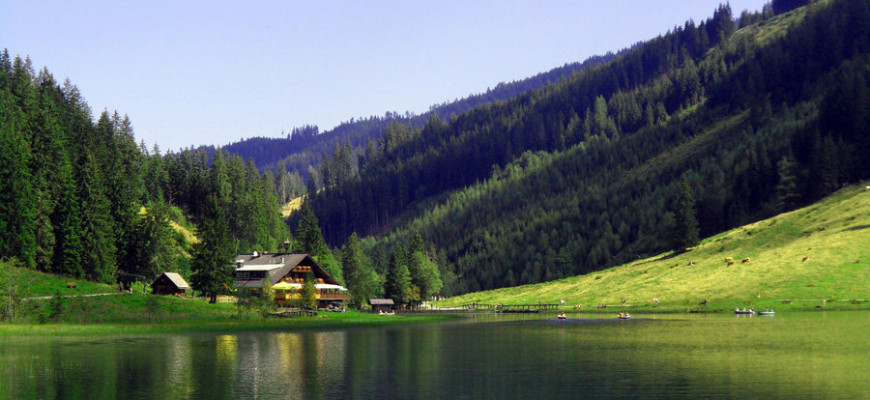
The lakes at the foot of the mountains reflect the surrounding landscape in calm rippled images that have inspired painters and photographers for centuries. They also play an important role in the local tourism economy, with mass appeal for Austrian families and visitors from across Central Europe. Many of the lakes hold drinking-water quality status and are clean enough to swim in straight from the shore.
Although the lakes are a beautiful sight on their own, they are also action-packed playgrounds. Water sports operators run on most of the larger ones, and adventurous travellers often outnumber the quiet nature lovers in the busiest months.
The Most Popular Lakes of Austria
Lake Constance (Bodensee)
Lake Constance, known in German as the Bodensee, is the largest and most famous of the lakes connected to Austria. The lake covers 536 square kilometres and forms a shared border with Germany and Switzerland. Austria holds the eastern shore around the city of Bregenz, the capital of the Vorarlberg region and the best access point to the lake.
Bregenz is famous for the Bregenz Festival (Bregenzer Festspiele) held every July and August, when the world’s largest floating stage is set up on the water for spectacular open-air opera performances. The lake itself offers swimming, sailing, windsurfing, paddleboarding, lake cruises and excellent cycling along the shore. The Pfander mountain rising directly above Bregenz can be reached by cable car for sweeping views of the lake and three countries at once.
Lake Neusiedl (Neusiedlersee)
Lake Neusiedl is the largest endorheic lake in Central Europe and the second-largest steppe lake in the world. Austria shares the lake with Hungary, where it is known as Ferto-to. The shoreline is protected as the Neusiedler See-Seewinkel National Park, a UNESCO World Heritage cultural landscape since 2001 and one of the best birdwatching destinations in Europe.
The lake is exceptionally shallow (average depth just 1 metre) and warms up quickly in summer, which makes it a paradise for swimming, sailing, windsurfing and kitesurfing. The flat surrounding land is also perfect for cycling, and the loop around the lake (around 135 km) is one of the most popular cycle routes in Austria.
Lakes of Carinthia
South of the Alps in the province of Carinthia lies a chain of warm Alpine lakes that locals call the “Mediterranean of Austria” because of their unusually warm summer water temperatures. The most famous include:
- Worthersee, the largest and warmest of the Carinthian lakes, with summer water temperatures that often exceed 26 degrees Celsius. The lake holds elegant Belle Epoque hotels along the shore and ranks among the most fashionable summer destinations in Austria.
- Millstatter See, the second-largest lake in Carinthia, surrounded by forested mountains and quieter villages.
- Ossiacher See, popular for sailing, surfing and the lakeside cycle path that runs around its full length.
- Weissensee, the highest of the major Carinthian lakes at over 900 metres, famous in winter for its massive natural ice rink that hosts speed skating events.
- Faaker See, with its distinctive turquoise colour and the iconic Mittagskogel mountain rising above it.
The Salzburg Lake District (Salzkammergut)
The Salzkammergut region, which stretches across parts of Salzburg, Upper Austria and Styria, holds 76 lakes and counts as the most concentrated lake region in the country. UNESCO inscribed the area on the World Heritage list in 1997 as the Hallstatt-Dachstein/Salzkammergut Cultural Landscape. The most beautiful lakes include:
- Hallstatter See, with the postcard-perfect village of Hallstatt on its shore. The view of the village reflected in the lake is one of the most photographed scenes in Europe.
- Wolfgangsee, home to the famous pilgrimage town of St. Wolfgang and the historic White Horse Inn.
- Mondsee, where parts of The Sound of Music were filmed, including the famous wedding scene at the lakeside basilica.
- Attersee, the largest lake entirely within Austria and a favourite of the painter Gustav Klimt, who spent many summers here.
- Traunsee, the deepest lake in the country at 191 metres, surrounded by dramatic limestone peaks.
- Grundlsee, often called the “Styrian sea” and known for its emerald water.
The Salzburg Flachgau Lakes
Just north of the Alps, the Salzburg Flachgau region holds three beautiful smaller lakes that work well for a quieter day trip from the city of Salzburg:
- Wallersee, a peaceful lake popular with families and birdwatchers.
- The Trumer Seen, a chain of three connected lakes (Obertrumer See, Mattsee and Grabensee) ideal for swimming and rowing.
- Mattsee, the central lake of the Trumer chain, with a charming medieval village on its shore.
Zeller See
To the south of Salzburg province lies Zeller See, a popular tourist centre framed by the spectacular peaks of the Hohe Tauern National Park. The town of Zell am See sits on the western shore and serves as a year-round resort, with swimming, sailing and water skiing in summer and a major ski area in winter.
Lakes of the Austrian Tyrol
The Alpine region of Tyrol holds its own collection of lakes, generally smaller in size but no less beautiful. The largest is Achensee, often called the “Tyrolean Sea”, which sits at over 900 metres and offers sailing, swimming and historic steamships in summer. Other lovely smaller lakes include the Plansee near Reutte, the Heiterwanger See, the Hintersteiner See in the Wilder Kaiser range and the surreal turquoise lakes around Kufstein.
Water Sports and Activities on Austrian Lakes
Most of the larger lakes offer a wide range of summer activities:
- Swimming. The water quality is consistently excellent, and many lakes carry official EU bathing water certifications.
- Sailing. The Bodensee, Attersee and Traunsee are the main sailing centres, with active club scenes and rental boats.
- Windsurfing and kitesurfing. The shallow Neusiedl and the windy Attersee are the most popular spots.
- Stand-up paddleboarding. The most popular and fastest-growing water sport in the country, available at almost every lake.
- Wakeboarding and water skiing. Several lakes run cable parks and rental services.
- Diving. The deep, clear lakes of the Salzkammergut, especially the Attersee and Traunsee, hold a respected diving scene with sunken historic objects to explore.
- Sailing regattas and triathlons. Major events take place across the summer at lakes such as Worthersee, Traunsee and Attersee.
- Lake cruises. Historic steamships still run on Bodensee, Wolfgangsee, Attersee and several other lakes for visitors who prefer a relaxing afternoon to active sport.
Beyond the Water
The lake regions of Austria reward visitors who climb a few steps inland as well. Most of the lakes sit beneath dramatic mountains laced with hiking trails for every level, from gentle lakeside walks to multi-day Alpine routes. Lakeside cycling paths circle nearly all of the larger lakes, the Salzkammergut railway connects historic spa towns and the surrounding villages hold charming churches, pilgrimage sites and traditional restaurants. In winter, several of the lakes freeze over and turn into vast natural ice rinks, with Weissensee in Carinthia hosting the famous “Alternative World Cup” of long-distance speed skating.
Best Time to Visit the Austrian Lakes
The main season for swimming and water sports runs from late May to early September, with peak temperatures and the warmest water in July and August. The Carinthian lakes warm up earliest and stay swimmable longest. June and September offer the best balance of pleasant weather and lower prices, while the ice and snow of winter give a completely different beauty to the same scenery.
Practical Tips
- Currency. Euro (EUR). Cards work almost everywhere, though small lakeside cafes and boat rentals sometimes prefer cash.
- Language. German is the official language. English is widely spoken in tourist areas.
- Getting around. The Austrian rail network reaches most major lakes, and OBB tickets cover combined train and ferry routes in the Salzkammergut. A rental car gives the most freedom for exploring the smaller lakes.
- Where to stay. Lakeside hotels, family-run guesthouses and traditional Alpine farms (Urlaub am Bauernhof) all welcome visitors. Book early for July and August, especially around Hallstatt and Worthersee.
- Respect the environment. The lakes are clean because Austrians work hard to keep them that way. Use only biodegradable sunscreen, avoid soap in the water and pack out all rubbish.
Final Thoughts
Austria is far more than just the Alps and the coffee houses of Vienna. With over 300 lakes, dozens of them ranking among the most beautiful bodies of water in Europe, the country offers some of the best summer holidays on the continent. Spend a morning swimming in the warm waters of Worthersee, a sailing afternoon on the Bodensee, a sunset hike above Hallstatt and a long evening on a steamship across the Wolfgangsee, and you start to understand why Austrians have built their summer culture around their lakes. Whether you come for the action sports, the photography, the birdlife or simply for a quiet swim with the Alps reflected in still water, the lakes of Austria are worth the trip.