Boxty is the potato bread that uses the spud raw. Grated raw potato, squeezed dry and mixed with mashed potato and a little flour, gives boxty its dense, slightly chewy texture and its faint, earthy tang, unlike any other potato cake. There is an old rhyme that goes: boxty on the griddle, boxty on the pan, if you can’t make boxty, you’ll never get a man. This guide covers all three traditional forms, the grating-and-squeezing technique that defines the dish, and the border counties where boxty is still a point of pride.
What boxty is
Boxty is a traditional Irish potato dish built on a mix of raw grated potato and cooked mashed potato, bound with flour, salt and usually a little buttermilk or egg. The raw potato is the secret. Where colcannon and champ use only mashed potato, boxty grates raw spud into the mix, and the raw starch gives the finished bread a chew and a flavour that mashed potato alone cannot. The Irish name is bácstaí, and an older name, arán bocht tí, means poor-house bread, which tells you exactly where it came from: a way to make a filling bread when flour was scarce and potatoes were not.
The three kinds of boxty
Boxty is not one dish but three, each cooked a different way from the same basic mix. A proper guide covers all of them.
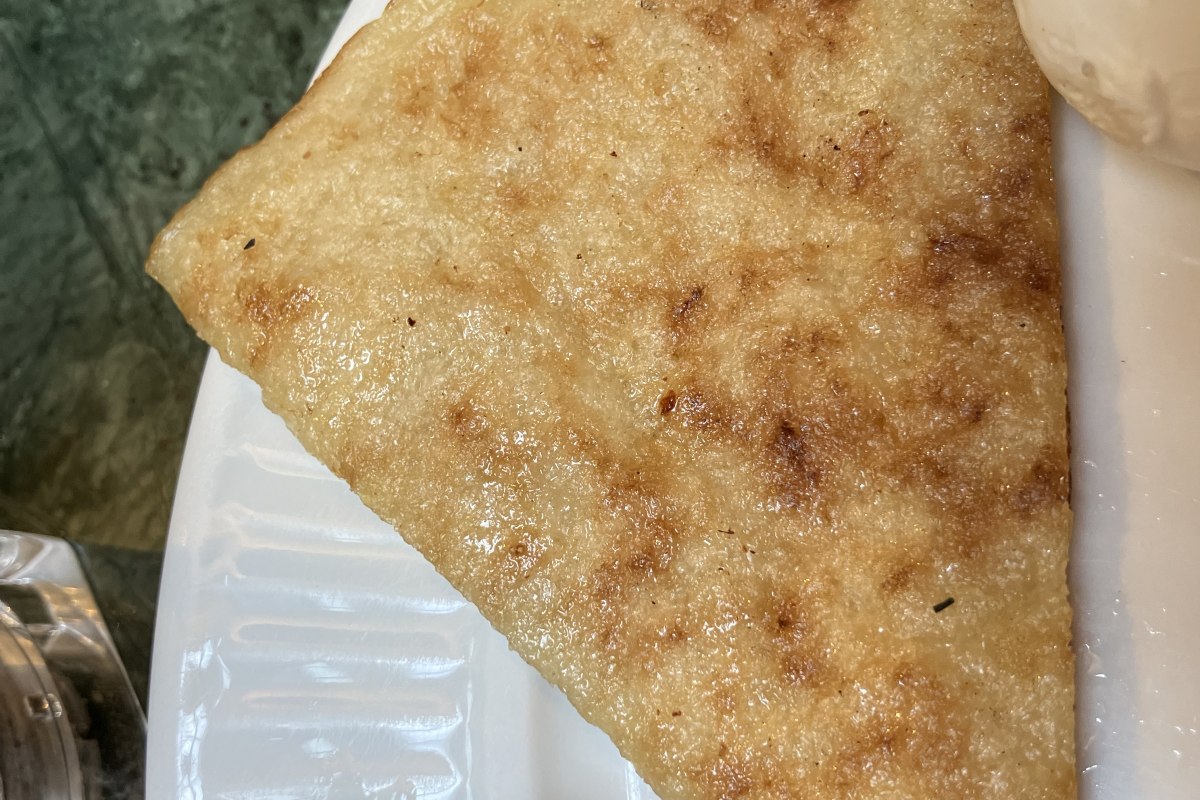
- Pan boxty is the best known, a flat pancake fried on a griddle or in a pan until golden on both sides, eaten hot with butter. This is the form most people mean by boxty.
- Loaf boxty is the mix packed into a tin and baked for about an hour into a firm loaf, then cooled, sliced and fried in butter the next day. It keeps longer than the pancake.
- Boiled boxty, also called boxty dumplings, is shaped into large rounds the size of a saucer and boiled for around 45 minutes, then sliced and fried when cold. It is the oldest and plainest form.
All three start from the same grated-and-mashed potato base. The cooking method is what changes, and which one a household made depended on whether they had a griddle, an oven or just a pot of boiling water.
The grating and squeezing technique
The whole character of boxty comes from one step that most modern recipes rush or skip. Raw potato is grated finely, then squeezed hard in a clean cloth to wring out as much liquid as possible. That liquid is not thrown away. It is left to stand in a bowl for a few minutes, during which the potato starch settles into a white layer at the bottom. The watery liquid on top is poured off, and the thick starch scraped from the bottom is added back into the mix. That reclaimed starch is what binds the boxty and gives it its springy texture. Skipping it leaves the boxty loose and grey. Darina Allen and the older Ulster cookbooks all insist on this step, and it is the single thing that separates real boxty from a soggy potato pancake.
Boxty country
Boxty belongs to a specific corner of Ireland. It is the dish of the border counties, north Connacht and south Ulster, through Leitrim, Cavan, Fermanagh and Donegal, where the cool, wet ground grew potatoes better than wheat. Leitrim above all claims boxty as its own, and the county still celebrates it. The recipes trace back to before the Great Famine, when the potato was the main food of the poor and grating raw spud into a little precious flour stretched a meal further. Where other regions moved on as wheat bread became affordable, the border counties kept boxty, and it remains a regional identity as much as a recipe. Gallagher’s Boxty House in Temple Bar, Dublin, opened the dish to a wider and tourist audience and is credited with putting boxty back on the map.
Tips for better boxty
- Use floury potatoes. Rooster or Kerr’s Pink grate and mash best. Waxy potatoes make a wet, heavy boxty.
- Squeeze hard and save the starch. The drier the grated potato and the more starch you reclaim, the better the texture. This is the step that makes or breaks it.
- Work quickly. Grated raw potato browns in the air within minutes. Mix and cook it without delay, or it greys.
- Get the pan properly hot. A good heat sets a golden crust and cooks the raw potato through. Too low and the boxty steams and stays pale and gummy.
- Do not make them too thick. A thinner pancake cooks through to the centre; a thick one browns outside while the middle stays raw.
A pan boxty recipe
This makes about eight pancakes, the most popular form. The raw-and-mashed mix is the same for all three types.
Ingredients
- 225 g raw floury potatoes, peeled
- 225 g mashed potato, cooled
- 225 g plain flour
- 1 teaspoon baking soda
- About 250 ml buttermilk
- Salt, and butter for frying
Method
- Grate the raw potato finely, then squeeze it hard in a clean cloth over a bowl to wring out the liquid.
- Let the squeezed liquid stand a few minutes, pour off the watery top, and scrape the settled white starch back in with the grated potato.
- Mix the grated potato, mashed potato, flour, baking soda and salt together.
- Add enough buttermilk to make a thick, dropping batter.
- Heat a little butter in a pan and drop in spoonfuls, flattening them into rounds.
- Fry for about 4 minutes a side, until golden brown and cooked through.
- Serve hot with butter, or with a fried breakfast.
For loaf boxty, pack the mix into a lined tin and bake at 200C for an hour, then cool, slice and fry. For boiled boxty, shape into large dumplings and boil for 45 minutes before slicing and frying.
Boxty in Irish life
Few dishes carry as much local pride as boxty does in the border counties. It was poverty food, made when there was little else, yet it became a marker of identity that those counties held onto long after the hard times passed. The rhyme about never getting a man if you cannot make boxty was a real test of a young woman’s housekeeping in its day, half joke and half warning. The dish appears in the folklore collections gathered from those parts of the country, recorded from people who ate it daily, and it survived the move from cottage to restaurant without losing its character. Today it is celebrated at food festivals in its home region and served in Dublin to visitors who have never seen a potato grated raw, but in Leitrim and Cavan kitchens it is still simply what you make with the spuds and a handful of flour.
How to eat boxty
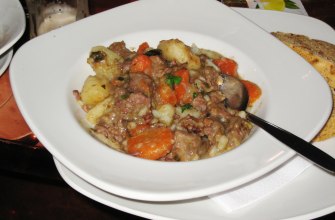
Boxty is at its best hot off the pan with nothing but butter melting into it. It is a breakfast staple in its home counties, served alongside bacon, sausages and eggs as the potato element of a fry, soaking up the fat. The modern restaurant version wraps a soft pan boxty around a savoury filling like bacon and cabbage or a stew, turning it into a sort of Irish pancake parcel, the style Gallagher’s made popular. Loaf and boiled boxty, sliced and fried crisp, make a sturdier side for dinner. A little sugar turns leftover boxty into a sweet treat, though purists keep it savoury and reach for more butter instead. However you serve it, boxty is best eaten fresh and hot, while the outside is still crisp and the inside soft.
Common questions
What is boxty made of?
A mix of raw grated potato and cooked mashed potato bound with flour and buttermilk. The raw potato, squeezed dry with its starch saved, gives boxty its distinctive chewy texture.
What are the three types of boxty?
Pan boxty, a fried pancake; loaf boxty, baked in a tin then sliced and fried; and boiled boxty or dumplings, shaped and boiled then fried. All share the same potato base.
Where does boxty come from?
The border counties of north Connacht and south Ulster, especially Leitrim, Cavan, Fermanagh and Donegal. The recipe dates to before the Great Famine, when potatoes were the main food.
Why do you squeeze the grated potato?
To remove excess water and reclaim the starch. The squeezed liquid is left to settle, the water poured off and the starch scraped back in, which binds the boxty and gives it its springy texture.
Related recipes
For the mashed-potato cousins, see colcannon and champ. For the wider tradition, see the guide to traditional Irish food.
Sources
- Bord Bia, the Irish Food Board
- Teagasc, potato varieties
- RTE Lifestyle Food, traditional Irish cooking
- Dúchas, the National Folklore Collection of Ireland
- National Museum of Ireland, Country Life
- Fáilte Ireland, National Tourism Development Authority
- Boxty photograph, Wikimedia Commons, CC0 public domain