Tea brack is a moist Irish fruit loaf, made by soaking dried fruit overnight in cold tea before baking it into a dark, spiced cake eaten in buttered slices. At Halloween it becomes a fortune-telling game, with a ring and other charms hidden inside to tell each person their year ahead. The name brack comes from the Irish for speckled, after the fruit running through it, and there is a real difference between the everyday tea brack and the older yeasted barmbrack. This guide gives the recipe, the Halloween charms and their meanings, and the distinction worth knowing.
Brack, barmbrack and tea brack
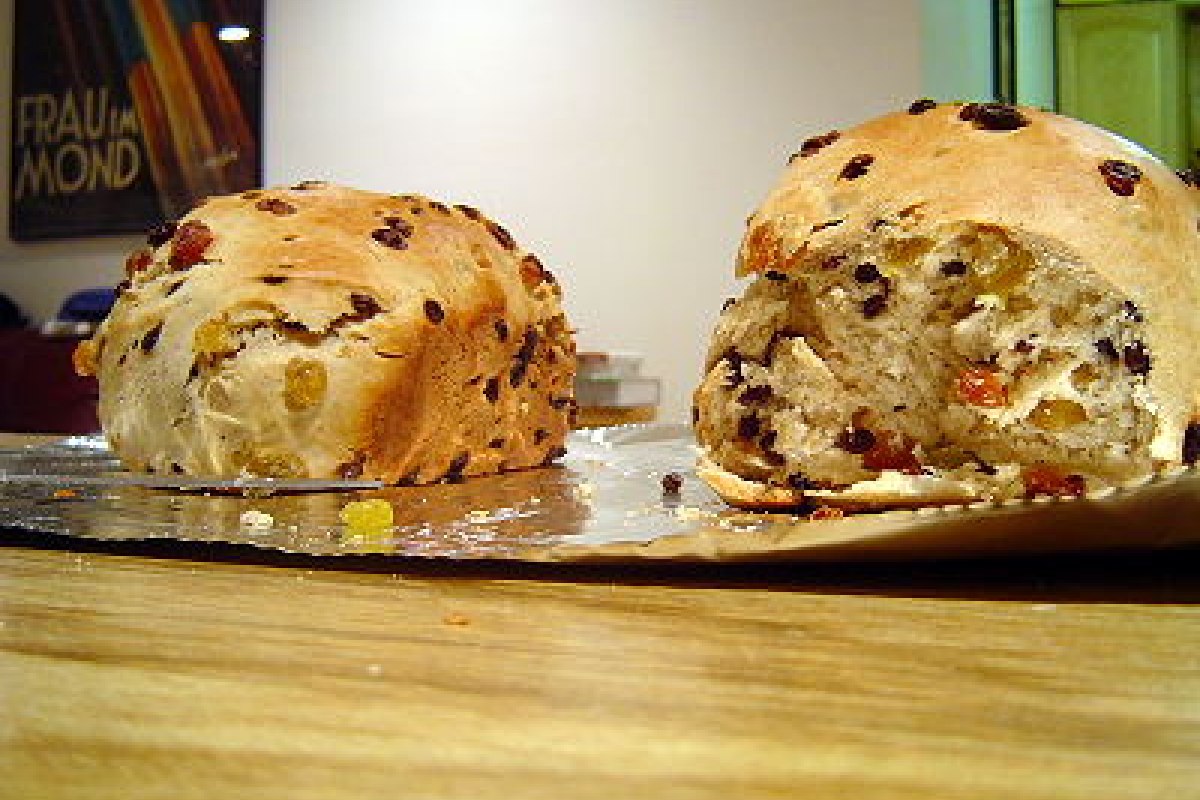
The word brack is short for báirín breac, Irish for speckled loaf, from bairín meaning a loaf and breac meaning speckled, after the raisins and sultanas that dot it. Under that name sit two related but distinct breads, and most recipes online muddle them.
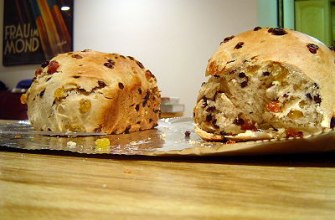
- Barmbrack is the older, yeasted version. Its name comes from barm, the frothy yeast skimmed off fermenting ale, which was used to raise bread in Ireland before bicarbonate of soda became available in the early nineteenth century. It is a proper yeast bread, lighter and more bread-like.
- Tea brack is the everyday modern version, raised with baking powder or soda rather than yeast, and made moist by soaking the fruit in tea. It is quicker and easier, closer to a fruit cake than a bread.
Both are speckled fruit bracks and both are eaten the same way. The traditional Halloween charms belong above all to the yeasted barmbrack, though home bakers now often slip a ring into a tea brack too. This guide gives the easier tea brack as the main recipe and explains the barmbrack alongside.
The Halloween charms and their meanings
Brack is the Halloween bread of Ireland, and like colcannon it carried a set of hidden charms baked into the dough, each one telling the finder’s fortune for the year. The full traditional set was richer than most people remember.
- A ring meant the finder would be married within the year.
- A coin meant wealth and good fortune coming.
- A pea meant the finder would not marry that year.
- A stick meant an unhappy marriage or disputes ahead.
- A piece of cloth or rag meant poverty and hard times.
The ring is the one that survived. It is still common to wrap a ring in parchment or greaseproof paper and bake it into the brack, and whoever finds it in their slice is the one to marry next. The charms turned a simple fruit loaf into the centrepiece of an Irish Halloween night, the same fortune-telling game that ran through the colcannon and the games of Samhain. Shop-bought barmbracks sold around Halloween still come with a toy ring inside, keeping the custom alive even where the home baking has faded. The one thing Irish households agree on is the ring: a Halloween brack without a ring baked in, even a supermarket one, is not the real thing, and reviews of the shop bracks each autumn judge them as much on the ring as on the cake.
The tea makes the brack
The secret to a moist tea brack is in the name. The dried fruit is steeped overnight in cold strong black tea, which plumps the raisins and sultanas with liquid and a faint tannic flavour, so the finished loaf stays moist for days and carries a gentle depth behind the sweetness. The tea does the job that butter and eggs do in a richer cake, which is why a tea brack can be made with almost no fat and still be tender. Use a good strong Irish breakfast tea, brewed strong and cooled. Some bakers swap in a measure of whiskey or a splash of stout alongside the tea for a boozier brack, particularly at Christmas. The longer the fruit soaks, the better, so the soak is started the night before baking.
Tips for a better brack
- Soak the fruit overnight. A long soak in strong tea is what makes the brack moist. A quick soak leaves the fruit dry and the loaf heavy.
- Use strong tea. Weak tea adds little. Brew it strong and let it go cold, or the heat starts cooking the raising agent too early.
- Do not overmix. Fold the flour in just until combined. Overworking the batter makes a tough, dense brack.
- Wrap the charms. Always wrap the ring and any tokens in greaseproof paper before baking, both for hygiene and so they are easy to spot before anyone bites down.
- Let it mature. Brack is good fresh but better after a day or two wrapped in foil, when the flavour settles and the crumb softens further.
A tea brack recipe
This makes one loaf. The fruit must soak overnight, so start a day ahead.
Ingredients
- 350 g mixed dried fruit, sultanas and raisins
- 300 ml hot strong black tea
- 250 g self-raising flour
- 150 g brown sugar
- 1 egg, beaten
- 1 teaspoon mixed spice
- A ring wrapped in greaseproof paper, optional, for Halloween
Method
- The night before, put the dried fruit in a bowl, pour over the hot tea, and leave it to soak overnight so the fruit swells.
- Heat the oven to 170C and line a loaf tin.
- Stir the sugar, beaten egg and mixed spice into the soaked fruit and any remaining tea.
- Fold in the self-raising flour until just combined into a thick batter.
- If using, push the wrapped ring and any other charms down into the batter.
- Spoon into the tin and bake for about an hour and a quarter, until firm and a skewer comes out clean.
- Cool, then serve in slices spread thickly with butter.
For a traditional barmbrack, the same fruit is worked into a yeasted dough and left to rise before baking, giving a lighter, more bread-like loaf with a little more work and time.
Brack and the Irish Halloween
Brack belongs to Samhain, the old Irish festival at the turn of the year that became Halloween, when the line between this world and the next was thought to thin and the future could be glimpsed. The hidden charms were part of that night of fortune-telling, eaten alongside colcannon, games with apples and nuts, and tales by the fire. A family would gather, cut the brack, and watch to see who got the ring and who got the pea, with all the teasing that followed a young person who found the token of a marriage or a single year ahead. The custom faded through the twentieth century as Halloween changed, but it never disappeared. Shops still sell barmbrack with a ring inside every October, and plenty of Irish families still bake or buy a brack at Halloween out of memory and habit, keeping a thread of the old festival alive on the tea table.
How to eat brack
Brack is teatime food. It is cut into slices and spread generously with butter, which melts into the moist crumb, and eaten with a strong cup of tea. It needs nothing else, though a little extra at Christmas might see it served with cheese or a cup of Irish coffee. Because the tea keeps it moist, brack stays good for the best part of a week wrapped in foil, and many think it improves after a day or two. Toasted and buttered, a slightly stale slice is as good as fresh. It is the kind of loaf an Irish household kept in the tin to offer any visitor who called, a slice of brack and a cup of tea being the standard welcome.
Common questions
What is the difference between tea brack and barmbrack?
Barmbrack is the older yeasted version, named after barm, the ale yeast once used to raise it. Tea brack is the modern version, raised with baking powder and made moist by soaking the fruit in tea. Both are speckled fruit bracks.
What are the charms in a barmbrack?
Hidden tokens that tell your fortune: a ring for marriage within the year, a coin for wealth, a pea for staying single, a stick for an unhappy marriage, and a cloth for poverty. The ring is the one most often used today.
Why do you soak the fruit in tea?
The tea plumps the dried fruit with moisture and adds a faint tannic depth, keeping the loaf moist for days with little or no added fat. It is what gives tea brack its name and texture.
Is barmbrack a bread or a cake?
It sits between the two. The yeasted barmbrack is more of a fruit bread, while the modern tea brack is closer to a light fruit cake. Both are eaten in buttered slices like a bread.
Related recipes
For the other Halloween dish with hidden charms, see colcannon. For the wider sweet table, see the guide to Irish desserts and the other Irish cakes.
Sources
- Ireland.ie, traditional Halloween bairin breac
- Bord Bia, the Irish Food Board
- RTE Lifestyle Food, Irish Halloween baking
- Dúchas, the National Folklore Collection of Ireland
- National Museum of Ireland, Country Life
- Fáilte Ireland, National Tourism Development Authority
- Fordmadoxfraud, barmbrack photograph, Wikimedia Commons, licensed CC BY-SA 3.0