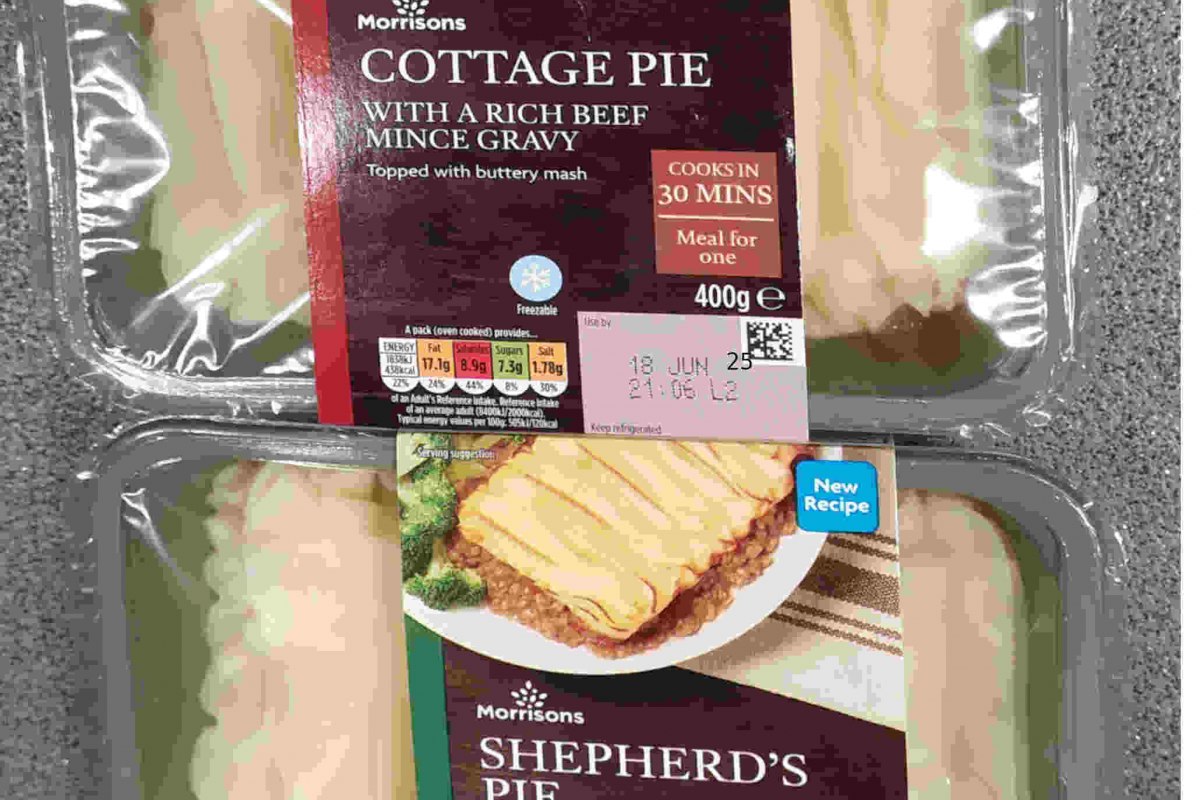
The rule everyone repeats, shepherd’s pie is lamb and cottage pie is beef, is younger than the dishes themselves and was not the original distinction at all. Both are the same idea: leftover minced meat under a blanket of mashed potato, baked until the top crisps. The names were used interchangeably for most of their history, and the lamb-versus-beef line was drawn much later. This guide sorts out the real history, the genuine difference, and the Irish way with the dish, topped not with plain mash but with colcannon or champ.
The dish came before the rule
The potato-topped meat pie is a child of thrift, born when the potato spread through Britain and Ireland and gave poor households a cheap way to stretch yesterday’s roast into another dinner. The word cottage in cottage pie points straight at it: the cottagers, the rural poor whose staple was the potato, made a pie with a potato crust instead of expensive pastry. The first written record of cottage pie comes from 1791, when the English diarist Parson Woodforde noted a Cottage-Pye in his journal. By 1806 Maria Rundell printed a recipe she called Sanders, minced beef or mutton with onion and gravy under mashed potato, the dish in all but name.
Shepherd’s pie arrived later. The name is first recorded in the middle of the nineteenth century, with an Edinburgh recipe in 1849, long after cottage pie was established. For decades the two names meant the same thing, used as the cook pleased.
So what is the real difference?
The clean lamb-and-beef rule, shepherd’s pie made with lamb and cottage pie with beef, is a twentieth-century tidy-up, promoted in recent decades by cookbooks and supermarkets that wanted a clear label on the packet. There is a logic to it that makes it worth following: a shepherd tends sheep, so a shepherd’s pie of lamb at least makes sense of the name. But it is a modern convention, not an ancient law, and anyone who tells you a beef shepherd’s pie is wrong is quoting a rule barely older than the freezer aisle. The honest position is simple.
- Shepherd’s pie, by the modern rule, is made with lamb or mutton, the meat of the shepherd’s flock.
- Cottage pie, by the same rule, is made with beef.
- Historically, both names meant minced meat of any kind under mashed potato, used interchangeably.
Use the modern names if you like the clarity. Just know that the rule is a recent convenience, not a piece of deep tradition.
The Irish way: a colcannon top
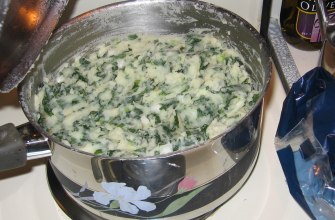
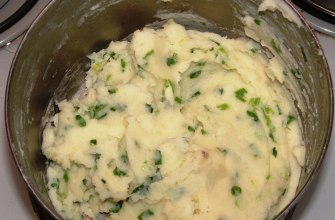
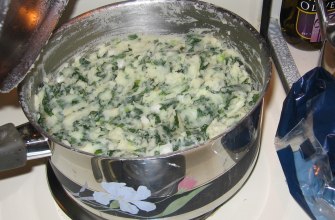
In Ireland the pie belongs to the same potato-led table as the stew, and the Irish touch is on top. Where the plain version uses ordinary mashed potato, many Irish cooks crown the pie with colcannon or champ, folding kale, cabbage or scallions through the mash so the topping is a dish in its own right. The result is a one-pan meal that carries the whole Irish potato tradition: the meat below, the greens-and-spud mash above, a crisp buttered crust on top. Irish versions lean on the same good meat as the stew, grass-fed Irish beef for a cottage pie or hill lamb for a shepherd’s, and a splash of stout in the gravy is a common Irish addition. It is, in effect, the baked, potato-topped cousin of Irish stew, and a fine way to use up Sunday’s leftover roast. The colcannon top is what marks it as Irish rather than English: where an English cottage pie ends with plain creamed potato, the Irish one keeps going, working the greens and butter through until the crust itself is a piece of the national table.
The variations across the table
Once you accept that the pie is just minced meat under mashed potato, the variations open up, and several have their own names and followings.
- Cumberland pie adds a layer of breadcrumbs, sometimes with cheese, over the potato for an extra crunchy crust.
- Fish pie is the seafood cousin, white fish and salmon in a creamy sauce under the same mashed-potato top.
- The colcannon-topped Irish version turns the plain mash into a dish of its own with kale or cabbage worked through.
- The American shepherd’s pie usually means beef and adds a layer of sweetcorn between the meat and the potato, a New World addition unknown to the original.
- Vegetarian shepherd’s pie swaps the meat for lentils and mushrooms, the same logic as a vegetarian stew under a potato lid.
All of them share the same frugal bones: a cheap, filling base of leftover or minced meat, stretched and crowned by the potato that fed Britain and Ireland for two centuries.
A cottage pie recipe
This serves six. Use beef for a cottage pie or lamb for a shepherd’s; the method is the same. Top with plain mash or, for the Irish version, with colcannon.
Ingredients
- 700 g minced beef (or lamb for shepherd’s pie)
- 2 onions and 2 carrots, finely chopped
- 2 tablespoons tomato puree
- 1 tablespoon plain flour
- 400 ml beef or lamb stock, plus a splash of stout, optional
- 1 tablespoon Worcestershire sauce, a bay leaf and thyme
- For the top: 1 kg floury potatoes, butter, milk, and kale or scallions for a colcannon topping
- Salt, pepper and a little grated cheese, optional
Method
- Brown the mince well in a hot pan, then add the onions and carrots and soften.
- Stir in the tomato puree and flour, then pour in the stock and stout with the Worcestershire, bay and thyme.
- Simmer for about 30 minutes until thick and rich, and season well.
- Meanwhile boil the potatoes and mash with butter and milk. For a colcannon top, fold through cooked kale or cabbage and scallions.
- Spoon the meat into a dish, top with the mash, and fork the surface so it crisps.
- Bake at 200C for about 25 minutes until golden, scattering cheese on top for the last ten if you like.
Like the stew, the filling is better made a day ahead, and the whole pie reheats well. It also freezes cleanly, assembled but unbaked, ready to go straight into the oven on a busy evening.
What to serve with it
A shepherd’s or cottage pie is a complete meal in one dish, meat and potato together, so the sides stay simple and green. Buttered peas are the classic Irish and British partner, with their sweet pop against the rich filling, and steamed cabbage, kale or green beans do the same job. A spoon of brown sauce or ketchup at the table is the honest, unfussy finish most households reach for. To drink, a glass of stout echoes the splash in the gravy. Nothing more is needed: this is plain, filling, everyday food, the kind of dinner that uses up the Sunday roast and feeds a family for very little, which is exactly what it was invented to do.
Getting it right
- Brown the mince hard. Colour means flavour. Drain off excess fat after browning so the filling is rich, not greasy.
- Make the filling thick. A runny filling soaks into the mash and collapses. Reduce the gravy until it holds its shape.
- Use floury potatoes. Rooster or Kerr’s Pink mash light and crisp on top. Waxy potatoes go heavy.
- Fork the top. Ridges and peaks brown and crisp far better than a flat surface.
- Cool the filling before topping. Spreading mash over hot gravy makes it slide and sink.
Common questions
What is the difference between shepherd’s pie and cottage pie?
By the modern convention, shepherd’s pie is made with lamb and cottage pie with beef. Historically the two names meant the same potato-topped meat pie and were used interchangeably until the twentieth century.
Which came first, shepherd’s or cottage pie?
Cottage pie, recorded in 1791, came first. Shepherd’s pie is not recorded until the mid-nineteenth century, so the lamb-versus-beef rule could not be the original distinction.
Is shepherd’s pie Irish or British?
It is a shared dish of the British and Irish potato-eating tradition. The Irish version often tops it with colcannon or champ rather than plain mash and adds a splash of stout to the gravy.
What potatoes are best for the top?
Floury varieties like Rooster, Kerr’s Pink or Maris Piper, which mash light and crisp golden in the oven. Waxy potatoes make a dense, heavy topping.
Can you make it ahead and freeze it?
Yes. Make the filling a day ahead so it sets and the flavour deepens, then top and bake when needed. The fully assembled pie freezes well unbaked for up to three months; bake it from frozen with extra time, or thaw overnight first.
Related recipes
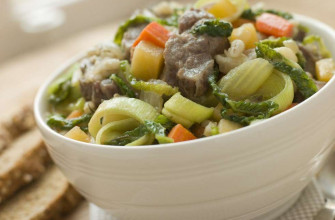
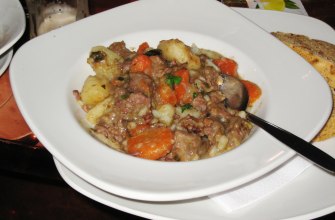
For the potato toppings, see colcannon and champ. For the stew it descends from, see the Irish stew guide and Irish beef stew.
Sources
- Bord Bia, the Irish Food Board
- RTE Lifestyle Food, Irish classics
- Teagasc, potato varieties
- Dúchas, the National Folklore Collection of Ireland
- Fáilte Ireland, National Tourism Development Authority
- The Irish Times, food and drink
- Pol098, cottage and shepherd’s pie photograph, Wikimedia Commons, CC0 public domain