
Lisbon’s seven hills, and how to pick a hotel that respects them
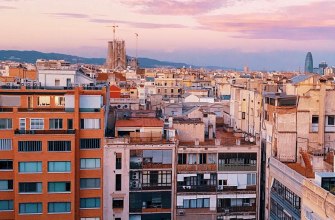
Lisbon is built on a topography that defeats first-time visitors who pack heavy. The city sprawls across seven hills along the north bank of the Tagus, with the Castle of São Jorge anchoring the highest point in the historic center and the Bairro Alto plateau facing it across a steep ravine. Cobblestone calçada paving runs through the older neighborhoods. Rolling suitcases sound like jackhammers and break their wheels on the descent.
The first sleeping decision is hill grade. Baixa, Belém, and most of Príncipe Real run nearly flat. Alfama and Bairro Alto require real climbs, sometimes a hundred-meter elevation gain from the nearest taxi-accessible street. Miss the hill rating on a Booking.com listing and the trip starts with a 10pm suitcase haul up Rua da Bica. The eight neighborhoods below cover where most travelers should sleep, with hill grades, named hotels, and one neighborhood we recommend skipping despite its tourist visibility.
Baixa: flat, central, and where most first-timers should sleep
Baixa is the rebuilt downtown grid laid out by the Marquis of Pombal after the 1755 earthquake levelled the medieval city. The streets run perpendicular and parallel between two main squares: Rossio at the north and Praça do Comércio at the Tagus waterfront. The whole district is flat. Rolling suitcases work. Taxis and Ubers reach every hotel address.
Baixa concentrates retail, the Santa Justa elevator (the 1902 wrought-iron lift that connects up to Bairro Alto), and the Metro’s Baixa-Chiado station serving both blue and green lines. Dining ranges from tourist-priced cafes on the squares to small tasca counters on the side streets serving bacalhau, the salt cod that anchors Portuguese food culture covered in our piece on easy Portuguese bacalhau recipes and the broader famous Portuguese food traditions.
Hotels: Pousada de Lisboa at €280-430 (in the original ministry building on Praça do Comércio with views over the Tagus). Hotel Avenida Palace at €260-380 boutique. Internacional Design Hotel at €180-260 mid-range. My Story Hotel Ouro at €130-190 budget mid. Hill grade: 0/3, suitcase-friendly.
Alfama: the oldest quarter, with a real climb
Alfama survived the 1755 earthquake because it sat on volcanic bedrock above the destruction. The result is a Moorish street pattern that pre-dates the rest of central Lisbon by 800 years, climbing from the Tagus to the walls of São Jorge Castle. The miradouros (Santa Luzia, Portas do Sol) frame the most-photographed Lisbon views. Fado music originates here, and small fado houses still operate in basement rooms along the Beco da Cardosa alleys; for the music history itself, see Portuguese fado guitar music.
The cost is the climb. Streets are too narrow for taxis past Largo das Portas do Sol. The funicular tram routes (Tram 28 yellow, Tram 12) reach the Castle but run packed with tourists and pickpocket pairs through high season. Most Alfama hotels offer a porter service at the nearest taxi-accessible street; ask before booking. The decorative azulejo tiles cladding the buildings, often quoted in interior catalogues from hand-painted Portuguese tiles and the broader antique Portuguese tile art tradition, are worth the climb in late afternoon light.
Hotels: Memmo Alfama at €280-450 (infinity pool with Tagus view). Santiago de Alfama at €350-550 (restored 15th-century palace, 19 rooms). Palácio Belmonte at €700-1,100 luxury (inside the castle wall, since the 1640s). Hill grade: 3/3, NOT suitcase-friendly. Solo travelers and travelers without rolling luggage sleep here; families with strollers should not.
Chiado: literary cafes and the Bairro Alto edge
Chiado sits on the slope between Baixa and Bairro Alto, a single ridge with elegant 19th-century shopping streets, the A Brasileira coffee house (where Fernando Pessoa wrote and a bronze of him still sits at an outdoor table), and the National Theatre at the top. The Metro Baixa-Chiado station means you can sleep here and reach the airport, Belém, or Cais do Sodré in under 25 minutes.
Chiado is the most-recommended Lisbon district for travelers who want one walkable neighborhood with shopping, restaurants, and historic cafes inside a 200-meter radius. The trade-off is price; Chiado runs 20-30% above equivalent Baixa rates, and the peace ends at sunset when Bairro Alto’s bars start filling and the noise spills into the lower Chiado streets.
Hotels: Verride Palácio Santa Catarina at €450-750 luxury (the rooftop is the most-photographed view in Lisbon). Lisboa Pessoa Hotel at €220-340 mid-range. Hotel do Chiado at €180-260 with the Sé cathedral view. Hill grade: 1/3, doable with a suitcase but expect cobblestone friction.
Bairro Alto: nightlife on the plateau
Bairro Alto sits on the western plateau directly above Chiado. The streets are 17th-century, tight, and almost entirely residential during the day. After 9pm the district transforms; bars open, restaurants seat their last bookings, and the streets fill with locals who treat the neighborhood as one large outdoor lounge. Music venues feature the live Portuguese folk tradition outlined in our piece on traditional Portuguese folk music, alongside DJ-driven nightclubs along Rua do Diário de Notícias.
The honest assessment for sleeping: Bairro Alto is loud Thursday through Saturday until 3am minimum. Travelers who want to be inside the action sleep here. Travelers who want morning sightseeing should sleep one ridge over in Chiado or Príncipe Real and walk in for dinner. Side streets along the Calçada do Combro tend to be quieter than the central Rua da Atalaia corridor. The neighborhood’s small shops still sell the kind of Portuguese ceramic pottery dinnerware that survives the airline-checked-bag test if you pack carefully.
Hotels: Bairro Alto Hotel at €380-580 luxury (the Praça Luís de Camões edge). The Lumiares Hotel at €280-450 (suite-only in an 18th-century palace). Casa do Bairro by Shiadu at €130-200 budget mid. Hill grade: 2/3 to reach the plateau by foot, 1/3 once you are on it.
Príncipe Real: boutique, gardens, hipster
Príncipe Real, immediately north of Bairro Alto, was a 19th-century aristocratic district that transformed into Lisbon’s design and antiques quarter through the 2010s. The Praça do Príncipe Real garden anchors the neighborhood, with a 150-year-old cypress tree at its center forming a natural canopy. Embaixada (the design concept-store inside a former palace) and the small workshops along Rua da Escola Politécnica define the local commercial character.
Príncipe Real is the right pick for return visitors, design-minded travelers, and anyone whose itinerary leans toward food and shopping over castles. Streets are walkable. Most hotels are converted townhouses with under 30 rooms.
Hotels: The Vintage Hotel & Spa Lisbon at €230-340 mid-boutique (walking distance to Embaixada). Memmo Príncipe Real at €280-420 boutique. Casa Balthazar at €260-380. Hill grade: 1/3, mostly walkable from the Avenida Metro stop.
Belém: the family pick most guides skip
Belém runs along the Tagus 6 kilometers west of central Lisbon. The Jerónimos Monastery (UNESCO 1983) and the Tower of Belém (the same listing) sit here, along with the original Pastéis de Belém bakery that has produced the custard tarts immortalized in our piece on Portuguese custard from the same recipe since 1837. The waterfront promenade runs flat for 2 kilometers and the neighborhood holds the city’s largest concentration of green space.
Most travel guides treat Belém as a half-day excursion from central Lisbon. The case for sleeping here applies to families with young children (flat ground, large parks, less night noise) and travelers spending five or more nights who want a calmer base than the Baixa-Chiado tourist concentration. The reverse-commute to central Lisbon takes 15 minutes by Tram 15 or 20 minutes by the Cascais line train.
Hotels: Altis Belém Hotel & Spa at €280-450 (modernist waterfront, the Feitoria restaurant has a Michelin star). Palacio do Governador at €230-340 boutique (former 16th-century governor’s residence). Hill grade: 0/3, fully flat.
Lapa and Estrela: residential calm with Tagus views
Lapa and Estrela sit between Bairro Alto and Belém, on a southwest-facing slope that catches afternoon sun. The Estrela Basilica dominates the skyline and the Jardim da Estrela park sits opposite it. Foreign embassies cluster in Lapa. The streets are wider than the medieval districts, the pace is quieter, and the prices on individual hotels run high because the addresses are residential-luxury.
This pair is the right sleeping choice for travelers who prioritize calm over central walkability, riders willing to take Tram 25 or 28 (or an Uber) into the center for sightseeing, and anyone interested in equestrian culture given the proximity to the rural best horse riding places in Portugal reachable as day trips.
Hotels: Olissippo Lapa Palace at €380-650 luxury (5-star, gardens with peacocks). As Janelas Verdes at €230-340 mid-boutique. Hill grade: 2/3 internally, but the streets are wider and rolling-suitcase tolerant.
Cais do Sodré: waterfront, Pink Street, ferries
Cais do Sodré holds the main suburban train station (departures to Cascais and Estoril every 20 minutes), the river-ferry terminal to Cacilhas across the Tagus, and the Pink Street strip of bars and clubs along Rua Nova do Carvalho. The neighborhood was a sailor’s quarter through the 20th century and has gentrified hard since 2015. Time Out Market, the food hall in the Mercado da Ribeira since 2014, draws crowds at lunch and dinner.
The case for Cais do Sodré: easy day trips by train (Sintra in 40 minutes, Cascais in 35), waterfront walks at sunset, and a short Metro ride to Baixa-Chiado. The case against: the Pink Street weekend nights from Friday through Sunday at 6am are loud, with bars staying open well past sunrise and the resulting noise reaching every hotel inside a 200-meter radius. Sleep east of Rua do Alecrim or accept earplugs.
Hotels: LX Boutique Hotel at €180-260 mid (river view). Bairro do Avillez Suites at €230-340 (above the celebrity-chef restaurant). Hostels along Rua de São Paulo from €40 dorms / €110 private rooms. Hill grade: 0/3 along the waterfront, 2/3 if you walk up to Bairro Alto.
Hotel tier and price summary
Ranges are euros per night for a standard double in low-to-mid season. Excludes Web Summit week (early November) and the New Year period when central Lisbon rates climb 30-50%. Hill rating shows the climb you face from the nearest taxi-accessible street.
| District | Hill | Budget <€130 | Mid €130-280 | Boutique €280-450 | Luxury €450+ |
|---|---|---|---|---|---|
| Baixa | 0/3 | My Story Ouro | Internacional Design | Avenida Palace | Pousada de Lisboa |
| Alfama | 3/3 | Hostels only | Solar do Castelo | Memmo Alfama | Santiago de Alfama, Palácio Belmonte |
| Chiado | 1/3 | Lisbon Story Guesthouse | Hotel do Chiado | Lisboa Pessoa | Verride |
| Bairro Alto | 2/3 | Casa do Bairro | Browns Central | The Lumiares | Bairro Alto Hotel |
| Príncipe Real | 1/3 | Rare | Casa Balthazar | The Vintage, Memmo Príncipe Real | Casa do Príncipe |
| Belém | 0/3 | Holiday Inn Lisboa | Palacio do Governador | Altis Belém | Rare |
| Lapa/Estrela | 2/3 | Rare | As Janelas Verdes | York House | Olissippo Lapa Palace |
| Cais do Sodré | 0/3 | Rua de São Paulo hostels | LX Boutique | Bairro do Avillez | Rare |
Metro, trams, and the verified 2026 Carris fare schedule
Lisbon’s transport network has four Metro lines (red, yellow, blue, green) running 6:30am to 1am, plus the Carris bus and tram network and the elevated CP Cascais and Sintra suburban trains from Cais do Sodré and Rossio. Carris published the official 2026 prices effective from January 1; the relevant fares for visitors are below.
- Viva Viagem card: €0.50 one-time card cost. Reusable for 365 days. Buy at any Metro vending machine.
- Single ride zapping (pre-loaded): €1.72 per Metro, bus, or tram journey. Minimum top-up €3, then in €5 increments to a €40 ceiling.
- Single bus ticket bought from the driver in cash: €2.30 (significantly more than zapping; load Viva Viagem on arrival).
- Onboard tram cash fare: €3.30 per journey (avoid; use zapping at €1.72 instead).
- 24-hour Carris and Metro pass: €7.25 unlimited. The break-even versus zapping is 5 rides per day.
- 24-hour Carris, Metro, and CP combined pass: €11.40 unlimited, including suburban trains to Sintra and Cascais. The right pick for any day with a Sintra or Cascais round trip.
- Airport transfer: Metro red line from Aeroporto to central Lisbon takes 25 minutes for €1.72 zapping. The Aerobus shuttle costs €4.30 single but is slower in traffic.
Tram 28, the iconic yellow funicular line through Alfama, is too crowded and too pickpocket-prone to use as transport. Ride it once at 7am from Praça Martim Moniz for the route experience, then never again.
Common questions
Which neighborhood is best for a 3-night first visit? Baixa for flat-ground sightseeing, Chiado for shopping and cafes, or Príncipe Real for design and restaurants. Skip Alfama for a 3-night trip if you have a rolling suitcase.
Should I avoid any Lisbon neighborhood at night? The eastern Martim Moniz / Intendente edge has improved but still records a higher pickpocket and bag-snatching rate than the rest of central Lisbon after dark. Solo travelers should not walk through it at 1am even on the way home.
Is Lisbon hot in summer? Yes. July and August daytime temperatures sit at 30-34 degrees Celsius and many older hotels lack reliable air conditioning. Confirm AC in writing for any June-September stay.
Hotel or Airbnb in Lisbon? Hotels for trips under 5 nights. Lisbon’s short-term rental restrictions tightened in 2023 and listings inside the historic center can be cancelled by the city days before arrival.
Is the airport close to the city? Lisbon Airport sits 7 kilometers from central Lisbon. The Metro red line connects directly to most neighborhoods through one transfer at Alameda or São Sebastião.
What about the Algarve? Algarve is a 2.5-hour train south. Sleep in Lisbon for the city visit; for beach time, base in Lagos or Tavira separately. Walking pilgrims considering the regional Camino route can read more in our piece on the Camino Portuguese.
Sources
- Carris official prices table 2026 – source for the verified Viva Viagem card cost, zapping fare, on-board cash fares, and 24-hour pass pricing cited in the Getting Around section.
- Metropolitano de Lisboa English ticket portal – station list, line maps, and operating hours for the four Metro lines.
- Visit Lisboa (Turismo de Lisboa) – official tourism office covering miradouro locations, Tram 15 and Tram 28 routes, and the Lisboa Card discount product.
- Lisbon City Council (Câmara Municipal de Lisboa) – municipal source on short-term rental regulation that drove the FAQ recommendation against Airbnb for sub-5-night stays.
- Lisbon (Wikipedia) – background on the 1755 earthquake, Pombaline Baixa rebuild, and the seven hills geography summarized in the overview.
- CP Comboios de Portugal – Sintra and Cascais suburban train timetables relevant to the day-trip case for Cais do Sodré and the Carris/Metro/CP combined pass.
- Time Out Lisbon – current event listings used to validate which neighborhoods host active nightlife and the Time Out Market hours at Mercado da Ribeira.