Barcelona is small and tightly wired by metro, so where you stay changes the feel of your trip far more than the time it takes to reach the sights. The real decision is atmosphere against quiet against price against the beach, with one catch the glossy neighbourhood lists skip: the city is shutting down its tourist flats, the tax is climbing, and not every listing you book is legal. This guide gives an honest area-by-area read with the trade-offs, matches each district to a kind of traveller, and then explains the tax and licensing reality so you book something that will still be standing when you arrive.
Use this alongside the wider things to do in Barcelona guide to line your base up with what you actually plan to do.
The short answer
For a first visit, stay in the Eixample. It is central, safe, well connected and sits among the Modernisme sights, and it is hard to make a wrong choice there. From that default, adjust by what you want:
- Atmosphere and walkability: the Barri Gòtic or El Born.
- Local feel and a slower pace: Gràcia.
- Beach on the doorstep: Barceloneta or Poblenou.
- Value and a real food scene: Sant Antoni or Poble-sec.
- Quiet and upmarket: upper Eixample or Sarrià-Sant Gervasi.
The honest area-by-area guide
Every district here is central enough by metro standards. The differences are mood, noise, price and how touristed each has become.
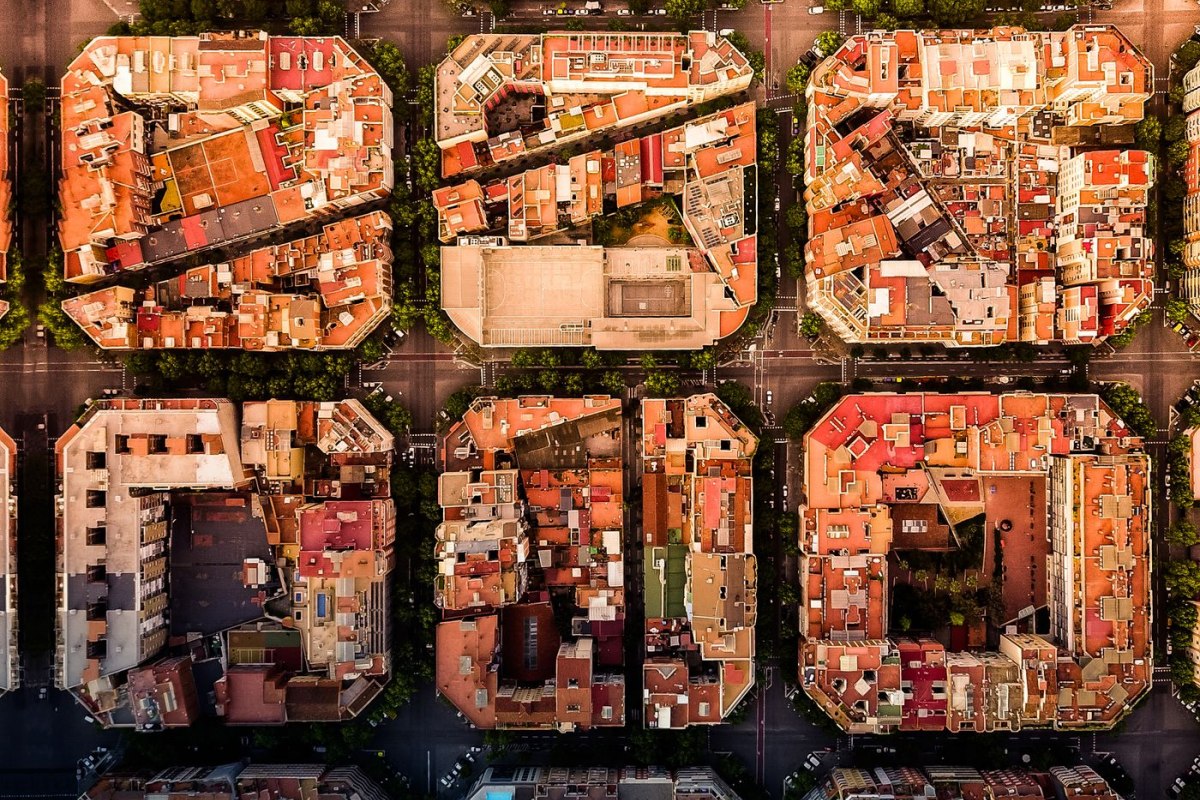
Eixample: the smart default
- Who it suits: first-timers, couples, families, anyone who wants to walk out among the big sights.
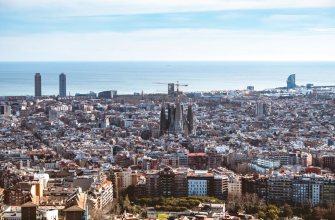
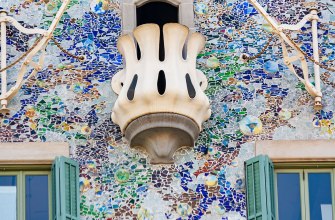
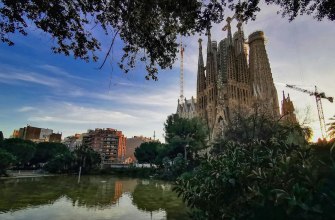
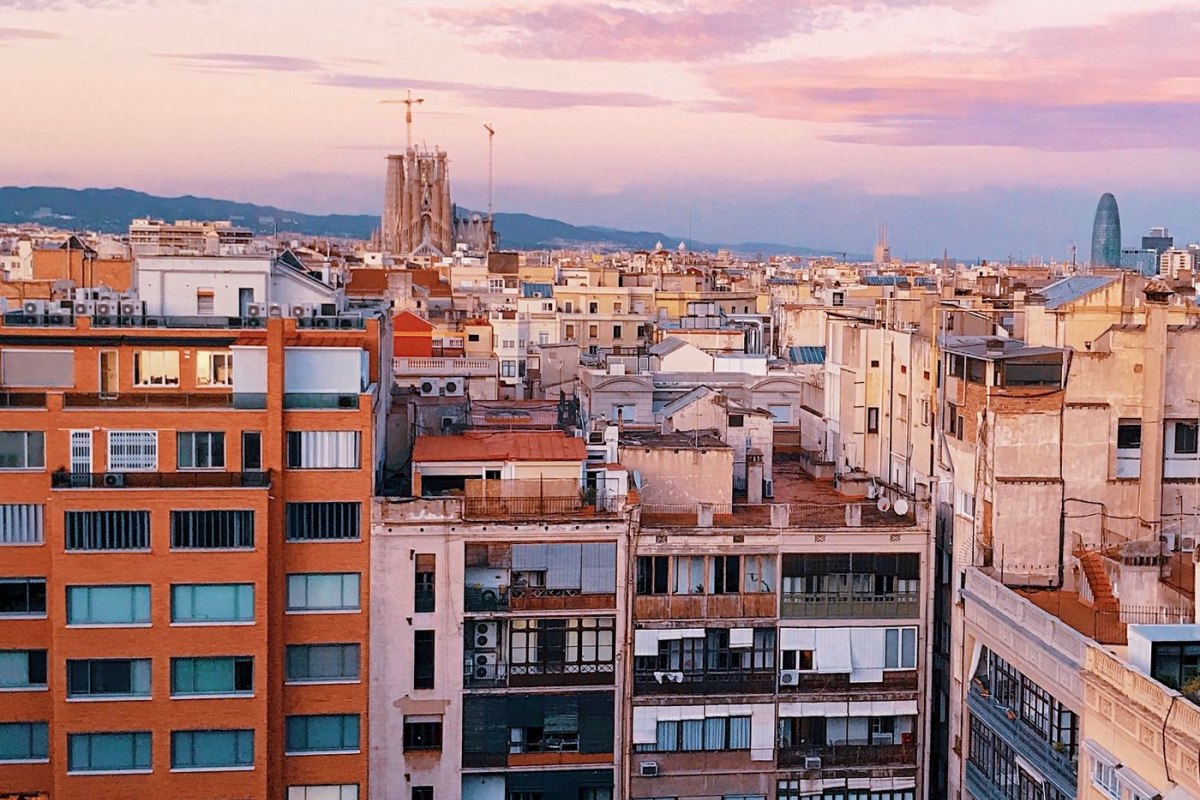
- The feel: wide grid avenues, grand Modernisme blocks, the Sagrada Família and Casa Batlló within reach, calm at night on the residential streets.
- The trade-off: it is large, so location matters within it. The Dreta (right side, toward the Sagrada Família) is the prime sightseeing base; the Esquerra (left) is quieter and better value; the area around Carrer del Consell de Cent, sometimes called the Gaixample, is the centre of gay nightlife.
- Metro: served by most lines; Passeig de Gràcia and Diagonal are the hubs.
Barri Gòtic and El Born: medieval and atmospheric
- Who it suits: couples and first-timers who want to step out into the old city.
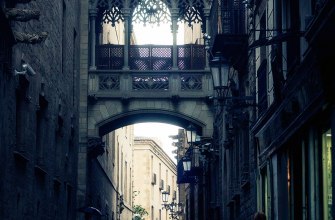
- The feel: narrow medieval lanes, hidden squares, the cathedral and the Picasso museum on your doorstep, tapas bars everywhere. El Born is the slightly calmer, more design-led half.
- The trade-off: noise. These streets stay loud well past midnight, stag and hen groups pass through, and the tourist density is the highest in the city. Ask for a courtyard-facing room.
- Metro: Jaume I and Liceu.
El Raval: cheap, central, mixed
- Who it suits: budget travellers and repeat visitors who want price and a real cross-section of the city.
- The feel: the most multicultural quarter, packed with galleries, the MACBA, cheap kitchens and late bars, a short walk from the Ramblas.
- The trade-off: it is honest to say the lower Raval, toward the port, has seedier and rougher pockets after dark. The upper Raval near the university is fine; pick your street.
- Metro: Liceu and Sant Antoni.
Gràcia: the village in the city
- Who it suits: returning visitors, longer stays, anyone who wants to live like a resident rather than tour.
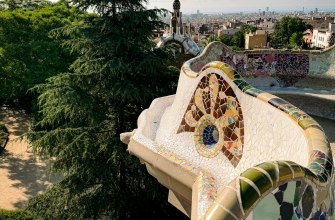
- The feel: a former separate town of low buildings, leafy plazas full of locals, independent shops and bars, the closest base to Park Güell.
- The trade-off: less central, so you ride the metro to the old town, and fewer marquee sights are on the doorstep. The August street festival makes it loud for a week.
- Metro: Fontana, Joanic and Lesseps.
Barceloneta: beach on the doorstep
- Who it suits: beach-first trips and seafood lovers who want sand a minute from the room.
- The feel: a tight grid of old fishermen’s blocks between the marina and the beach, seafood restaurants, a salty, sunny mood.
- The trade-off: the flats are small and the streets cramped, summer is crowded and hot, and this is the front line of the city’s overtourism tension, where residents have protested hardest. Stay respectful and quiet.
- Metro: Barceloneta.
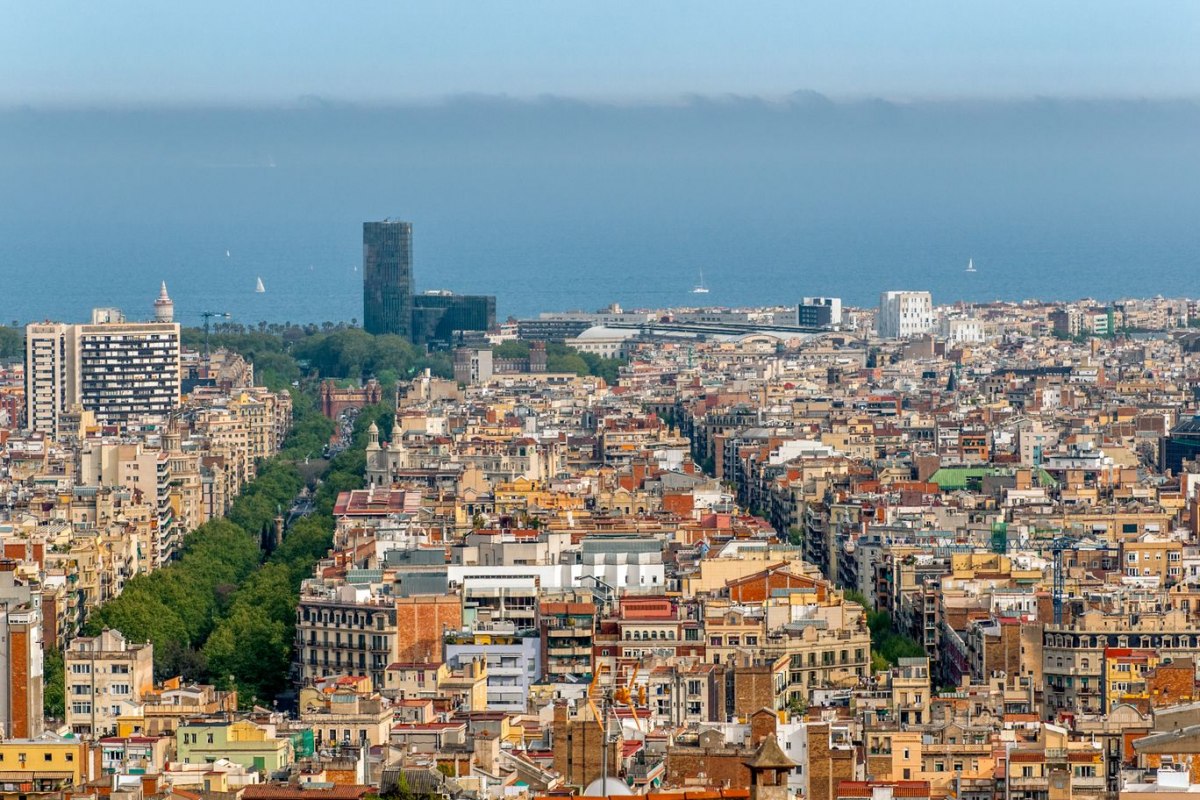
Poblenou: modern, calm, its own beaches
- Who it suits: longer stays, digital workers, families who want beach and quiet over old-town buzz.
- The feel: a former industrial district reborn as a design and tech quarter, with a long tree-lined rambla, its own quieter stretches of beach and a relaxed, residential air.
- The trade-off: a longer metro ride to the historic centre, and the sights are spread out rather than on the doorstep.
- Metro: Poblenou and Llacuna.
Sant Antoni and Poble-sec: value and food
- Who it suits: food-led travellers and anyone chasing value while staying central.
- The feel: Sant Antoni has a restored market and a wave of good restaurants; Poble-sec holds the tapas street Carrer de Blai and sits at the foot of Montjuïc. Both are calmer and cheaper than the old town next door.
- The trade-off: fewer headline sights, though everything is a short walk or metro away.
- Metro: Sant Antoni, Poble Sec and Paral·lel.
Sants and Les Corts: the transport base
- Who it suits: travellers taking day trips by train, or visiting on a budget near Camp Nou.
- The feel: functional, residential, built around Barcelona Sants, the main rail station for high-speed trains to Madrid, Valencia and beyond.
- The trade-off: not pretty and a little out, but unbeatable if your trip leans on the train.
- Metro: Sants Estació.
Sarrià-Sant Gervasi and upper Eixample: quiet and upscale
- Who it suits: families and travellers who want leafy calm and do not mind commuting in.
- The feel: affluent, green, low-key, with good restaurants and almost no tourists.
- The trade-off: uphill and away from the action, so you rely on the metro and the funicular-feel of the upper lines for everything.
- Metro: the green and brown lines up the hill.
Match the area to your trip
If you would rather start from the kind of traveller you are, here is the shortcut.
- First time, a few days: Eixample Dreta, near Passeig de Gràcia.
- Couple, romance and atmosphere: El Born or the Barri Gòtic, courtyard room.
- Family with children: upper Eixample or Poblenou, for space, quiet and a calmer pace.
- Budget or solo: El Raval or Sant Antoni for price and a central base.
- Nightlife: the Gaixample strip of the Eixample, or El Born.
- Beach above all: Barceloneta for proximity, Poblenou for calm.
- Business or a conference: the Eixample around Diagonal, or near Sants for the trains.
- Quiet and upmarket: Sarrià-Sant Gervasi.
Hotel, apartment, hostel or aparthotel?
The type of bed matters as much as the district, and one option carries a legal catch worth understanding before you book.
- Hotels are the simplest and the safest legally, with the tax handled at the desk and no licence question to worry about. The Eixample has the deepest range.
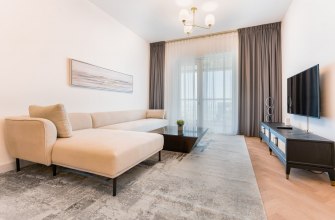
- Apartments and holiday flats give space, a kitchen and value for families or longer stays, but only if the flat is licensed. This is the option the city is phasing out, so book carefully. The full mechanics, and how to spot a legal listing, are in the Barcelona apartment rentals guide.
- Aparthotels are a useful middle ground: apartment-style units with a kitchen, run as a licensed hotel, so they sidestep the holiday-flat phase-out entirely.
- Hostels remain the budget anchor, concentrated in the Gòtic, Raval and Eixample, and fully legal as registered establishments.
The tax, the licence and the 2028 reality
This is the part no neighbourhood listicle tells you, and it is the part that protects your money and your booking. Barcelona is the most aggressive city in Spain on tourist accommodation, and the rules are tightening fast.
The tourist tax you will actually pay
Barcelona charges a stay tax in two layers: the Catalan regional tax, the IEET, plus a Barcelona-only city surcharge, the recàrrec, which the council is allowed to set as high as €8 a night. Together they give Barcelona the steepest accommodation tax in Spain. The current per-person, per-night rates run roughly:
- Five-star hotels: up to €12 a night, the top tier.
- Four-star hotels: about €8.40.
- Licensed tourist flats: about €9.50, taxed harder than a four-star hotel, a deliberate squeeze on holiday lets.
- Other hotels around €7, hostels about €6.
- Cruise passengers ashore for under twelve hours pay around €11, one of the highest port levies in Europe.
The tax runs only for the first seven nights of a stay, with 10 percent VAT added on top, and your hotel or host collects it on the final bill. Budget it in: a week for two in a mid-range hotel quietly adds a hundred euros to the trip.
The HUT licence and how to avoid an illegal flat
Every legal tourist flat in Catalonia must hold a HUT licence, the Habitatge d’Ús Turístic, and display its registration number on the listing. An unlicensed flat can be shut down with your booking inside it, so verifying the number is the single most useful thing you can do before paying.
- Look for the number. A legal Barcelona flat shows its HUT registration on the Airbnb, Booking or Vrbo listing. No number is a red flag.
- Cross-check it. The licence can be confirmed against the Catalan tourism registry; a genuine host will give the number without hesitation.
- The city is serious. Fines for operating without a licence reach up to €600,000, Barcelona has issued more than nine thousand of them since 2016, and a single case in the old town drew a €420,000 penalty for fourteen illegal flats. Illegal lets vanish from platforms without warning.
- Rooms in a shared flat let by the night are largely banned in the city, so a too-cheap private room is often an illegal listing.
The 2028 phase-out and the PEUAT zones
The bigger picture changes how you should think about flats at all. Under mayor Jaume Collboni, Barcelona has decided not to renew a single one of its 10,101 tourist-flat licences. As the last of them expire in November 2028, every legal holiday flat in the city loses its licence and reverts to ordinary housing, part of a council housing plan called Pla Viure. The replacement zoning rules will not even contain a category for tourist flats, so they cannot return.
Hotels are governed separately by the PEUAT, the accommodation zoning plan, which splits the city into four zones:
- Zone 1, decline: Ciutat Vella, parts of the Eixample, Barceloneta and Sants. No new beds of any kind, and any place that closes is not replaced.
- Zone 2, maintenance: around the Sagrada Família, Vila de Gràcia and part of Poblenou. A new opening is allowed only when an existing one shuts.
- Zone 3, limited growth: Sant Martí, Sant Andreu and much of Sants-Montjuïc.
- Zone 4, the outer districts, where a moratorium running since 2014 still freezes most new accommodation.
The upshot for a traveller: central beds are capped, the licensed-flat pool is shrinking toward zero and prices are climbing, so book a licensed place early and verify it. And the mood on the street is raw, with residents staging loud protests against overtourism, so staying legally and behaving like a guest in a neighbourhood, not a party, matters more here than almost anywhere in Europe.
Practical notes by area
- From the airport: the Aerobús runs to Plaça de Catalunya for the Eixample and old town; the R2 Nord train and the L9 Sud metro serve different sides of the city, so a base near a main interchange saves a transfer with luggage.
- On a cruise: stay near the old town or Barceloneta to reach the port easily, and remember the higher cruise tax noted above.
- Day-trip heavy trip: base near Sants station for the fast trains to Girona, Tarragona, Figueres and beyond.
- Safety: the affluent areas (upper Eixample, Sarrià, Poblenou) are calmest; pickpockets work the Ramblas, La Boqueria and the Gòtic, so the risk is theft, not violence.
- When prices spike: the Mobile World Congress in late winter, the summer peak, and the La Mercè festival in late September push rates up sharply, so book well ahead or shift your dates.
Frequently asked questions
What is the best area to stay in Barcelona for a first visit?
The Eixample, and the Dreta side near Passeig de Gràcia in particular. It is central, safe, quiet at night and surrounded by the Modernisme sights, with metro lines in every direction. From there you can adjust toward the old town for atmosphere or the beach for sand.
Is Barcelona safe to stay in?
Yes, with the usual city caution. Violent crime is rare; the real risk is pickpocketing on the Ramblas, in La Boqueria market and in the busy old-town lanes. The Eixample, Poblenou and the upper neighbourhoods are the calmest bases.
What is the cheapest area to stay in Barcelona?
El Raval and Sant Antoni offer the best value while staying central, and Sants is cheaper still if you do not mind being out by the station. Hostels cluster in the Raval, Gòtic and Eixample.
Where should families stay in Barcelona?
The upper Eixample and Poblenou suit families best, for space, quiet streets and a calmer pace, with Poblenou adding its own gentler beaches. Both stay well connected by metro.
Which area is best for the beach?
Barceloneta puts you a minute from the sand but is cramped and crowded in summer. Poblenou, a little further out, gives you quieter beaches and a more relaxed, residential base.
Are Airbnbs and holiday flats legal in Barcelona?
Only if licensed. A legal flat holds a HUT registration number that must appear on the listing, and renting a private room by the night is largely banned. Barcelona is also phasing out all tourist-flat licences by 2028, so book a verified licensed flat, an aparthotel or a hotel.
How much is the tourist tax in Barcelona?
It is charged per person per night for the first seven nights, plus 10 percent VAT, and scales with the accommodation: about €6 at a hostel, €9.50 in a licensed tourist flat and up to €12 at a five-star hotel. It combines the regional IEET and a Barcelona city surcharge that can reach €8 a night.
Sources
- Ajuntament de Barcelona – tourist-flat policy, the PEUAT plan and the licence phase-out
- Agència Tributària de Catalunya – the IEET stay tax mechanics and rates
- Barcelona Tourism – official visitor accommodation information
- Meet Barcelona – the city surcharge and responsible-stay guidance