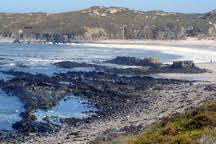
Grotto Bay is a quiet coastal village and private nature reserve on the Cape West Coast, set on the R27 road less than an hour north of Cape Town. It trades the crowds of the peninsula for an empty white-sand beach, a band of coastal fynbos that erupts into wildflowers in spring, and the long, low light of the West Coast. The reserve sits inside the Cape West Coast Biosphere, a conservation area recognised by UNESCO, which is why the bush and the birdlife feel so intact this close to a major city.
This guide covers the reserve itself, the flowers and the sea that draw people here, and the bigger West Coast attractions a short drive away, along with the practical detail for planning a visit.
The Grotto Bay Private Nature Reserve
Grotto Bay was proclaimed a private nature reserve in 2002, and it protects around 417 hectares of Strandveld and Sandveld, the hardy coastal bush of the West Coast, with a small residential estate occupying only a fraction of the land. The result is a place where homes sit lightly among protected veld rather than the other way round.
- Hiking trails: a network of four marked trails runs from a short 3-kilometre walk to a longer 13-kilometre route, threading through the fynbos and along the shore.
- Wildlife: the reserve shelters small antelope such as steenbok and duiker, along with tortoises and the occasional ostrich, moving through the low bush.
- Birdlife: more than 150 species have been recorded, making slow walks with binoculars one of the main pleasures of a stay.
Because the estate covers so little of the land, the reserve stays genuinely wild, and walking out from the houses you are quickly into open veld with the sea on one side and the bush on the other. It is the kind of low-key coastal retreat that South Africans return to year after year, valued for what it lacks as much as for what it has, with no high-rises and no strip of shops, just the beach, the trails and the birds.
Spring Wildflowers and Fynbos
The West Coast is famous for one short, spectacular season. For a few weeks from around late August into September, the Strandveld around Grotto Bay turns into a carpet of wildflowers, with daisies and vygies opening to the sun and the dull green veld briefly swept with orange, white and purple.
The flowers are best walked rather than driven, and they open fully only in sunshine, so a still, bright morning is the time to go. Beyond the daisies, the Strandveld holds a quiet wealth of bulbs and succulents, many of them found nowhere else on earth, that reward a closer look between the showier blooms. The same bloom colours the nearby reserves and the roadsides all along the R27, and the small inland town of Darling builds a whole spring festival around it. The fynbos here is part of the Cape Floral Kingdom, the richest and smallest of the world’s plant kingdoms, and shares its hardy character with the aloes of South Africa that flower later in the year.
The Beach and the Sea
The bay itself is a broad sweep of pale sand washed by the cold, clear Atlantic. The water is bracing rather than tropical, pushed up the coast by the Benguela current, but it rewards anyone who goes in, and the long beach is made for walking.
- Water activities: swimming, kayaking and paddleboarding suit the calmer days, and the surf draws in fishers casting for galjoen and other West Coast species.
- Whale watching: southern right whales move along this coast through the southern winter and spring, roughly July to November, and can be spotted from the shore.
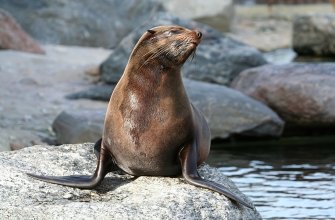
- Coastal wildlife: the rocks and islands off the West Coast are home to large colonies of the Cape fur seal, along with cormorants and the occasional dolphin.
West Coast National Park and Langebaan
A short drive north brings you to the West Coast National Park, built around the turquoise Langebaan lagoon, one of the finest stretches of the whole coast. The lagoon’s still, shallow water shifts through bands of blue and green, and its shores draw huge numbers of wading birds and flamingos. The lagoon is an internationally important wetland, and through the southern summer it fills with migrant waders that have flown the length of the planet from the Arctic to feed on its mudflats.
Inside the park, the Postberg section opens only in the spring flower season and is the single best place to see the West Coast bloom at its most intense, with antelope grazing among the flowers. Closer to Langebaan town, the West Coast Fossil Park preserves a five-million-year-old fossil bed where the bones of long-necked giraffe relatives, sabre-toothed cats and bears have been dug from the old phosphate mine.
Darling and the West Coast Road
The R27 itself is a destination on a slow day. Inland lies Darling, a farming town known for its spring flowers and its wine, and for the cabaret theatre Evita se Perron, the home of the satirist Pieter-Dirk Uys, set in the old railway station. Nearer the coast, the Khwa ttu centre tells the story of the San, the first people of southern Africa, and the fishing village character of the West Coast survives in the whitewashed Cape fisherman’s cottages strung along the shore.
The Cape West Coast Biosphere
Grotto Bay falls within the Cape West Coast Biosphere Reserve, recognised by UNESCO in 2000, which covers some 378,000 hectares from the mouth of the Diep River at Milnerton up to the Berg River at Velddrif. The designation is the reason development along this coast is kept in check, balancing the small towns and farms against the dune fields, wetlands and Strandveld that make the region one of the great botanical corners of the country.
Practical Tips for Visiting Grotto Bay
A few details help with planning a trip to the West Coast:
- Getting there: Grotto Bay is about 45 minutes to an hour from Cape Town on the R27, an easy drive that makes it workable even as a day trip, though it rewards a longer stay. The road runs straight and fast up the coast, and the turn-off to the bay is clearly signed.
- When to go: the spring flowers peak from late August into September, the whales pass between July and November, and the warm, dry summer is the time for the beach.
- Where to stay: accommodation in the reserve is mostly self-catering houses and cottages, many a short walk from the sand, so bring your own supplies for the quieter stretches.
- Dark skies: away from the city lights, the West Coast nights are excellent for stargazing, so plan an evening outdoors.
Frequently Asked Questions
Where is Grotto Bay?
Grotto Bay is a coastal village and private nature reserve on the Cape West Coast of the Western Cape, South Africa, on the R27 road less than an hour north of Cape Town and within the Cape West Coast Biosphere Reserve.
What is there to do at Grotto Bay?
The main draws are hiking the reserve’s fynbos and coastal trails, walking the long beach, birdwatching among more than 150 recorded species, swimming and kayaking in the bay, and watching for whales in season. The West Coast National Park and the town of Darling are short drives away.
When can you see the wildflowers?
The Strandveld around Grotto Bay and the wider West Coast blooms for a few weeks from late August into September. The flowers open fully only in sunshine, so a bright, still morning gives the best display, and the Postberg section of the West Coast National Park is the prime spot.
How far is Grotto Bay from the West Coast National Park?
The West Coast National Park and the Langebaan lagoon are a short drive north of Grotto Bay along the R27, close enough to combine with a stay or to visit on the same day.
Can you swim at Grotto Bay?
Yes, though the Atlantic here is cold, cooled by the Benguela current that runs up the West Coast. The bay has a long, sheltered sand beach suited to swimming, paddling and kayaking on calmer days.
Sources and Further Reading
- Grotto Bay Private Nature Reserve – the official site for the reserve and estate, with trails and conservation
- SANParks, West Coast National Park – the national park around the Langebaan lagoon, including the Postberg flower reserve
- Cape West Coast Biosphere Reserve – the UNESCO-recognised conservation area that includes Grotto Bay
- SA-Venues Grotto Bay guide – independent travel information for the village and reserve