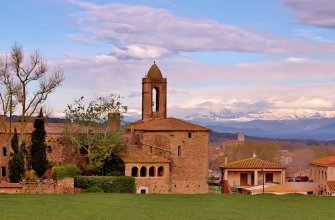
Barcelona sits inside an hour or two of a holy mountain, a Roman city, cava cellars, medieval streets and Salvador Dalí, and almost all of it is reachable by train without a car. The trips that disappoint are the ones planned vaguely; the ones that work come down to knowing the exact line, where it leaves from, how long it takes and whether you need to book. This guide gives that logistics for every worthwhile day trip from Barcelona, then helps you choose by how much time you have and what you are after.
It extends the day-trip notes in the wider things to do in Barcelona guide. Start early: most of these reward catching one of the first trains out.
The essential day trips
Each block below gives the practical detail first, because that is what decides whether a trip is a pleasure or a wasted morning.
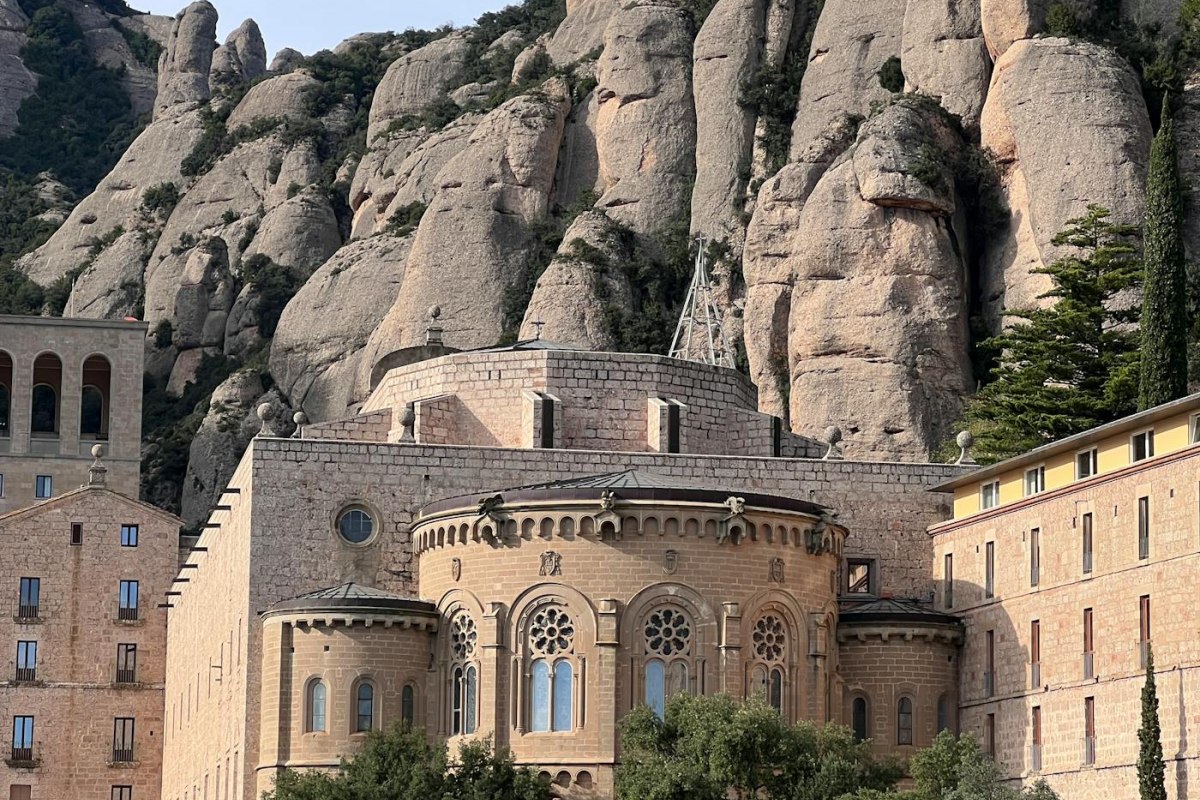
Montserrat: the holy mountain
- Getting there: the FGC train line R5 from Plaça Espanya, about an hour to the foot of the mountain. From there you finish the climb two ways: the Aeri cable car from Monistrol de Montserrat station, a five-minute swing up the cliff, or the Cremallera rack railway from Monistrol-Vila, around fifteen minutes and gentler on nerves.
- The ticket to buy: the combined passes sold at the FGC desk in Plaça Espanya. Trans Montserrat, about €43.80, bundles the train, your choice of cable car or rack railway, and the two mountain funiculars, Sant Joan climbing to the ridge and Santa Cova dropping to the holy grotto. Tot Montserrat, about €55, adds the monastery museum, the audiovisual show and a self-service lunch. Buy one and you skip every separate queue on the mountain.
- What to see: the Benedictine monastery, the Black Madonna (La Moreneta), the patron of Catalonia, and if you time it right the Escolania, one of Europe’s oldest boys’ choirs, which sings briefly at 1pm on weekdays and noon on Sundays for most of the year, apart from July. The two funiculars run up to the hermitages and viewpoints and down toward the Santa Cova grotto.
- How long, best for: a full day; nature walkers should take the upper funicular and hike the ridge to the Sant Jeroni summit for the view over Catalonia.
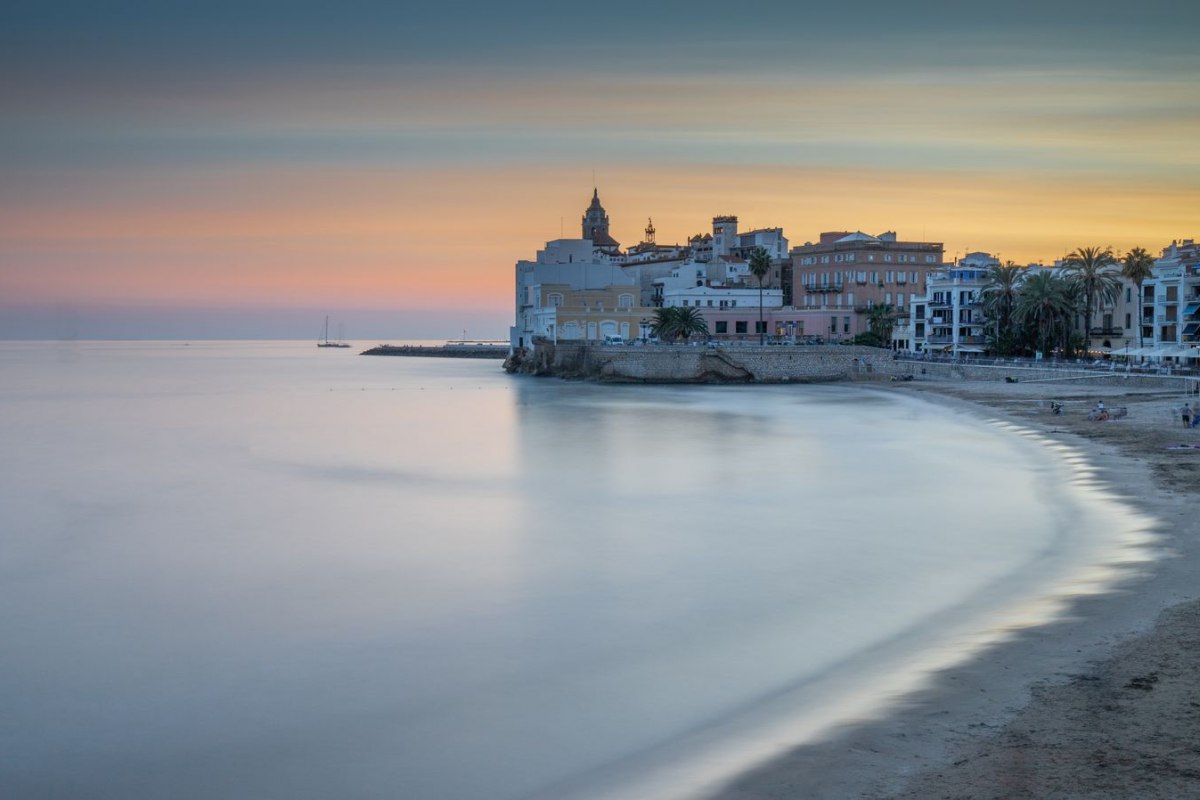
Sitges: the beach town
- Getting there: Rodalies line R2 Sud from Passeig de Gràcia or Sants, about forty minutes down the coast. No booking, just turn up and tap in.
- What to see: a Modernista seafront, seventeen beaches, the painter Santiago Rusiñol’s house-museum Cau Ferrat, and a famously open, lively scene; the town is a centre of gay travel and throws one of Spain’s biggest Carnivals.
- Two claims to fame: Sitges is the birthplace of Facundo Bacardí, who emigrated to Cuba and founded the Bacardí rum dynasty, and each October it hosts the Sitges Film Festival, the world’s leading fantasy and horror film event.
- How long, best for: a relaxed half or full day; the easiest beach escape from the city and the best for a swim with somewhere to eat afterwards.
Girona: the medieval city
- Getting there: from Barcelona Sants, the high-speed AVE or Avant reaches Girona in under forty minutes; the slower Rodalies R11 takes about an hour and twenty for less money. Book the fast train ahead for the cheap fares.
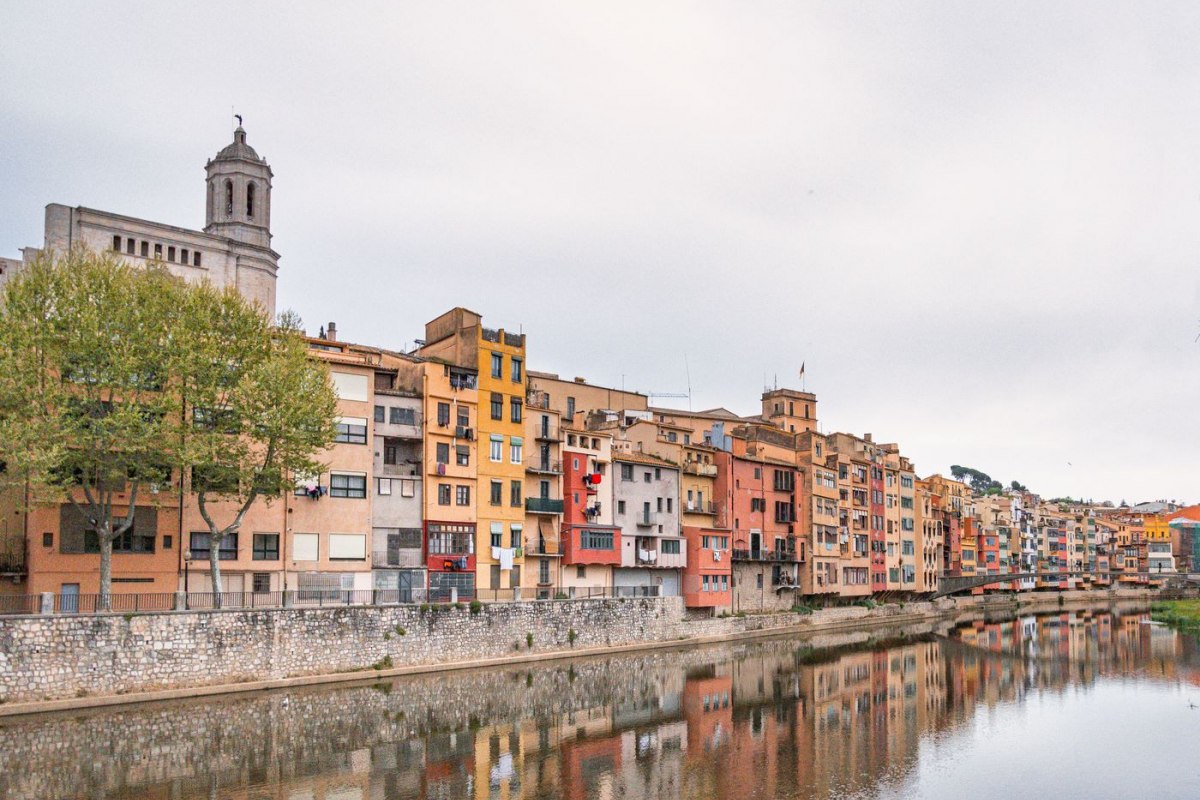
- What to see: the painted houses stacked along the Onyar river, the vast Gothic cathedral with the widest nave of its kind, whose steps featured in Game of Thrones, and the best-preserved Jewish Call, the medieval quarter, in the country.
- Two more reasons: the red iron footbridge over the Onyar was built by Gustave Eiffel’s company a decade before his Paris tower, and in mid-May the Temps de Flors festival fills the old town’s patios, courtyards and monuments with floral installations.
- How long, best for: a full day, and the natural jumping-off point for the Costa Brava beyond.
Figueres: the Dalí Theatre-Museum
- Getting there: the AVE or Avant from Barcelona Sants to Figueres-Vilafant in under an hour, then a short walk or shuttle into town. It pairs neatly with Girona on the same line.
- What to see: the Dalí Theatre-Museum, built by Salvador Dalí inside a ruined theatre in his home town and topped with giant eggs, the largest single collection of his work and his tomb. Book a timed ticket in advance on the museum’s own site; it sells out.
- How long, best for: a half day on its own, or a full day combined with Girona, ideal for art lovers.
Tarragona: Roman ruins by the sea
- Getting there: Rodalies R14, R15 or R16 from Sants or Passeig de Gràcia, about an hour and a quarter, dropping you in the town itself rather than the out-of-town high-speed station.
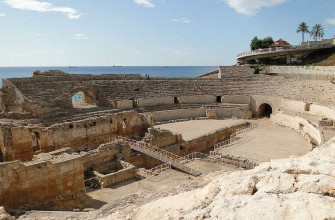
- What to see: a UNESCO set of Roman remains, an amphitheatre above the beach, the circus, the forum and the walls of ancient Tarraco. The full rundown is in the Tarragona things to do guide.
- How long, best for: a full day; the best history trip, and one of the few where ruins and a swim sit side by side.
Penedès: cava country
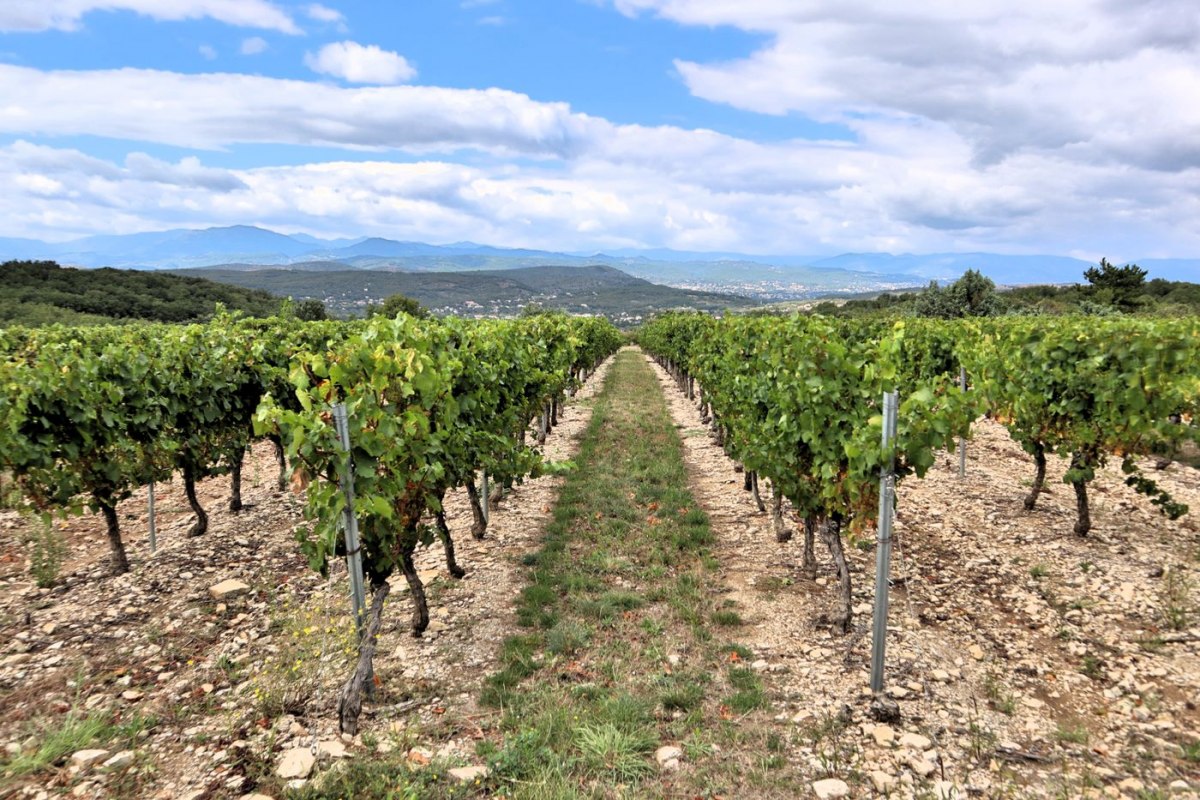
- Getting there: Rodalies line R4 from Sants or Plaça Catalunya to Sant Sadurní d’Anoia, the cava capital, in about forty-five minutes. Vilafranca del Penedès, the wine town, is a few stops further.
- What to see: the cellars where Catalan sparkling wine is made by the traditional method. Freixenet stands right by Sant Sadurní station, with daily tours including an English slot; Codorníu runs a tour on a little train through its modernista cellars. Both must be booked ahead, as you cannot simply walk in.
- How long, best for: a half or full day; the easiest wine trip, and the source of the cava you have been drinking in the city. See the food in Barcelona guide for the cava context.
Costa Brava: coves and Dalí’s house
- Getting there: this is the honest exception. The pretty coast is hard without a car. Tossa de Mar reaches Barcelona by direct bus in season; Cadaqués and Dalí’s house at Portlligat have no train at all and need a bus that usually changes at Figueres, well over two hours each way.
- What to see: walled Tossa above its bay, the white village of Cadaqués and the dreamlike Portlligat house Dalí built, and a string of coves. The wider area is covered in the Costa Brava guide.
- How long, best for: a long full day, and the one case where a tour or a hire car genuinely beats public transport.
Shorter and easier escapes
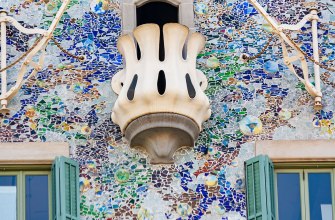
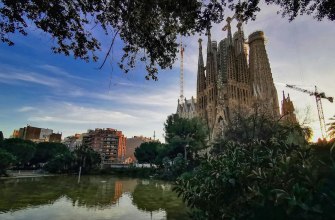
- Colònia Güell: Gaudí’s crypt and his structural test-bed sit twenty minutes out on the FGC, an easy half-day for anyone following the architect. It is covered in the Gaudí in Barcelona guide.
- Castelldefels: a long sandy beach a short Rodalies hop down the coast, for a quick swim without leaving the metropolitan area.
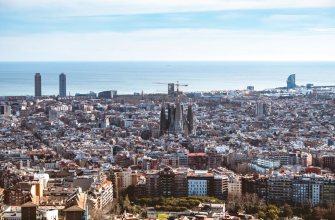
- Not a day trip: Montjuïc and the Bunkers del Carmel viewpoint are inside the city, not excursions; treat them as half-days within Barcelona itself.
How to do it: the trains explained
Three different rail systems serve the day trips, and knowing which is which saves confusion at the station.
- Rodalies (the R lines) are the regional commuter trains for Sitges, Tarragona, Penedès and the slow Girona route. They leave from Sants, Passeig de Gràcia and Estació de França, run often, and need no booking; buy at the machine or tap a travel card.
- FGC runs the separate R5 to Montserrat and the line to Colònia Güell, from Plaça Espanya.
- High-speed (AVE and Avant) covers Girona and Figueres fast from Sants; these are reserved-seat trains, so book ahead for the low fares and a guaranteed seat.
- Buses from Barcelona Nord are the only public option for Cadaqués and parts of the Costa Brava.
- When a tour wins: for the wineries, where you want to taste rather than drive, and for the Costa Brava, where transport is awkward. For everything else, the train is cheaper and just as easy.
Choose your day trip by interest
- Nature and hiking: Montserrat for the ridge walks and the funiculars.
- Beaches: Sitges for ease, the Costa Brava coves if you have a car.
- History and Roman ruins: Tarragona.
- Art and the dreamlike: Figueres for the Dalí museum, the coast for his Portlligat house.
- Wine and cava: the Penedès cellars.
- Medieval streets: Girona.
- With children: Sitges for the beach and Montserrat for the cable car and funiculars.
Frequently asked questions
What is the best day trip from Barcelona?
Montserrat is the classic for its scenery, monastery and ease by train, and Girona is the best for a medieval city in under forty minutes on the fast train. Choose Montserrat for nature, Girona for history, Sitges for a beach.
Can you do Montserrat without a tour?
Easily. Take the FGC R5 from Plaça Espanya, buy a Trans Montserrat or Tot Montserrat combined ticket at the station, and choose the cable car or the rack railway up. It is cheaper and more flexible than a guided tour.
How do you get to Sitges from Barcelona?
Take Rodalies R2 Sud from Passeig de Gràcia or Sants; it runs frequently and takes about forty minutes down the coast, with no booking needed.
Is Girona worth a day trip?
Yes. The painted riverfront, the huge Gothic cathedral and its Game of Thrones steps, and the medieval Jewish quarter make a full, walkable day, and the high-speed train gets you there in under forty minutes.
Do you need a car for day trips from Barcelona?
For most, no. Montserrat, Sitges, Girona, Figueres, Tarragona and the Penedès are all easy by train. A car only helps for the Costa Brava coves and Cadaqués, which the trains do not reach.
What is the closest beach town to Barcelona?
Sitges, about forty minutes by R2 Sud, is the closest proper beach town with a seafront and places to eat. Castelldefels is even nearer for a plain stretch of sand.
How do you visit the Dalí museum at Figueres?
Take the AVE or Avant from Barcelona Sants to Figueres-Vilafant, under an hour, then walk or shuttle into town. Book a timed ticket for the Dalí Theatre-Museum in advance on its own website, as it sells out.
Sources
- Rodalies de Catalunya – regional train lines and timetables
- FGC – the R5 to Montserrat and the Colònia Güell line
- Montserrat Visita – access, the monastery and the funiculars
- Fundació Gala-Salvador Dalí – the Figueres museum and Portlligat house
- Costa Brava Tourism – the coast and Cadaqués