The food in Barcelona is Catalan, not generic Spanish, and the difference is the whole point. There is no paella on a local family’s table, sangria is a drink locals leave to tourists, and the calendar decides what gets cooked: canelons the day after Christmas, char-grilled spring onions in late winter, cold tomato bread all year. This guide covers the dishes worth ordering, how the tapas and vermouth ritual actually works, the markets where people really eat, and the named, long-standing places to find the real thing, every one of them checked and still open.
It sits inside the wider things to do in Barcelona guide. Eat to the local clock: lunch is the big meal around two, dinner runs late from nine, and most kitchens close in between, so plan around it.
Catalan dishes to actually order
Order from the Catalan repertoire and you eat what the city eats. These are the plates that turn up again and again, from market counters to family kitchens.
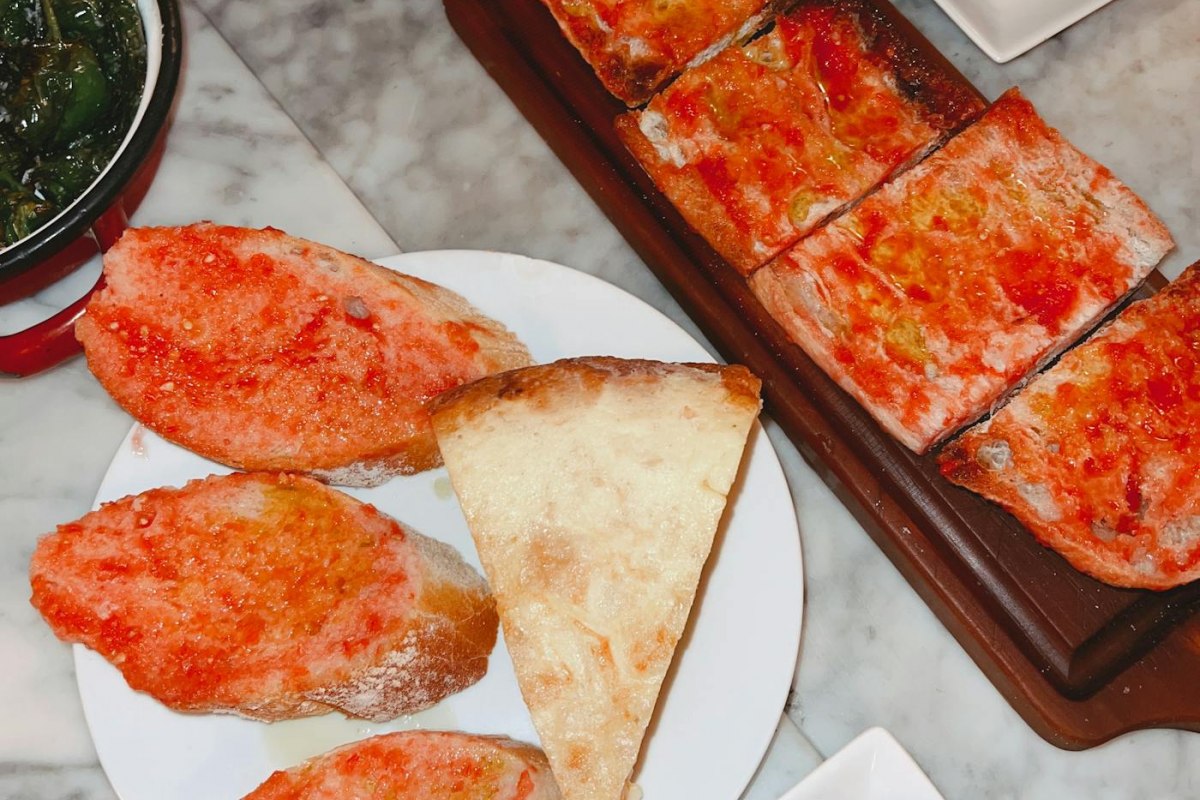
- Pa amb tomàquet: bread rubbed with ripe tomato, garlic, olive oil and salt. The base of every Catalan meal, served alongside almost everything.
- Escalivada: peppers, aubergine and onion slow-roasted over flame until smoky and soft, dressed with oil.
- Esqueixada: a cold salad of shredded raw salt cod with tomato, onion and olives, a summer staple.
- Calçots amb salvitxada: long sweet spring onions char-grilled black over vine cuttings, wrapped in newspaper to steam, then peeled by hand and eaten standing with your head tilted back. The authentic dip is salvitxada, the thicker Valls sauce built on the nyora pepper and the vitxo that gives it its name, not the better-known romesco. A cold-season ritual, the calçotada.
- Botifarra amb mongetes: grilled Catalan pork sausage with white beans fried in garlic, the plain, perfect heart of home cooking.
- Fideuà: the noodle cousin of paella, short pasta cooked in seafood stock and served with allioli, a Catalan dish in its own right rather than a paella substitute.
- Arròs negre: rice cooked black with squid ink, the local rice dish to order instead of tourist paella.
- Suquet de peix: a Catalan fisherman’s stew of fish, potato and saffron, the dish to eat by the sea in Barceloneta.
- Canelons: pasta tubes filled with rich meat, baked under béchamel. Eaten across Catalonia on Sant Esteve, the story behind which is below.
- Fricandó: slow-braised veal with wild moixernons mushrooms, a winter Sunday dish.
- Mar i muntanya: sea and mountain, the Catalan habit of cooking meat and seafood together, as in chicken with prawns or meatballs with cuttlefish.
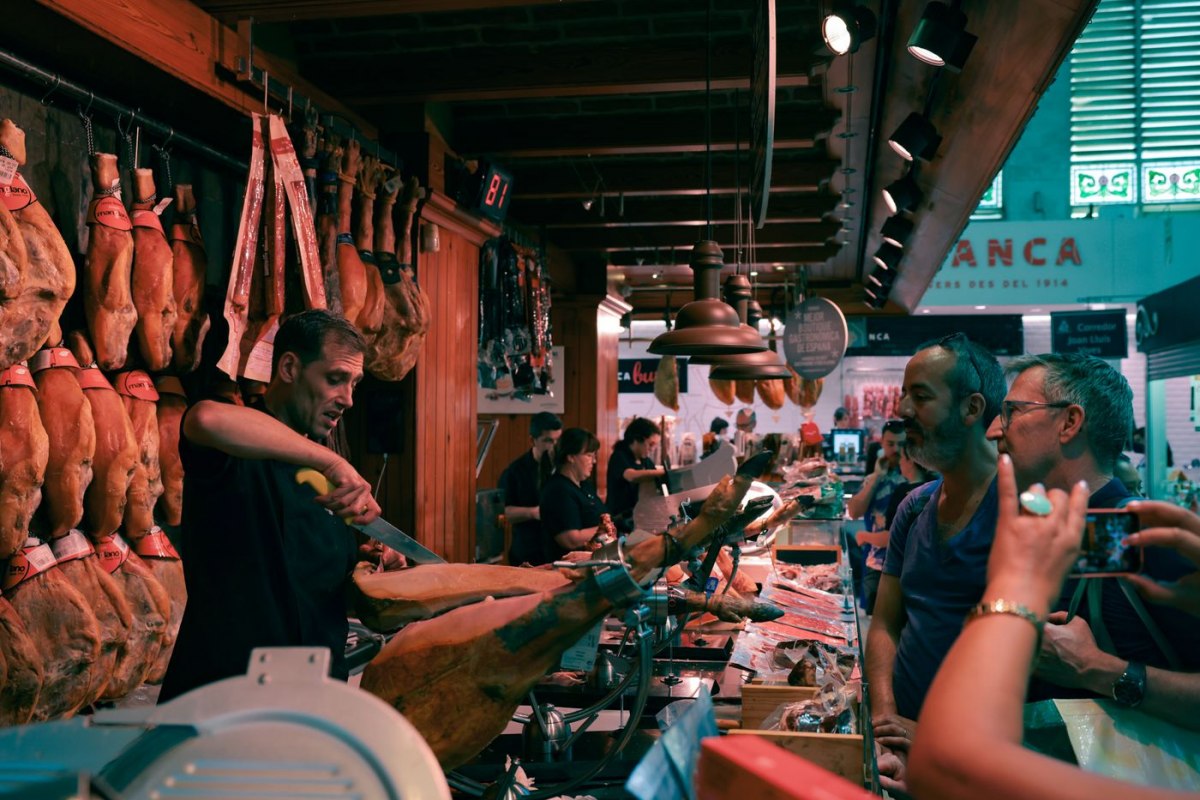
- The bikini: Barcelona’s name for a toasted ham-and-cheese sandwich, after the Sala Bikini nightclub whose house version grew so popular in the 1950s that drinkers started asking for one by the club’s name all over the city.
For the sweet end: crema catalana, the burnt-sugar custard that predates créme brûlée; mel i mató, fresh curd cheese with honey; panellets, marzipan and pine-nut bites eaten for the Castanyada at All Saints with sweet moscatell and roasted chestnuts, a feast that began as a meal of remembrance for the dead; and coca, the flat sweet or savoury pastry tied to festival days.
The canelons tradition, and why it matters
One dish carries a whole story that no tourist menu explains. On Sant Esteve, the 26th of December, Catalan families eat canelons, and the reason is thrift. The day-after-Christmas feast exists because medieval Catalonia, under the Carolingian world, set a celebration the day after each great religious holiday, and the canelons were a way to use up the Christmas roast. The Christmas Day meal before it is escudella i carn d’olla, a deep pot of meat, sausage and vegetables served with giant galets pasta shells, and the canelons recycle its leftovers the next day.
The detail that marks them as Catalan rather than Italian: local cooks first roast and braise the meat, then shred it for the filling, where Italians use raw minced meat. The dish itself arrived in Barcelona in the late 18th century with foreign cooks working the city’s first inns, and only became the fixed Sant Esteve dish in the early 20th century. Order canelons in any season and you are eating a piece of the Catalan calendar.
Tapas, vermut and how it works
Barcelona is a tapas city, but the etiquette is worth knowing so you order like a local rather than a tourist.
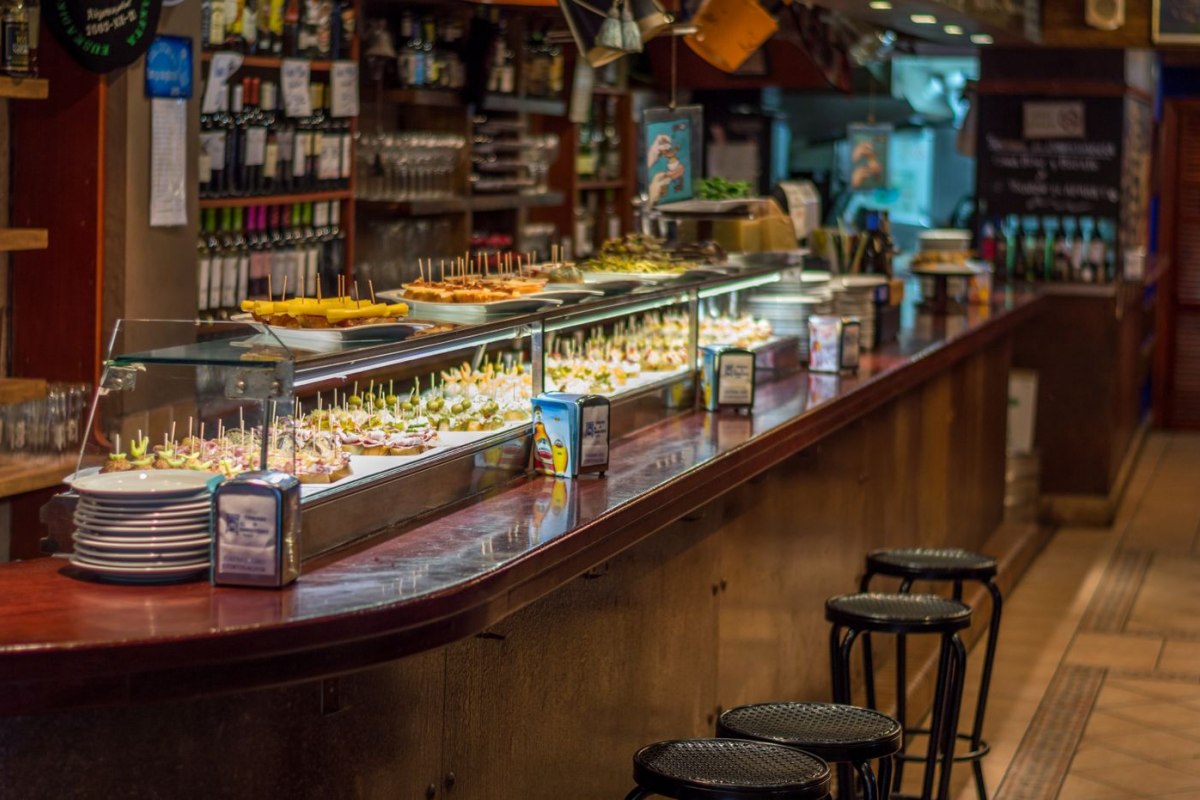
- Tapas versus pintxos: classic tapas are small plates you order from a menu. Basque-style pintxos, common on Carrer de Blai in Poble-sec, are snacks on bread laid out on the bar; you take what you want and the staff count the toothpicks to total your bill.
- Vermut: the pre-lunch ritual. Fer el vermut, to “do the vermouth,” means a glass of house vermouth on tap with olives, crisps or anchovies before Sunday lunch, and it is the most Catalan way to start a weekend meal.
- Raciones versus tapas: a ració is a larger sharing portion of the same dish, better value for two or more than ordering single tapas.
- Bodegas and cerveseries: the old wine-shop-bars pour wine and vermouth from the barrel with simple plates of conserves, the most atmospheric and cheapest places to drink and snack.
- Standing costs less: in traditional bars, eating at the counter is cheaper than taking a table, and faster.
The markets, where the city really eats
Barcelona’s covered markets are working food halls with counter bars inside, and they are the best value, freshest eating in the city if you know where to stand.
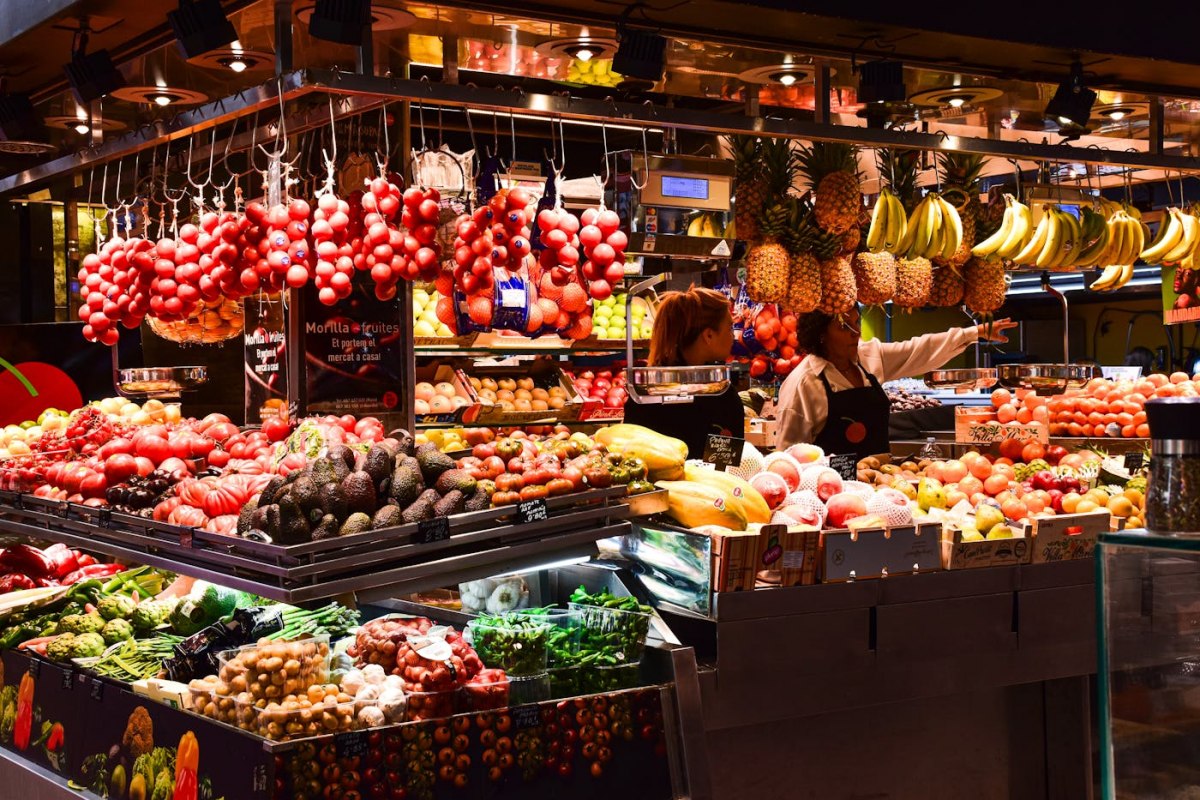
- La Boqueria: the famous market off La Rambla. Skip the front, where the bright fruit-juice and snack stalls are a tourist trap, and walk to the back counters. The stools at El Quim de la Boqueria and the historic Bar Pinotxo serve fried eggs with baby squid and Catalan tapas straight off the pass. Go in the morning before the tour crowds.
- Mercat de Sant Antoni: a restored 19th-century iron market loved by locals, with fair prices and far fewer tourists, plus a famous second-hand book and collectors’ market that takes over the surrounding streets on Sundays.
- Mercat de Santa Caterina: recognisable by its undulating, coloured mosaic roof, designed by Enric Miralles, with the strong Cuines de Santa Caterina restaurant inside.
- Mercat de la Llibertat: the neighbourhood market of Gràcia, in a modernista iron hall by Gaudí’s collaborator Francesc Berenguer, where you eat among residents rather than visitors.
Where to eat, by area, with names
The best eating clusters by district, and a few institutions have run for generations. These are all long-established and currently open; check the day, as several close on Sundays. It is worth lining your base up with where you want to eat, which the where to stay in Barcelona guide covers area by area.
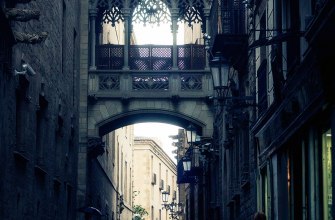
- Born and the Gòtic: the dense old-town tapas ground. El Xampanyet, a family cava and tapas bar on Carrer de Montcada by the Picasso museum, has poured its house sparkling xampanyet and served anchovies since 1929. It closes on Sundays.
- Poble-sec, Carrer de Blai: the pintxos street, bar after bar of toothpick snacks. A few doors off it, Quimet i Quimet, a tiny standing-only bodega run by the same family since 1914, builds montaditos to order from tinned conserves, a Barcelona institution.
- Barceloneta, for the sea: seafood, rice and the beachfront. La Cova Fumada, an unmarked bar near the Barceloneta market open since 1944, is the birthplace of the bomba, a fried potato ball stuffed with meat and topped with allioli and a spicy sauce, invented here by the founder’s grandmother. Nearby, the old barrel-wine bar Bodega l’Electricitat shows what the quarter ate generations ago.
- Gràcia: eat on the squares. The plaças of this former village fill with terrace tables and neighbourhood bars, slower and more local than the centre.
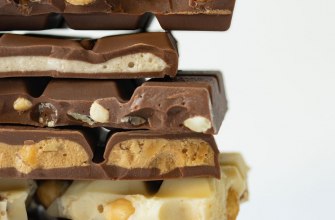
- Carrer de Petritxol, for chocolate: a narrow Gòtic lane of granjes, the old milk-and-chocolate cafes. Granja Dulcinea, open since 1941, and La Pallaresa, since 1947, both serve thick drinking chocolate with xurros, the classic Barcelona afternoon. For the wider story of the city’s chocolate trade, see the Chocolate Museum guide.
What to drink
- Cava: the Catalan sparkling wine, made by the traditional method in the Penedès wine country an hour from the city, which makes an easy day trip to the cellars.
- Vermut: house vermouth on tap, drunk before lunch with a soda splash and an olive.
- Estrella Damm: the local Barcelona beer, the default caña at any bar.
- Orxata and granissat: a chilled tiger-nut milk and a fruit slush, the summer non-alcoholic standbys.
- Cremat: a flamed rum-and-coffee drink from the Costa Brava fishing tradition.
- Skip the sangria: it is a tourist drink in Barcelona. Locals drink wine, vermouth, cava or a clara, beer with lemon soda.
Practical: times, value and tips
- Meal times: lunch from about two, dinner from nine, with kitchens shut in the long afternoon gap. Arrive at eight for dinner and you will be eating alone with other tourists.
- Menú del dia: the set weekday lunch, several courses with a drink at a fixed low price, is the best value meal in the city and what workers eat.
- Tipping: not expected as a percentage. Round up or leave small change for good service.
- Reservations: popular spots and all of the famous institutions fill fast; book ahead or arrive at opening, as the best small bars do not take bookings and form queues.
- Dietary needs: vegetarian options exist but Catalan cooking is meat and seafood heavy; coeliacs do better than they expect, as many rice and potato dishes are naturally gluten-free, but always ask.
- Festival food: the calçotada season runs roughly January to March, when restaurants outside the city lay on the spring-onion feast; coca and sweet wine mark Sant Joan in June; and La Mercè in late September fills the streets with food stalls.
- Food tours earn their cost here for the market and bodega access and the etiquette, especially early in a trip.
Frequently asked questions
What food is Barcelona known for?
Catalan cooking rather than generic Spanish: pa amb tomàquet, calçots with romesco, botifarra with beans, seafood rice like arròs negre and fideuà, canelons, and crema catalana for dessert. Tapas and vermouth culture run through all of it.
Do locals in Barcelona eat paella?
Rarely, and almost never the versions sold along La Rambla, which are often frozen and reheated. Paella is Valencian; Catalans eat their own rice dishes, arròs negre, fideuà and seafood rice, usually in Barceloneta or a proper rice restaurant, not on the tourist strip.
What is the best area for tapas in Barcelona?
The Born and Gòtic for the old-town crawl, Poble-sec’s Carrer de Blai for pintxos, and Barceloneta for seafood tapas. Each has long-running bars worth seeking out over the busy central chains.
Is La Boqueria market worth visiting?
Yes, if you go in the morning and head to the back. The front stalls near La Rambla are a tourist trap of overpriced juices; the counter bars deeper inside serve some of the best, freshest food in the city.
What is vermut?
Vermut is house vermouth, a fortified, herb-infused wine served on tap before lunch with olives or anchovies. Fer el vermut, doing the vermouth, is the Catalan weekend ritual of a pre-lunch drink and snack.
What should you eat for breakfast in Barcelona?
A light coffee with pastry or pa amb tomàquet early, and on a treat morning, thick drinking chocolate with xurros at one of the historic granjes on Carrer de Petritxol. Many locals also take a mid-morning second breakfast of a small sandwich.
What is the best food market in Barcelona?
La Boqueria is the most spectacular, but Mercat de Sant Antoni is the local favourite for fair prices and atmosphere, and Santa Caterina is the most relaxed. All three have counter bars where you can eat on the spot.
Sources
- Ajuntament de Barcelona – city markets and gastronomy
- Mercat de la Boqueria – the market and its stalls
- Barcelona Tourism – food and drink visitor information
- Catalan Tourist Board – Catalan cuisine, calçotada and regional products