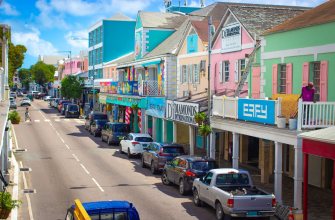
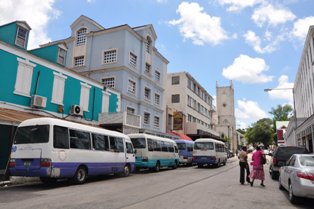
Nassau’s jitney buses are the primary public transportation system on New Providence Island, running 42 numbered routes that connect downtown Bay Street to Cable Beach, the eastern residential districts, and the western suburbs. A single ride costs $1.25 to $1.50, making jitneys the cheapest way to travel across the Bahamian capital. The buses operate from roughly 6:00 AM to 7:00 PM on weekdays with reduced service on Sundays, and they stop anywhere along their route when a passenger waves from the curb or pulls the cord inside the bus. Cruise ship passengers, resort guests, and long-term visitors all use the jitney network, though the system has no printed maps at stops and no fixed timetable – a fact that confuses first-time riders until they learn how the system works. The jitney network has run continuously since the 1920s and remains the backbone of daily transport for the roughly 280,000 residents of New Providence Island. For tourists arriving by cruise ship at Prince George Wharf, the East Hill Bus Depot sits a short walk south, putting the entire western coastline within reach for pocket change.
How the Nassau Jitney System Operates
Jitneys in Nassau are privately owned minibuses that seat between 20 and 35 passengers. Each bus carries a route number displayed on the front windshield and sometimes on a side panel. Drivers own or lease their vehicles and operate along government-assigned routes, collecting fares directly from passengers as they board. There is no central dispatch, no electronic tracking, and no app – the system runs on the regularity of drivers covering their routes throughout the day.
The main hub sits at the East Hill Street Bus Depot in downtown Nassau, a few blocks south of Bay Street and the cruise ship terminal at Prince George Wharf. Most routes originate or pass through this depot, making it the easiest place to find a specific bus number. Buses depart when they have enough passengers or at the driver’s discretion, typically every 10 to 20 minutes on popular routes during weekday mornings and afternoons. Frequency drops in the early afternoon and on Sundays.
Exact change is mandatory. Drivers do not carry cash to make change. A $1.25 fare requires one dollar bill and a quarter, or five quarters. Some routes charge $1.50 for longer distances. Children ride for $1.00 on most routes. No passes, cards, or electronic payment systems exist – bring coins and small bills.
Route 10: The Tourist Route to Cable Beach
Route 10 is the jitney line that matters most to visitors. It runs from downtown Nassau westward along the coast to Cable Beach, passing a concentration of hotels, restaurants, and attractions along the way. The route starts near the Straw Market on Bay Street, heads along West Bay Street past the Western Esplanade beach, then passes Fort Charlotte, Ardastra Gardens, and the Arawak Cay Fish Fry before reaching the Cable Beach hotel strip, including properties like Baha Mar, Sandals, and the former Wyndham site.
The #10 runs from approximately 6:00 AM to 6:00 PM daily. Buses pass every 10 to 15 minutes during peak hours. Passengers can board at the Bay Street starting point or flag the bus down at any point along the route. To exit, pull the cord or call out to the driver. The full one-way trip takes 20 to 30 minutes depending on traffic and stops.
Routes 10A and 10B extend the basic #10 path with variations that reach further west along the coast or loop through residential areas south of Cable Beach. The route numbers change at specific turning points, so asking the driver before boarding saves confusion.
Eastern Routes and the Paradise Island Problem
Routes 1, 9, 9A, 9B, 19, 21, 21A, and 23 run east from downtown Nassau through residential neighborhoods toward the eastern end of New Providence. These routes serve local commuters more than tourists, passing through areas like Fox Hill, Yamacraw, and the eastern shopping plazas.
Jitneys cannot cross the bridges to Paradise Island. The bridge authority restricts bus traffic, so passengers heading to Atlantis or other Paradise Island resorts need alternative transport. Water taxis run from Prince George Wharf downtown to Paradise Island in roughly 10 minutes, charging a few dollars per person each way. Standard taxis also make the crossing, though the fare jumps to $6-$10 depending on the time and number of passengers. This gap in the jitney network catches many visitors off guard – the assumption that public buses reach the island’s largest resort complex is reasonable but wrong.
Key Jitney Routes for Visitors
- Route 10 / 10A / 10B – downtown to Cable Beach (hotels, Fish Fry, Fort Charlotte, Ardastra Gardens)
- Route 1 – downtown east along Shirley Street to the eastern end of the island
- Route 9 / 9A / 9B – downtown south and east through Fox Hill and Yamacraw
- Route 12 – downtown to the western tip of New Providence via JFK Drive
- Route 15 – downtown south through the Blue Hill Road corridor to the airport area
- Route 21 / 21A – downtown east to the foot of the Paradise Island bridge (but not across it)
History of the Jitney System
Jitneys have operated in Nassau since the 1920s, when privately owned vehicles began offering rides along informal routes for a nickel – the original meaning of the word “jitney” in American slang. The Bahamian government formalized the system in the 1940s by assigning numbered routes and licensing individual operators. Unlike cities that built public transit agencies with centralized fleets, Nassau kept the owner-operator model, meaning each driver owns or leases the bus and keeps the fares collected during the day.
The Road Traffic Department regulates routes, sets maximum fares, and inspects vehicles, but daily operations depend on individual drivers. This structure explains the inconsistency visitors notice: some buses arrive every 10 minutes, others take 25 minutes on the same route. Driver income depends directly on passenger volume, so popular routes like the #10 attract more buses than residential routes in the eastern districts. The government has discussed introducing a centralized public bus system with GPS tracking and fixed schedules several times since the early 2000s, but the owner-operator model has proven resistant to reform.
Jitney vs. Other Transport in Nassau
Taxis in Nassau are unmetered for most trips. Drivers post set rates for common routes: approximately $12 from the cruise port to Cable Beach, $25 to the airport, $6 to Paradise Island. For solo travelers, a taxi costs 8 to 10 times more than a jitney on the same route. For groups of four, the per-person difference narrows to $3 versus $1.25 on a Cable Beach trip, making taxis more competitive for families.
Rental cars are available from agencies near the airport and in downtown Nassau, but driving follows the British left-hand pattern – a challenge for visitors from right-hand-drive countries. Traffic congestion on Bay Street and along the Cable Beach corridor during cruise ship days can turn a 15-minute drive into a 45-minute crawl. Parking near popular beaches is limited and sometimes charged.
Water taxis operate fixed routes from Prince George Wharf to Paradise Island and from Arawak Cay to neighboring keys. The Paradise Island crossing costs $4-$6 each way and runs roughly every 30 minutes during the day. Some hotels on Paradise Island operate private shuttle boats for guests, eliminating the need for either jitneys or water taxis for those staying at the resort.
Practical Tips for Riding Nassau Jitneys
Flag the bus from the curb by raising your hand clearly as it approaches. Drivers will stop if they have space and if the route passes your location. Inside the bus, call out “bus stop” or pull the cord at any point along the route to exit – there are few marked stops, and the system runs on verbal communication between passengers and drivers.
Air conditioning varies by vehicle. Some jitneys run full AC, others open the windows. Seating is first-come, first-served. During morning and evening commute hours, buses on popular routes fill up and may pass standing passengers without stopping. The noon to 2:00 PM window offers the most available seats.
Jitneys do not run after dark. Passengers needing transport after 7:00 PM must use taxis, which are metered for short trips and negotiate flat rates for longer ones. The taxi stand at the cruise port charges set rates to major destinations: roughly $12 to Cable Beach, $25 to the airport, and $6 to Paradise Island via the bridge. For groups of three or four, a taxi to Cable Beach costs only a few dollars more per person than four jitney fares, making the cost advantage less dramatic for group travel.
Shore excursion operators at the cruise terminal offer guided bus tours that follow routes similar to the #10 jitney line but at $35-$50 per person. Riding the actual jitney covers the same ground for $1.25, though without narration or guaranteed seating. The trade-off between cost and convenience depends on comfort level with unstructured public transit.
Frequently Asked Questions
How much does a Nassau jitney cost?
A single jitney ride costs $1.25 to $1.50 depending on the route. Children ride for $1.00. Exact change is required because drivers do not carry cash for change. No passes, cards, or electronic payment exist.
Can jitneys take you to Paradise Island?
Jitneys cannot cross the bridges to Paradise Island. Route 21 reaches the foot of the bridge but does not cross it. Water taxis from Prince George Wharf or regular taxis are the alternatives, costing a few dollars and $6-$10 respectively.
What is the best jitney route for tourists in Nassau?
Route 10 runs from downtown Bay Street to Cable Beach, passing Fort Charlotte, Ardastra Gardens, the Fish Fry at Arawak Cay, and the major Cable Beach hotels. It runs every 10-15 minutes during peak hours and costs $1.25.
Do jitneys run at night in Nassau?
Jitneys operate from approximately 6:00 AM to 7:00 PM on weekdays with reduced service on Sundays. There is no nighttime jitney service. Taxis are the only option after dark, with metered or flat-rate pricing depending on distance.
Sources and Further Reading
- Bahama Atlas – Public Transportation in Nassau (bahamaatlas.com)
- Bahamas Government – Official Bus Routes, Road Traffic Department (bahamas.gov.bs)
- Nassau Paradise Island – Getting Around (nassauparadiseisland.com, official tourism board)
- Real Journey Travels – How to Use the Local Jitney Bus in Nassau: 2026 Guide (realjourneytravels.com)