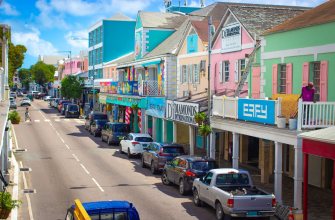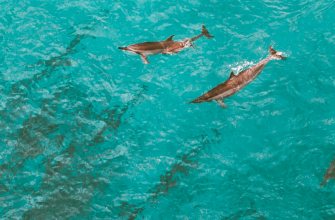
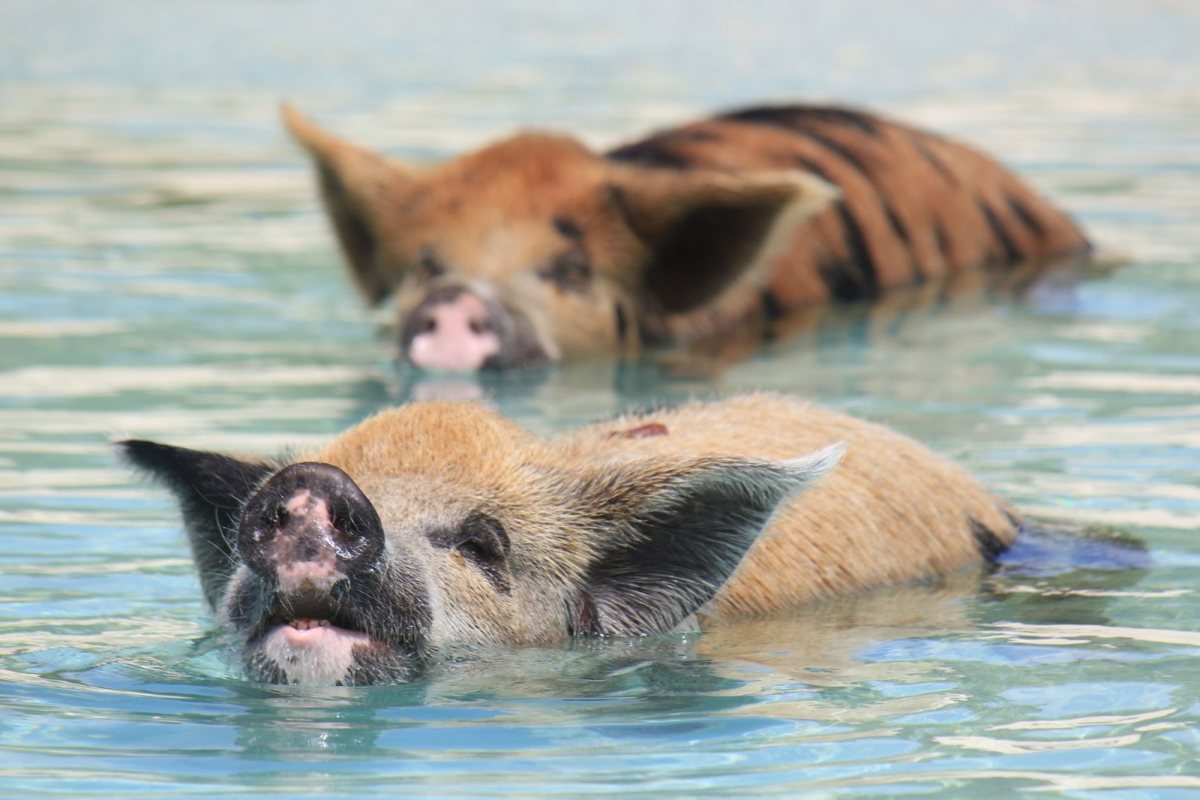
The swimming pigs of the Exumas live on an uninhabited cay called Big Major Cay, where a colony of feral pigs wades into the turquoise shallows and paddles out to meet arriving boats. The image has made the spot famous, but it sits far south of Nassau, and reaching it is a full day’s commitment rather than a quick beach stop. This guide covers where the pigs are, the truth about how they got there, the rules that now protect them, and the realistic ways to visit from Nassau.
Big Major Cay, often called Pig Beach, lies near Staniel Cay in the middle of the Exuma chain, well over eighty miles south of Nassau. That distance shapes everything about a visit, so it is worth understanding before you book a long boat ride on a hunch.
Where the Swimming Pigs Live
The pigs are not a managed petting zoo but a feral colony on an otherwise empty island. They came to associate boats with food and learned to swim out to them, and over the years the daily arrival of tour boats turned a local curiosity into a national attraction.
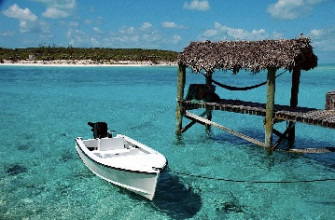
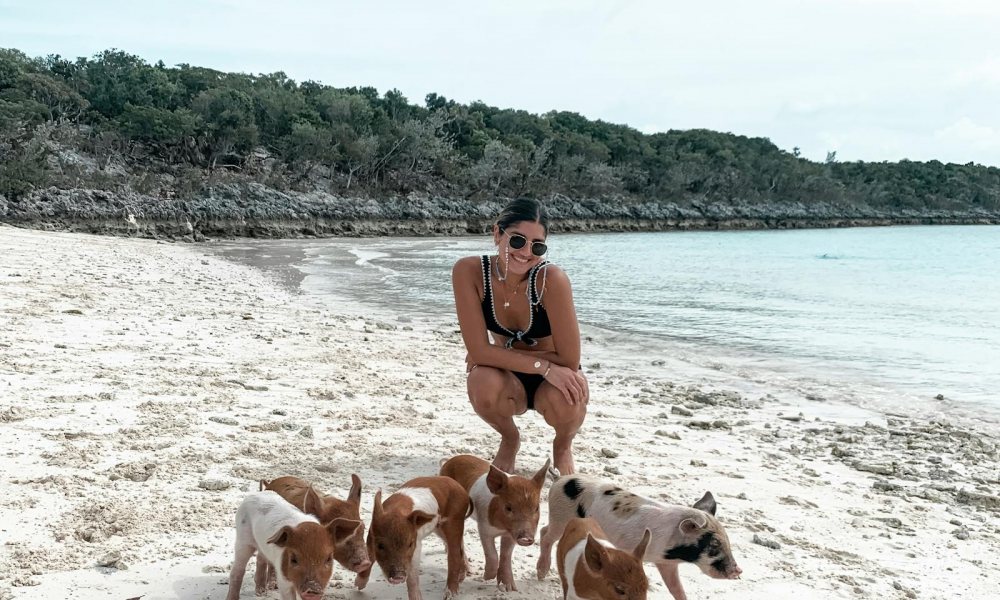
- The setting: a crescent of pale beach on an uninhabited cay, with the pigs lounging in the shade and wading into the shallows when boats appear.
- The behaviour: the bolder animals swim out to the boats, while sows and piglets tend to stay on the sand, so the swimming is real but not guaranteed on demand.
- The neighbours: Staniel Cay, a tiny settlement with an airstrip and a yacht club, is the jumping-off point and the reason boats can reach the pigs at all.
How the Pigs Got There
Nobody can say for certain how the pigs reached Big Major Cay, and the honest answer is that the origin is folklore. Several stories circulate, each plausible and none proven.
- The sailors’ tale: that passing sailors left the pigs to come back later for a meal of pork, and never returned.
- The shipwreck tale: that pigs swam ashore from a wreck and bred on the empty cay.
- The local tale: that Staniel Cay residents put them on the island to raise away from the settlement, keeping the smell and the mess offshore.
Treat any guide who states one version as hard fact with mild suspicion, because the truth simply is not recorded.
The 2017 Deaths and the New Rules
The pigs are a cautionary tale as much as a photo opportunity. In 2017 several pigs were found dead, and early rumours blamed tourists feeding them alcohol. The autopsies told a duller, sadder story: the animals had swallowed large amounts of sand while hoovering up food that visitors had scattered on the beach, made worse by a shortage of fresh water.
The response tightened the rules around the colony. The authorities moved to stop unmanaged feeding, set boundaries, and put the pigs under closer oversight, and responsible operators now follow a simple etiquette.
- Feed only what is allowed: vegetables, fruit and fresh water, handed over in the water rather than scattered on the sand where it picks up grit.
- No junk, no alcohol: the human snacks and drinks that early visitors offered are exactly what harmed the animals.
- Keep your distance with the piglets: a half-tonne of excited pig is strong, and the sows are protective, so let them come to you.
- Mind the sunburn: the pigs have little protection from the sun, which is part of why crowding and stress are discouraged.
Getting There From Nassau
This is where honesty matters. Big Major Cay is a long way from Nassau, and there is no quick version of the trip.
- The full-day powerboat: a fast boat runs south from Nassau in something over two hours each way, a long and often rough crossing that makes for an eight-hour-plus day, hard on anyone prone to seasickness.
- The day flight: a short flight from Nassau to Staniel Cay or Exuma, then a boat to the pigs, which cuts the sea time sharply but costs more.
- Basing in the Exumas: the easiest option of all is to stay at Staniel Cay or in the Exumas, putting the pigs and the other cays within a short boat ride.
For a cruise passenger, the trip eats almost the whole port day and leaves no margin, so book the cruise line’s version for its return guarantee or pick an early flight-based tour, as set out in our guide to Nassau shore excursions.
The Other Exuma Cays Worth the Trip
The long journey makes more sense when you know the pigs are one stop among several on a typical Exuma day tour.
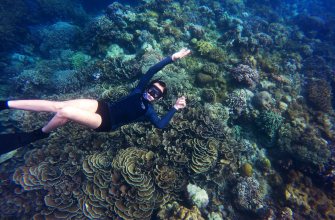
- Thunderball Grotto: a snorkelling cave off Staniel Cay, lit by shafts of light through holes in the roof, used as a location in the James Bond films Thunderball and Never Say Never Again. It is best entered at low tide.
- Compass Cay nurse sharks: a marina where harmless nurse sharks gather in the shallows and let visitors wade among them.
- Allen’s Cay iguanas: a cay populated by the endangered Bahamian rock iguana, a protected endemic reptile found on only a few islands.
- Sandbars and Rachel’s Bubble Bath: shallow turquoise sand flats and a natural tidal pool that churns when the swell pushes over the rocks.
Much of this water lies within the Exuma Cays Land and Sea Park, run by the Bahamas National Trust as a no-take reserve, one of the first parks of its kind in the world, which is part of why the cays stay so rich.
Planning the Trip
A long day to the Exumas rewards a little preparation, and the season and the sea state matter more than for a beach near town.
- The best season: the calmer, drier months from late autumn to spring give the flattest crossing and the clearest water at Thunderball Grotto, while summer adds heat and the risk of storms.
- Seasickness: the powerboat run across open water can be rough, so anyone prone to motion sickness should take something before boarding or choose the flight option instead.
- What to bring: a hat and strong sun cover for an exposed day on the water, motion-sickness tablets, a waterproof bag, and a little cash for the marina and park fees the cays charge.
- Who it suits: active travellers happy with a long day afloat, rather than very young children, the frail, or anyone who only has a short window in port.
If the journey sounds like too much, the dolphins and sea lions at Blue Lagoon Island sit a short ferry from Nassau, and the reefs in our guide to snorkelling around Nassau deliver the turquoise water without the long crossing. For the wider day, see things to do in Nassau.
Frequently Asked Questions
Where are the swimming pigs in the Bahamas?
They live on Big Major Cay, also called Pig Beach, an uninhabited island near Staniel Cay in the Exuma chain, well over eighty miles south of Nassau. The pigs are feral and swim out to boats that arrive at the beach.
Can you visit the swimming pigs on a day trip from Nassau?
Yes, but it is a long day. A fast boat takes over two hours each way, while a flight to Staniel Cay or Exuma followed by a boat is quicker and pricier. The trip fills almost a whole cruise day, so plan it carefully and keep a return buffer.
How did the pigs get to the island?
No one knows for sure. The stories range from sailors leaving them for later meat, to pigs swimming ashore from a wreck, to Staniel Cay residents placing them there. All are folklore, and the real origin is not recorded.
Is it safe to feed the swimming pigs?
Only within the rules. After several pigs died in 2017 from swallowing sand alongside scattered food, feeding was restricted to vegetables, fruit and fresh water given in the water, with no junk food or alcohol. Keep your distance from the larger sows and let the animals come to you.
What else do you see on an Exuma swimming pigs tour?
Most full-day tours pair the pigs with other Exuma stops: Thunderball Grotto, the James Bond snorkelling cave off Staniel Cay, the nurse sharks at Compass Cay, the endangered rock iguanas of Allen’s Cay, and the sandbars and tidal pools of the cays, much of it inside the protected Exuma Cays Land and Sea Park.
Sources and Further Reading
- Bahamas Ministry of Tourism – the official guide to the Exumas and the swimming pigs
- Bahamas National Trust – the body that runs the Exuma Cays Land and Sea Park reserve
- Staniel Cay Yacht Club – the settlement and marina that serves as the base for Pig Beach and Thunderball Grotto