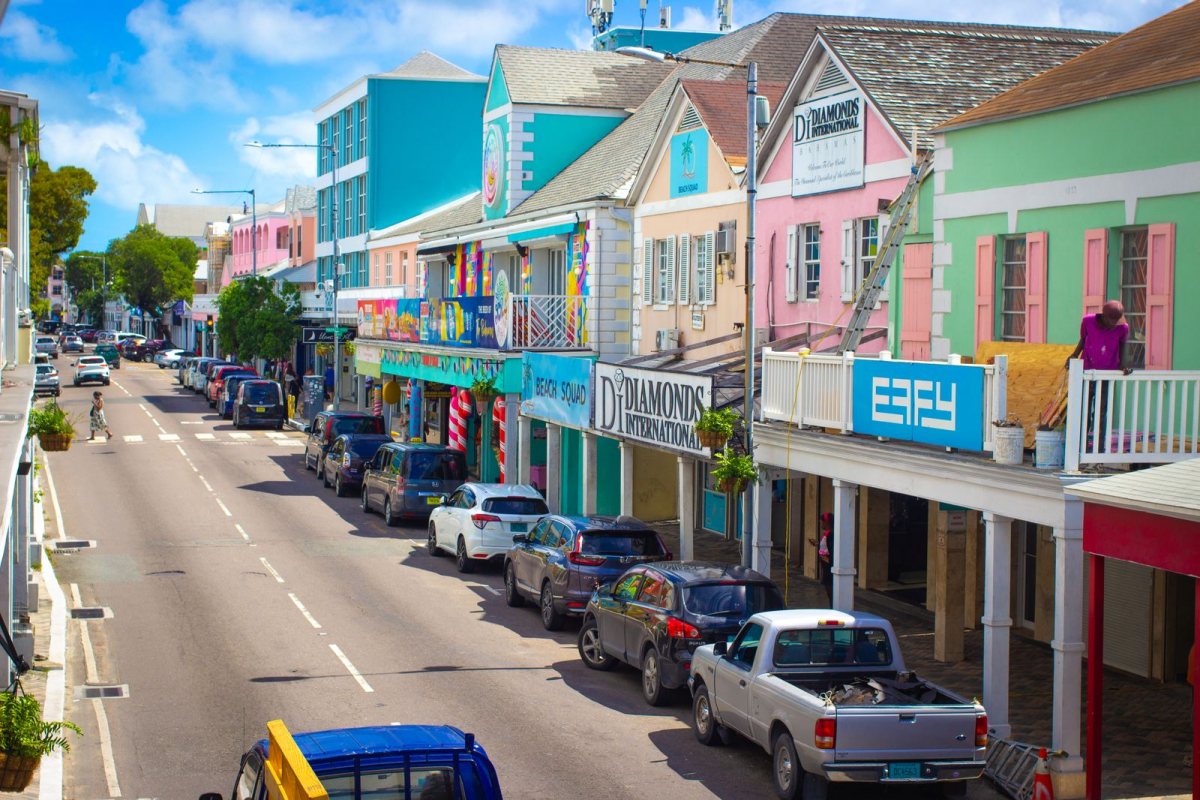
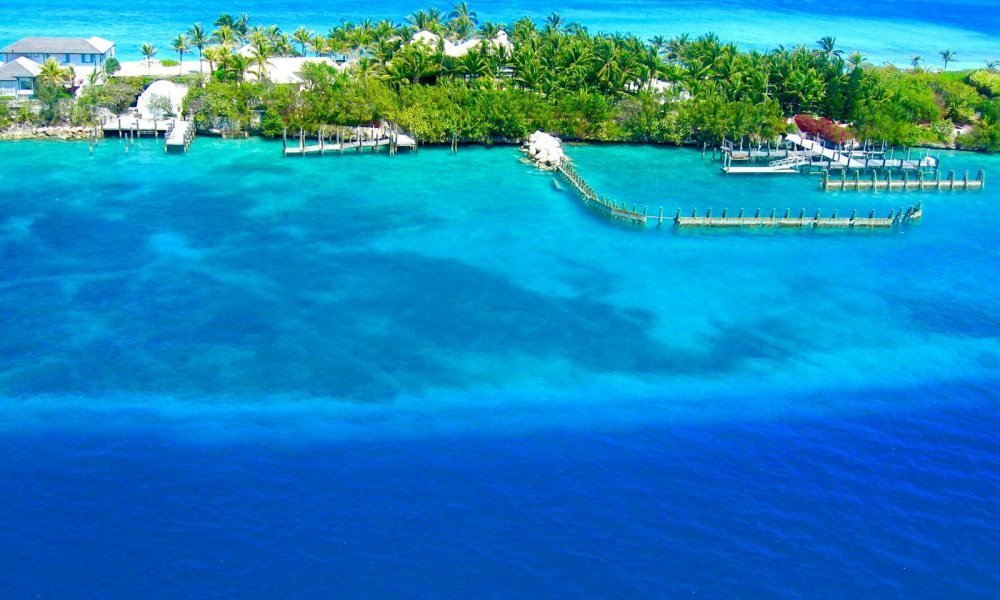
Nassau packs a pirate capital, a string of forts, a national festival and some of the clearest water in the Atlantic onto one small island. The Bahamian capital sits on New Providence, a short walk from a cruise wharf and a short ferry from Paradise Island, and it rewards everyone from a family on a single port day to a couple staying a week. This guide organises the best things to do in Nassau by the kind of day you want, history, culture, beaches, the big resorts, day trips, water sports, food and wildlife, and links to deeper guides for each.
The trick to Nassau is matching the day to the visitor. A history lover, a beach family and an adventure traveller will spend their time in completely different parts of the island, so the sections below are built around those choices rather than a single ranked list.
History and the Pirate Past
Nassau’s history is its strongest hand, and most of it sits within a walkable cluster of the old town. For a decade in the early eighteenth century this was the headquarters of the Republic of Pirates, a base with no real government that ran from 1706 until the privateer-turned-governor Woodes Rogers arrived with the King’s Pardon in 1718.
- The Queen’s Staircase: a flight of sixty-six steps cut by hand through solid limestone in the 1790s by enslaved labourers, shaded and free, leading up to the hilltop fort.
- Fort Fincastle: the small fort at the top of the staircase, built around 1793 in the shape of a paddle-steamer’s prow, with views over the harbour from Bennett’s Hill.
- Fort Charlotte: the largest of the Nassau forts, built in 1789 under Lord Dunmore, with a dry moat, dungeons and a battery of cannons overlooking the western harbour, and never fired in anger.
- Fort Montagu: the oldest surviving fort on the island, dating to 1741, guarding the eastern entrance beside a local beach and fish market.
- The Pirates of Nassau museum: an indoor museum built around a replica pirate ship that tells the story of Blackbeard, Calico Jack and the women pirates Anne Bonny and Mary Read.
- Parliament Square: the pink colonial government buildings put up from 1815 by Loyalists, with a statue of Queen Victoria at the centre.
- The Pompey Museum at Vendue House: a museum in a former marketplace where enslaved people were once sold, telling the harder story of slavery and the emancipation of 1834.
A history-focused day can string the staircase, Fort Fincastle, Parliament Square and the Pompey Museum together on foot, with the pirate museum as the anchor for children. For the wider pirate story on a cruise day, see our guide to things to do in Nassau on a port day.
Bahamian Culture
Beyond the forts, Nassau has a living culture that is easy to miss if you only see the duty-free shops. The pulse of it is Junkanoo, the national street festival, and the food and craft that go with it.
- Junkanoo: the competitive costumed street parade that takes over Bay Street in the small hours of Boxing Day and New Year’s morning, with a summer version too, covered in our guide to Junkanoo in Nassau.
- The Educulture Junkanoo Museum: a small downtown museum where you can see the costumes and learn the drumming year-round, even outside the parade dates.
- The National Art Gallery of the Bahamas: the country’s main public gallery, set in a colonial mansion, showing Bahamian painting and sculpture.
- The Fish Fry at Arawak Cay: the strip of brightly painted food shacks built on reclaimed land in the late 1960s, the home of conch salad and the best place to eat, covered in our guide to Bahamian food.
- Bahamian craft: hand-dyed Androsia cloth and real straw work are the genuine local buys among the imports, set out in our guide to Nassau gifts.
Beaches and Swimming
Nassau and Paradise Island share a run of pale, calm beaches, and Bahamian law keeps the sand public up to the high-water mark, so you do not have to pay a resort to swim.
- Junkanoo Beach: the closest swim to the cruise wharf, walkable in about fifteen minutes, lively with bars and vendors.
- Cable Beach: a long, calm stretch about twenty minutes west, lined with resorts but with public access to the sand.
- Cabbage Beach: the broad, soft beach behind Atlantis on Paradise Island, reached free by the public access path beside the resorts.
- The quieter beaches: Saunders Beach, Goodman’s Bay and the empty south-west beaches like Adelaide reward a short trip for fewer crowds.
Our full guide to the free public beaches of Nassau covers how to reach each one and the access law that makes it possible, and the clearest water for snorkelling around Nassau lies a short boat trip offshore over reefs, wrecks and the giant Ocean Atlas statue.
Atlantis, Paradise Island and the Resorts
Across the harbour bridge, Paradise Island holds the resorts that dominate many Nassau trips, led by the sprawling Atlantis. You do not have to stay there to visit.
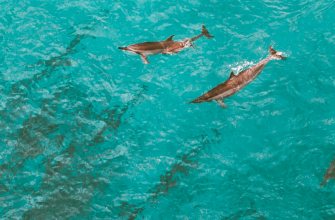
- Atlantis: the mega-resort with the Aquaventure water park, a walk-through aquarium called The Dig and the dolphins of Dolphin Cay, open to day visitors on a pass, set out in our guides to the Atlantis water park and the Atlantis day pass.
- Marina Village: the free waterfront promenade of shops, restaurants and a live Junkanoo rush at Atlantis, open without a wristband.
- Baha Mar and Cable Beach: the newer resort strip on the New Providence side, with beaches, a casino and dining open beyond the hotel guests.
Day Trips Beyond Nassau
Some of the most memorable Bahamian experiences are a boat ride away from Nassau, ranging from a short ferry to a long run south.
- Blue Lagoon Island: a private island a short ferry away, home to rescued dolphins and sea lions and a beach day, covered in our guide to Blue Lagoon Island.
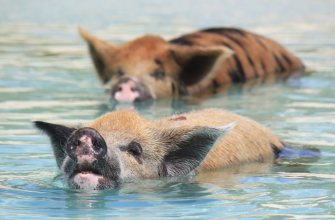
- The Exuma swimming pigs: the famous pigs of Big Major Cay, a long day south by fast boat or plane, alongside Thunderball Grotto and the Compass Cay sharks, set out in our guide to the Exuma swimming pigs.
- Rose Island: a quiet snorkel-and-hammock island east of Nassau, an easier and closer beach-club day than the Exumas.
Water Sports and Adventure
The warm, clear water around New Providence is the setting for a long list of activities, from gentle to adrenaline.
- Snorkelling and diving: reefs, two James Bond film wrecks and the Ocean Atlas sculpture, in our guide to snorkelling sites.
- Kayaking the mangroves: the protected wetland at Bonefish Pond National Park, a wildlife paddle covered in our guide to kayaking in Nassau.
- Parasailing: the bird’s-eye view over Cable Beach and Paradise Island, in our guide to Nassau parasailing.
- Underwater scooters: a dry-headed ride along the reef for non-swimmers, in our guide to underwater scooters.
- Kiteboarding and yacht charters: the winter wind and the sandbars, in our guides to kite boarding and yacht charters.
- Horseback riding: a trail through native pine to a beach where the horses wade into the sea, in our guide to horseback riding in Nassau.
Wildlife and Gardens
For a break from the beach, New Providence has pockets of Bahamian wildlife and quiet gardens, several run by the Bahamas National Trust.
- Ardastra Gardens and Zoo: a small zoo close to downtown best known for its marching flamingos, the Caribbean flamingo being the national bird, drilled to parade on command.
- The Retreat Garden: a green oasis of palms in the middle of the city, the Bahamas National Trust headquarters, good for a shaded walk.
- Bonefish Pond National Park: the protected mangrove wetland covering the south shore, a nursery for the reef paddled by kayak.
- Primeval Forest and Leon Levy: pockets of native woodland and, on nearby Eleuthera, a botanical park, for travellers who want the islands’ plants and birds.
Eat, Drink and Shop
Nassau eats and drinks well beyond the resort buffets, with a food culture built on conch and rum.
- Conch and the Fish Fry: raw conch salad mixed to order, cracked conch and conch fritters at Arawak Cay, the national food covered in our guide to Bahamian food.
- John Watling’s rum: a free tour and tasting at the 1789 Buena Vista Estate in downtown Nassau, a Bond film location.
- Graycliff: hand-rolled cigars and small-batch chocolate made in a historic town house, with rollers you can watch at work.
- Shopping: Bay Street and the Straw Market for souvenirs, where the genuine Bahamian craft is worth sorting from the imports, in our guide to Nassau gifts.
Getting Around Nassau
Nassau is easy to navigate once you know the options, most of them cheap.
- On foot: the old town, the forts, the staircase and the Straw Market are all walkable from the cruise wharf.
- Jitney buses: the local minibuses are the cheapest way to reach Cable Beach and the Fish Fry, set out in our guide to Nassau jitney routes.
- Taxis: fares run on fixed zone rates rather than meters, so agree the price before you set off, and remember drivers keep to the left.
- The ferry: a water taxi crosses to Paradise Island for Cabbage Beach and Atlantis.
What Suits Your Trip
The right Nassau day depends on who you are travelling with, and a few combinations work better than trying to do everything.
- Families: Atlantis or the beach, the pirate museum, the dolphins at Blue Lagoon Island, and the marching flamingos at Ardastra make an easy, child-friendly day.
- Couples: the forts and Parliament Square, a John Watling’s tasting, dinner at the Fish Fry and a sunset on a quiet beach suit a slower pace.
- Cruise visitors: the walkable old town, a beach near the wharf and one booked excursion fit a single port day, planned with our guide to Nassau shore excursions.
- Budget travellers: the Queen’s Staircase, the forts, the free public beaches and the Fish Fry make a cheap, full day with little more than bus fare.
The Best Time to Visit
Nassau is warm year-round, but the seasons shape the experience.
- December to April: the dry, cooler peak season, with the calmest, clearest water and the Junkanoo parades over the holidays, and the busiest crowds and highest prices.
- May and late autumn: the shoulder months, warm and quieter, with good value before and after the peak.
- Summer into autumn: hot and humid, with the Junkanoo Summer Festival but also the Atlantic hurricane season, when a passing storm can disrupt a few days.
More Historic Nassau
The forts are only the start of Nassau’s history. A short walk through the old town turns up some of the oldest buildings in the country and the harder stories behind them.
- The Pompey Museum at Vendue House: the museum is named for Pompey, an enslaved man on the Rolle estate at Steventon in Exuma who in 1830 led a stand against being shipped to Cat Island, seized a boat and sailed to Nassau to appeal to the governor, one of the first recorded acts of slave resistance in the islands. The building itself was the marketplace where people were once sold.
- Graycliff: a mansion built around 1740 and linked to the privateer Captain John Howard Graysmith, now a hotel famous for a wine cellar holding hundreds of thousands of bottles, a cigar workshop where you can watch rollers, a chocolate factory and a yard of vintage cars.
- Christ Church Cathedral: the mother church of the Anglican Bahamas on George Street, its early buildings destroyed in raids, the present one dating to the 1840s and giving Nassau its status as a city.
- Balcony House: the oldest wooden house in Nassau, an eighteenth-century Loyalist home restored as a period museum, named for the overhanging balcony that shades the street.
Paradise Island Beyond Atlantis
Paradise Island is more than the resort. At its quieter eastern end sit two attractions that have nothing to do with water slides.
- The Cloisters: a genuine medieval French monastery, taken apart in Europe, bought by the newspaper magnate William Randolph Hearst and later reassembled stone by stone on Paradise Island in the 1960s by the heir Huntington Hartford, whose builders had to work out the order of the pieces by hand.
- The Versailles Gardens: the terraced formal gardens running down from the One and Only Ocean Club below the Cloisters, lined with statues and bougainvillea, a free and quiet contrast to the resort crowds.
- Cabbage Beach: the long public beach behind the resorts, reached by the public path covered in our guide to the free public beaches.
Over-the-Hill, the Other Nassau
Behind the colonial waterfront, on the far side of the ridge, lies the Nassau the cruise crowds rarely see. The districts of Grant’s Town and Bain Town, together called Over-the-Hill, were laid out in the early nineteenth century for liberated Africans freed after Britain banned the slave trade, and they grew into the heart of Black Bahamian life.
This is where much of Bahamian culture was kept alive, from the churches like St Agnes to the street traditions that fed into Junkanoo. The arch known as Gregory’s Arch cuts through the ridge that separates the two Nassaus, a short walk and a long social distance from Bay Street. Go with a local guide or on a cultural tour rather than wandering alone, and the area rewards anyone wanting the real city behind the postcard.
Bahamian Art and the Sailing Sloop
Two strands of Bahamian identity are easy to add to a Nassau day, one in a gallery and one on the water.
- The National Art Gallery of the Bahamas: set in the colonial Villa Doyle on West Street, the country’s main gallery shows Bahamian masters such as the self-taught painter Amos Ferguson and the modernist Brent Malone, the best place to understand the islands through their own artists.
- The Bahamian sloop: the wooden working sailboat, with a mast about twice the length of the hull, is a national symbol and sailing is now the national sport. The great showcase is the National Family Island Regatta, raced in Exuma since 1954 under rules that the boats be Bahamian designed, built, owned and crewed.
- Montagu ramp: by Fort Montagu you can often see these wooden boats and the fishermen who still use them, a living version of what the regatta celebrates.
Meet the Locals: People-to-People
One of the best things to do in Nassau costs nothing and appears in no listicle. The Ministry of Tourism runs a People-to-People programme that pairs visitors with a Bahamian host who shares a meal, a church service, a craft or a day out, matched by interest and occupation.
Registered through the tourism office at Rawson Square, it is the surest way to find the best stall at the Fish Fry, a quiet beach the maps miss or a home-cooked plate of peas and rice, and it turns a sightseeing trip into something closer to a visit with friends. Arrange it ahead of your trip rather than on the day.
Frequently Asked Questions
What are the top things to do in Nassau?
The highlights are the Queen’s Staircase and the forts, the Pirates of Nassau museum, the Atlantis resort on Paradise Island, the free public beaches, snorkelling over the reefs and Ocean Atlas statue, Junkanoo culture, and the conch at the Arawak Cay Fish Fry. Day trips to Blue Lagoon Island and the Exuma swimming pigs add more for longer stays.
What can you do in Nassau for free?
The Queen’s Staircase, Fort Fincastle, Parliament Square, the public beaches and a John Watling’s rum tasting are all free or nearly so. Bahamian law keeps every beach public up to the high-water mark, so you can swim at Junkanoo Beach, Cable Beach or Cabbage Beach without paying a resort.
How many days do you need in Nassau?
A single cruise day covers the walkable old town, a beach and one excursion. Two or three days let you add Atlantis, a day island like Blue Lagoon, snorkelling and the Fish Fry, while a week opens up the far day trips such as the Exuma swimming pigs and a slower exploration of the beaches and culture.
What is Nassau known for?
Nassau is known for its pirate history as the old Republic of Pirates, the Atlantis resort, Junkanoo, conch and the clear turquoise water of the Bahamas. The walkable colonial old town, the forts and the Queen’s Staircase sit alongside the beaches and the big Paradise Island resorts.
Is Nassau worth visiting on a cruise?
Yes, for the history and culture a private island cannot offer. The pirate museum, the forts, the Queen’s Staircase, the Junkanoo story and the conch at the Fish Fry are all within reach of the wharf, and the beaches and Atlantis are a short ride away, making a port day worthwhile beyond a simple beach stop.
Sources and Further Reading
- Bahamas Ministry of Tourism – the official tourism guide to Nassau, the forts, Junkanoo and the islands
- Nassau Paradise Island – the official destination guide for New Providence and Paradise Island attractions
- Nassau Cruise Port – the official operator of the Prince George Wharf terminal and downtown attraction guide
- Bahamas National Trust – the body running the national parks, the Retreat Garden and Ardastra-area conservation