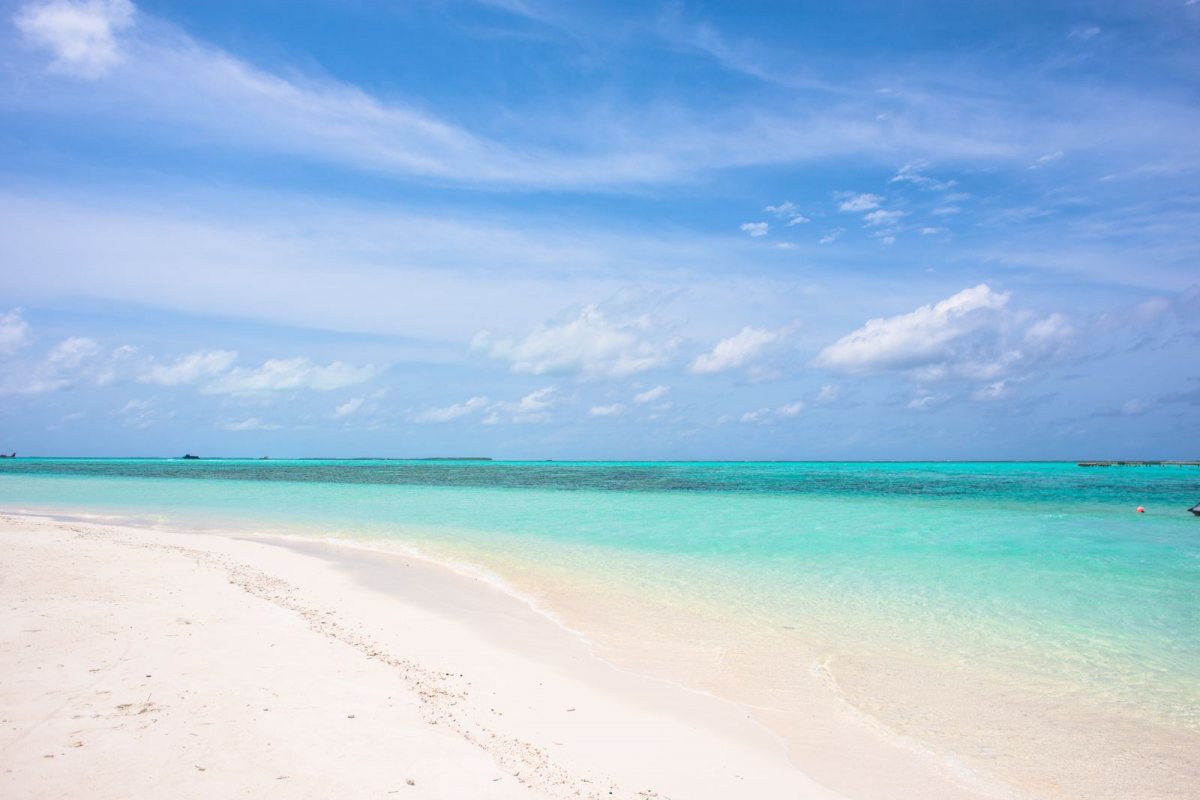
You do not have to pay a resort to reach the water in Nassau. Bahamian law keeps every beach public up to the high-water mark, so the sand at the sea’s edge is open to everyone, even in front of Atlantis and the Cable Beach hotels. This guide covers the free public beaches of New Providence, which one is closest to the cruise dock, how to reach the famous Cabbage Beach without paying, and the access law that makes it all possible.
Knowing your rights here matters, because resorts line many of the best beaches and the access can look private when it is not. The trick is knowing where the public paths are and which beach suits your day.
The Beach Access Law
The foundation of a free beach day in the Bahamas is a single rule worth understanding. Under Bahamian law the land below the high-water mark is Crown land and cannot be sold, which means the wet sand and the water are public on every beach in the country.
- What it means: a resort can own the dry land behind a beach, but not the beach itself down at the tide line, so you are entitled to walk, sit and swim along the public strip.
- Access paths: the law expects reasonable public access to the shore, so designated public paths run down to beaches that sit between or beside private resorts.
- The catch: resorts control their own sunbeds, bars and grounds, so the public right is to the beach and the water, not to the hotel’s loungers or facilities.
This is why you can spread a towel on the sand in front of a luxury hotel without buying anything, as long as you reach it by a public route and stay on the public part of the beach.
Junkanoo Beach: Closest to the Cruise Port
The handiest free beach for anyone off a ship is Junkanoo Beach, also called the Western Esplanade, a short walk west of Prince George Wharf along the waterfront. It is the easiest swim to reach on a port day without a taxi.
- The walk: roughly fifteen minutes on foot from the cruise terminal, so no fare and no planning.
- The feel: lively rather than peaceful, with beach bars, music, vendors and changing facilities, which are rare on a free Nassau beach.
- Nearby: the Arawak Cay food shacks are close by for conch and a drink, covered in our guide to Bahamian food.
Cable Beach and the West-Side Beaches
A short taxi or jitney ride west of town brings a run of longer, calmer free beaches along the Cable Beach strip and beyond.
- Cable Beach: a long pale stretch about twenty minutes west, lined with resorts but with public access to the sand, calm water and the best mix of length and amenities.
- Saunders Beach: a local family favourite between town and Cable Beach, with shade trees, calm shallow water and weekend crowds of Bahamians.
- Goodman’s Bay: a quieter beach at the town end of the Cable Beach strip, protected and calm, good for an easy snorkel away from the jet skis.
- Love Beach: further west, the pick for snorkelling, with a protected reef just offshore in shallow water.
How to Reach Cabbage Beach for Free
The broad, soft beach behind Atlantis on Paradise Island is Cabbage Beach, often rated the best on New Providence, and reaching it without paying a resort takes a little local knowledge.
The western end of Cabbage Beach is busy with hotel guests, but the beach itself is public down to the high-water mark like any other. The way in for a non-guest is the public access path that runs to the beach beside the resorts, a designated right-of-way rather than the hotel lobbies. A quieter stretch opens up as you walk east away from the resort crowds. A small water taxi also crosses from Nassau to Paradise Island, dropping you within reach of the path.
- Use the public path: look for the marked access route to the sand rather than trying to cross through a resort.
- Walk east: the further you go from the Atlantis end, the emptier and quieter the beach becomes.
- Bring your own: there are few free facilities once you are on the public stretch, so carry water, shade and a towel.
Montagu Beach and the Local Side
East of downtown, Montagu Beach shows a more local Nassau, anchored by the old harbour fort and a working fishermen’s corner rather than resort sunbeds.
- Fort Montagu: the small eighteenth-century fort beside the beach is the oldest surviving fort on the island, free to wander.
- The fish stalls: local fishermen land and sell their catch here, and the stalls dish up conch salad made to order, a genuine slice of Bahamian life.
- The beach: smaller and calmer than the tourist beaches, used by locals for a swim and a lunch break rather than a full beach day.
Quieter Beaches Worth the Drive
If you have your own transport and want sand without crowds, the south-west of the island holds emptier beaches at the cost of fewer facilities.
- Adelaide Beach: a long, shallow, calm beach on the south-west coast with an out-island feel and almost no development, ideal for an easy, undisturbed swim if you bring everything with you.
- Jaws Beach: part of the protected coast at Clifton Heritage National Park on the western tip, named for its film history, with reef close to shore for snorkelling.
- South Ocean: a wide, quiet stretch on the south shore beside a former resort site, popular with surfers when a swell runs and with anyone wanting space.
These reward the effort of getting there with room to breathe, but they have no vendors or lifeguards, so they suit a planned trip rather than a spontaneous stop.
Practical Tips for a Free Beach Day
A few details keep a budget beach day smooth.
- Getting there: the cheap local buses reach Cable Beach and the west side, covered in our guide to Nassau jitney routes, while Junkanoo Beach is walkable.
- No lifeguards: most public beaches have no lifeguard, so watch children and avoid swimming out alone.
- Shade and water: only the busier beaches have vendors, so bring water and sun cover for the quieter ones like Adelaide or the east end of Cabbage Beach.
- Your things: keep valuables with you or leave them on the ship, since the public beaches have no lockers.
For the wider port day around a beach stop, see our guide to things to do in Nassau.
Frequently Asked Questions
Are the beaches in Nassau free to use?
Yes. Bahamian law makes every beach public up to the high-water mark, so the sand at the water’s edge is free to use even in front of resorts. You pay only if you want a hotel’s sunbeds, bars or facilities, not for the beach and the water themselves.
Which is the closest free beach to the Nassau cruise port?
Junkanoo Beach, also called the Western Esplanade, is a roughly fifteen-minute walk west of Prince George Wharf. It is lively, has beach bars and changing facilities, and sits near the Arawak Cay food shacks, which makes it the easy choice on a port day.
Can you go to Cabbage Beach without paying?
Yes. Cabbage Beach is public down to the high-water mark like any Bahamian beach, and you reach it by the designated public access path beside the Paradise Island resorts rather than through a hotel. Walking east along the sand takes you to a quieter free stretch away from the resort crowds.
Do Nassau public beaches have facilities?
It varies. Junkanoo Beach and Cable Beach have bars, vendors and some changing facilities, while quieter beaches such as Adelaide and the east end of Cabbage Beach have little or none. For those, bring your own water, shade and towel, and note that most public beaches have no lifeguard.
Can you swim at the beach in front of Atlantis?
Yes. Cabbage Beach behind Atlantis is public down to the high-water mark, so you can swim there without being a hotel guest. Reach it by the designated public access path beside the resorts rather than through the hotel, and walk east for a quieter stretch. You cannot use the resort’s sunbeds, pools or bars without paying.
Sources and Further Reading
- Bahamas Ministry of Tourism – the official tourism guide to the beaches of New Providence
- Nassau Paradise Island – the official destination guide to Nassau and Paradise Island beaches
- The Tribune – the Nassau newspaper that has reported the Cabbage Beach public-access question