The first sound of Bahamian food is a knife on a cutting board. At a stall on Arawak Cay a cook splits a live queen conch from its pink shell, trims it, and dices it raw into a cup with lime, sour orange, onion and fiery goat pepper while you watch. Conch, pronounced konk, is the national food of the Bahamas, and it carries a story that most menus leave out: the sea snail behind every conch salad is under real pressure, and how you eat it matters. This guide covers the conch dishes, the wider Bahamian plate, what to drink, where to find it in Nassau, and why the queen conch needs care.
Conch, the National Food
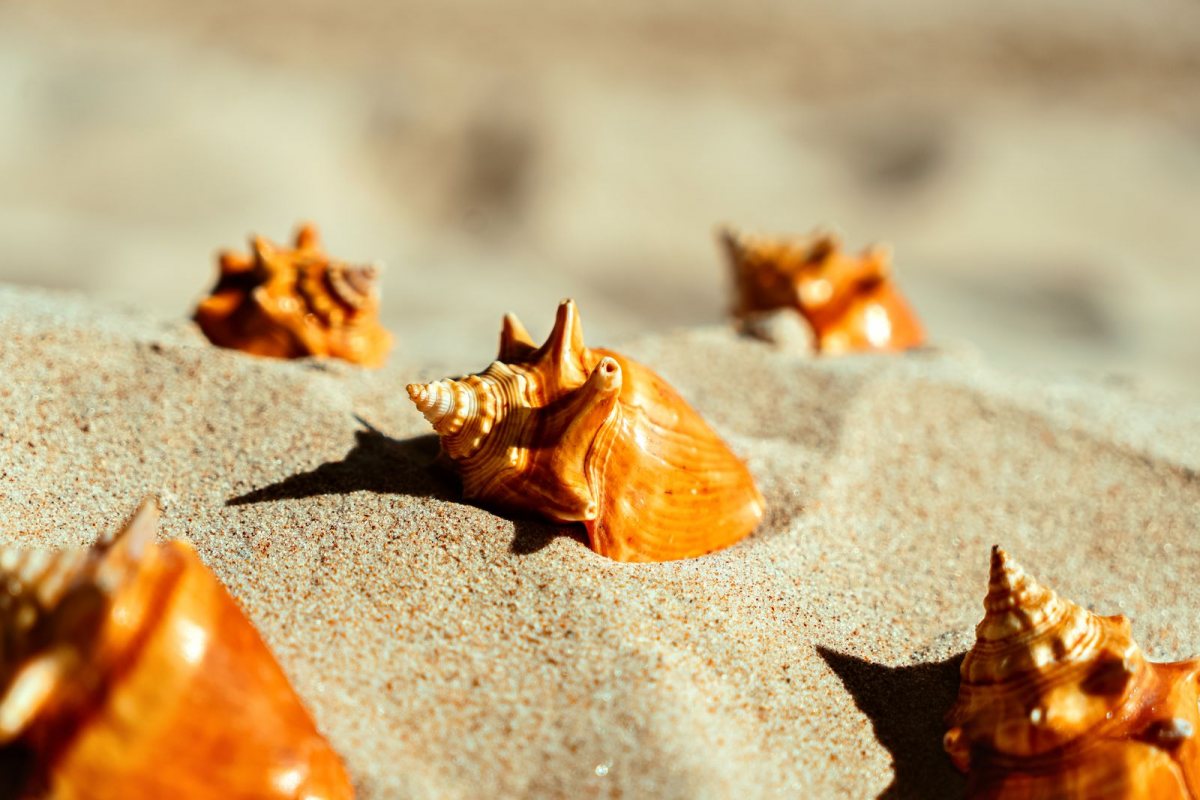
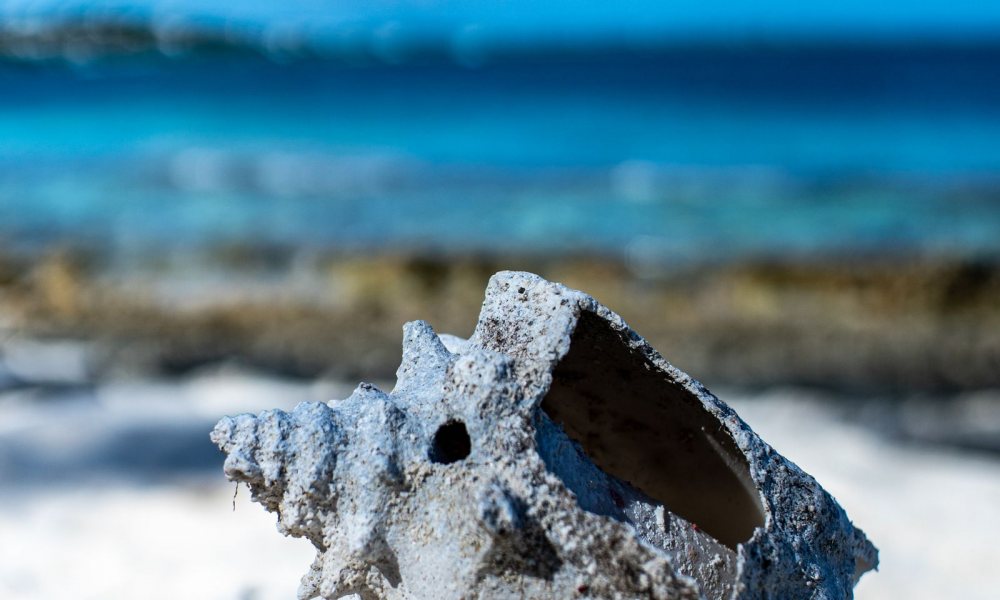
The queen conch is a large sea snail with firm, sweet white meat, and Bahamians cook it more ways than any other ingredient. The shell itself, with its flared pink lip, is blown like a horn at celebrations and sold along the roadside.
- Conch salad: the signature dish, raw conch diced at the stall and dressed with lime, sour orange, onion, tomato, cucumber and hot pepper. A “tropical” version adds diced pineapple or mango.
- Cracked conch: the meat pounded tender, battered and fried, served with hot sauce and a squeeze of lime.
- Conch fritters: chopped conch folded into a spiced batter and deep-fried into golden balls, the usual starter.
- Conch chowder and stew conch: simmered with tomato, potato and thyme into a thick soup, the cool-evening comfort dish.
- Scorched conch and conch souse: scored raw conch eaten with citrus, and a clear lime-and-pepper broth that turns up at breakfast.
If you try one thing, make it conch salad made to order in front of you, because the freshness is the whole point and the texture of properly diced raw conch is firm rather than rubbery.
The Conch Question: Why the Snail Is Under Pressure
Behind the easy supply of conch is a fishery in trouble, and this is the part of the story that separates a thoughtful visitor from a careless one. Queen conch is listed on Appendix II of CITES, the international wildlife trade convention, and scientists who study the Bahamian stock have warned that it could collapse within ten to fifteen years at the rate it is being taken.
The Bahamas has tightened the rules in response, and knowing them helps you eat responsibly.
- The well-formed lip rule: it is illegal to harvest or hold conch without a fully flared shell lip, the sign of a sexually mature animal, so juveniles can breed before they are taken.
- Landing in the shell: rules push fishers to bring conch ashore still in the shell, so inspectors can check that maturity before sale.
- The export ban: after cutting quotas, the country banned the export of commercial quantities of conch from 2022 to ease the pressure, keeping what is caught for the local table.
- What you can do: eat conch at established stalls rather than buying from unverified roadside sellers, skip anything that looks undersized, and treat it as the special dish it is becoming rather than something to order at every meal.
Local conservation campaigns run by the Bahamas National Trust press the same message, and a careful visitor who follows the well-formed-lip logic is part of the solution rather than the problem. Raw conch also depends on freshness, so on the rare occasions when health authorities flag a contamination scare, switch to the cracked or fritter versions, which are cooked.
Arawak Cay and the Fish Fry
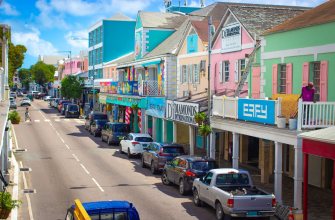
The home of Nassau conch is Arawak Cay, the strip of brightly painted food shacks on West Bay Street that everyone calls the Fish Fry. The land itself was built in 1969 from sand dredged out of the harbour, and the cluster grew into the island’s main gathering place for local food, music and Sunday-night crowds.
- Twin Brothers: one of the best known shacks, famous for conch salad mixed to order and a busy bar.
- Goldie’s Conch House: run by Kirkwood “Goldie” Evans, long called the King of Conch, and a fixture for sky juice and a plate of cracked conch.
- The wider strip: dozens of stalls serving fried fish, lobster in season, peas and rice and cold drinks, with an open stage that fills up on weekends.
The Fish Fry is about ten minutes by taxi from the cruise terminal, or a cheap ride on the local buses covered in our guide to Nassau jitney routes, and it is the single best place to eat Bahamian food in one stop.
Beyond Conch: The Bahamian Plate
Conch is the headline, but a full Bahamian meal runs much wider, built around seafood, slow-cooked sides and the British and African roots of the islands.
- Rock lobster, or crawfish: the Caribbean spiny lobster is the prize catch, but it has a strict season, open from the first of August to the end of March and closed through the spring and early summer while it breeds, so fresh local lobster outside that window is a warning sign.
- Stew fish and boil fish: grouper or snapper simmered in a dark roux-based stew, or a lighter lime-and-pepper broth served with grits at breakfast.
- Peas n’ rice: pigeon peas cooked with rice, salt pork, thyme and a little tomato, the side that comes with almost everything.
- Souse and johnnycake: a clear, sharp broth of chicken, pig or sheep parts with lime, eaten at breakfast alongside a dense slightly sweet johnnycake bread.
- Chicken in da bag: fried chicken, fries and a roll shaken together in a paper bag, the late-night street staple.
- Guava duff: the classic dessert, a steamed roll of dough swirled with guava and served warm under a rum-butter sauce.
What Bahamians Drink
The islands have their own glass to go with the plate, from soft drinks mixed at the Fish Fry to the rum that built the colonial town.
- Sky juice: the Arawak Cay favourite, coconut water mixed with gin and sweetened condensed milk, dusted with nutmeg, deceptively strong.
- Switcha: the Bahamian lemonade, fresh lime or sour orange juice with water and sugar, the non-alcoholic cooler.
- Goombay Smash: the islands’ best-loved rum punch, created by Miss Emily at her Blue Bee Bar on Green Turtle Cay, built from coconut and aged rums with apricot and pineapple.
- Bahama Mama: the fruitier rum cocktail of the resort bars, mixing light, dark and coconut rum with citrus and grenadine.
- John Watling’s rum: distilled at the Buena Vista Estate in downtown Nassau, a property dating to 1789, where the free tour and tasting are part of any food-focused day ashore.
For where these fit into a wider day in port, see our guide to things to do in Nassau on a cruise day, and for the music that goes with the food, our guide to Junkanoo in Nassau.
The Bahamian Breakfast Table
Breakfast is where Bahamian home cooking shows itself, and it looks nothing like a hotel buffet. The Saturday-morning canon is built around fish and grits.
- Boil fish: a clear, sharp broth of fish, usually grouper or grunt, cooked with onion, potato, lime and goat pepper, served with grits and a wedge of johnnycake, the classic weekend breakfast.
- Stew fish and stew conch: a darker, roux-thickened version of the same idea, equally at home on the breakfast table with grits.
- Fire engine: corned beef stewed with onion, pepper and tomato and piled onto grits or rice, named for its red colour, a cheap and beloved standby.
- The souse family: a clear lime-and-pepper broth made with chicken, pig’s feet or sheep tongue, eaten with johnnycake, the sharp wake-up plate of a Bahamian morning.
Crab, Mutton and the Fuller Plate
Beyond conch and lobster, the Bahamian table runs to land crab, slow-cooked meat and a few sides that are dishes in their own right.
- Crab and rice: land crabs cooked down with rice, peas and seasoning, a speciality of Andros, where the crab hunt is a tradition in itself.
- Baked crab: the picked meat mixed with seasoning and breadcrumbs, packed back into the shell and baked, the stuffed crab back.
- Stewed and curried mutton: goat or sheep slow-cooked in a dark gravy or a Caribbean curry, the dish for a celebration or a Sunday.
- Grouper fingers and minced lobster: battered strips of grouper and chopped lobster sauteed with peppers, the everyday seafood plates.
- Baked macaroni: not a soft side but a firm, sliceable block of baked macaroni and cheese, cut in squares, that appears beside almost every Sunday dinner.
- Peas soup and dumpling: split pigeon peas simmered into a thick soup with doughy dumplings and salt meat, the cold-evening comfort bowl.
- Old sour: the table condiment, sour orange or lime juice cured with salt and pepper, splashed over fish.
Bahamian Sweets and Sodas
The sweet end of the Bahamian table leans on tropical fruit, coconut and rum, with a few home-grown soft drinks alongside.
- Guava duff: the signature dessert, a sheet of dough rolled around guava, boiled in a cloth and served warm under a rum-and-butter hard sauce, the test of any Bahamian cook.
- Benny cake: brittle squares of toasted benne, the local sesame, set in burnt sugar, an old market sweet.
- Coconut tart and cornmeal pudding: a sweet coconut-filled pastry and a dense baked cornmeal pudding, the everyday bakes.
- Rum cake and pineapple tart: the richer treats, the rum cake soaked dark and the tart filled with the island’s own pineapple.
- Goombay Punch and Vitamalt: the pineapple soda that is a Bahamian institution and the malty non-alcoholic drink found in every shop.
- Sorrel and gully wash: the deep-red hibiscus drink spiced and served at Christmas, and the country mix of fresh coconut water, gin and condensed milk.
Where Food Becomes a Festival
Bahamian food has its own calendar of contests and festivals, and they are the most fun way to eat your way into the culture.
- The McLean’s Town Conch Cracking Contest: held in eastern Grand Bahama around Discovery Day in October, the world championship of getting the conch out of its shell, fastest and cleanest, with cracking, eating and even shell-blowing events.
- Seafood and heritage festivals: island fish fries and seafood festivals through the year turn the local catch into a community party, with conch, fish and peas and rice cooked at scale.
- The Eleuthera pineapple festival: a celebration of the sweet pineapple the island is known for, with the fruit baked into tarts and pressed into drinks.
Frequently Asked Questions
What is the national dish of the Bahamas?
Conch, pronounced konk, is the national food. It appears as raw conch salad, cracked conch, conch fritters and conch chowder, and the most popular form is a fresh conch salad diced to order at a stall like those on Arawak Cay in Nassau.
Is it safe to eat raw conch in the Bahamas?
Conch salad is made from raw conch and is eaten widely, with freshness the key. Buy it at established stalls that prepare it in front of you rather than from unverified sellers, and if health authorities have flagged a contamination scare, choose cooked dishes such as cracked conch or fritters instead.
Why is conch fishing restricted in the Bahamas?
Queen conch stocks have fallen sharply, the species sits on CITES Appendix II, and scientists warn of collapse within ten to fifteen years at current rates. The Bahamas now bans harvesting conch without a fully flared shell lip and banned the export of commercial quantities from 2022 to protect the population.
When is lobster in season in the Bahamas?
Caribbean rock lobster, known locally as crawfish, is in season from the first of August to the end of March. The fishery closes through spring and early summer for breeding, so genuinely local lobster outside that window should be treated with suspicion.
Where is the best place to eat Bahamian food in Nassau?
The Fish Fry at Arawak Cay on West Bay Street is the top choice, a strip of local shacks such as Twin Brothers and Goldie’s Conch House serving conch, fried fish, peas and rice and sky juice, about ten minutes by taxi from the cruise port.
Sources and Further Reading
- Bahamas Ministry of Tourism – the official guide to the Fish Fry at Arawak Cay in Nassau
- Bahamas National Trust – the conservation body behind the queen conch protection campaigns
- John Watling’s Distillery – the historic Buena Vista Estate rum distillery in downtown Nassau
- Nassau Paradise Island – the official destination guide to dining on New Providence