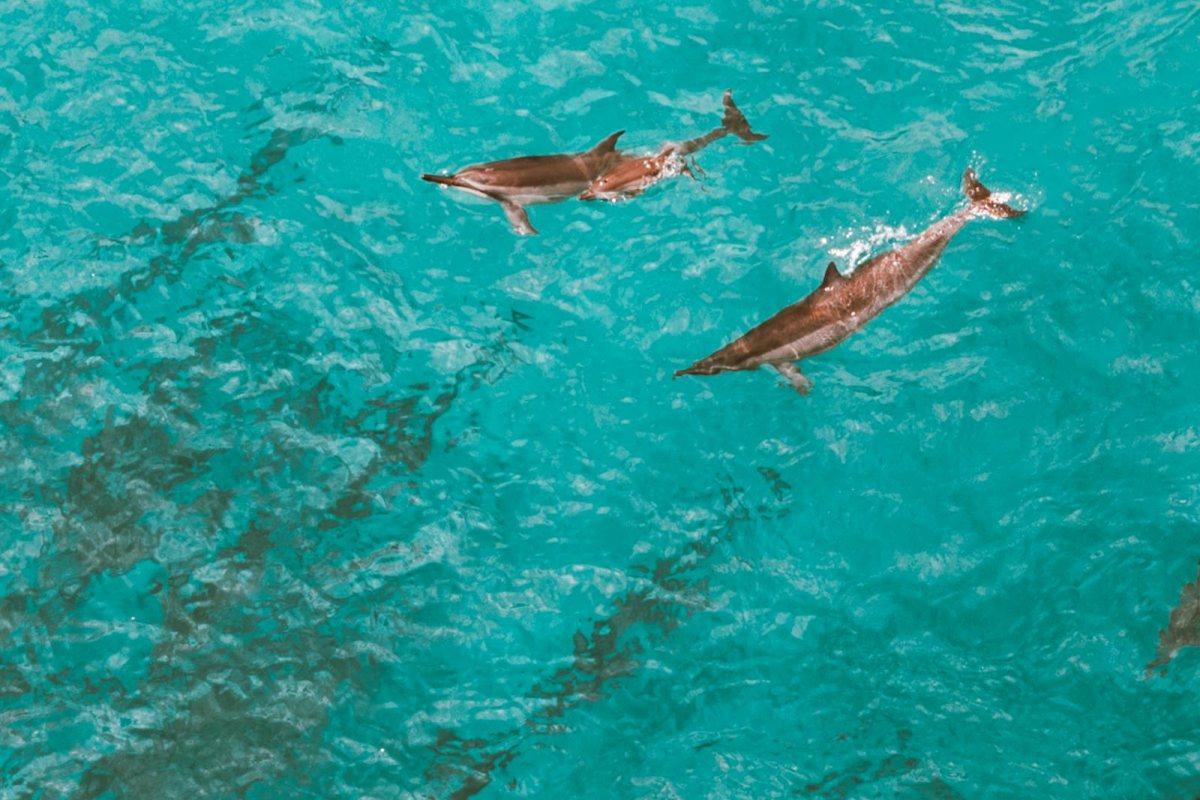
Blue Lagoon Island is the dolphin-and-sea-lion day-trip island a short ferry from Nassau, and the animals on it arrived through rescue rather than capture. The privately owned cay, long known as Salt Cay, sits about three miles off New Providence and is reached only by boat, which keeps it quieter than the resort beaches. This guide explains what Blue Lagoon Island actually offers, the rescue story behind its dolphins and sea lions, how it compares with the other day islands, and how to reach it from a cruise day.
Three small islands sell the Nassau day trip, and they are not the same. Blue Lagoon is the one built around marine-mammal encounters, which is what sets it apart from the beach-and-snorkel islands nearby.
What Blue Lagoon Island Is
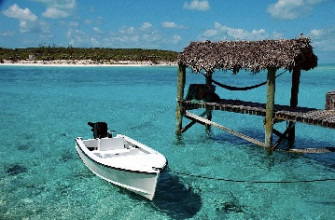
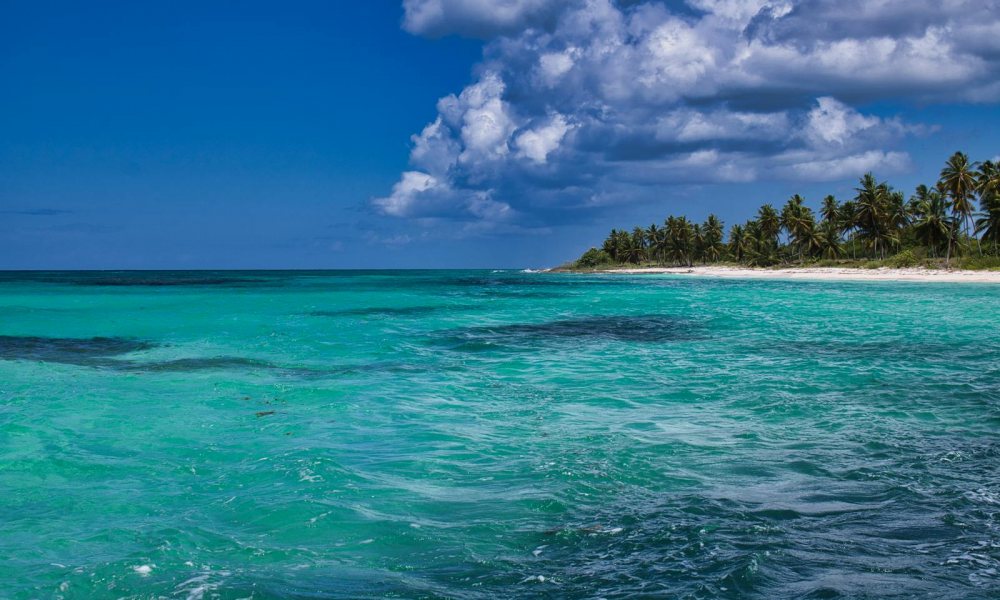
Blue Lagoon Island is a private island used as a day resort, with a sheltered lagoon, a long beach and a set of animal and beach experiences. It carries the older name Salt Cay from its days as a private estate, and it has stood in as a filming location over the years, appearing in dolphin films including Flipper and Andre.
- Getting there: a ferry runs out from the Paradise Island side near Nassau, a crossing of around twenty-five to thirty minutes, and there is no other way onto the island.
- The shape of a day: most visitors come for half a day, combining an animal encounter or a beach package with the ferry there and back.
- The beach side: hammocks strung between palms, an inflatable aqua park in the lagoon, a stingray interaction, a segway trail and an adults-only beach make up the non-animal options.
The Dolphin and Sea Lion Rescue Story
The reason to single out Blue Lagoon Island is the history of its animals, which most day-trip listings skip. The dolphin programme began when a Nassau aquarium closed and two of its Atlantic bottlenose dolphins needed a home, and the operation grew into the ocean-fed lagoon habitat on the island.
The sea lions came through a bigger disaster. When Hurricane Katrina destroyed the Marine Life Oceanarium in Gulfport, Mississippi, a group of orphaned California sea lions was moved out, and several were rehomed on Blue Lagoon Island in 2006. The colony has since bred on the island, raising the first sea lion pup born in the Bahamas. The marine mammal facility holds American Humane certification, which is worth checking for any animal encounter.
- Dolphin encounters: shallow-water meetings for all ages and deeper swims for the confident, with the animals in a large seawater lagoon rather than a tank.
- Sea lion encounters: a close, hands-on session with the rescued colony, usually calmer and cheaper than the dolphin swim.
- The ethics question: captive marine-mammal encounters divide opinion, so the rescue origin and the humane certification are the points to weigh before booking.
What the Encounters Are Like
The animal sessions are the reason most people pay for Blue Lagoon over the cheaper beach islands, so it helps to know what each one involves before you choose.
- The dolphin swim: a deeper-water session where you swim out and the dolphin tows or pushes you through the lagoon, for stronger swimmers and older children, with the highest price tag.
- The shallow dolphin encounter: a stand-in-the-water meeting with a dolphin at the lagoon edge, gentle enough for small children and non-swimmers, the popular family option.
- The sea lion encounter: a hands-on session with the rescued colony, where the animals offer a flipper, a kiss and a few trained behaviours, usually the calmest and most affordable of the three.
- The stingray interaction: a chance to wade with southern stingrays in a shallow pen, a cheaper add-on that suits the nervous.
Staff photograph the encounters and sell the images afterwards, and you cannot bring a phone or camera into the dolphin water, so factor the photo cost in if you want a record.
The Salt Cay Past
Before the day-trippers, the island was a private estate known as Salt Cay, held for decades by a wealthy American family who built a retreat there. Its calm lagoon and palm-backed beach made it a natural film set, which is how it ended up on screen in dolphin films, and the same sheltered water is what later suited a marine-mammal sanctuary. The Salt Cay name still appears on charts and in the island’s own tours.
Blue Lagoon, Rose Island or Pearl Island
Choosing between the Nassau day islands is easier once you know what each one leads with.
- Blue Lagoon Island: the marine-mammal island, the only one of the three built around dolphin and sea lion encounters, plus a full beach day.
- Rose Island: the quiet snorkel-and-hammock island east of Nassau, with calm coral gardens and resident turtles, covered in our guide to snorkelling around Nassau.
- Pearl Island: a small, close cay with a lighthouse and an intimate beach club, the shortest crossing of the three.
If you want animals, Blue Lagoon is the clear pick. If you want a pure beach and reef day, Rose Island or Pearl Island do that with less structure and a lower price.
Doing It on a Cruise Day
Blue Lagoon Island works well as a cruise-day trip because the ferry is short and the island is set up for half-day visits.
- Book ahead: animal encounters cap the number of guests per session, so the dolphin and sea lion slots sell out, especially on busy cruise days.
- Mind the ferry times: the crossing and the return are fixed, so check the last ferry against your all-aboard time, covered in our guide to Nassau shore excursions.
- What to bring: swimwear, a towel and reef-safe sunscreen, with the encounters and the beach gear provided on the island.
For the wider day around it, see our overview of things to do in Nassau.
Tickets and What to Know
Blue Lagoon Island sells its day in tiers, so the price depends on whether you want the beach, an encounter, or both, and a few details catch first-time visitors out.
- Beach-only versus encounter: a beach day with the ferry costs the least, while adding a dolphin or sea lion encounter raises the price in steps, with the deeper dolphin swim at the top.
- Booking direct or through the ship: cruise lines resell the same packages at a markup, so booking direct can save money, though the ship version adds the return guarantee covered in our guide to shore excursions.
- Food and extras: lunch, lockers and the encounter photos are usually extra on top of the entry, so carry some cash or a card.
- Accessibility: the island has shallow-water options and staff help for guests who are nervous in the water or have limited mobility, which is worth asking about when you book.
Frequently Asked Questions
How do you get to Blue Lagoon Island?
Only by ferry. A boat runs out from the Paradise Island side near Nassau on a crossing of about twenty-five to thirty minutes, and there is no road or bridge to the island. The ferry is included in the day-trip and encounter packages.
What animals are on Blue Lagoon Island?
The island is home to a group of Atlantic bottlenose dolphins and a colony of rescued California sea lions, with encounter programmes for both. The dolphins live in a large ocean-fed lagoon, and the sea lions arrived as orphans after Hurricane Katrina destroyed their Mississippi home.
Is Blue Lagoon Island good for a cruise day?
Yes. The short ferry and the half-day format suit a port stop. Book the dolphin or sea lion encounter in advance because sessions are capped, and check the last return ferry against your ship’s all-aboard time before you commit.
Which is better, Blue Lagoon, Rose Island or Pearl Island?
Blue Lagoon Island is the one to choose for dolphin and sea lion encounters and a structured beach day. Rose Island suits a quiet snorkel and hammock day, and Pearl Island gives you a small, close beach club with a lighthouse. The choice turns on whether you want animals or a simple beach.
Are the dolphin encounters at Blue Lagoon Island ethical?
It is a personal call. The dolphins and sea lions came through rescue rather than capture, the dolphins live in a large ocean-fed lagoon, and the marine mammal facility holds American Humane certification. Even so, captive marine-mammal encounters divide opinion, so weigh the rescue origin and the certification against your own view before booking.
Sources and Further Reading
- Dolphin Encounters – the marine-mammal facility on Blue Lagoon Island, with the rescue history and programmes
- Bahamas Ministry of Tourism – the official tourism guide to Nassau and its day islands
- Nassau Paradise Island – the official destination guide to Blue Lagoon and the other island day trips