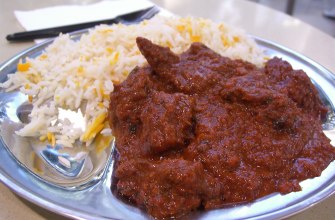
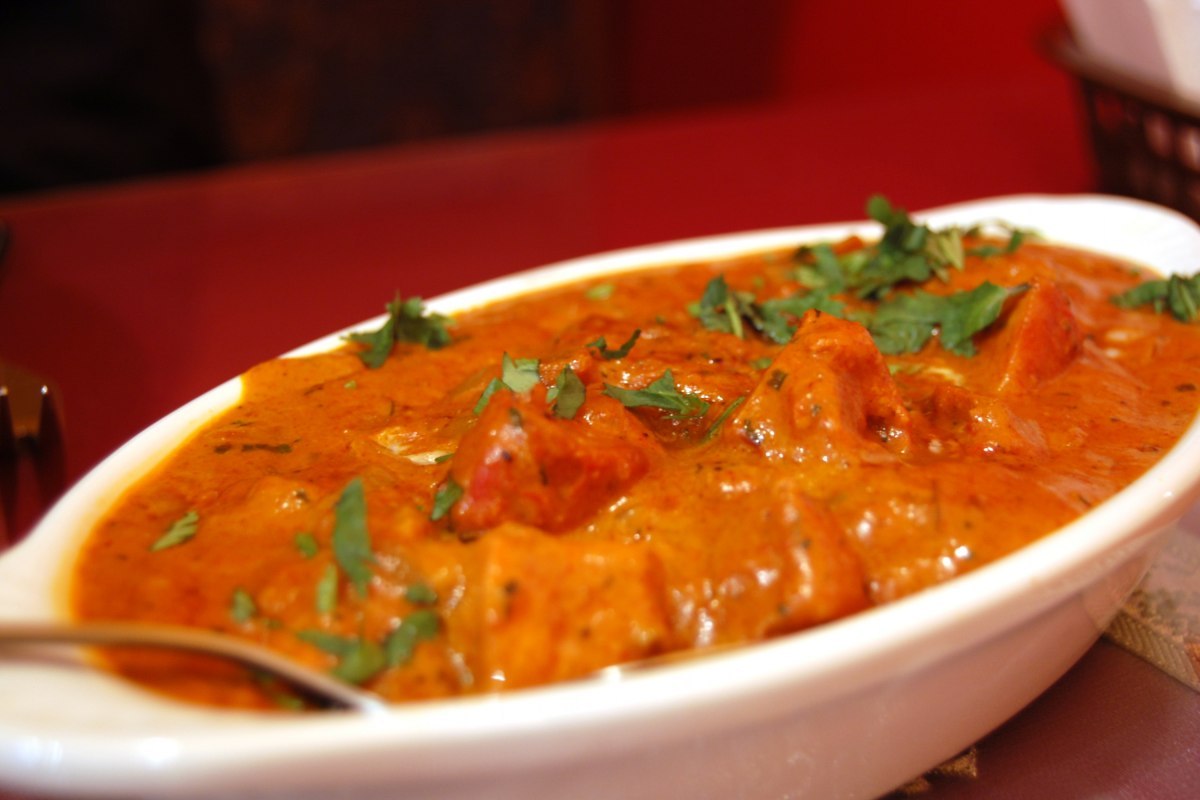
Butter chicken started as a way to rescue yesterday’s dinner. In the Delhi of 1947, a tandoor cooled overnight and left the skewered chicken dry and hard by morning. Kundan Lal Gujral and his partners simmered those leftover pieces in a gravy of tomato, butter and cream, and the result outlived the problem it solved. This butter chicken recipe follows that original murgh makhani method: chicken grilled first and separately, a smooth tomato-butter sauce built around it, kasuri methi at the end, and not an onion in sight. The dish now carries a court case over who invented it, which is a useful place to begin, because the fight is really about technique.
What butter chicken actually is, and what it is not
The Indian name is murgh makhani, literally buttered chicken. The English word “curry” is a colonial umbrella that flattens hundreds of distinct dishes into one label, and butter chicken is its own thing with a fixed identity. Three markers separate real makhani from the orange sauce sold under its name abroad.
- No onion. A true makhani gravy is tomato, butter, cream and cashew. Add onion and you have drifted toward chicken tikka masala, which is a separate, spicier, oil-cooked dish.
- Mild by design. The heat is low. Kashmiri chili goes in for deep red color, not fire. A makhani that burns the tongue has lost the plot.
- Built on tandoori chicken. The chicken is marinated and charred on its own before it ever meets the sauce. The gravy coats cooked meat; it does not poach raw meat.
Hold those three points and most of the recipe explains itself. Lose them and you are cooking something else with the wrong name. For the wider pantry the dish sits in, the guide to Indian cuisine and spices maps how these gravies relate across regions.
The Moti Mahal origin and the fight in the Delhi courts
Moti Mahal began as a roadside dhaba in Peshawar around 1920. When Partition redrew the map in 1947, three Punjabi refugees who had worked together there reopened it in Delhi: Kundan Lal Gujral, Kundan Lal Jaggi and Thakur Dass. Their tandoori chicken drew Jawaharlal Nehru and, later, Richard Nixon. The butter gravy was the kitchen’s answer to waste, and it became the house signature.
The partners dissolved the original business in 1992. Gujral’s family carried on as Moti Mahal Delux. In 2019 Jaggi’s grandson Raghav Jaggi and his partner Amit Bagga opened Daryaganj under the tagline “by the inventors of butter chicken and dal makhani,” the black-lentil dish built on the same makhani gravy. In January 2024 Ashim Gujral filed a 2,752-page suit in the Delhi High Court claiming his grandfather alone invented the dish. Daryaganj answered with a 1949 partnership agreement, a 1930s photograph of both founders, Jaggi’s old Delhi business card and a 2017 video of Jaggi describing the recipe. The case is still open.
The history matters to a cook for one reason: it pins the method. Every account, on both sides, agrees the chicken was tandoori first and the makhani gravy came after to revive it. That sequence is the recipe.
Ingredients for an honest murgh makhani
Quantities below serve four, with about 500 g of boneless chicken thigh. Thigh holds up through the simmer where breast turns to string. The marinade runs in two stages, which is the single habit that separates a flat result from a layered one.
The two-stage marinade
- First stage: lemon juice, salt and half a teaspoon of Kashmiri chili rubbed into the chicken for fifteen minutes. The acid opens the meat.
- Second stage: a third of a cup of thick hung curd, a tablespoon of ginger-garlic paste, garam masala, a teaspoon of crushed kasuri methi and a spoon of oil. Rest it at least four hours, overnight if you can.
The makhani gravy
| Component | Amount | Job |
|---|---|---|
| Ripe tomatoes (or passata) | about 600 g | Body and tang; reduce hard |
| Butter | 3 tablespoons, plus a knob to finish | The defining fat |
| Cashews | about 18, soaked | Silk and sweetness without sugar |
| Heavy cream | a third of a cup | Finishing, off the boil |
| Kashmiri chili | 1 to 2 teaspoons | Color, not heat |
| Kasuri methi | half a tablespoon | The restaurant aroma, added last |
| Whole spices | cardamom, clove, cinnamon | Tempered in the butter |
Soak the cashews in warm water for thirty minutes, then blend smooth. This paste is what gives the gravy its body, which is why the dish needs no flour and no sugar. Sweetness comes from tomatoes reduced until they go nearly dry.
How to make butter chicken step by step
Grill or roast the chicken
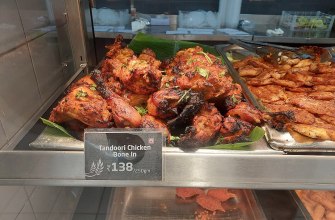
A home oven at high heat with a broiler finish does the work of a tandoor well enough. Lay the marinated thighs on a rack, roast until the edges char, then set aside. Stovetop works too: sear hard in a cast iron pan. You want color and a few blackened spots, not a fully cooked piece, because it finishes in the sauce. The marinated-and-charred chicken on its own is tandoori chicken; butter chicken is what happens when you give those pieces a second life in gravy.
Build and finish the gravy
- Melt the butter and temper the whole spices until they sputter.
- Add the tomatoes and Kashmiri chili. Cook on a steady heat for ten to fifteen minutes, until the mixture pulls from the pan and the raw smell goes.
- Blend the tomato base with the cashew paste, then pass it back through a sieve for the glassy texture restaurants get.
- Return it to low heat, slide in the charred chicken, and let it drink the sauce for ten minutes.
- Take the pan off the boil. Stir in the cream, the finishing knob of butter and the crushed kasuri methi. Hold it at a bare simmer.
That last instruction is not optional. Cream added to a boiling pan splits and beads. Off the heat, it folds in smooth.
The dhungar smoke that stands in for a tandoor
Restaurant makhani carries a faint smokiness that no home oven gives. The fix is dhungar, a charcoal-smoking trick that the kitchens of Lucknow have used for generations. Set a small steel bowl on top of the finished chicken in the pan. Drop in a piece of lit lump charcoal, lay a clove or two on it, and pour over about a teaspoon of ghee. The fat hits the coal and throws smoke. Clap a lid on and seal it for three to seven minutes, depending on how deep you want the aroma. Lift the lid, remove the bowl, and the dish tastes like it came off a live fire. None of the top recipe pages teach this step, and it is the one that closes the gap to a restaurant plate.
The butter, the cream and the no-sugar rule
The argument that never ends among cooks is how much fat the dish should carry. The restaurant answer is more than most home cooks expect. A common benchmark runs to around 100 g of butter for a kilo of chicken, with cream on top of that. Cooks who trim the fat to feel lighter about the meal are the ones who later complain it tastes nothing like the version they remember.
The other rule is harder to argue with: no sugar. Cheaper restaurant gravies and many export recipes add sugar to fake the roundness that long tomato reduction and cashew paste are supposed to give. A makhani built properly is already sweet from the tomatoes cooked to a paste and the cream folded in cold. If yours needs sugar to taste right, the tomatoes were under-reduced or the cashew was skipped.
Thickness is the one place regional habit splits. The Delhi restaurant pour is glossy and coats a spoon. Punjabi home kitchens often keep it looser and let the bread do more of the carrying. Neither is the correct one; they answer different tables. Decide which you are cooking for before you reduce the gravy, because you cannot easily thin a sauce that has already tightened around the chicken.
What restaurant cooks do that home cooks skip
Indian chefs writing in the Hindi food press keep coming back to two finishing moves that separate a restaurant makhani from a home one.
- Strain the gravy for glass-smoothness. After the tomato base is cooked and blended, let it cool a little and pass it through a sieve before the final simmer. That extra step, not a secret spice, is what gives restaurant butter chicken its silky, lump-free body.
- Smoke the cream, not only the pot. A chef trick for the dhungar aroma without smoking the whole dish is to smoke the cream separately, holding charcoal and ghee over a bowl of cream, then swirling that smoked cream in at the end. It carries the live-fire scent straight into the finish.
The other point the Hindi recipes stress is patience with the marinade: two hours is the floor, overnight is better, and a rushed marinade is the most common reason a home butter chicken tastes thin under the sauce.
Two failures show up again and again in the reader comments on the big recipe sites. The first is a dish that comes out too hot when scaled up, because chili powders and garam masalas vary by brand and do not double cleanly, so cut the chili back when you make a larger batch and taste as you go. The second is a gravy that turns out too thick: the fix the recipe authors give is not water, which thins the flavour, but a spoon of cashew paste, which loosens the sauce while keeping it rich.
The mistakes that keep home butter chicken from tasting right
Across recipe-blog comment threads and home-cook discussions, the same failures repeat, and each maps to a clear cause.
- Breast instead of thigh. Breast dries during the simmer. Thigh stays juicy. This is the most common regret.
- Boiling after the cream. The sauce splits into oil and curds. Keep it under a simmer once dairy goes in.
- Skipping kasuri methi, or burning it. Dried fenugreek leaf is the flavor most people miss. Added early it scorches and turns bitter. Crush it between your palms and add it in the final five minutes.
- Under-reduced tomato. A thin, sour gravy means the tomatoes never cooked down. Push them to a near-dry paste before anything else joins the pan.
- Too little butter. The dish is named for its fat. Cooks who halve the butter to feel virtuous end up with tomato cream chicken, not makhani.
What to serve with butter chicken
The gravy is mild and creamy, so the table around it should carry texture and contrast. Bread does most of the work, because tearing a piece and dragging it through the sauce is how the dish is eaten in Delhi.
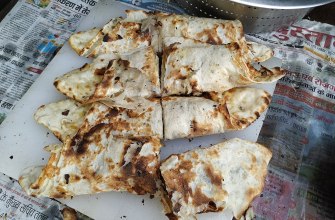
- Naan for the restaurant pairing. A blistered, chewy naan off a hot surface stands up to the sauce better than any spoon.
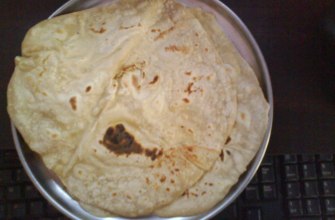
- Roti or chapati for the everyday version at home, lighter than naan and quicker to make.
- Jeera rice when you want a plate rather than a sharing bowl. Cumin-tempered basmati soaks the gravy without competing with it.
- A sharp side such as sliced onion in lemon, or a kachumber salad, to cut the dairy.
Skip a second creamy dish on the same plate. Butter chicken already carries the cream, and pairing it with another rich gravy flattens both.
How butter chicken changed when it left India
The version most people abroad know has drifted from the Delhi original. British curry houses, then takeaways across the world, pushed the sauce sweeter, sometimes dyed it a brighter orange, and folded in onion and sugar that the makhani recipe never had. Some kitchens even add potato, borrowing from other dishes. None of that is wrong as food, but it is a different recipe wearing the same name. The label “curry” did the rest of the work, collapsing the difference between butter chicken, tikka masala and a dozen other gravies into one beige idea. Cooking the Moti Mahal way is partly a way of taking the name back.
A note on Delhi’s two Mughlai schools
Moti Mahal is not the only claim on the city’s Mughlai table. Karim’s, opened beside the Jama Masjid in 1913, traces its kitchen to a Mughal-court lineage rather than the post-Partition tandoor trade. The two schools handle the same building blocks differently, down to the chili: Kashmiri for the bright makhani red, deggi mirch where a cook wants a touch more bite. Eating across both in Old Delhi is the fastest way to taste how much a single dish bends to its kitchen.
Frequently asked questions
Is butter chicken the same as chicken tikka masala?
No. Butter chicken, or murgh makhani, uses no onion, leans mild and cooks in butter. Chicken tikka masala adds onion, more spice and cooks in oil. The two get confused on foreign menus but they are separate dishes.
Why does authentic butter chicken have no onion?
The original Moti Mahal gravy was tomato, butter, cream and cashew. Onion belongs to other North Indian gravies. Leaving it out keeps the sauce smooth and the flavor on the butter and tomato, which is the makhani signature.
Can I leave out kasuri methi?
You can cook the dish without it, but you lose the aroma most people associate with restaurant butter chicken. There is no real substitute. Buy the dried leaf from an Indian grocer and crush it in by hand at the end.
What gives butter chicken its red color?
Kashmiri chili powder, which is deep red and low in heat. It colors the sauce without making it hot. Cooks chasing the color with hotter chilies end up burning the dish.
Do I need a tandoor?
No. A hot oven with a broiler finish chars the chicken, and the dhungar charcoal trick adds the smoke a tandoor would give. Both together get a home kitchen close.
Can I make butter chicken ahead or freeze it?
The gravy improves overnight as the spices settle, so cooking it a day ahead works well. Freeze the sauce and the charred chicken separately, and add the cream only when you reheat. Cream frozen into the gravy can turn grainy on the second warming.
Sources
- The National, “Battle of butter chicken” (Delhi court dispute reporting)
- Al Jazeera, “Butter chicken battle: how the dish brought two restaurants to court”
- Cooks Without Borders, Moti Mahal origin story (with Monish Gujral)
- Mrs Balbir Singh’s, “The Dhungar Method”
- Image: Chicken makhani, Wikimedia Commons, CC BY-SA 2.0, by stu_spivack