The Costa Tropical is the roughly 75-kilometre stretch of the Granada coast in Andalusia, tucked between the busy Costa del Sol to the west and the Costa de Almería to the east. The name, sometimes written Costa Tropicana, is not marketing licence: this is the one corner of mainland Europe with a true subtropical climate, the only place on the continent where chirimoyas, mangoes and avocados are grown commercially. It is also far less built-up than its famous neighbour, which is the main reason people who know it keep coming back.
This guide covers what makes the coast unusual, the three historic towns that anchor it, the diving and beaches, and the trips inland that a base here puts within reach. If you are weighing it against the Costa del Sol, the short version is that you trade nightlife and golf resorts for fishing-port towns, tropical-fruit valleys and quieter water.
A Subtropical Coast Sheltered by the Sierra Nevada
The climate is the whole point. The peaks of the Sierra Nevada, rising to over 3,000 metres just inland, wall the coast off from cold northern air, while the Mediterranean keeps it mild, so the annual average sits around 20 C and frost is almost unknown. That shelter creates a growing zone found nowhere else in Europe.
The signature crop is the chirimoya, the custard apple, sweet and fragrant with a texture between pear and banana. The fruit carries its own protected designation of origin, the Chirimoya de la Costa Tropical de Granada-Málaga, and the valleys behind the coast around Jete and Otívar account for almost all of the commercial cherimoya grown anywhere in the world. Alongside it the terraces grow mango, avocado, loquat and even sugar cane, and roadside stalls sell whatever is in season. For more on the country’s produce, see our guide to authentic Spanish foods.
Almuñécar, the Ancient Sexi
The largest resort town on the coast has the deepest history. Almuñécar was founded by Phoenician traders around the fourth century BC under the name Sexi, and it became famous across the classical world for one product: garum, the prized fermented fish sauce of antiquity.
- The El Majuelo fish-salting factory: the stone vats where the Phoenicians and then the Romans cured fish still sit at the foot of the castle hill, now set in a botanical garden of tropical plants. The local garum, branded Garum Sexitanum, was good enough that the Roman writers Strabo and Pliny named it in their works.
- Castillo de San Miguel: the hilltop castle, Roman and Moorish in its bones and remodelled later, watches over the old town and houses an archaeology display.
- Roman remains: stretches of Roman aqueduct survive on the edge of town, and the Cueva de Siete Palacios beneath the old quarter holds the municipal museum with a rare Egyptian artefact found locally.
- The seafront: the dark-sand beaches of San Cristóbal and Puerta del Mar curl around the Peñón del Santo headland, with a bird park nearby for families.
Salobreña, the White Village on the Rock
Salobreña is the picture-postcard town of the coast, a tumble of whitewashed houses climbing a steep crag that is crowned by a restored Nasrid castle. The Moorish rulers of Granada used it as a fortress and a treasury, and the views from the ramparts run from the Sierra Nevada down across the cane fields to the sea.
Below the old town spreads the green vega, the fertile plain still planted with sugar cane, and beyond it the beaches of La Guardia and La Charca, split by the rocky Peñón headland. The old quarter is best explored on foot, climbing the narrow lanes up to the castle and the Paseo de las Flores viewpoint.
Motril and the Spanish Sugar Coast
Motril, the second town of Granada province, is the working heart of the coast and the centre of a tradition that earned the area the nickname of the Spanish sugar coast. Sugar cane has been grown on the Guadalfeo plains here for around a thousand years, introduced under Moorish rule, and the industry shaped the town.
- Ron Montero: founded by a cane-growing family in 1963, this Motril distillery is the only rum cellars in Europe open to visitors, ageing pale rum in its bodega from locally grown cane.
- The Preindustrial Sugar Museum: housed in the historic Casa de la Palma, it tells the long story of cane and sugar on the coast.
- Charca de Suárez: a small protected wetland reserve on the edge of town, good for birdwatching among the last of the coastal marshes.
- Beaches: Playa de Poniente and Playa Granada give the town long, open stretches of grey sand backed by a golf course and promenade.
La Herradura and the Diving Coast
At the western end of the coast, the perfect horseshoe bay of La Herradura shelters the small marina of Marina del Este and some of the best diving in mainland Spain. The waters here fall within the protected Maro-Cerro Gordo Cliffs marine reserve, where steep cliffs drop into clear water rich with octopus, moray eels, seahorses and sunfish.
Dive centres run trips for every level from the marina, and the bay is equally good for snorkelling, sea kayaking and paddleboarding. The Cerro Gordo headland above, on the border with the province of Málaga, has walking trails and lookout points over the coves below.
Beaches and Coves
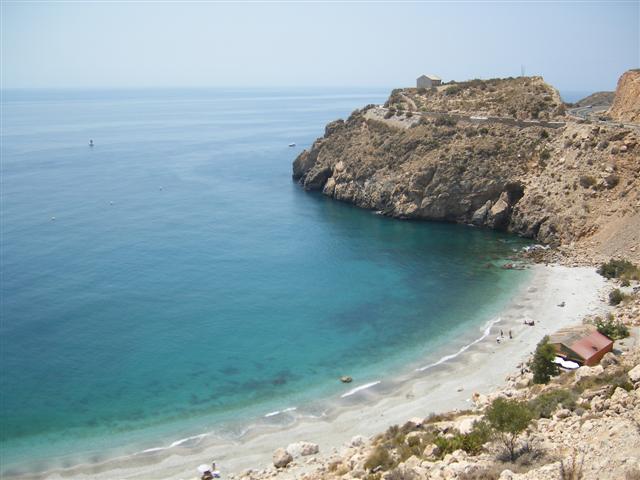
The beaches here look different from the golden sands of the Costa del Sol. Most are dark grey sand or pebble, a legacy of the volcanic and metamorphic rock of the coast, and they shelve into deeper, cleaner water. Between the main resort beaches, the coast hides a string of coves reached by track or footpath.
- Cantarriján: a pair of pebble coves below the Cerro Gordo cliffs, reached by a shuttle in summer and long a favourite of naturists.
- Cambriles and Calahonda: quieter coves east of Motril, popular with divers and snorkellers.
- Castell de Ferro: an old fishing village strung along a wide bay at the eastern end of the coast, covered in our guide to Castell de Ferro.
A coastal footpath, part of the regional Senda Litoral, links many of the beaches and headlands for walkers who want to string several together.
Trips Inland and Days Out
One of the coast’s quiet advantages is what sits behind it. The tropical-fruit valleys of the Río Verde and the white villages of the Contraviesa hills give easy half-days of driving and walking through avocado and cherimoya terraces. Further up, the wine villages of the Contraviesa ridge look back over the whole coast.
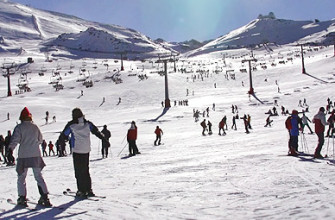
The biggest draw inland is Granada itself, a little over an hour away, with the Alhambra palace and the Albaicín quarter, set out in our guide to sightseeing in Granada. In winter the contrast sharpens: the Sierra Nevada ski resort is close enough that a determined visitor can ski in the morning and reach the beach in the afternoon.
Getting There and Around
The coast has no airport of its own. Most visitors fly into Málaga, about an hour west along the motorway and a destination in its own right, covered in our guide to things to do in Málaga. Granada and Almería airports are alternatives, and the A-7 motorway runs the length of the coast. Because the towns and coves are spread out and public transport is limited, a hire car makes the most of a stay here.
Frequently Asked Questions
Where is the Costa Tropical?
The Costa Tropical is the coast of Granada province in Andalusia, southern Spain, running about 75 kilometres along the Mediterranean between the Costa del Sol to the west and the Costa de Almería to the east. Its main towns are Almuñécar, Salobreña and Motril.
Why is it called the Costa Tropical?
The name comes from its subtropical microclimate. Sheltered from cold northern winds by the high Sierra Nevada and warmed by the Mediterranean, the coast holds an annual average around 20 C. That allows tropical fruit such as chirimoya, mango and avocado to be grown commercially, which happens nowhere else in mainland Europe.
Which is the best town to stay in?
Almuñécar is the largest and most geared to visitors, with the most history and the widest choice of beaches and restaurants. Salobreña suits those who want a quieter, more traditional white village, and La Herradura is the pick for divers and watersports. Motril is more of a working town than a resort.
What are the beaches like?
Most beaches on the Costa Tropical are dark grey sand or pebble rather than golden sand, shelving into clear, deeper water. There are long resort beaches at Almuñécar, Salobreña and Motril, and quieter coves such as Cantarriján and Cambriles between them.
How far is the Alhambra from the coast?
Granada and the Alhambra are a little over an hour inland by car from the Costa Tropical, which makes the palace and the city an easy day trip from any of the coastal towns.
How does the Costa Tropical compare with the Costa del Sol?
The Costa Tropical is quieter, less developed and more traditionally Spanish than the Costa del Sol next door. It has fewer large resorts and golf complexes, darker sand, and a stronger sense of working fishing ports and farming valleys, in exchange for less nightlife and a smaller range of international facilities.
Sources and Further Reading
- Costa Tropical de Granada – the official tourism board for the coast, with towns, beaches and events
- Consejo Regulador de la Chirimoya – the regulatory council for the protected cherimoya of the Costa Tropical
- Visit Andalucia – independent guides to Almuñécar and the towns of the Granada coast
- Andalucia.org – the official tourism portal for Andalusia