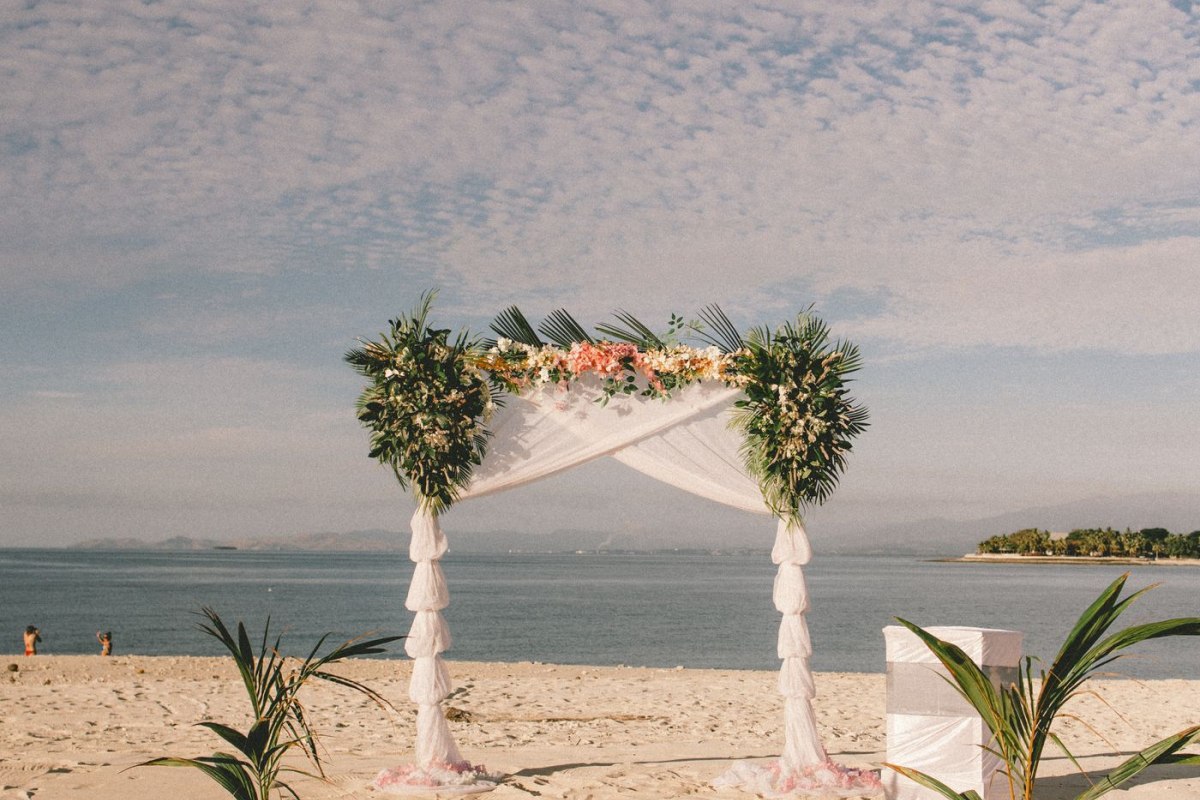
Fuerteventura is a tempting place to marry, with year-round sun, long beaches and dramatic volcanic scenery, but a destination wedding here comes with one legal catch that catches many couples out, and it pays to understand it before you plan anything else. This guide explains the legal versus symbolic question, the venues and the practicalities, including the island’s wind, that shape a wedding on Fuerteventura. For the wider island, see our Fuerteventura travel guide.
The legal catch: symbolic versus civil
This is the single most important thing to know, and it is the part the glossy wedding pages gloss over. Under Spanish law, a civil wedding in the Canary Islands is generally only open to Spanish nationals and to foreigners who are legally resident in Spain, who can transfer their marriage file from their town hall, a process that takes around three weeks. Couples who are not Spanish and not resident cannot, as a rule, hold a legally binding civil marriage on the island. The practical consequence is clear:
- Most foreign couples marry legally at home, in a short registry-office ceremony before or after the trip, and then hold a symbolic ceremony on Fuerteventura as the celebration with family and friends.
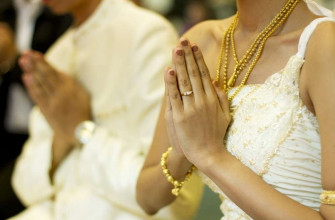
- The symbolic ceremony carries no legal status but can be staged anywhere, on a beach, at a hotel or in a villa, with full freedom over the words, the officiant and the format.
- Spanish nationals and legal residents can arrange a binding civil ceremony through the local registro civil or town hall, with the documentation and waiting time that involves.
- A church wedding is possible for Catholic couples but requires liaison with the parish and the paperwork the Church asks for, well in advance.
None of this makes a Fuerteventura wedding harder, it just means the legal and the celebratory parts are usually separated, which most couples find simpler once they know to plan for it.
What the symbolic route makes possible
Separating the legal marriage from the ceremony is liberating rather than limiting. Because a symbolic ceremony is not bound by civil rules, you can:
- Choose any setting: a dune beach at sunset, a clifftop, a hotel garden, a private villa pool or a rustic finca in the interior.
- Write your own ceremony: any words, readings, rituals or vows, in any language, led by a celebrant, a friend or a family member. Popular symbolic rituals on the island include a sand ceremony, where two colours are poured into one vessel, a handfasting that ties the couple’s hands, and the red-thread ritual, all of which a local celebrant can build into a beach or villa ceremony.
- Pick any date and time: without the constraints of registry availability, including the golden late-afternoon light.
- Keep it small or large: from an elopement for two to a full celebration, with no legal witnesses required.
Where to hold a Fuerteventura wedding
The island has a spread of venue types, each with a different feel:
- Beach ceremonies: the classic choice, on the long sands of Corralejo, Costa Calma or the south, with the Atlantic as a backdrop. Public beaches may need a permit for a set-up.
- Hotel and resort venues: many of the larger four and five-star hotels run wedding packages with gardens, terraces and in-house catering, the easiest all-in-one option, covered in our hotels guide.
- Private villas: renting a villa with a pool as a base and ceremony venue suits groups who want privacy and a multi-day celebration, in our villas guide.
- Rural and historic settings: a finca, a winery-style estate or the cobbled charm of Betancuria in the interior for something away from the resorts.
The one thing to plan around: the wind
Fuerteventura’s name is often linked to its strong winds, and for a wedding that is a real planning factor rather than a detail. The trade wind builds through the afternoon and is strongest on the open coasts, which can play havoc with hair, veils, light decor and an outdoor sound system on an exposed beach. Experienced local planners work around it in simple ways: holding ceremonies in the calmer early morning or in a sheltered cove or walled garden rather than an open beach, choosing weighted or sturdy decor, and keeping the south-coast afternoon, the windiest combination, for the party rather than the vows. The east coast around Caleta de Fuste is the most sheltered, and the interior is calmer than the shore. Building the wind into the choice of venue and time is the difference between a serene ceremony and a battle with the elements.
Practical planning
A few practical points smooth a destination wedding here:
- Use a local planner: a Fuerteventura-based wedding planner handles venues, permits, celebrants, suppliers and the language, and is close to essential for a symbolic ceremony arranged from abroad.
- Sort the legal marriage at home: complete the binding civil or registry marriage in your own country and bring the symbolic celebration here, unless you are resident in Spain.
- Check beach permits: a ceremony set-up on a public beach may need municipal permission, which a planner arranges.
- Mind the season: the island is warm year-round, but spring and autumn balance reliable sun with fewer crowds and slightly gentler heat than high summer.
- Plan guest travel and stays: factor in the long transfers to the southern resorts and book accommodation blocks early, using our where to stay guide.
Sorting the legal marriage at home
Because the binding marriage usually happens in your own country, it is worth understanding how the two halves fit together. Most couples complete a simple legal ceremony at their local registry office, often a quiet appointment with two witnesses, in the weeks before or after the trip, and treat the Fuerteventura event as the real celebration. The legal marriage is what your home country and Spain both recognise, so the symbolic ceremony abroad needs no Spanish paperwork at all, which removes the translated-and-apostilled document trail that a foreign civil wedding would demand. Couples who genuinely want the legal act to happen in Spain, rather than at home, would need Spanish residency and should expect the registro civil process, the certificates of birth, single status and residence, and the waiting time, so for the overwhelming majority the home-legal, island-symbolic split is far simpler. A good local planner will confirm exactly what, if anything, is needed for your nationality, since the detail varies from country to country.
Costs and what shapes the budget
A Fuerteventura wedding can scale from an intimate elopement to a large party, and a few factors drive the cost. The venue is the biggest lever: a public-beach symbolic ceremony with a celebrant is far cheaper than a full hotel or villa wedding with catering, decor and a reception. A local planner charges a fee but usually saves money and stress by knowing the suppliers and the permits. Guest numbers drive catering and the size of venue, while the season affects both flights and hotel rates, with the winter peak and school holidays the dearest time to bring a group. Because the Canaries levy no tourist tax and a lower IGIC sales tax, suppliers and accommodation tend to cost less than a comparable wedding in the Balearics or on the mainland, which is part of the island’s appeal for a destination celebration on a budget.
After the ceremony
Part of the appeal of marrying on Fuerteventura is that the island doubles as the honeymoon and the group holiday. Guests can fill the days around the wedding with the beaches, the boat trips, the volcano walks and the wild south, and a couple can slip straight into a relaxed honeymoon without another flight. Our guides to the best beaches and things to do cover the options, and a quiet base such as El Cotillo or an adults-only resort makes a calm honeymoon setting after the celebration.
Frequently asked questions
Can foreigners legally get married in Fuerteventura?
Generally no, unless they are legally resident in Spain. Spanish law restricts binding civil marriages to nationals and residents, so most foreign couples marry legally at home and hold a symbolic ceremony on the island.
What is a symbolic wedding ceremony?
A non-legally-binding celebration that can be held anywhere, with any words, officiant and format. It is the standard route for foreign couples on Fuerteventura, paired with a legal marriage completed in their home country.
Where can you get married on Fuerteventura?
On the beaches, in hotel and resort gardens, in private villas, or in rural and historic settings like the interior villages. Public-beach ceremonies may need a municipal permit, which a local planner arranges.
Is the wind a problem for weddings in Fuerteventura?
It can be, especially on open south-coast beaches in the afternoon. Local planners work around it with sheltered venues, early-morning ceremonies and sturdy decor, and the east coast around Caleta de Fuste is the most sheltered.
When is the best time to marry on the island?
Spring and autumn balance reliable warm sun with fewer crowds and gentler heat than high summer, though the island works year-round thanks to its mild climate.
Sources and further reading
- Administracion General del Estado, marriage in Spain (EU citizens)
- Cabildo de Fuerteventura, island council
- Reserva de la Biosfera Fuerteventura