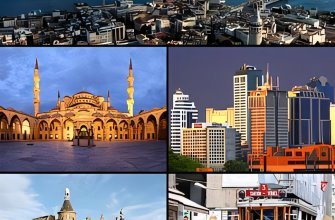
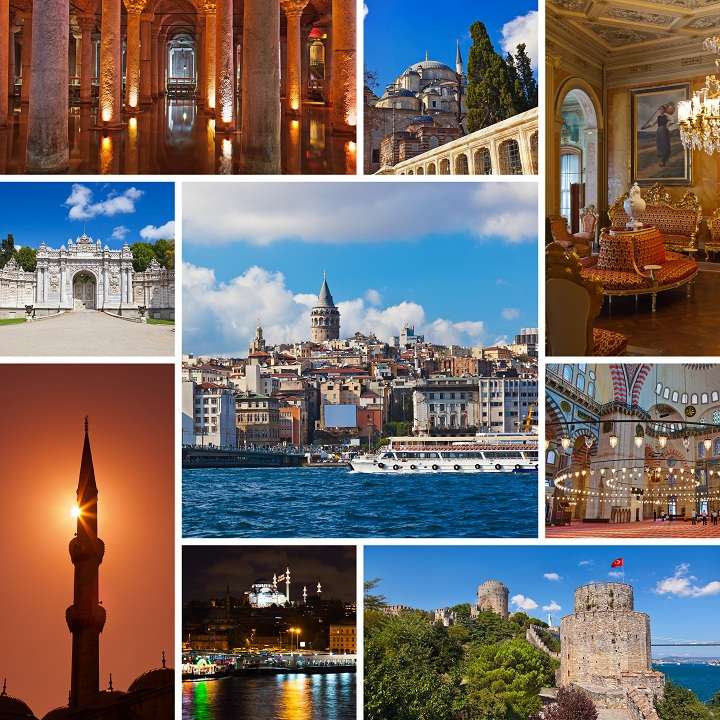
Istanbul is the only major city on Earth that sits on two continents at once, divided by the Bosphorus strait with roughly two-thirds of its 15 million residents living in Europe and one-third in Asia. The city has served as the capital of the Roman Empire under the name Constantinople from 330 CE, the capital of the Byzantine Empire until 1453, the capital of the Ottoman Empire for the next 470 years, and the largest city of the Republic of Turkey after the capital moved to Ankara in 1923. Walking through Sultanahmet today, a visitor passes Byzantine cisterns, Ottoman mosques, Republican-era banks, and 21st-century retail within a few hundred metres.
This guide covers Istanbul’s geography and population, the major historical periods that shaped its architecture, the main districts visitors explore, cultural traditions and food, and practical travel information including climate, transport, and best times to visit.
Geography and Population
Istanbul spans 5,343 square kilometres across European and Asian Turkey. The Bosphorus strait, 31 kilometres long and between 700 metres and 3.7 kilometres wide, separates the two continents. The Sea of Marmara forms the southern boundary and opens to the Dardanelles and Aegean Sea; the Black Sea lies to the north. Three bridges and two road tunnels connect the two sides, along with a cross-Bosphorus metro line opened in 2013.
Population estimates range from 15.7 million to over 17 million depending on the methodology, making Istanbul the largest city in Europe and one of the 20 largest urban areas in the world. The metropolitan area continues to expand outward into surrounding provinces; commuter rail networks now extend as far as Gebze to the east and Halkalı to the west. Istanbul produces roughly 30 percent of Turkey’s GDP despite holding about 18 percent of the population.
Each side of the Bosphorus has its own cultural character. The European side holds the historic core (Sultanahmet), the financial district (Levent, Maslak), and the main cultural quarter (Beyoğlu, Galata). The Asian side, called Anadolu Yakası, hosts the residential neighbourhoods of Kadıköy and Üsküdar and the tech and consumer-goods industries that drive much of the city’s modern economy.
Historical Overview
Settlement on the site dates to at least 657 BCE, when Greek colonists from Megara founded Byzantium on the peninsula where Sultanahmet now stands. Byzantium remained a secondary Greek trading port for nine centuries, changing hands between Persians, Athenians, Spartans, Macedonians, and eventually Romans.
Emperor Constantine the Great refounded the city as Nova Roma in 330 CE, making it the new capital of the Roman Empire. The city was soon renamed Constantinople in his honour. For over a thousand years, Constantinople served as the capital of the eastern Roman (Byzantine) Empire, preserving Greek and Roman knowledge through the European medieval period when most western cities shrank dramatically.
The Ottoman sultan Mehmed II conquered Constantinople on May 29, 1453, after a 53-day siege. The fall ended the Byzantine Empire and transferred the city to the Ottoman Empire, which ruled from Istanbul for 470 years. Ottoman architects, including the prolific 16th-century master Mimar Sinan, built roughly 300 mosques, bridges, and public buildings across the city, many of which still stand.
After the collapse of the Ottoman Empire and the Turkish War of Independence (1919-1922), the new Republic of Turkey moved its capital to Ankara on October 13, 1923. The city was officially renamed Istanbul by postal order in 1930, codifying the name locals had used informally for centuries. Istanbul lost political centrality but retained economic and cultural dominance.
Major Districts for Visitors
Istanbul’s 39 official districts cluster into a handful of visitor-relevant areas:
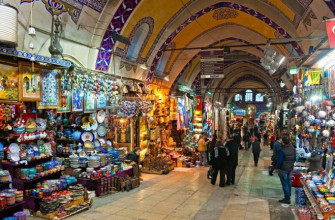
- Sultanahmet (Fatih district): the old city, home to Aya Sofia, Blue Mosque, Topkapi Palace, Basilica Cistern, Grand Bazaar, Spice Bazaar. Highest density of historical sites in the city.
- Beyoğlu: the 19th-century European quarter across the Golden Horn, home to Istiklal Avenue, Galata Tower, Karaköy wharf. Most of the city’s contemporary art galleries cluster here.
- Beşiktaş and Ortaköy: waterfront districts along the Bosphorus, favoured for cafes, fish restaurants, and the 19th-century Dolmabahçe Palace
- Kadıköy: the hip Asian-side district, known for Moda neighbourhood bars, fish market, and Fenerbahçe football stadium
- Üsküdar: conservative Asian-side district with Ottoman-era mosques, including the Mihrimah Sultan and Şemsi Paşa mosques designed by Sinan
- Eyüp: religious district containing the Eyüp Sultan Mosque, a major Islamic pilgrimage site in Turkey
- Princes’ Islands (Adalar): nine small islands in the Sea of Marmara, car-free, reached by ferry from Kabataş or Bostancı
The central visitor areas (Sultanahmet, Beyoğlu, and the Bosphorus waterfront) can be covered on foot with support from tram and metro lines. Longer trips across the Bosphorus or to the Princes’ Islands require ferries, which are cheap and run on frequent schedules.
Architecture and Historic Monuments
Istanbul holds more than 3,000 mosques, dozens of Byzantine churches (some converted to mosques, others to museums), and roughly 20 functioning palaces. The architectural mix across 2,500 years ranks among the densest in any world city.
Key Byzantine monuments beyond Aya Sofia include the Basilica Cistern (6th century, underground water storage with 336 columns), the Chora Church (Kariye Mosque, containing some of the finest Byzantine mosaics and frescoes in the world), and the Theodosian Walls that protected Constantinople from the 5th century onwards.
Key Ottoman monuments include the Topkapi Palace (residence of sultans from 1465 to 1856), the Dolmabahçe Palace (19th-century replacement on the Bosphorus waterfront), the Süleymaniye Mosque (Sinan’s masterpiece, completed 1557), and the Blue Mosque (1616, named for its 20,000 blue İznik tiles). Aya Sofia itself bridges Byzantine and Ottoman eras. For a detailed profile see our Aya Sofia guide.
Food, Markets, and Daily Culture
Istanbul food culture blends Ottoman palace cuisine with Anatolian village cooking and Balkan, Greek, and Armenian traditions absorbed across centuries of mixed population. Standard dishes visitors encounter:
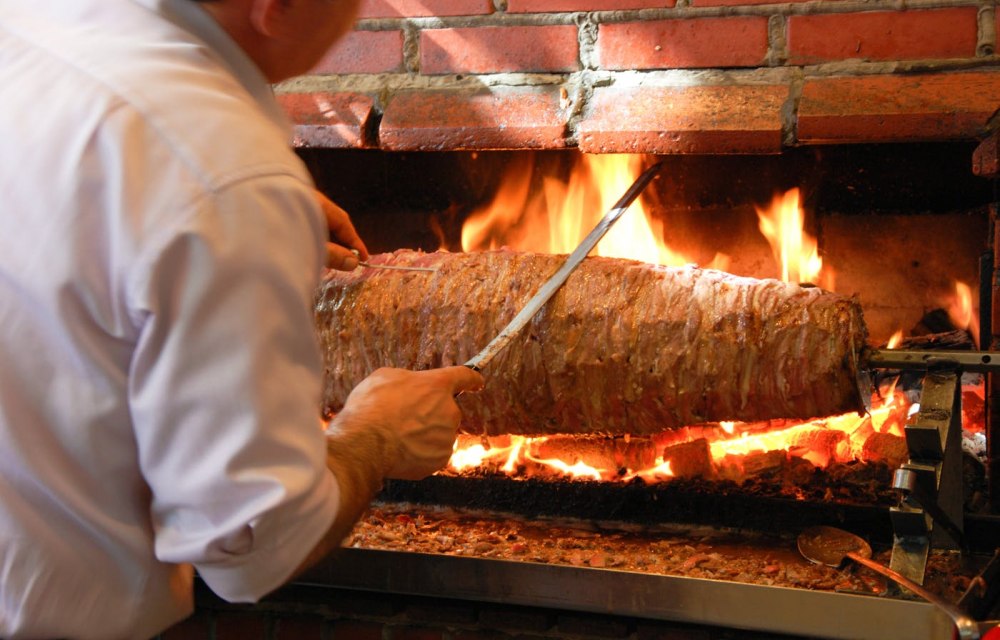
- Kebabs: döner (rotating spit), Adana (spiced minced meat), İskender (sliced lamb over bread with yogurt)
- Meze: small cold dishes including hummus, baba ghanoush, stuffed vine leaves, olive oil-dressed vegetables
- Balık ekmek: grilled fish sandwich sold at Eminönü waterfront from boats painted like miniature Ottoman galleys
- Simit: sesame-coated bread ring, a universal Istanbul breakfast and street snack
- Köfte: grilled meatballs, best at the Ottoman-era Tarihi Sultanahmet Köftecisi in the old city
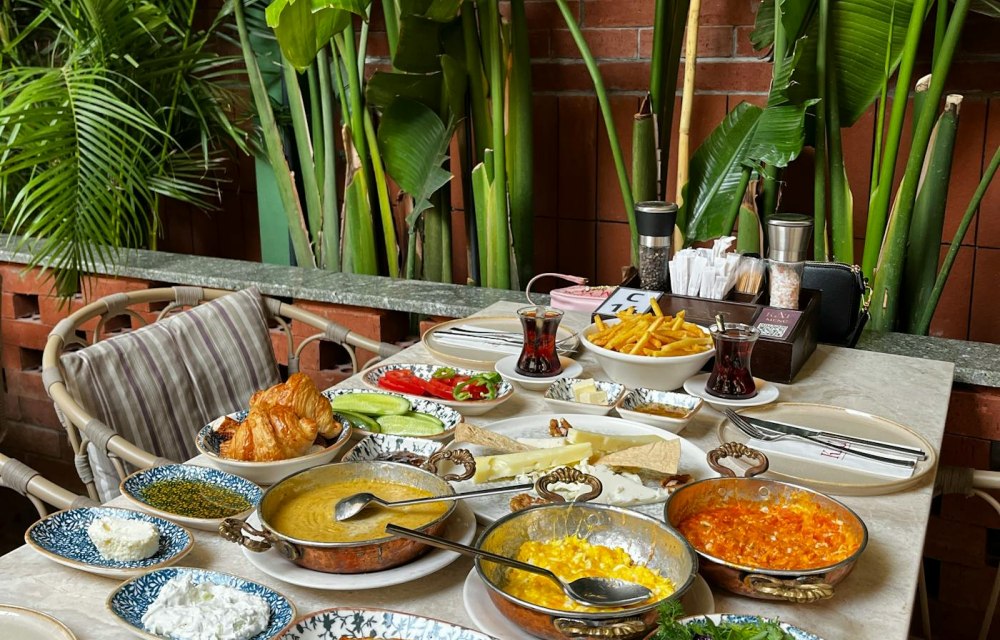
- Turkish breakfast (kahvaltı): spread of cheeses, olives, tomatoes, cucumbers, eggs, honey, preserves
- Baklava: layered filo pastry with pistachios or walnuts, typically enjoyed with Turkish coffee
- Turkish coffee: small cups of finely ground coffee served unfiltered with grounds settled at the bottom
The Grand Bazaar (Kapalıçarşı, opened 1461) and the Spice Bazaar (Mısır Çarşısı, 1660) remain functional markets despite heavy tourist traffic. Local shopping favours district markets like Kadıköy Salı Pazarı and the Fatih Wednesday market, both selling produce, fish, and household goods at prices roughly half of tourist area rates.
Climate and Best Time to Visit
Istanbul sits on the boundary of Mediterranean and continental climate zones. Summers run hot and humid with temperatures regularly reaching 32 degrees Celsius in July and August. Winters are mild with occasional snow, averaging 5 to 10 degrees Celsius; snowfall closes streets for a few days each year when major storms hit from the Black Sea.
Best visiting windows:
- April to early June: comfortable temperatures (15-23 degrees), fewer crowds, spring blossoms along the Bosphorus
- September to mid-October: similar temperatures, calmer seas for ferry trips
- December to February: cheapest hotel rates, atmospheric under snow, ideal for indoor monuments
Peak tourist months (July-August) combine high heat with maximum crowds; Aya Sofia and Topkapi queues can exceed two hours. Ramadan dates shift annually and affect restaurant hours in conservative districts, though most tourist areas continue normal operation.
Transport and Practical Information
Istanbul’s public transport network covers most of the city at affordable rates. The Istanbulkart electronic fare card, available at metro stations and corner shops, works on metros, trams, funiculars, buses, and ferries. Single tickets cost a fraction of a euro; a tourist passing through the main districts spends perhaps 10-15 euros on a week of transport.
Key transit lines for visitors:
- Tram T1: runs from Kabataş through Karaköy, across Galata Bridge, through Sultanahmet and to Bağcılar. Covers most major tourist sites.
- Metro M2: connects Yenikapı in the old city to Hacıosman in the north via Taksim and Şişli
- Marmaray: cross-Bosphorus commuter rail connecting European and Asian sides under the strait
- Ferries: run constantly between Eminönü, Karaköy, Kadıköy, Üsküdar, Beşiktaş. Some routes include the Princes’ Islands.
- Airports: Istanbul Airport (IST, main hub, roughly 50 km north) and Sabiha Gökçen (SAW, Asian side, lower-cost carriers)
Taxis are plentiful but often overcharge tourists; using the BiTaksi or Uber apps produces honest fares. Walking remains the best way to explore individual districts; Istanbul’s hills make this tiring but rewarding.
Frequently Asked Questions
What is Istanbul famous for?
Istanbul is famous for spanning two continents, serving three major empires as capital (Roman, Byzantine, Ottoman), and holding some of the most important surviving Byzantine and Ottoman architecture. Aya Sofia, the Blue Mosque, Topkapi Palace, and the Grand Bazaar draw millions of visitors annually.
Is Istanbul in Europe or Asia?
Both. Istanbul is the only major city that sits on two continents, divided by the Bosphorus strait. Roughly two-thirds of the population lives on the European side; one-third on the Asian side. Three bridges and two road tunnels connect the two halves.
What was Istanbul called before?
Byzantium from 657 BCE to 330 CE, Constantinople from 330 to 1930, and Istanbul officially from 1930 onward. Locals used “Istanbul” informally for centuries before the official change; the Ottoman Empire used both names concurrently.
How many days do you need in Istanbul?
Three to five days covers the main historic sites (Sultanahmet), the Beyoğlu district, and a Bosphorus ferry trip. Seven days allows deeper exploration of the Asian side, the Princes’ Islands, and day trips to nearby sites like the Belgrade Forest or Polonezköy.
What language is spoken in Istanbul?
Turkish is the official and everyday language. English is widely spoken in tourist areas, hotels, and younger-professional workplaces. Arabic, Russian, and German are common in specific neighbourhoods serving international communities.
Is Istanbul safe for tourists?
Istanbul is generally safe for tourists, with standard precautions against pickpocketing in crowded areas like the Grand Bazaar and Istiklal Avenue. Violent crime against visitors is rare. Women travellers should expect more attention in conservative districts and fewer issues in modern areas like Beyoğlu or Kadıköy.
What currency is used in Istanbul?
Turkish lira (TRY). Most tourist sites accept euros and US dollars, though at unfavourable rates. ATMs are widespread and usually offer the best exchange. Credit cards are accepted in most restaurants and larger shops; small local eateries and markets prefer cash.
Sources and Further Reading
- Istanbul: Memories and the City – Orhan Pamuk, Vintage Books
- Istanbul: A Tale of Three Cities – Bettany Hughes, Weidenfeld and Nicolson
- The Ottoman Empire and Islamic Tradition – Norman Itzkowitz, University of Chicago Press
- Byzantine Architecture – Cyril Mango, Electa
- Istanbul tourism information – Turkish Ministry of Culture and Tourism ktb.gov.tr