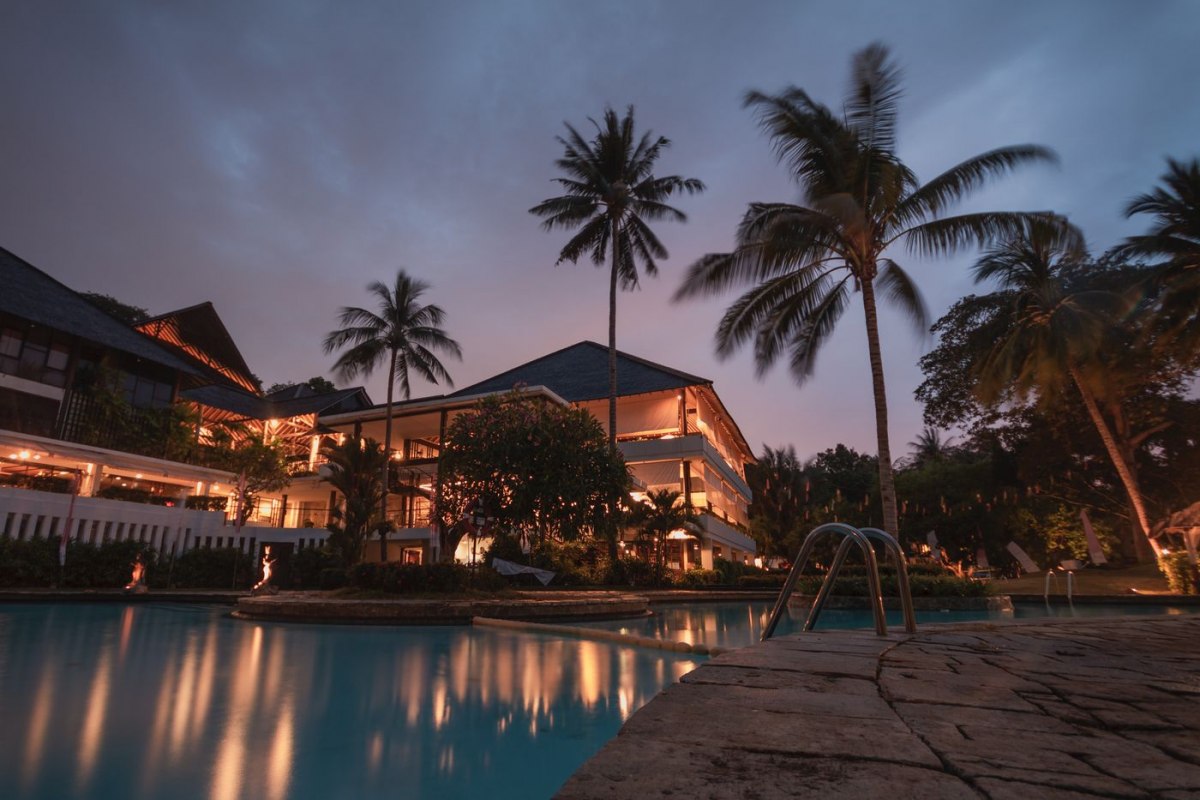
Four-star is the workhorse tier on Fuerteventura. It covers most of the island’s larger hotels, sits below the handful of five-star resorts and above the apartment blocks, and is where the package market concentrates. This guide explains what a four-star actually buys you here, how the choice changes by resort area, and the local angles, golf, adults-only wings and the meal-plan question, that decide whether a given hotel fits your trip. For the wider accommodation picture, start with our guide on where to stay in Fuerteventura.
What four-star means on this island
Canary Islands hotel stars are awarded by the regional government against fixed criteria, so a four-star here reliably brings certain things and reliably leaves out others:
- Expect: at least one large pool, often heated in winter, a spa or wellness area, multiple restaurants with a buffet plus one or two a la carte options, daily entertainment, and air conditioning as standard.
- Do not assume: beachfront position. Many four-stars sit a few hundred metres back behind the dunes or the coastal road, especially in the south, so check the walk to the sand before booking.
- Meal plans: half board and all-inclusive dominate the four-star segment. The included drinks on an all-inclusive plan default to local-brand spirits and house wine, with premium labels charged extra.
- Tax: there is no per-night tourist tax in the Canaries, and the lower 7 percent IGIC sits inside the rate, so a four-star here tends to undercut the same standard in the Balearics.
Four-star hotels by resort area
The area shapes the character of the hotel more than the star count does:
- Caleta de Fuste: the densest four-star cluster, around 15 minutes from the airport, built for families and golfers around a calm bay. Hotels here pair pools with quick access to the two golf courses and a walkable centre.
- Costa Calma: a higher share of upper four-star and adults-leaning properties along a long beach, quieter in the evening, with the Sotavento lagoon nearby.
- Jandia and Morro Jable: large four-star complexes behind the island’s longest beach, strongly oriented to the German and British package markets, covered in our Jandia hotels guide.
- Corralejo: four-stars near the dunes and the town’s nightlife and ferries, the liveliest base, detailed in our guide to things to do in Corralejo.
The golf-hotel cluster
Fuerteventura built a golf identity in the early 2000s, and several four-star hotels are wired into it. The Fuerteventura Golf Club at Caleta de Fuste was the island’s first 18-hole course, opened in 2002 and designed by Juan Catarineu, and it hosted the Open de Espana in 2004, a broadcast that put the island on the golf map. A few kilometres away, the Salinas de Antigua Golf Club is a par-70 course designed by Manolo Pinero, twice a world amateur champion, with Atlantic views from most holes. Down the south-east coast at Las Playitas, the Playitas resort runs an 18-hole course by the Scottish architect John Chilver-Stainer alongside its well-known triathlon and sports-training base.
Several Caleta four-stars sit on or beside these courses and offer guests reduced green fees, which is worth confirming at booking if golf is the point of the trip.
Adults-only and spa four-stars
A growing slice of the four-star market is adults-only, clustered in Costa Calma and on the Jandia peninsula, aimed at couples who want a quiet pool and an evening without children’s entertainment. These properties lean harder on the spa, the a la carte restaurants and the sunset bar than the family resorts do. If quiet matters more than the kids club, our guide to quiet resorts in Fuerteventura covers the calmer end of the island.
The hotel groups you will meet
Most four-star hotels on Fuerteventura belong to a handful of large operators, and knowing the group helps set expectations on style and service. Spanish and Balearic chains dominate: RIU, Barcelo, Melia and Iberostar all grew out of Mallorca and run several island properties each, while H10 is Catalan and Elba is a Canarian group with a strong Caleta de Fuste presence on and around the golf course. The German operator Robinson Club runs a well-known active-holiday resort on the Jandia coast at Esquinzo, aimed squarely at the German market that fills much of the south.
The practical upshot is that the big Spanish chains tend to run buffet-led, family-and-entertainment resorts, while the German-oriented properties lean toward sport, fitness and a quieter adult atmosphere. Reading the operator tells you as much as the star rating about who the hotel is built for.
Spa, thalasso and aloe vera
Wellness is a real strength of the four-star tier here, and it draws on two local ingredients. Several Caleta de Fuste hotels run thalassotherapy circuits that use heated Atlantic seawater, the best known being the Thalasso spa beside the Barcelo complex. The other is aloe vera, which the island grows unusually well: the dry, sunny, windy climate and volcanic soil suit the plant so well that studies have found Canary-grown aloe carries close to three times the active-compound concentration of aloe from wetter regions. Fuerteventura holds one of the largest organic aloe plantations in Europe, with several farms near Antigua and La Oliva open for tours, and many hotel spas stock locally pressed aloe products. The same farms often keep the endemic Majorero donkey, part of the island’s rural heritage, alongside the crop.
Four-star or the alternatives
The four-star tier is not always the right call:
- Choose four-star if you want a full-service hotel with pools, entertainment and a meal plan handled for you, and you value reliability over character.
- Consider five-star only in the south, where the small luxury cluster sits, if you want a wider a la carte spread and a quieter, lower-density resort.
- Consider an apartment or aparthotel for more space, a kitchen and a lower price, covered in our holiday apartments guide.
- Consider a villa for a group or family who want privacy and a private pool, in our villas with pools guide.
Seasons and what four-star costs
Fuerteventura runs against the usual Mediterranean pattern. Its high season is the northern-European winter, from late October through April, when travellers come for guaranteed warmth while home is cold, and the four-star resorts fill. The single dearest windows are the two weeks around Christmas and New Year and the Easter break, when rates can sit at double a quiet week. The hot summer months of June to September are technically the low season for price even though the weather is at its best, because mainland Europe competes for the same travellers. The cheapest value with reliable warmth tends to fall in late spring and in November, on the shoulders of the winter peak. Booking a four-star a fortnight either side of the school-holiday spikes is the simplest way to keep the rate down without losing the weather, and half board often beats all-inclusive once you plan to eat out a few evenings in Caleta or Morro Jable.
Booking tips for four-star hotels
- Confirm the meal plan and what drinks it covers, since the gap between half board and all-inclusive changes the daily budget more than the room rate does.
- Check the distance to the beach in metres rather than the resort name, because many southern four-stars sit back from the sand.
- Ask about the heated pool if you travel in winter, when the Atlantic is cool and an unheated pool can sit empty.
- Book early for Christmas, New Year and Easter, the three peak windows, and shift dates a fortnight either side of school holidays for the best rates.
- If golf is the plan, book a hotel with a green-fee arrangement rather than paying full visitor rates separately.
The named hotels and where they sit
It helps to know the landscape of larger properties before you book, since the same operators recur across the island. In Corralejo the long-running RIU complexes sit right on the Grandes Playas dunes, a short distance from the town, while Barcelo runs an adults-oriented bay property nearer the centre. Caleta de Fuste is the densest four-star cluster, with Barcelo’s beachfront resort and the Elba group’s hotels around the Fuerteventura Golf Club, several offering reduced green fees to guests. Costa Calma leans to H10 and other upper four-star and adults-only hotels along its pine-lined beach, and the Jandia coast holds the large Melia property near the dunes and the German active-holiday Robinson Club at Esquinzo. You do not need to memorise the names, but recognising the operator tells you the style: the big Spanish chains run buffet-led family-and-entertainment resorts, while the German-oriented properties lean toward sport, fitness and a quieter adult tone.
Accessibility and who four-star suits
The four-star tier is the most reliable choice for travellers who value certainty over character, and it covers a wide span of needs. Most of the larger resorts are built on a single level or with lifts, with ramps to pools and, at many, accessible rooms and beach wheelchairs on request, which makes them the easiest option for guests with limited mobility, far more so than the village apartments or the rural villas. Families get kids clubs, shallow pools and family rooms; couples get adults-only wings and spas; golfers get the green-fee deals. The tier suits less well anyone after a local, independent feel or a kitchen, who should look at apartments and the villages, or anyone on a tight budget, since half board and all-inclusive at a four-star cost more than self-catering. Confirm the specific facilities you need directly with the hotel, since the four-star band spans everything from a simple pool-and-buffet resort to a full spa-and-a-la-carte property.
Frequently asked questions
Are there five-star hotels in Fuerteventura?
Yes, but only a small number, concentrated on the Jandia peninsula and at Corralejo. Most of the island’s larger hotels are four-star, which is the standard upper-mid tier here.
Is all-inclusive worth it at a four-star?
It suits travellers who eat and drink mostly on site and want a fixed budget. Lighter eaters and those who want to try the harbour seafood in Morro Jable or El Cotillo often do better on half board or in an apartment.
Which area has the most four-star hotels?
Caleta de Fuste has the densest cluster and the shortest airport transfer, with large concentrations also in Jandia, Costa Calma and Corralejo.
Do four-star hotels sit on the beach?
Some do, but many sit a few hundred metres back, particularly in the south behind the dunes. Always check the stated distance to the beach before booking.
Is there a tourist tax on hotels in Fuerteventura?
No. The Canary Islands do not charge a per-night tourist or eco tax, so the quoted room rate is close to the final price.
Sources and further reading
- Real Federacion Espanola de Golf, Fuerteventura golf club listing
- Cabildo de Fuerteventura, island council
- Reserva de la Biosfera Fuerteventura